कहानियाँ विंग · कहानी · Industry · 1910
दोहरी-पक्षीय क्रांति: कैसे ट्विन-डिस्क तकनीक ने रिकॉर्डिंग अर्थशास्त्र को रूपांतरित किया
Double-Sided Revolution: How Twin-Disc Technology Transformed Recording Economics
1910 में दोहरी-पक्षीय रिकॉर्डिंग तकनीक का आविष्कार कैसे संगीत को निर्मित, वितरित और उपभोग किए जाने के तरीके को मौलिक रूप से बदल दिया।
प्रकाशित31 March 2026 पाठ८ मिनट का पाठ
आमुख
एकल-पक्षीय सीमा
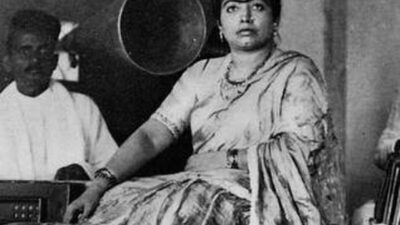
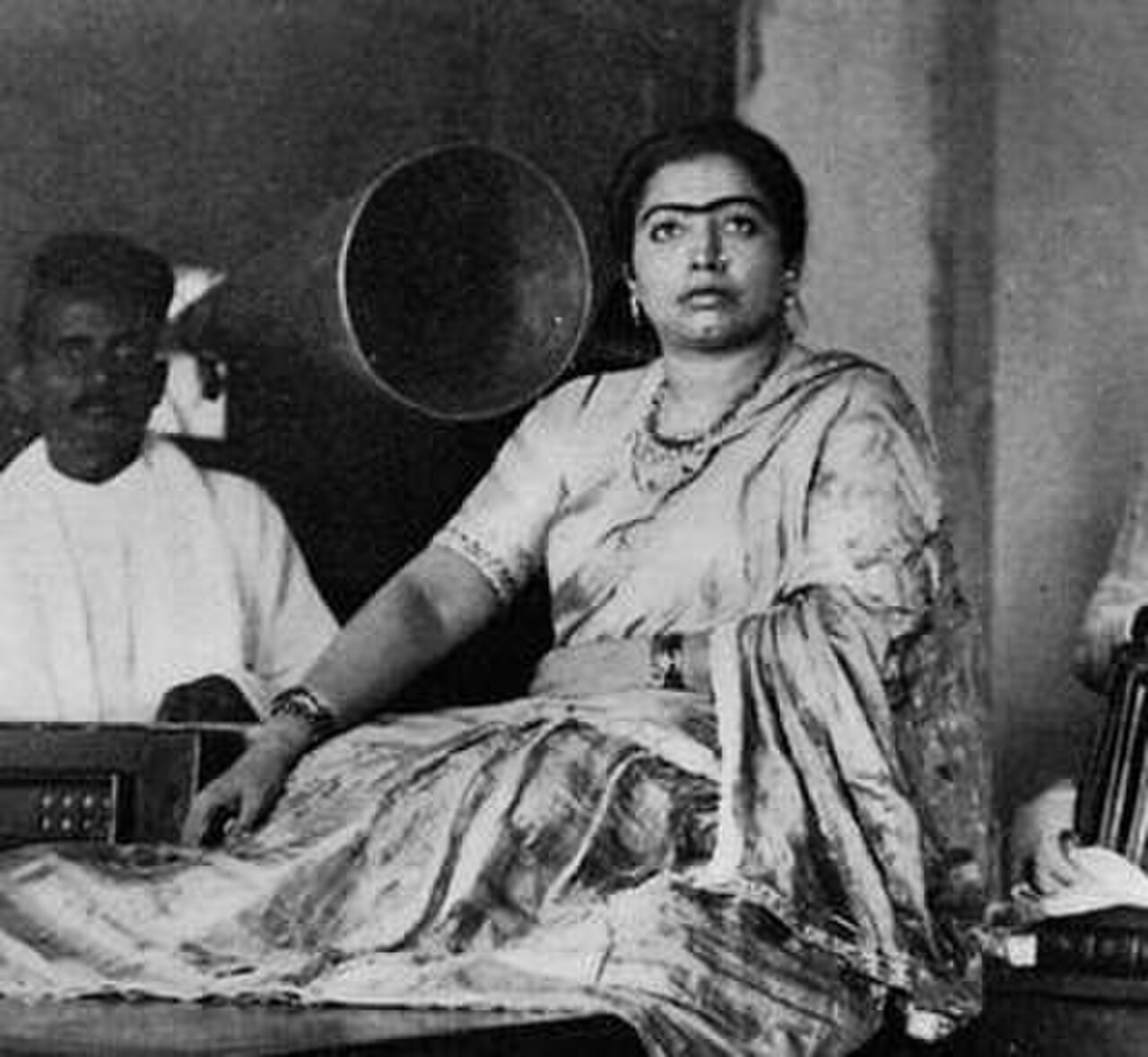
The Single-Sided Limitationभारतीय रिकॉर्डिंग के पहले नौ वर्षों के लिए, हर ग्रामोफोन रिकॉर्ड का एक एकल पक्ष था। एक गायक या समूह रिकॉर्डिंग हॉर्न में प्रदर्शन करेगा। कंपन एक मोम सिलेंडर में या बाद में एक समतल डिस्क में खोदा जाएगा। एक बार प्रदर्शन पूरा हो जाने के बाद, वह पक्ष भर गया। अगर आप दूसरा गीत रिकॉर्ड करना चाहते थे, तो आपको पूरी तरह दूसरी डिस्क का उपयोग करना पड़ा। इसने कैस्केडिंग अक्षमताएं बनाईं। गौहर जान जैसी एक महिला गायक, जो एक स्टूडियो सत्र में 2-3 गीत रिकॉर्ड कर सकती थीं, को 2-3 अलग-अलग डिस्क की जरूरत थी। एक एकल डिस्क केवल 3-4 मिनट का एक गीत रखता था। इसका मतलब यह था कि ग्रामोफोन कंपनी सूची एकल, असतत प्रदर्शन द्वारा प्रभुत्व वाली थी। एक गौहर जान रिकॉर्ड खरीदने वाला ग्राहक एक गीत, केवल एक गीत प्राप्त करता था। कंपनी के लिए, इसका मतलब यह था कि एक व्यापक प्रदर्शनकारी को पकड़ने के लिए—सभी उनके सर्वश्रेष्ठ हिट्स, उनकी सभी हस्ताक्षर शैलियां—एक उपभोक्ता को अलग-अलग डिस्क का एक ढेर खरीदना होगा। कलाकारों के लिए, इसका मतलब था कि उनकी संपूर्ण कलात्मक दृष्टि कई वस्तुओं में विखंडित थी। सभी के लिए, इसका मतलब था बर्बादी: लाखों डिस्क के रिवर्स पक्ष खाली थे।
अंग्रेज़ी में पढ़ें · Read in English
For the first nine years of Indian recording, every gramophone record had a single side. A singer or group would perform into the recording horn. The vibrations would be etched into a wax cylinder or, later, onto a flat disc. Once the performance was complete, that side was full. If you wanted to record another song, you had to use another disc entirely. This created cascading inefficiencies. A female singer like Gauhar Jaan, who might record 2-3 songs in a studio session, needed 2-3 separate discs. A single disc could hold only one song of 3-4 minutes. This meant that Gramophone Company inventory was dominated by single, discrete performances. A customer buying a Gauhar Jaan record got one song, and one song only. For the company, this meant that to capture a comprehensive performer—all their greatest hits, all their signature styles—a consumer would need to buy a stack of individual discs. For the artists, it meant that their complete artistic vision was fragmented across multiple objects. For everyone, it meant waste: the reverse sides of millions of discs were blank.
नवाचार: दोहरी-पक्षीय डिस्क
The Innovation: Double-Sided Discs1910 में, रिकॉर्ड निर्माताओं ने एक कट्टरपंथी नवाचार पेश किया: दोहरी-पक्षीय डिस्क। यह तकनीकी रूप से सरल था लेकिन गहराई से रूपांतरकारी था। रिकॉर्डिंग और प्रेसिंग तकनीकें विकसित करके जो एक डिस्क के दोनों पक्षों को खांचे वहन करने की अनुमति देते थे, निर्माताओं ने भौतिक आकार या कीमत में वृद्धि के बिना हर रिकॉर्ड की सामग्री क्षमता को दोगुना कर दिया। अचानक, जहां एक उपभोक्ता को पहले दो गीत सुनने के लिए दो डिस्क की जरूरत थी, उन्हें अब केवल एक की जरूरत थी। गौहर जान के लिए, उनकी रिकॉर्डिंग सत्र को अब अलग तरीके से आयोजित किया जा सकता था। दो गीत जो पहले दो अलग-अलग डिस्क की आवश्यकता होती थी, अब एक एकल, दोहरी-पक्षीय रिकॉर्ड पर दबाए जा सकते थे। इसके तत्काल आर्थिक परिणाम थे। उपभोक्ता के लिए प्रति गीत की लागत आधी हो गई। ग्रामोफोन रिकॉर्ड खरीदने के लिए मूल्य प्रस्ताव नाटकीय रूप से अधिक आकर्षक हो गया। एक परिवार जो पहले एक-गीत रिकॉर्ड पर पैसा खर्च करने के बारे में हिचकिचाता था, अब एक ही कीमत पर दो-गीत रिकॉर्ड से लुभाया जाता था। ग्रामोफोन कंपनी के लिए, निहितार्थ समान रूप से गहन थे। अचानक, आप संग्रह एल्बम रिलीज़ कर सकते थे—एक ही कलाकार के गीतों के संग्रह, या एक ही फिल्म के गीत, या एक ही शैली में गीत—सभी एक एकल, आर्थिक दोहरी-पक्षीय डिस्क पर। संगीत रिकॉर्डिंग का व्यावसायिक मॉडल मौलिक रूप से बदल गया।
अंग्रेज़ी में पढ़ें · Read in English
In 1910, record manufacturers introduced a radical innovation: the double-sided disc. It was technologically simple but profoundly transformative. By developing recording and pressing techniques that allowed both sides of a disc to bear grooves, manufacturers doubled the content capacity of every record without increasing the physical size or price. Suddenly, where a consumer had previously needed two discs to hear two songs, they now needed only one. For Gauhar Jaan, her recording sessions could now be organized differently. Two songs that would previously have required two separate discs could be pressed onto a single, double-sided record. This had immediate economic consequences. The cost per song, for the consumer, dropped by half. The value proposition for buying a gramophone record became dramatically more attractive. A family that previously hesitated about spending money on a single-song record was now tempted by a two-song record at the same price. For the Gramophone Company, the implications were equally profound. Suddenly, you could release compilation albums—collections of songs by the same artist, or songs from the same film, or songs in the same genre—all on a single, economical double-sided disc. The business model of recording music fundamentally shifted.
परिणामों की बहाव
The Cascade of Consequencesदोहरी-पक्षीय रिकॉर्डिंग की शुरुआत के साधारण अर्थशास्त्र से परे परिणाम थे। पहला, इसने वैचारिक एल्बम के निर्माण को सक्षम किया। 1910 से पहले, एक एल्बम (यदि आप सिंगल्स के ढेर को एल्बम भी कह सकते हैं) बस गीतों का एक यादृच्छिक संग्रह था। दोहरी-पक्षीय डिस्क के बाद, एल्बम को इरादे के साथ कुरेट किया जा सकता था। एक रिकॉर्ड कंपनी रिलीज़ कर सकती थी: "गौहर जान के पूर्ण प्रेम गीत," या "1910 से महान राग," या "फिल्म अवारा के गीत।" प्रत्येक दोहरी-पक्षीय डिस्क एक बयान बन गया—एक विषय, एक प्रदर्शनकारी, एक आख्यान के चारों ओर संगठित। दूसरा, इसने खुदरा अव्यवस्था को कम किया। खुदरा दुकान के मालिक जो पहले सैकड़ों व्यक्तिगत एकल-गीत डिस्क को स्टॉक करने के लिए करते थे, अब दोहरी सामग्री के साथ बहुत कम दोहरी-पक्षीय डिस्क को स्टॉक कर सकते थे। इसने ग्रामोफोन संगीत को छोटे शहरों में छोटे खुदरा विक्रेताओं के लिए अधिक सुलभ बना दिया। वितरण नेटवर्क का विस्तार हुआ, ऐसे दर्शकों तक पहुंचना जिनके पास पहले रिकॉर्ड खरीदने का कोई व्यावहारिक तरीका नहीं था। तीसरा, इसने नई कलात्मक संभावनाएं बनाईं। एक संगीतकार अब एक पूर्ण गीत चक्र की योजना बना सकता था—कहते हैं, एक चार-भाग राग प्रदर्शन—दो दोहरी-पक्षीय डिस्क के पार, एक सुसंगत कलात्मक बयान बनाते हुए। एक गायक एक महत्वाकांक्षी कार्यक्रम रिकॉर्ड कर सकता था जो कई मूड, शैलियों और तकनीकी चुनौतियों की खोज करता था, सभी एक एकल, पोर्टेबल पैकेज के भीतर निहित। कलाकार की दृष्टि को अब एकल-गीत के टुकड़ों में नहीं काटा जाता था।
अंग्रेज़ी में पढ़ें · Read in English
The introduction of double-sided recording had consequences far beyond simple economics. First, it enabled the creation of conceptual albums. Before 1910, an album (if you could even call a stack of singles an album) was merely a random collection of songs. After double-sided discs, albums could be curated with intention. A record company could release: "The Complete Love Songs of Gauhar Jaan," or "Great Ragas from 1910," or "Songs from the Film Awara." Each double-sided disc became a statement—organized around a theme, a performer, a narrative. Second, it reduced retail clutter. Retail shop owners who previously had to stock hundreds of individual single-song discs could now stock far fewer double-sided discs with twice the content. This made gramophone music more accessible to smaller retailers in smaller towns. The distribution network expanded, reaching audiences that previously had no practical way to buy records. Third, it created new artistic possibilities. A composer could now plan a complete song cycle—say, a four-part raga performance—across two double-sided discs, creating a coherent artistic statement. A singer could record an ambitious program that explored multiple moods, styles, and technical challenges, all contained within a single, portable package. The artist's vision was no longer chopped into single-song fragments.
बाजार रूपांतरित होता है
The Market Transforms1910 के अंत तक, दोहरी-पक्षीय रिकॉर्डिंग के प्रभाव बिक्री डेटा में पहले से ही दृश्यमान थे। प्रति गीत की कीमत गिरी थी, लेकिन खरीदे गए रिकॉर्ड की मात्रा आनुपातिक रूप से कहीं अधिक बढ़ी थी। एक परिवार जो 1909 में 3-4 एकल-पक्षीय रिकॉर्ड खरीद सकता था, 1910 में 4-5 दोहरी-पक्षीय रिकॉर्ड खरीद रहा था, प्रभावी रूप से दोगुना संगीत का उपभोग कर रहा था। ग्रामोफोन की बाजार घुसपैठ तेज़ हुई। अधिक परिवार रिकॉर्ड खरीदने का जोखिम उठा सकते थे। रिकॉर्ड स्टोर की संख्या बढ़ी। उद्योग की विकास प्रक्षेपवक्र, पहले से ही खड़ी, लगभग ऊर्ध्वाधर हो गई। ग्रामोफोन कंपनी, जिसने 1909 में आंशिक रूप से मांग के साथ रखने के लिए कई शहरों का विस्तार किया था, अब पाया कि दोहरी-पक्षीय नवाचार ने इसे सांस लेने का कमरा दिया था। वही स्टूडियो बुनियादी ढांचे का विस्तार किए बिना दोगुना ज़्यादा रिकॉर्ड की गई सामग्री का उत्पादन कर सकते थे। संगीतकारों को भी लाभ हुआ। जबकि कलाकारों को आमतौर पर प्रति-गीत के आधार पर रॉयल्टी का भुगतान नहीं किया जाता था (अधिकांश फ्लैट शुल्क के लिए सत्र में रिकॉर्ड करते थे), कंपनियां अपने सबसे बड़े प्रदर्शनकारों को दिखाने वाली दोहरी-पक्षीय एल्बम रिलीज़ करने के लिए दौड़ लगाते समय रिकॉर्डिंग सत्र की मात्रा बढ़ गई। 1910 तक, गौहर जान, अब्दुल करीम खान और अन्य प्रमुख कलाकार पहले से कहीं अधिक मांग में थे। दोहरी-पक्षीय डिस्क, एक पूरी तरह तकनीकी नवाचार, ने भारतीय संगीत रिकॉर्डिंग के पूरे अर्थशास्त्र और सौंदर्य को पुनः आकार दिया।
अंग्रेज़ी में पढ़ें · Read in English
By the end of 1910, the impact of double-sided recording was already visible in sales data. The price per song had dropped, but the quantity of records purchased had increased far more than proportionally. A family that might have bought 3-4 single-sided records in 1909 was buying 4-5 double-sided records in 1910, effectively consuming twice as much music. The gramophone's market penetration accelerated. More families could afford to buy records. Record stores multiplied. The industry's growth trajectory, already steep, became nearly vertical. The Gramophone Company, which had expanded to multiple cities in 1909 partly to keep up with demand, now found that the double-sided innovation had given it room to breathe. The same studios could produce twice as much recorded content without expanding infrastructure. The musicians benefited too. While artists were not typically paid royalties on a per-song basis (most recorded in sessions for flat fees), the volume of recording sessions increased as companies rushed to release double-sided albums featuring their greatest performers. By 1910, Gauhar Jaan, Abdul Karim Khan, and other major artists were more in-demand than ever. The double-sided disc, a purely technological innovation, had reshaped the entire economics and aesthetics of Indian music recording.
परिचय
IdentityEpithet
1910 में दोहरी-पक्षीय रिकॉर्डिंग तकनीक का आविष्कार कैसे संगीत को निर्मित, वितरित और उपभोग किए जाने के तरीके को मौलिक रूप से बदल दिया।
The invention of double-sided recording technology in 1910 fundamentally changed how music was produced, distributed, and consumed.
कहानी-नमूना
The Story Specimen| शीर्षक | दोहरी-पक्षीय क्रांति: कैसे ट्विन-डिस्क तकनीक ने रिकॉर्डिंग अर्थशास्त्र को रूपांतरित किया · Double-Sided Revolution: How Twin-Disc Technology Transformed Recording Economics |
|---|---|
| श्रेणी | Industry |
| प्रकार | Narrative |
| पाठ-समय | ८ मिनट का पाठ |
| प्रकाशित | 31 March 2026 — admin |
| वर्ष | 1910 |
| टैग | twin-disc · technology · recording innovation · economics · distribution |
और कहानियाँ
More Stories from the Atlas

साझा कीजिए · Share this Plate