कहानियाँ विंग · कहानी · Recording History · 1909
बंगाल से परे: 1909 का क्षेत्रीय विस्फोट
Beyond Bengal: The Regional Explosion of 1909
कैसे मराठी, तमिल और उत्तर भारतीय संगीत की रिकॉर्डिंग ने एक ही साल में उद्योग की पहुंच को रूपांतरित किया
प्रकाशित31 March 2026 पाठ९ मिनट का पाठ
आमुख
कलकत्ता की एकरूपता टूटती है
The Calcutta Monoculture Breaksभारतीय रिकॉर्डिंग के पहले आठ वर्षों के लिए, कलकत्ता निर्विवाद केंद्र था। ग्रामोफोन कंपनी के प्रीमियर स्टूडियो, दरबारी संगीतकारों की सबसे बड़ी एकाग्रता, प्रकाशक और संरक्षक—सभी बंगाल में केंद्रित थे। परिणाम एक कैटलॉग था जो बंगाली संगीत, ख़याल और उत्तर भारत की मुस्लिम-विरासत घरानों की दरबारी परंपराओं की ओर भारी था। लेकिन 1909 तक, कुछ बदल गया। कंपनी की महत्वाभिलाषी विस्तार योजना, व्यावसायिक प्रतिस्पर्धा द्वारा संचालित और भारत की क्षेत्रीय विविधता की स्पष्ट समझ, मुंबई और मद्रास में रिकॉर्डिंग सुविधाओं को खोलने के लिए ले गई। पहली बार, मराठी लोक गायक, तमिल फिल्म संगीतकार और क्षेत्रीय शास्त्रीय परंपराओं की सीधी रिकॉर्डिंग मशीनरी तक पहुंच थी। ठुमरी-प्रभुत्व वाली कैटलॉग को अचानक नई आवाज़ों के लिए जगह बनानी पड़ी। एक मराठी अभिनेता-गायक जिसने कभी ग्रामोफोन रिकॉर्ड का सपना नहीं देखा था, अब मुंबई में एक स्टूडियो में जा सकता था और अपने प्रदर्शन को अमर कर सकता था। उद्योग खोज रहा था कि राष्ट्रवादी हमेशा जानते थे: भारत एक संस्कृति नहीं बल्कि दर्जनों था, प्रत्येक की अपनी प्रतिभा, अपनी परंपराएं, अपना बाजार था।
अंग्रेज़ी में पढ़ें · Read in English
For the first eight years of Indian recording, Calcutta had been the undisputed epicenter. The Gramophone Company's premier studios, the largest concentration of court musicians, the publishers and patrons—all were concentrated in Bengal. The result was a catalog heavily weighted toward Bengali music, Khayal, and the courtly traditions of North India's Muslim-heritage gharanas. But by 1909, something shifted. The company's ambitious expansion plan, driven by commercial competition and a clearer understanding of India's regional diversity, led to the opening of recording facilities in Bombay and Madras. For the first time, Marathi folk singers, Tamil film musicians, and regional classical traditions had direct access to the recording machinery. The thumri-dominated catalog suddenly had to make space for new voices. A Marathi actor-singer who had never dreamed of a gramophone record could now walk into a studio in Bombay and immortalize his performance. The industry was discovering what nationalists had always known: India was not one culture but dozens, each with its own genius, its own traditions, its own market.
मराठी नाट्य संगीत ग्रामोफोन से टकराता है
Marathi Natya Sangeet Hits the Gramophoneमराठी नाट्य संगीत—लोकप्रिय मराठी नाटकीय प्रोडक्शन के गीत—एक क्षेत्रीय घटना थी जो कभी डिस्क पर नहीं आई। ये जीवंत परंपराएं थीं, महाराष्ट्र भर के थिएटरों में रात भर प्रदर्शित, मध्यम-वर्गीय और काम-वर्ग दर्शकों द्वारा प्यारी। फिर भी वह उस समय की सांस्कृतिक पदानुक्रम में एक अस्पष्ट स्थिति पर कब्जा कर लिया। क्या वह गंभीर संगीत था? कला संगीत? या वह केवल मनोरंजन था? 1909 में मुंबई में एक रिकॉर्डिंग स्टूडियो खोलने ने इस सवाल को व्यावहारिक रूप से हल कर दिया। मराठी गायक स्टूडियो में जाने लगे, और मराठी थिएटर गीत—उनकी जोरदारता, उनके हास्य, उनकी सामाजिक टिप्पणी के साथ—ग्रामोफोन कंपनी रिलीज पर दिखाई देने लगे। प्रतिक्रिया तत्काल और भारी थी। पुणे, नाशिक और औरंगाबाद जैसे शहरों में मराठी-भाषी दर्शकों को अचानक अपने संगीत तक रिकॉर्ड किए गए रूप में पहुंच मिल गई। थिएटर कंपनियों ने अपने प्रोडक्शन को बढ़ावा देने के लिए ग्रामोफोन रिकॉर्ड्स का उपयोग किया। एक नाटक से एक हिट गीत अब एक रिकॉर्ड-विक्रेता के रूप में दूसरा जीवन का आनंद ले सकता था, मराठी संस्कृति की पहुंच को थिएटर घर से परे विस्तारित कर सकता था। वर्ष के अंत तक, बॉम्बे कार्यालय रिपोर्ट कर रहा था कि मराठी नाट्य संगीत रिकॉर्ड्स परिष्कृत ख़याल डिस्क को पछाड़ रहे थे जो भारतीय रिकॉर्डिंग पर हावी थे। उद्योग ने एक कड़ा सबक सीखा: जन अपील सौंदर्य की शुद्धता को मात देता है। और जनता, यह पता चला, उत्कृष्ट स्वाद था।
अंग्रेज़ी में पढ़ें · Read in English
Marathi Natya Sangeet—the songs from popular Marathi theatrical productions—was a regional phenomenon that had never found its way onto disc. These were living traditions, performed nightly in theaters across Maharashtra, loved by middle-class and working-class audiences. Yet they occupied an ambiguous position in the cultural hierarchy of the time. Were they serious music? Art music? Or were they mere entertainment? The opening of a recording studio in Bombay in 1909 resolved this question practically. Marathi singers began walking into the studio, and Marathi theater songs—with their vigor, their humor, their social commentary—began appearing on Gramophone Company releases. The response was immediate and overwhelming. Marathi-speaking audiences in cities like Pune, Nashik, and Aurangabad suddenly had access to their own music in recorded form. Theater companies used gramophone records to promote their productions. A hit song from a play could now enjoy a second life as a recordseller, extending the reach of Marathi culture beyond the theater house. By year's end, the Bombay office was reporting that Marathi Natya Sangeet records were outselling the refined Khayal discs that had dominated Indian recording. The industry learned a hard lesson: mass appeal trumps aesthetic purity. And the masses, it turned out, had excellent taste.
तमिल फिल्म संगीत थिएटरों से उभरता है
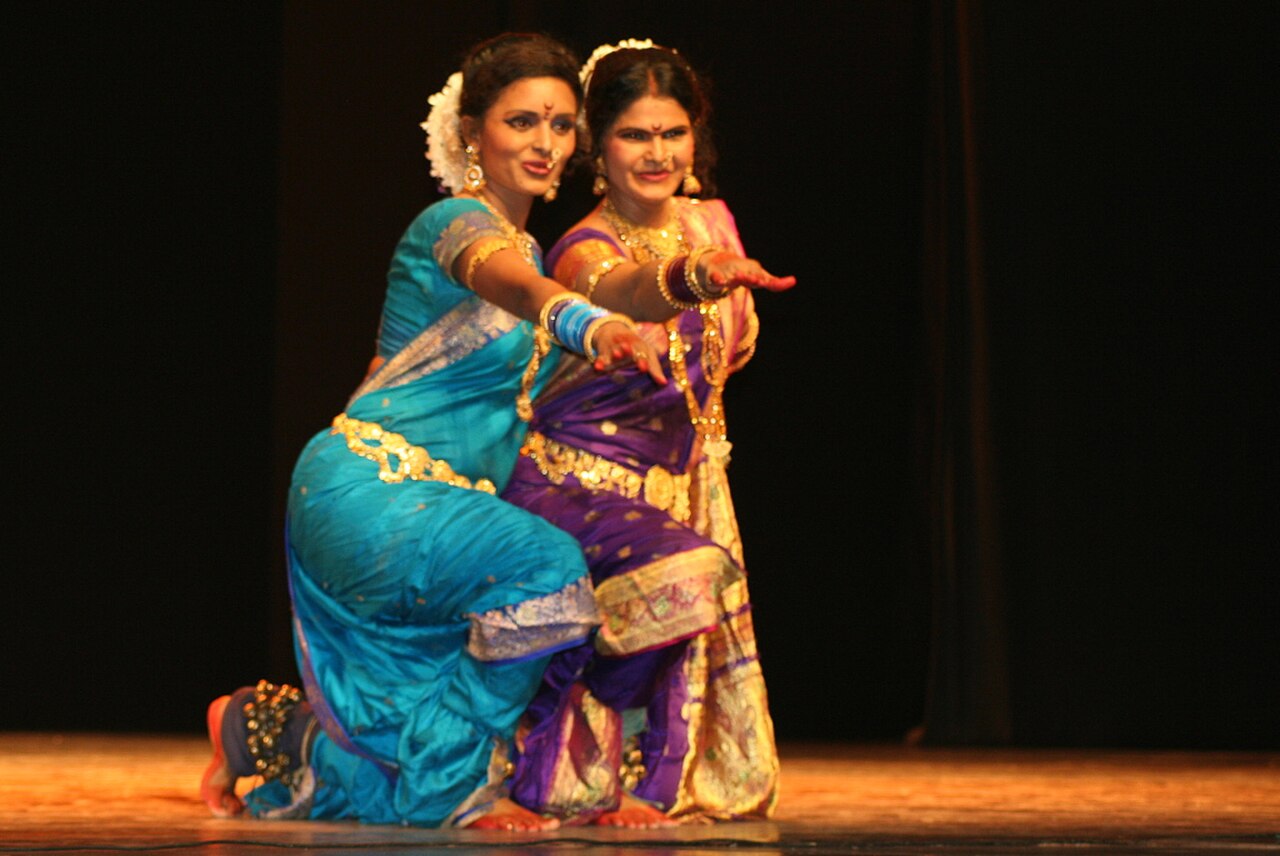
Tamil Film Music Emerges from the Theatersमद्रास में एक रिकॉर्डिंग सुविधा खोलने के साथ एक अप्रत्याशित खोज आई: तमिल संगीत, जो उत्तर भारतीय परंपराओं के समानांतर विकास कर रहा था लेकिन बड़े पैमाने पर अलेखित रहा, का एक विशाल अनुसरण था। मद्रास स्टूडियो, भारतीय प्रायद्वीप के दक्षिणी सिरे पर संचालित, अचानक संगीत प्रतिभा के एक गहरे कुआं तक पहुंच था। शास्त्रीय कर्नाटक संगीतकार जिन्होंने कभी रिकॉर्ड नहीं किया, क्षेत्रीय अनुसरण के साथ भक्तिपूर्ण गायक, और थिएटर संगीतकार जिनके गीत तमिल नाटकों के साथ थे—सभी स्टूडियो में एकत्रित हुए। 1909 की मद्रास रिकॉर्डिंग ने कुछ मूल्यवान कब्जा किया: संक्रमण में एक संगीत परंपरा। कर्नाटक शास्त्रीय संगीत, जो सदियों तक अपेक्षाकृत अपरिवर्तित रहा था, आधुनिकीकरण और उत्तर भारतीय संगीत रूपों के प्रभाव के जवाब में विकसित होने लगा। भक्तिपूर्ण संगीत, दक्षिण भारतीय मंदिरों के भजन और कीर्तन, फिल्म संस्कृति के अंतिम रूप से उन्हें बदलने से पहले उनके शुद्ध रूप में प्रलेखित किए जा रहे थे। जब एक तमिल थिएटर संगीतकार मद्रास स्टूडियो में प्रवेश करते थे और गीत रिकॉर्ड करते थे जो शास्त्रीय तत्वों को लोक मुहावरों और नाटकीय flair के साथ मिलाते थे, तो वह एक सांस्कृतिक क्षण को कैप्चर कर रहे थे—पूर्व-आधुनिक तमिल संगीत की आखिरी सांस, लेकिन यह भी इसके आधुनिक रूपांतरण की पहली सांस। मद्रास कार्यालय, शुरुआत में तमिल रिकॉर्ड्स की वाणिज्यिक व्यवहार्यता के बारे में संदेही, दक्षिण भारत भर में तमिल-भाषी दर्शकों की मांग से भीगे हुए खुद को पाया।
अंग्रेज़ी में पढ़ें · Read in English
The opening of a recording facility in Madras brought with it an unexpected discovery: Tamil music, which had been developing in parallel to North Indian traditions but remained largely undocumented, had an enormous following. The Madras studio, operating at the southern tip of the Indian peninsula, suddenly had access to a deep well of musical talent. Classical Carnatic musicians who had never recorded, devotional singers with regional followings, and theater musicians whose songs accompanied Tamil plays—all converged on the studio. The Madras recordings of 1909 captured something precious: a musical tradition in transition. Carnatic classical music, which had remained relatively unchanged for centuries, was beginning to evolve in response to modernization and the influence of North Indian musical forms. Devotional music, the Bhajans and Kirtans of South Indian temples, were being documented in their pure form before film culture would eventually transform them. When a Tamil theater musician entered the Madras studio and recorded songs that mixed classical elements with folk idioms and theatrical flair, they were capturing a cultural moment—the last gasp of pre-modern Tamil music, but also the first breath of its modern transformation. The Madras office, initially skeptical about the commercial viability of Tamil records, found themselves overwhelmed with demand from Tamil-speaking audiences across South India.
ख़याल वर्चस्व को प्रतिस्पर्धा का सामना
The Khayal Hegemon Faces Competitionग्रामोफोन पर क्षेत्रीय संगीत का आगमन रिकॉर्डिंग उद्योग के स्थापित आदेश के लिए एक अप्रत्याशित संकट बनाया। ख़याल, जो पहले आठ वर्षों में भारतीय रिकॉर्डिंग पर हावी रहा था, अचानक स्टूडियो समय, प्रेसिंग क्षमता, खुदरा विक्रेताओं और उपभोक्ताओं के ध्यान के लिए प्रतिस्पर्धा करनी पड़ी। यह आवश्यक रूप से ख़याल की लोकप्रियता में गिरावट नहीं थी—अब्दुल करीम खान की 1909 की रिकॉर्डिंग मास्टरपीस थे जो दशकों तक शास्त्रीय संगीत को प्रभावित करेंगी। बल्कि, यह एक लोकतंत्रीकरण था। ग्रामोफोन, जो सबसे परिष्कृत, दरबार-आधारित, अभिजात्य संगीत परंपराओं के लिए एक बर्तन के रूप में शुरू हुआ था, भारत की सभी संगीत आवाज़ों के लिए एक माध्यम बन रहा था। कुछ पुरानी पीढ़ी के संगीतकार और समालोचक मानकों की इस स्पष्ट पतलीता पर रोते। क्या एक फिल्म गीत को उसी सुविधाओं में रिकॉर्ड किया जा सकता है जो एक बार केवल सबसे बड़े ख़याल मास्टर को सम्मानित करते थे? कैसे मराठी थिएटर संगीत टैगोर की रिकॉर्डिंग के साथ अलमारी की जगह पर कब्जा कर सकता है? लेकिन बाजार ने इन सौंदर्य भिन्नताओं का सम्मान नहीं किया। रिकॉर्ड बिक गए क्योंकि लोग चाहते थे। 1909 तक, ग्रामोफोन उद्योग को एक मौलिक सत्य स्वीकार करना पड़ा: भारत की संगीत संस्कृति परिष्कृत दरबार संगीत के साथ एक पिरामिड नहीं थी। यह अधिक एक बाग़ की तरह था—विविध, कार्बनिक, एक साथ कई दिशाओं में बढ़ रहा था। कंपनियां जो पूरे बाग को खेती करना सीखीं, केवल सबसे अच्छे भूखंडों को छिपाने के बजाय, अंततः समृद्ध होंगी।
अंग्रेज़ी में पढ़ें · Read in English
The arrival of regional music on the gramophone created an unexpected crisis for the recording industry's established order. Khayal, which had dominated Indian recording in the first eight years, suddenly had to compete for studio time, for pressing capacity, for the attention of retailers and consumers. This was not necessarily a decline in Khayal's popularity—Abdul Karim Khan's 1909 recordings were masterpieces that would influence classical music for decades. Rather, it was a democratization. The gramophone, which began as a vessel for the most refined, court-based, elite musical traditions, was becoming a medium for all of India's musical voices. Some old-guard musicians and critics lamented this apparent dilution of standards. How could a film song be recorded in the same facilities that once honored only the greatest Khayal masters? How could Marathi theater music occupy shelf space alongside recordings of Tagore? But the market did not honor these aesthetic distinctions. Records sold because people wanted them. By 1909, the gramophone industry had to accept a fundamental truth: India's musical culture was not a pyramid with refined court music at the apex. It was more like a garden—diverse, organic, growing in multiple directions simultaneously. The companies that learned to cultivate the entire garden, rather than hoarding the choicest plots, would ultimately thrive.
वह वर्ष क्षेत्रीय रिकॉर्डिंग राष्ट्रीय बन गई
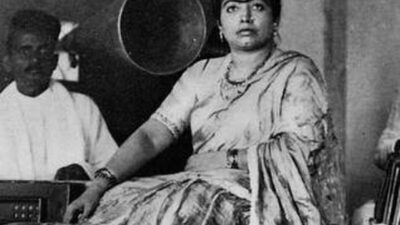
The Year Regional Recording Became National1909 के अंत तक, भारतीय रिकॉर्डिंग उद्योग एक शांत क्रांति से गुज़र गया था। यह अब एक कलकत्ता-केंद्रीय संचालन नहीं था जो उत्तर भारतीय दरबारी परंपराओं की सेवा करता था। यह एक वास्तविक पैन-भारतीय उद्यम बन गया था, पूरे उपमहाद्वीप की संगीत विविधता को दस्तावेज़ करता था। मुंबई में एक व्यापारी एक ही वितरक से मराठी रिकॉर्ड्स, तमिल रिकॉर्ड्स, गुजराती लोक गीत और ख़याल रिकॉर्ड्स का आदेश कर सकता था। मद्रास में एक मध्यम-वर्गीय परिवार गौहर जान की ठुमरियों की खोज कर सकता था। एक उत्तर भारतीय श्रोता दक्षिण भारतीय मंदिरों के भक्तिपूर्ण संगीत की खोज कर सकता था। ग्रामोफोन, जो अभिजात्य मंडलियों का एक विलासिता के रूप में शुरू हुआ था, राष्ट्रीय एकीकरण का एक साधन बन रहा था। राजनीतिक वक्तृता के माध्यम से नहीं, बल्कि उस साधारण कार्य के माध्यम से जो लोग गाते हैं उसे रिकॉर्ड करना, और उस संगीत को उन लोगों के लिए उपलब्ध कराना जो इसके लिए भूखे थे। वर्ष 1909 इस प्रकार एक विभाजन क्षण का प्रतिनिधित्व करता है: जब ग्रामोफोन अभिजात्य परंपराओं को संरक्षित करने के लिए एक वाहन से भारत की सामूहिक संगीत आवाज़ के एक लोकतांत्रिक संग्रह में बदल गया।
अंग्रेज़ी में पढ़ें · Read in English
By the end of 1909, the Indian recording industry had undergone a quiet revolution. It was no longer a Calcutta-centric operation serving North Indian court traditions. It had become a genuinely pan-Indian enterprise, documenting the musical diversity of the entire subcontinent. A merchant in Bombay could order Marathi records, Tamil records, Gujarati folk songs, and Khayal records from the same distributor. A middle-class family in Madras could explore the thumris of Gauhar Jaan. A North Indian listener could discover the devotional music of South Indian temples. The gramophone, which had begun as a luxury of elite circles, was becoming an instrument of national integration. Not through political rhetoric, but through the simple act of recording what people sang, and making that music available to those who hungered for it. The year 1909 thus represents a watershed moment: when the gramophone transformed from a vehicle for preserving elite traditions into a democratic archive of India's collective musical voice.
परिचय
IdentityEpithet
कैसे मराठी, तमिल और उत्तर भारतीय संगीत की रिकॉर्डिंग ने एक ही साल में उद्योग की पहुंच को रूपांतरित किया
How recordings of Marathi, Tamil, and North Indian music transformed the industry's reach in a single year
कहानी-नमूना
The Story Specimen| शीर्षक | बंगाल से परे: 1909 का क्षेत्रीय विस्फोट · Beyond Bengal: The Regional Explosion of 1909 |
|---|---|
| श्रेणी | Recording History |
| प्रकार | Narrative |
| पाठ-समय | ९ मिनट का पाठ |
| प्रकाशित | 31 March 2026 — admin |
| वर्ष | 1909 |
| टैग | regional music · Marathi Natya Sangeet · Tamil music · North Indian music · cultural diversity |
और कहानियाँ
More Stories from the Atlas
साझा कीजिए · Share this Plate