गीत विंग · गीत-पट्टिका · Song Plate
मेरे बचपन के साथी मुझे भूल ना जाना
Mere Bachpan Ke Saathi
नूरजहाँ की आवाज़ में वह निवेदन जो हर बड़े हुए इंसान के दिल में कभी न कभी उठता है: बचपन के साथी को बड़े होकर भूल मत जाना।
भावमीठा-कड़वा · उदास · पुरानी यादें
भाषाHindi · Urdu गतिMedium-Slow स्वरूपएकल महिला
श्रेय
The Creditsबोल · The Lyrics
बोल — झलक · Lyrics Preview
जुदाई में न रोना न तुम दिल घबराना
याद आएगी हमारी कभी कहीं पर
तो दिल को मेरे याद दिलाना
Judaai mein na rona na tum dil ghabraana
Yaad aayegi hamaari kabhi kahin par
To dil ko mere yaad dilaana
कॉपीराइट के कारण केवल झलक — पूरे बोल आधिकारिक मंचों पर।
शब्दकोश
Word Meaningsसूत्र-वाक्य · The Hook
सूत्र-वाक्य
नूरजहाँ की आवाज़ में वह निवेदन जो हर बड़े हुए इंसान के दिल में कभी न कभी उठता है: बचपन के साथी को बड़े होकर भूल मत जाना।
In EnglishNoor Jehan sings a plea that every adult has felt: don't let the friend of your childhood disappear into the forgetting that adulthood demands.
पट्टिका-लेख
The Monographपरिचय Overview
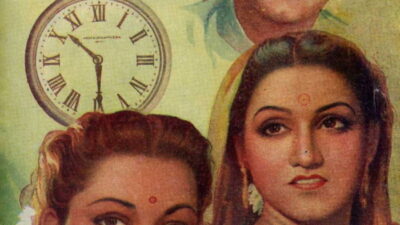
मेहबूब ख़ान की 1946 की सुपरहिट फ़िल्म 'अनमोल घड़ी' में नौशाद के संगीत और तनवीर नक़वी के बोलों के साथ नूरजहाँ की आवाज़ में 'मेरे बचपन के साथी' एक अलग ही जगह रखता है। फ़िल्म के दूसरे मशहूर गीत — 'आवाज़ दे कहाँ है' और 'जवाँ है मोहब्बत' — में रोमांस और जोश था, लेकिन यह गीत केवल एक विदाई है — दो बचपन के साथियों के बीच, एक निवेदन कि दूरी में भी याद रखना। नौशाद ने इसे पहाड़ी शैली में रचा जो लोरी की-सी आत्मीयता देती है। 'अनमोल घड़ी' 1946 की सबसे बड़ी व्यावसायिक सफलता थी और यह गीत उसके सबसे प्रिय नंबरों में था।
अंग्रेज़ी में पढ़ें · Read in English
From the 1946 super-hit Anmol Ghadi, directed by Mehboob Khan with music by Naushad and lyrics by Tanvir Naqvi, 'Mere Bachpan Ke Saathi' is Noor Jehan at her most vulnerably human. While the film's other famous songs — 'Aawaz De Kahan Hai' and 'Jawan Hai Mohabbat' — shimmer with romance or defiance, this song is simply a goodbye between childhood friends, a plea not to be forgotten. Naushad set it in the folk-classical Pahadi style, which gives it the intimacy of a lullaby or a folk tune remembered from childhood. Anmol Ghadi was the biggest box-office hit of 1946, and this song was among its most loved numbers.
संगीत The Music
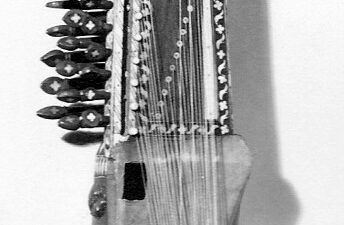
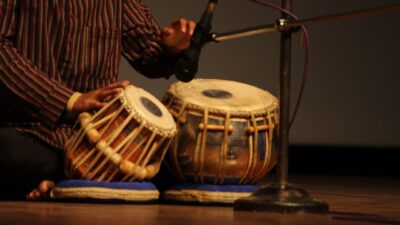
नौशाद ने इस गीत के लिए पहाड़ी राग चुना — वह राग जो उत्तर भारत की पहाड़ी लोक-धुनों से आता है और जिसमें एक उदास, खुला-खुला भाव है जो बचपन की स्मृति की मासूमियत से मेल खाता है। धुन में कोई अलंकरण नहीं, कोई जटिलता नहीं — जैसे स्मृति हो, जो सब कुछ छील कर केवल भावना रख देती है। नूरजहाँ की आवाज़ 1946 में अपने शीर्ष पर थी — उनके पास शास्त्रीय प्रशिक्षण था जो जटिल मुरकियाँ निकाल सकता था, लेकिन यहाँ उन्होंने वह सब छोड़ दिया और केवल सरल, सीधी आवाज़ से गाया। सारंगी अंतरों के बीच रोती है, और तबले की ताल धीमी और अविराम है।
अंग्रेज़ी में पढ़ें · Read in English
Naushad's choice of the Pahadi raga for this song is deeply considered — Pahadi, with its folk roots in the mountain regions of North India, has a wistful, open quality that suits the innocence of childhood memory. The melody is not ornamented; it is clean and direct, like memory itself stripped of artifice. Noor Jehan's voice in 1946 was at peak expressive range — she had the classical training for elaborate ornamentation but here uses almost none, letting the simplicity of the melody carry the emotion. The sarangi weeps between phrases, and the tabla keeps a gentle, unhurried beat. Naushad would later recall Noor Jehan as one of the two or three finest singers he ever worked with.
काव्य The Poetry
तनवीर नक़वी का यह गीत दार्शनिक रूप से सरल लेकिन भावनात्मक रूप से बेहद जटिल है। 'मेरे बचपन के साथी मुझे भूल ना जाना' — एक निवेदन है, माँग नहीं। 'जुदाई में न रोना' — इस दूसरी पंक्ति में एक निस्स्वार्थ करुणा है: जो बिछड़ रही है, वही उसे सांत्वना दे रही है जो पीछे छूट रहा है। 'याद दिलाना' में यह स्वीकृति है कि समय और दूरी स्मृति को भी मिटा सकते हैं — यहाँ तक कि बचपन के प्रिय साथी की भी।
अंग्रेज़ी में पढ़ें · Read in English
Tanvir Naqvi's lyric achieves something rare: a song that is philosophically simple but emotionally complex. 'Mere bachpan ke saathi mujhe bhool na jaana' — don't forget me, my childhood companion — is a plea, not a demand. The second line 'judaai mein na rona' (don't cry in our parting) adds a selfless dimension: the singer comforts the one being left behind even as she is the one departing. The recurring phrase 'yaad dilaana' (remind me, help me remember) acknowledges the treachery of memory itself — that even cherished friendships can be eroded by time and distance.
कहानी The Story
'अनमोल घड़ी' (1946) एक मील-पत्थर फ़िल्म थी — सुरेंद्र, नूरजहाँ और सुरैया का त्रिकोण, मेहबूब ख़ान का निर्देशन। यह 1946 की सर्वोच्च व्यावसायिक सफलता थी। फ़िल्म के सभी गीत तनवीर नक़वी ने लिखे — एक प्रगतिशील उर्दू शायर जो लोकप्रिय गाने में साहित्यिक गहराई लाते थे। 1947 में विभाजन के बाद तनवीर नक़वी पाकिस्तान चले गए — और नूरजहाँ भी। इस गीत के बिछड़न और 'भूल ना जाना' के भाव ने विभाजन के बाद एक नया, दर्दनाक अर्थ पा लिया जब लाखों लोग अपने अतीत से कट गए।
अंग्रेज़ी में पढ़ें · Read in English
Anmol Ghadi (1946) was a landmark film — a love triangle featuring Surendra, Noor Jehan and Suraiya under Mehboob Khan's direction. The film was the top-grossing Hindi film of 1946. Tanvir Naqvi, who wrote all the film's lyrics, was a progressive Urdu poet who brought literary weight to popular song. He was born in 1919 in British India and would later emigrate to Pakistan after Partition in 1947 — just as Noor Jehan herself would. The song's theme of parting and the plea not to be forgotten took on new resonance after Partition, when millions were severed from their pasts.
विरासत The Legacy
'मेरे बचपन के साथी' 'अनमोल घड़ी' के सबसे प्रिय गीतों में है — एक ऐसी फ़िल्म में जहाँ बाक़ी गीत रोमांटिक या विलापी हैं, यह गीत अपनी सादगी से अलग खड़ा है। नूरजहाँ के पूर्वदर्शन और नौशाद के प्रारंभिक संकलनों में यह नियमित रूप से शामिल होता है। विभाजन का आयाम — कि गीतकार और गायिका दोनों 1947 में पाकिस्तान चले गए — इस विदाई-गीत को ऐतिहासिक गहराई देता है। दोनों ओर के श्रोताओं के लिए यह गीत एक असली आलविदा की तरह है।
अंग्रेज़ी में पढ़ें · Read in English
'Mere Bachpan Ke Saathi' has remained one of the most recognised songs from Anmol Ghadi, beloved for its simplicity in a film otherwise full of romantic and melancholic drama. It is frequently included in Noor Jehan retrospectives and in compilations of Naushad's early masterworks. The Partition dimension — that both lyricist and singer left India for Pakistan in 1947 — makes the song's farewell theme historically resonant. For listeners on both sides of the border, the song carries the weight of a genuine adieu.
वर्गीकरण
Classification- Tempo
- Medium-Slow
Genre
अन्य विवरण
More Details- Hindigeetmala.net — Anmol Ghadi (1946) song list
- Wikipedia — Anmol Ghadi (1946 film)
- Wikipedia — Noor Jehan
- Wikipedia — Tanvir Naqvi
- Wikipedia — Naushad
- Songs of Yore — Best songs of 1946
References
रोचक तथ्य
Margin Notesअनमोल घड़ी (1946) उस वर्ष की सबसे अधिक कमाई करने वाली हिंदी फिल्म थी, जिसने इसके सभी गीतों को 1946 की सबसे बड़ी व्यावसायिक सफलताओं में शुमार किया।
अंग्रेज़ी में पढ़ें · Read in English
Anmol Ghadi (1946) was the top-grossing Hindi film of the year, making all its songs the biggest commercial hits of 1946.
गीतकार तनवीर नक़वी का जन्म ब्रितानी भारत में 1919 में हुआ था और वे 1947 के विभाजन के बाद पाकिस्तान चले गए — उसी वर्ष जब नूरजहाँ भी पाकिस्तान गईं।
अंग्रेज़ी में पढ़ें · Read in English
Tanvir Naqvi, the lyricist, was born in British India in 1919 and emigrated to Pakistan after Partition in 1947 — the same year as Noor Jehan, who also moved to Pakistan.
नौशाद ने बाद में नूरजहाँ को उन बेहतरीन गायकों में गिना जिनके साथ उन्होंने काम किया, और उनकी न्यूनतम अलंकरण के साथ भाव व्यक्त करने की क्षमता की प्रशंसा की।
अंग्रेज़ी में पढ़ें · Read in English
Naushad later named Noor Jehan as one of the finest singers he ever worked with, citing her ability to convey emotion with minimal ornamentation.
गीत की विनती 'भूल न जाना' ने विभाजन के बाद एक अतिरिक्त अर्थ ग्रहण कर लिया, जब भारत के बँटवारे ने लाखों लोगों को उनके घरों और मित्रों से अलग कर दिया।
अंग्रेज़ी में पढ़ें · Read in English
The song's plea 'bhool na jaana' (don't forget me) took on an additional layer of meaning after Partition divided India and separated millions from their homes and friends.
अनमोल घड़ी के सभी 12 गीत तनवीर नक़वी द्वारा लिखे गए थे — एक ही गीतकार द्वारा पूरा साउंडट्रैक लिखे जाने का यह एक दुर्लभ उदाहरण है।
अंग्रेज़ी में पढ़ें · Read in English
All 12 songs in Anmol Ghadi were written by Tanvir Naqvi — a rare instance of a single lyricist writing the entire soundtrack.
नमूना-पट्टी
The Specimen Table| शीर्षक | मेरे बचपन के साथी मुझे भूल ना जाना · Mere Bachpan Ke Saathi |
|---|---|
| फ़िल्म | अनमोल घड़ी · 1946 |
| वर्ष · युग | 1946 — Pre-Independence |
| गायक | Noor Jehan |
| गीतकार | Tanveer Naqvi |
| संगीतकार | Naushad |
| स्वरूप | एकल महिला |
| गति | Medium-Slow |
| अवधि | c. 3:30 |
| भाषा | Hindi · Urdu |
| वाद्य | sarangi · tabla · harmonium · violin |
| भाव | मीठा-कड़वा · उदास · पुरानी यादें |
| लोकप्रियता | Very_popular |
| बोल-स्थिति | केवल झलक |
जुड़े हुए पन्ने
Connected Plates · The Graph Made Visibleअटलस में कोई पन्ना अकेला नहीं — इस गीत से जुड़े गीत, कलाकार, फ़िल्म, राग-ताल-विधा, सब यहाँ से खुलते हैं।
मिलते-जुलते गीत · Related Songs
कलाकार · The Artists
फ़िल्म · The Film
साझा कीजिए · Share this Plate
यह पन्ना आगे बढ़ाइए
रोमांटिक और विलापी गीतों से भरी फ़िल्म में वह साधारण विदाई, जो दो बचपन के साथियों के बीच है, सबसे ज़्यादा तोड़ती है।
In a film full of grand love songs, it is the simple farewell between two childhood friends that breaks you.
— Music critic (paraphrased)
सवाल-जवाब
Questions & Answers'मेरे बचपन के साथी' किसने गाया? · Who sang Mere Bachpan Ke Saathi?
यह गीत नूरजहाँ ने 1946 की फ़िल्म 'अनमोल घड़ी' के लिए गाया था। फ़िल्म के निर्देशक मेहबूब ख़ान थे, संगीत नौशाद का और बोल तनवीर नक़वी के।
The song was sung by Noor Jehan for the film Anmol Ghadi (1946), directed by Mehboob Khan. Music was by Naushad and lyrics by Tanvir Naqvi.
क्या 'मेरे बचपन के साथी' एक युगल गीत है? · Is Mere Bachpan Ke Saathi a duet?
नहीं, यह नूरजहाँ का एकल गीत है। गीत में पात्र एक साथी को संबोधित करती है, लेकिन गाने वाली केवल एक ही आवाज़ है — नूरजहाँ।
No, it is a solo female song sung entirely by Noor Jehan. While the character is addressing a friend (companion), the song itself is sung by one voice.
क्या नूरजहाँ 1946 के बाद भारत छोड़ गईं? · Did Noor Jehan leave India after 1946?
हाँ। 1947 में भारत के विभाजन के बाद नूरजहाँ पाकिस्तान चली गईं और उनका बंबई फ़िल्म करियर समाप्त हो गया। वे पाकिस्तान की सबसे सम्मानित गायिकाओं में से एक बनीं, लेकिन 'मेरे बचपन के साथी' जैसे गीत भारत में उनकी अमर धरोहर हैं।
Yes. Noor Jehan moved to Pakistan after the Partition of India in 1947, ending her Bombay film career. She became one of Pakistan's most celebrated singers, but songs like 'Mere Bachpan Ke Saathi' remain her enduring legacy in India.
जुड़ी हुई दुनिया
Explore ConnectionsRelated Songs · संबंधित गीत

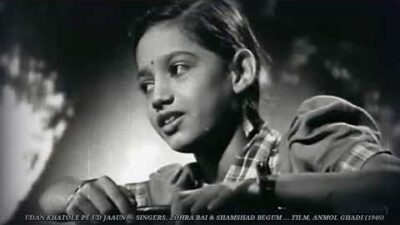
उड़न खटोले पे उड़ जाऊँ तेरे हाथ न आऊँ
Udan Khatole Pe Ud Jaoon