गीत विंग · गीत-पट्टिका · Song Plate
उड़न खटोले पे उड़ जाऊँ तेरे हाथ न आऊँ
Udan Khatole Pe Ud Jaoon
दो महिलाएँ एक काल्पनिक उड़न खटोले पर उड़ जाने की धमकी देती हैं — 1946 का सबसे खिलंदड़, आज़ाद-रूह गीत।
भावआनंदित · रहस्यमय · चुलबुला
भाषाHindi · Urdu गतिमध्यम स्वरूपमहिला युगल
श्रेय
The Creditsबोल · The Lyrics
बोल — झलक · Lyrics Preview
तेरे हाथ न आऊँ
दिल लेके बैठे हो मेरा
मैं कैसे तुम्हें भाऊँ
Tere haath na aaun
Dil leke baithe ho mera
Main kaise tumhein bhaaun
कॉपीराइट के कारण केवल झलक — पूरे बोल आधिकारिक मंचों पर।
शब्दकोश
Word Meaningsसूत्र-वाक्य · The Hook
सूत्र-वाक्य
दो महिलाएँ एक काल्पनिक उड़न खटोले पर उड़ जाने की धमकी देती हैं — 1946 का सबसे खिलंदड़, आज़ाद-रूह गीत।
In EnglishTwo women plan their escape on a mythical flying machine — the most jubilantly free-spirited song of 1946.
पट्टिका-लेख
The Monographपरिचय Overview
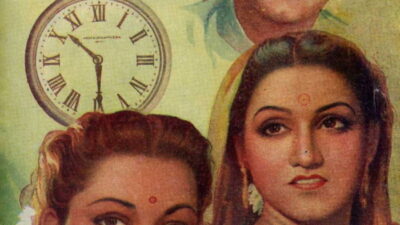
1946 की ऐतिहासिक फ़िल्म 'अनमोल घड़ी' का सबसे ऊर्जावान गीत — शमशाद बेगम और ज़ोहराबाई अम्बालेवाली के स्वरों में 'उड़न खटोले पे उड़ जाऊँ'। नौशाद ने तनवीर नक़वी के बोलों को एक लोक-प्रेरित दादरा-ताल में ढाला जिसमें एक नायिका की शरारत और स्वतंत्रता की भावना है। उड़न खटोले पर उड़ जाने की धमकी — प्रेमी की पकड़ से बाहर रहने की तड़प — हास्य-श्रृंगार का एक अनूठा मेल है। Songs of Yore के 1946 पूर्वदर्शन में इसे उस साल के श्रेष्ठ गीतों में शामिल किया गया।
अंग्रेज़ी में पढ़ें · Read in English
The most spirited song in the landmark 1946 film Anmol Ghadi, 'Udan Khatole Pe Ud Jaoon' is a joyful female duet sung by Shamshad Begum and Zohrabai Ambalawali — two of the era's most distinctive voices joining in a song of playful defiance. Composed by Naushad in a folk-inflected Dadra rhythm with lyrics by Tanvir Naqvi, the song features a woman threatening to fly away on a fantasy flying vehicle (udan khatola) to stay forever out of her suitor's reach. Songs of Yore's retrospective listed it among the best songs of 1946, calling attention to the unusual energy of the female duet format.
संगीत The Music
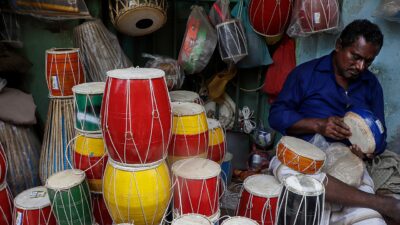
नौशाद ने इस गीत के लिए दादरा ताल चुना — छह मात्राओं की एक झूमती हुई लय जो शरारती, लोक-प्रेरित गीत के लिए स्वाभाविक विकल्प है। राग काफ़ी की शरारती, उत्सव-भरी प्रकृति इस गीत के भाव से पूरी तरह मेल खाती है। ढोलक की लोक-ध्वनि हारमोनियम और वायलिन के साथ मिलकर एक उत्सवी माहौल बनाती है। शमशाद बेगम की साफ़, ताक़तवर आवाज़ मुखड़े में प्रमुख है जबकि ज़ोहराबाई अम्बालेवाली की अलग पहचान वाली आवाज़ अंतरों में एक अनोखा रंग भरती है।
अंग्रेज़ी में पढ़ें · Read in English
Naushad chose a Dadra rhythm (6 beats, with a lilting swing) for this song — a natural choice for a playful, folk-influenced number. The Kafi raga's characteristic mood of playful defiance and festival spirit perfectly matches the content. The dholak adds a distinctly folk sound alongside the harmonium and violin. Shamshad Begum's strong, clear voice provides the primary thrust while Zohrabai Ambalawali's distinctive timbre adds contrast and texture in the antaras. Together they create a call-and-response dynamic that mimics two friends egging each other on in their rebellion.
काव्य The Poetry
तनवीर नक़वी की यह रचना हास्य-विद्रोह का एक उत्कृष्ट नमूना है। 'उड़न खटोला' उत्तर भारतीय लोककथाओं में एक जाना-पहचाना बिम्ब है — वह वाहन जो सांसारिक सीमाओं से परे ले जाए। यहाँ वह स्त्री-स्वतंत्रता का प्रतीक बनता है: नायिका उड़ जाने की धमकी देती है ताकि प्रेमी की पकड़ में न आए — हालाँकि वह उसका दिल पहले ही ले चुका है ('दिल लेके बैठे हो मेरा')। यही विरोधाभास — दिल तो है पास में लेकिन नायिका हाथ नहीं आएगी — इस गीत का केंद्रीय हास्य-विन्दु है।
अंग्रेज़ी में पढ़ें · Read in English
Tanvir Naqvi's lyric is a masterpiece of comic defiance. The 'udan khatola' (flying vehicle) was a well-known mythological image in North Indian folk tradition — the vehicle that could carry one beyond the reach of earthly constraints. Here it becomes a vehicle of female agency: the woman threatens to fly beyond reach rather than be caught by a suitor who has already stolen her heart ('dil leke baithe ho mera'). The paradox — he has her heart but cannot have her — is the song's central joke, delivered with the lightest of touches.
कहानी The Story
'अनमोल घड़ी' के निर्देशक मेहबूब ख़ान ने फ़िल्म के लिए एक असाधारण गायन-दल जुटाया था: नूरजहाँ, सुरेंद्र और सुरैया ने मुख्य पार्श्वगायन किया, जबकि शमशाद बेगम और ज़ोहराबाई अम्बालेवाली ने यह यादगार युगल दिया। 1946 तक शमशाद बेगम बंबई की सबसे मजबूत पार्श्वगायिकाओं में से एक बन चुकी थीं — साफ़ उच्चारण और लोक-शास्त्रीय बहुमुखिता के लिए जानी जाती थीं। ज़ोहराबाई अम्बालेवाली 1940 के दशक की शुरुआत से ही मशहूर नाम थीं। दोनों की जोड़ी ने एक ऐसा युगल दिया जो फ़िल्म के रोमांटिक गीतों से बिल्कुल अलग था।
अंग्रेज़ी में पढ़ें · Read in English
Anmol Ghadi's director Mehboob Khan assembled an extraordinary vocal cast for the film: Noor Jehan, Surendra and Suraiya handled the lead playback, while Shamshad Begum and Zohrabai Ambalawali provided this memorable supporting number. Shamshad Begum was already established as one of Bombay's finest playback voices by 1946, known for her clear diction and folk-classical versatility. Zohrabai Ambalawali had been a prominent name since the early 1940s. Together they created a duet that stood apart from the film's more romantic songs — an injection of joyful energy that made the film's musical tapestry richer.
विरासत The Legacy
'उड़न खटोले पे उड़ जाऊँ' स्वातंत्र्य-पूर्व युग के क्लासिक हास्य-श्रृंगार गीतों में से एक के रूप में याद किया जाता है — शमशाद बेगम के पूर्वदर्शन और 'अनमोल घड़ी' के संगीत-संकलनों में नियमित रूप से शामिल। 'उड़न खटोला' शब्द बाद के दशकों में किसी भी काल्पनिक उड़ान-वाहन के लिए एक मुहावरा बन गया। नौशाद की दादरा-आधारित रचना ने 1950 के दशक के हिंदी सिनेमा में 'खिलंदड़ी स्त्री' के गीतों को प्रभावित किया।
अंग्रेज़ी में पढ़ें · Read in English
'Udan Khatole Pe Ud Jaoon' is remembered as one of the classic comic-romantic songs of the pre-Independence era, frequently included in Shamshad Begum retrospectives and in compilations of Anmol Ghadi's music. The phrase 'udan khatola' became a common idiom for any fantastical escape vehicle in subsequent decades. Naushad's Dadra-based composition influenced the treatment of similar 'playful female defiance' songs in 1950s Hindi cinema.
वर्गीकरण
Classification- Tempo
- Medium
Genre
अन्य विवरण
More Details- Hindigeetmala.net — Anmol Ghadi (1946) song list
- Wikipedia — Anmol Ghadi (1946 film)
- Wikipedia — Shamshad Begum
- Wikipedia — Zohrabai Ambalawali
- Songs of Yore — Best songs of 1946
References
रोचक तथ्य
Margin Notesसॉन्ग्स ऑफ योर ने अपने पूर्वावलोकन विश्लेषण में विशेष रूप से 'उड़न खटोले पे उड़ जाऊँ' को 1946 के उल्लेखनीय महिला युगलगीतों में गिना।
अंग्रेज़ी में पढ़ें · Read in English
Songs of Yore specifically cited 'Udan Khatole Pe Ud Jaoon' among the notable female duets of 1946 in its retrospective analysis.
'उड़न खटोला' उत्तर भारतीय लोककथाओं में एक पारंपरिक पौराणिक उड़नयान था — यहाँ इसे स्त्री-पलायन के हास्यपूर्ण बिंब के रूप में पुनर्उपयोग किया गया।
अंग्रेज़ी में पढ़ें · Read in English
The 'udan khatola' was a traditional mythological flying vehicle in North Indian folklore — here repurposed as a comic image of female escape.
यह अनमोल घड़ी के उन गिने-चुने गीतों में से एक है जो तीनों मुख्य कलाकारों (नूरजहाँ, सुरेंद्र, सुरैया) द्वारा नहीं गाया गया — इसकी यादगार गुणवत्ता इसे एक सहायक गीत के दर्जे से ऊपर उठा देती है।
अंग्रेज़ी में पढ़ें · Read in English
This is one of the few songs in Anmol Ghadi not sung by the three leads (Noor Jehan, Surendra, Suraiya) — its memorable quality elevates it above the status of a supporting number.
शमशाद बेगम और ज़ोहराबाई अंबालावाली स्वतंत्रता-पूर्व हिंदी पार्श्वगायन की दो सबसे विशिष्ट आवाज़ों में से हैं — दोनों को एक साथ एक गीत में लाना एक असामान्य जोड़ी थी।
अंग्रेज़ी में पढ़ें · Read in English
Shamshad Begum and Zohrabai Ambalawali are two of the most distinctive voices of pre-Independence Hindi playback — having them together in one song was an unusual pairing.
नौशाद ने इस गीत के लिए दादरा ताल का उपयोग किया — एक अपेक्षाकृत हल्का, लयबद्ध छह-मात्रा का चक्र जो मुख्यधारा फिल्मी गीतों की बजाय ठुमरी और लोकसंगीत से अधिक जुड़ा है।
अंग्रेज़ी में पढ़ें · Read in English
Naushad used a Dadra rhythm for this song — a relatively light, swinging 6-beat cycle more associated with thumri and folk music than mainstream film songs.
नमूना-पट्टी
The Specimen Table| शीर्षक | उड़न खटोले पे उड़ जाऊँ तेरे हाथ न आऊँ · Udan Khatole Pe Ud Jaoon |
|---|---|
| फ़िल्म | अनमोल घड़ी · 1946 |
| वर्ष · युग | 1946 — Pre-Independence |
| गायक | Shamshad Begum, Zohrabai Ambalewali |
| गीतकार | Tanveer Naqvi |
| संगीतकार | Naushad |
| स्वरूप | महिला युगल |
| गति | मध्यम |
| अवधि | c. 3:00 |
| भाषा | Hindi · Urdu |
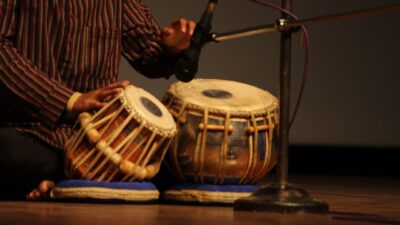
| वाद्य | tabla · harmonium · dholak · violin |
| भाव | आनंदित · रहस्यमय · चुलबुला |
| लोकप्रियता | Popular |
| बोल-स्थिति | केवल झलक |
जुड़े हुए पन्ने
Connected Plates · The Graph Made Visibleअटलस में कोई पन्ना अकेला नहीं — इस गीत से जुड़े गीत, कलाकार, फ़िल्म, राग-ताल-विधा, सब यहाँ से खुलते हैं।
मिलते-जुलते गीत · Related Songs
कलाकार · The Artists
फ़िल्म · The Film
साझा कीजिए · Share this Plate
यह पन्ना आगे बढ़ाइए
दो आवाज़ें, एक उड़न खटोला, और एक पूरे युग की स्त्री-स्वतंत्रता का स्वप्न — तीन मिनट में।
Two voices, one flying machine, and a whole era's fantasy of female freedom — in three minutes.
— Music critic (paraphrased)
सवाल-जवाब
Questions & Answers'उड़न खटोले पे उड़ जाऊँ' किसने गाया? · Who sang Udan Khatole Pe Ud Jaoon?
यह 'अनमोल घड़ी' (1946) के लिए शमशाद बेगम और ज़ोहराबाई अम्बालेवाली का युगल गीत था। संगीत नौशाद का और बोल तनवीर नक़वी के।
It was a duet sung by Shamshad Begum and Zohrabai Ambalawali for the film Anmol Ghadi (1946). Music was by Naushad and lyrics by Tanvir Naqvi.
'उड़न खटोला' क्या होता है? · What is an 'udan khatola'?
'उड़न खटोला' का शाब्दिक अर्थ है 'उड़ने वाला खाट/पलंग' — उत्तर भारतीय लोककथाओं का एक पौराणिक उड़ने वाला वाहन। इस गीत में यह स्त्री-स्वतंत्रता का प्रतीक बन जाता है: किसी की पकड़ से बाहर उड़ जाने की क्षमता।
Udan khatola literally means 'flying cot/bed' — a mythological flying vehicle from North Indian folklore that could carry people through the sky. In this song it becomes a symbol of female freedom: the ability to fly beyond anyone's reach.