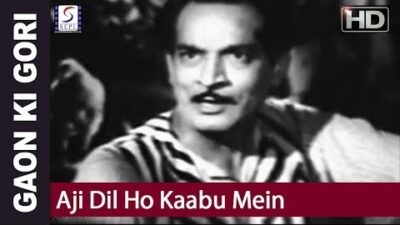
अजी दिल हो क़ाबू में तो दिलदार की ऐसी तैसी
Aji Dil Ho Kaabu Mein To Dildar Ki Aisi Taisi

सिनेमा विंग · फ़िल्म-पट्टिका · Film Plate
Gaon Ki Gori
शैलीRomance · Drama · Rural
भाषाhindi प्रकारकथा-चित्र (फ़ीचर)
गीत12 — नीचे पूरी संगीत-सूची
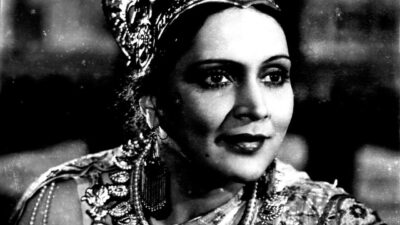
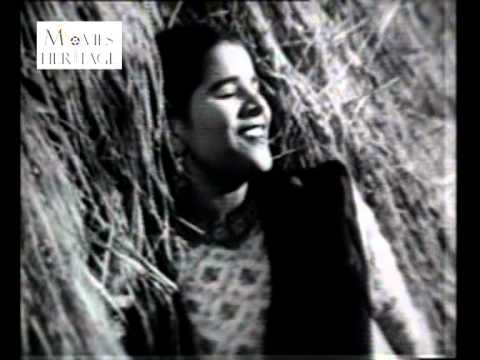
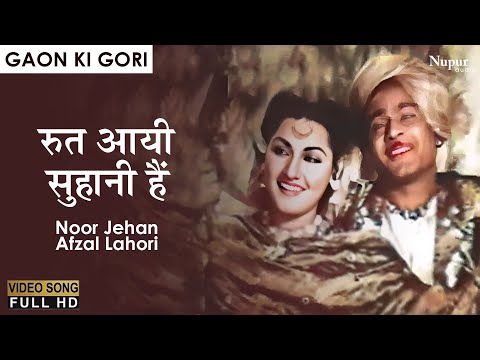
'गाँव की गोरी' — अंग्रेज़ी सूचियों में 'विलेज गर्ल' — पंजाब के देहात में बसी एक ग्रामीण प्रेम-कथा है। अपरस्टॉल की समीक्षा, जो बची हुई प्रिंट पर आधारित है, जानी नाम के गाँव के एक शरारती युवक का वर्णन करती है, जिसे नज़ीर ने निभाया; वह पड़ोसी गाँव की बिल्लो — शीर्षक भूमिका में नूर जहाँ — के पीछे पड़ता है। उनके प्रेम में खलनायक हरि बाधा बनता है, जो जानी पर हत्या का झूठा आरोप तक लगवा देता है। जानी द्वितीय विश्वयुद्ध के दौरान ब्रिटिश भारतीय सेना में भर्ती हो जाता है और नायक बनकर लौटता है, पर पाता है कि बिल्लो का ब्याह हरि से तय हो चुका है। गुत्थी तब सुलझती है जब यह खुलता है कि हरि ने गाँव की एक और लड़की को गर्भवती कर दिया है और उसे उसी से विवाह करना पड़ता है — इस तरह जानी और बिल्लो का मिलन संभव होता है। दुर्गा खोटे जानी की माँ की भूमिका में हैं और जगदीश सेठी गाँव के पुरोहित के रूप में। इसी ढाँचे पर फ़िल्म अपने फ़सल-दृश्य और वली साहब के वे बारह गीत टाँगती है जिन्होंने इसके संगीत को उस वर्ष के सर्वाधिक प्रचलित संकलनों में पहुँचाया। अपरस्टॉल में सूचीबद्ध प्रिंट अधूरी है और लगभग नब्बे मिनट की है।
Gaon Ki Gori, released in English-language listings as Village Girl, is a rural romance set in the Punjab countryside. Upperstall's review of the surviving print describes Jaani, a village mischief-maker played by Nazir, who pursues Billo — Noor Jehan in the title role — from a neighbouring village. Their courtship is obstructed by the antagonist Hari, whose interference extends to a false murder charge laid against Jaani. Jaani enlists in the British Indian army during the Second World War and returns a decorated hero, only to find Billo promised to Hari. The knot is cut when it emerges that Hari has made another village girl pregnant and is compelled to marry her, leaving Jaani and Billo free to reunite. Durga Khote appears as Jaani's mother and Jagdish Sethi as the village priest. Around this spine the film hangs its harvest sequences and the twelve Wali Saheb songs that made its soundtrack one of the most widely circulated of the year. The print catalogued by Upperstall is incomplete and runs about ninety minutes.
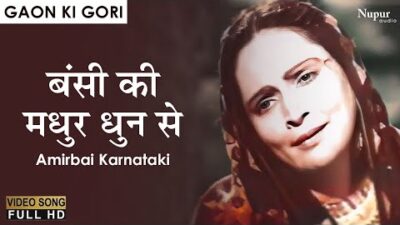
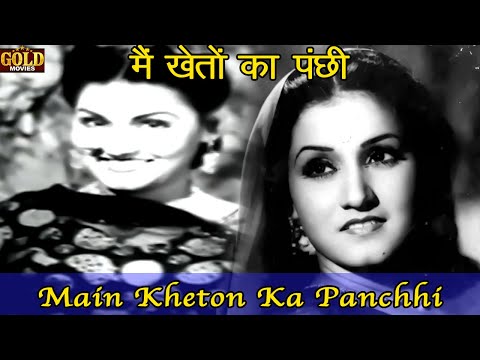
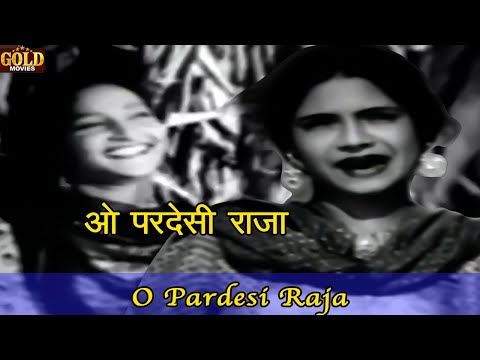
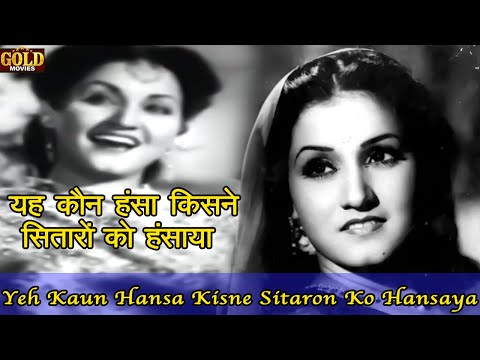
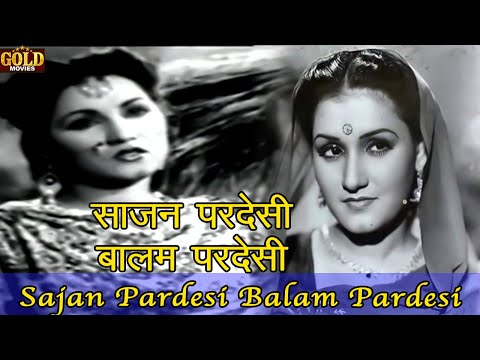
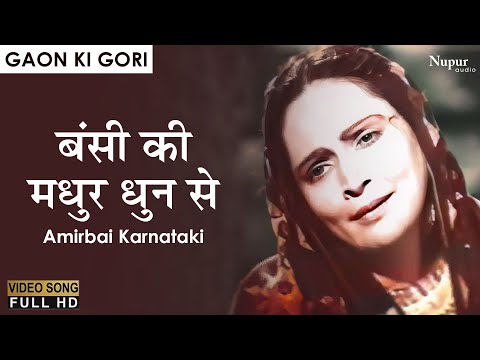
बारह गीत, सभी वली साहब के लिखे और श्याम सुंदर के स्वरबद्ध किए। एक देहाती फ़िल्म के लिए यह संकलन असामान्य रूप से विविध है: नूर जहाँ के छह गीत — लोक-विलाप 'साजन परदेसी बलम परदेसी' से लेकर ग़ज़ल-सी 'किस तरह भूलेगा दिल उनका' तक; अमीरबाई कर्नाटकी के तीन गीत, जिनमें भजन-रंगा 'बंसी की मधुर धुन से' शामिल है; और जी.एम. दुर्रानी के नेतृत्व में दो पुरुष गीत — मार्चिंग देशभक्ति गीत 'हिंदुस्तान की ख़ातिर हम जान लड़ा देंगे' और वह क़व्वाली-नुमा युगल गीत जिसमें मोहम्मद रफ़ी की आवाज़ है। बारहवें गीत 'छल्ला दे जा बलम' के लिए कोई गायक प्रलेखित नहीं है। श्याम सुंदर — लाहौर में तैयार हुए संगीतकार, जो अपने बंबइया समकालीनों से अधिक सादे, अधिक पंजाबी-लोक मुहावरे में काम करते थे — ने वाद्य-सज्जा हल्की रखी, ताकि धुन और गायक का उच्चारण ही गीत को उठाए।
Twelve songs, all written by Wali Saheb and composed by Shyam Sundar. The album is unusually varied for a village picture: six Noor Jehan numbers that range from the folk lament 'Sajan Pardesi Balam Pardesi' to the near-ghazal 'Kis Tarah Bhoolega Dil Unka'; three Amirbai Karnataki songs including the bhajan-shaded 'Bansi Ki Madhur Dhun Se'; and two male numbers led by G. M. Durrani — the marching patriotic 'Hindustan Ki Khatir Hum Jaan Lada Denge' and the qawwali-shaped duet with chorus in which Mohammed Rafi appears. No singer is documented for the twelfth title, 'Chhalla De Ja Balam'. Shyam Sundar, a Lahore-trained composer who worked in a plainer, more Punjabi-folk idiom than his Bombay contemporaries, kept the orchestration light so that the melodic line and the singer's diction carry the song.


कहानी ख़ुद के. अमरनाथ ने लिखी; संवाद सफ़दर फ़ैज़पुरी के थे, छायांकन एल.एन. वर्मा का और संपादन बी.के. मिस्त्री का। अपरस्टॉल पर समीक्षित बची हुई प्रिंट अधूरी है और लगभग नब्बे मिनट चलती है, और फ़िल्म बंबई निर्माण की उसी विभाजन-पूर्व पंजाबी-देहाती धारा में बैठती है जिससे श्याम सुंदर, वली साहब और नज़ीर तीनों निकले थे। निर्माता के श्रेय पर सूचियाँ एकमत नहीं: इंडियनसिने.मा के हवाले से 'वली साहब' का निर्माता-श्रेय उद्धृत किया जाता रहा है, जबकि विकिपीडिया और सूची-स्रोत रामनीक प्रोडक्शंस को बैनर बताते हैं। मोहम्मद रफ़ी का चयन श्याम सुंदर का किया हुआ था — संगीतकार ने इस युवा गायक को जी.एम. दुर्रानी के साथ पुरुष-युगल की जगह दी।
K. Amarnath wrote the story himself; the dialogue was by Safdar Faizpuri, the camera by L. N. Verma and the cutting by B. K. Mistry. The surviving print reviewed at Upperstall is incomplete and runs about ninety minutes, and the picture sits squarely in the pre-Partition Punjabi-rural strand of Bombay film-making that Shyam Sundar, Wali Saheb and Nazir all came out of. Listings differ on the producer credit: Indiancine.ma has been cited for a 'Walli Sahab' producer credit, while Wikipedia and the census listings give Ramneek Productions as the banner. The casting of Mohammed Rafi was Shyam Sundar's doing — the composer gave the young singer the male-duet slot beside G. M. Durrani.
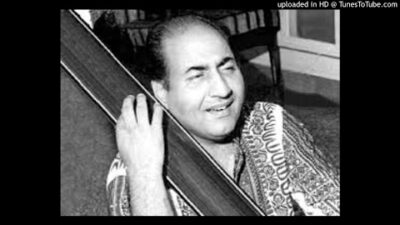
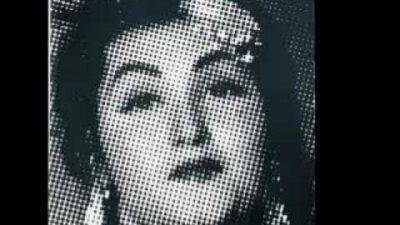
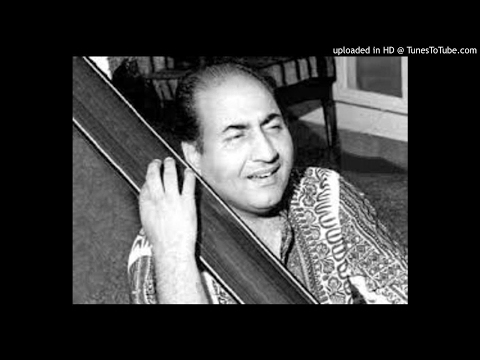
'गाँव की गोरी' 1945 की दूसरी सर्वाधिक कमाई करने वाली भारतीय फ़िल्म थी — उस वर्ष में जब हिंदी फ़िल्म निर्माण कच्चे स्टॉक की राशनिंग और सरकारी कोटे के कारण दशक के युद्धकालीन सबसे निचले बिंदु पर था। यह उन फ़िल्मों में भी है जो मोहम्मद रफ़ी की एक शुरुआती रिकॉर्डिंग सँजोए हुए हैं: श्याम सुंदर ने किशोर रफ़ी को स्थापित जी.एम. दुर्रानी के साथ 'अजी दिल हो क़ाबू में तो दिलदार की ऐसी तैसी' में गवाया। फ़िल्म पर विकिपीडिया का लेख इसे रफ़ी का दूसरा हिंदी फ़िल्मी गीत दर्ज करता है — पहला नौशाद की 'पहले आप' (1944) में — जबकि जी.एम. दुर्रानी पर विकिपीडिया की प्रविष्टि रिकॉर्डिंग सत्र को 1944 का बताती है; कौन-सा पहले कटा, इस पर स्रोत एकमत नहीं। नूर जहाँ के लिए यह फ़िल्म 1945 की उस असाधारण लय का हिस्सा है जब वे वर्ष की तीन सबसे बड़ी सफलताओं — 'ज़ीनत', 'गाँव की गोरी' और 'बड़ी माँ' — की नायिका थीं, और यही वह फ़िल्म है जिसने उन्हें वह लोक-रंगी सुर दिया जिसे समीक्षक आज भी उनकी उर्दू ग़ज़ल-गायकी के बराबर रखते हैं।
Gaon Ki Gori was the second highest-grossing Indian film of 1945, in a year whose Hindi output sat at the wartime trough of the decade under raw-stock rationing and a government production quota. It is also one of the films that carries an early Mohammed Rafi recording: Shyam Sundar cast the teenaged Rafi opposite the established G. M. Durrani in 'Aji Dil Ho Kaabu Mein To Dildar Ki Aisi Taisi'. Wikipedia's article on the film records this as Rafi's second Hindi film song, his first having been in Naushad's Pehle Aap (1944), while the Wikipedia entry on G. M. Durrani dates the recording session itself to 1944 — accounts differ on which was cut first. For Noor Jehan the film belongs to the extraordinary run of 1945 in which she led three of the year's biggest hits — Zeenat, Gaon Ki Gori and Badi Maa — and it is the film that gave her the folk-inflected register that critics still set beside her better-known Urdu ghazal singing.
चार साल बाद नज़ीर ने पाकिस्तान में इसी कहानी को 'फेरे' (1949) के नाम से दोबारा बनाया, जिसे विकिपीडिया रजत जयंती पूरी करने वाली पहली पाकिस्तानी फ़िल्म दर्ज करता है — लाहौर के पैलेस सिनेमा में पच्चीस हफ़्ते और कराची के ताजमहल सिनेमा में पाँच — यानी 'गाँव की गोरी' की कथा नई सरहद के दोनों ओर एक व्यावसायिक परंपरा की नींव बन गई। जब नूर जहाँ 1982 में भारतीय बोलती फ़िल्मों की स्वर्ण जयंती पर भारत आईं, तो सॉन्ग्स ऑफ़ योर के अनुसार उस अवसर पर उन्होंने जो गीत गाने के लिए चुने उनमें इसी फ़िल्म का 'बैठी हूँ तेरी याद का लेकर के सहारा' था। और मोहम्मद रफ़ी के जीवन-वृत्त में इस फ़िल्म की स्थायी जगह उनकी सबसे शुरुआती हिंदी फ़िल्मी रिकॉर्डिंग्स में से एक के स्रोत के रूप में है — एक देहाती फ़िल्म का हास्य-विद्रोही पुरुष युगल गीत, जिसे उस समय कोई महत्वपूर्ण नहीं मानता था।
Nazir remade the film in Pakistan four years later as Pheray (1949), which Wikipedia records as the first Pakistani picture to complete a silver jubilee — twenty-five weeks at Lahore's Palace Cinema and five at Karachi's Taj Mahal Cinema — so the Gaon Ki Gori story ended up founding a commercial tradition on both sides of the new border. When Noor Jehan visited India in 1982 for the Golden Jubilee celebrations of Indian talkies, Songs of Yore records that one of the songs she chose to sing on the occasion was 'Baithi Hun Teri Yaad Ka Lekar Ke Sahara' from this film. And the film has a permanent place in accounts of Mohammed Rafi's career as the source of one of his earliest Hindi film recordings — a comic-defiant male duet in a village picture that nobody at the time thought would matter.
| शीर्षक | गाँव की गोरी · Gaon Ki Gori |
|---|---|
| वर्ष · युग | 1945 — Pre Independence |
| निर्देशक | के. अमरनाथ · K. Amarnath |
| संगीत-निर्देशक | श्याम सुंदर · Shyam Sundar |
| गीतकार | वली साहब · Wali Saheb |
| कलाकार-मंडली | नूर जहाँ · Noor Jehan · दुर्गा खोटे · Durga Khote · नज़ीर · Nazir · प्रेम अदीब · Prem Adib · जगदीश सेठी · Jagdish Sethi · गीता निज़ामी · Geeta Nizami · अनंत मराठे · Anant Marathe · राजकुमारी शुक्ला · Rajkumari Shukla · बिक्रम कपूर · Bikram Kapoor · राजकुमारी कपूर · Rajkumari Kapoor |
| निर्माण-गृह | Ramnik Productions, Bombay |
| शैली | Romance · Drama · Rural |
| भाषा | hindi |
| प्रकार | कथा-चित्र (फ़ीचर) |
| अवधि | approx. 90 min (surviving print incomplete, per Upperstall) |
| गीत | 12 गीत — ऊपर पूरी संगीत-सूची |
अटलस में कोई पन्ना अकेला नहीं — 'गाँव की गोरी' से उसके गीत, कलाकार, राग और युग, सब जुड़े हैं।
साझा कीजिए · Share this Plate
Aji Dil Ho Kaabu Mein To Dildar Ki Aisi Taisi
Bansi Ki Madhur Dhun Se Mere Bhag Jaga De
Hindustan Ki Khatir Hum Jaan Lada Denge
Kis Tarah Bhoolega Dil Unka Khayal Aaya Hua