सिनेमा विंग · फ़िल्म-पट्टिका · Film Plate
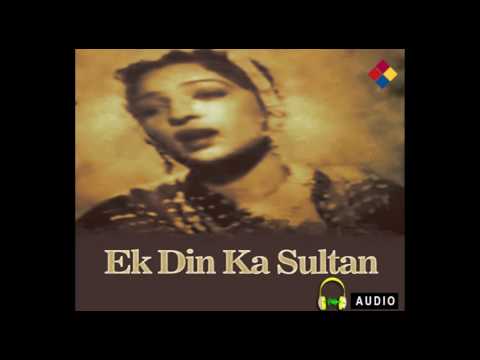
एक दिन का सुल्तान
Ek Din Ka Sultan
शैलीHistorical · Drama
भाषाhindi प्रकारकथा-चित्र (फ़ीचर)
गीत9 — नीचे पूरी संगीत-सूची
कथा-सार
Synopsis'एक दिन का सुल्तान' — यानी एक दिन का बादशाह — सोहराब मोदी की मिनर्वा मूवीटोन की 1945 की ऐतिहासिक फ़िल्म है, जिसकी कहानी आग़ा जानी कश्मीरी ने लिखी — वही लेखक जिन्होंने इससे दो साल पहले बॉम्बे टॉकीज़ को रिकॉर्ड तोड़ 'किस्मत' (1943) दी थी। उपलब्ध विवरण इसे केवल 'हुमायूँ के शासनकाल की एक छोटी-सी घटना' पर टिका 'लघु ऐतिहासिक' बताते हैं, और शीर्षक साफ़ इशारा करता है कि वह घटना कौन-सी है: 1539 में चौसा में शेरशाह सूरी से हारकर भागते हुए हुमायूँ जब उफनती गंगा में बहने को थे, तब निज़ाम नाम के एक भिश्ती ने अपनी मशक फुलाकर बादशाह को पार उतारा — और बदले में उसे एक दिन के लिए तख़्त मिला, जिस दिन उसने अपनी मशक काटकर चमड़े के सिक्के ढलवाए और चलाए। मोदी ने फ़िल्म का निर्माण और निर्देशन किया, स्वयं अभिनय भी किया, और महताब को — जिन्होंने पिछले ही बरस उनकी 'परख' (1944) से अभिनय की शुरुआत की थी — वस्ती, सादिक़ अली, प्रतिमा देवी और ग़ुलाम मोहम्मद के साथ पेश किया; कैमरा वाई. डी. सरपोतदार का था। 147 मिनट की यह श्वेत-श्याम फ़िल्म 'सिकंदर' (1941) और 'पृथ्वी वल्लभ' (1943) जैसे मिनर्वा के भव्य ऐतिहासिकों से जान-बूझकर छोटी थी, फिर भी फ़िल्म इतिहासकार अमृत गंगार लिखते हैं कि इसे 'सुनिर्देशित' और 'कुछ सुंदर प्रोडक्शन वैल्यूज़' वाली फ़िल्म माना गया।
अंग्रेज़ी में पढ़ें · Read in English
Ek Din Ka Sultan — “King for a Day” — is Sohrab Modi's Minerva Movietone historical of 1945, written by Agha Jani Kashmiri, the screenwriter who had just given Bombay Talkies its record-breaking Kismet (1943). Surviving accounts describe it only as a “minor historical” built on “a small incident from the time of Emperor Humayun's reign”, and the title points unmistakably at which incident: after Sher Shah Suri routed Humayun at Chausa in 1539 and the emperor was nearly carried off by the flooded Ganga, a bhishti (water-carrier) named Nizam inflated his goatskin mashak and floated him to safety, and was rewarded with the imperial throne for a single day — during which, the accounts say, he cut his water-skin into discs and issued them as stamped leather coin. Modi produced and directed the film and appeared in it himself, casting Mehtab — who had made her acting debut for him the previous year in Parakh (1944) — alongside Wasti, Sadiq Ali, Pratima Devi and Ghulam Mohammed, with Y. D. Sarpotdar behind the camera. At 147 minutes in black-and-white it was a deliberately smaller canvas than the Minerva spectacles that preceded it, Sikandar (1941) and Prithvi Vallabh (1943), but the film historian Amrit Gangar records that it was received as “well-directed”, with “some beautiful production values”.
संगीत-सूची
The Soundtrackनौ दर्ज गीत साफ़-साफ़ तीन हिस्सों में बँटे हैं। दत्ताराम वी. गडकर के पास 'मेरी बनरी की गोद हरी', 'हो हो ख़्वाजा अजमेरी' और 'सज़ा नसीब ने दे दी नज़र मिलाने की'; रफ़ीक़ ग़ज़नवी के पास 'किसी के कूचे में गर्दन कटाने जाते हैं', 'ग़रीबों की दुनिया जहाँ से निराली' और कोरस गीत 'हम बहिश्त के मालिक'; शांति कुमार देसाई के पास 'उनसे जो साहब सलामत हो गई', 'दुनिया है एक कहानी' और 'फ़लक के चाँद का हमने जवाब देख लिया'। नौ के नौ बोल वली साहब के लिखे हैं। रंगों का यह फैलाव विषय से मेल खाता है: बन्ना–बनरी परंपरा का विवाह-आशीर्वाद लोकगीत, अजमेर के ख़्वाजा मोइनुद्दीन चिश्ती को संबोधित एक चिश्ती भक्ति-रचना — उसी दरगाह में इतिहास का निज़ाम भिश्ती किसी बेनाम क़ब्र में दफ़्न बताया जाता है — जी. एम. दुर्रानी के लिए उर्दू ग़ज़ल-अंदाज़ के एकल, और एक कोरस जिसका शीर्षक 'बहिश्त' यानी जन्नत पर टिका है — वही शब्द जिससे 'बहिश्ती'/'भिश्ती', यानी पानी ढोने वाला, अपना नाम पाता है। अमीरबाई कर्नाटकी तीन गीतों पर दर्ज हैं, ज़ोहराबाई अम्बालेवाली दो पर और जी. एम. दुर्रानी दो पर; एक गीत कोरस के नाम है और एक का गायक किसी भी देखे गए स्रोत में दर्ज नहीं है।
अंग्रेज़ी में पढ़ें · Read in English
The nine documented songs split cleanly three ways. Dattaram V. Gadkar took “Meri Banri Ki God Hari”, “Ho Ho Khwaja Ajmeri” and “Saza Naseeb Ne De Di Nazar Milane Ki”; Rafiq Ghaznavi took “Kisi Ke Kooche Mein Gardan Kataane Jaate Hain”, “Garibon Ki Duniya Jahan Se Nirali” and the chorus piece “Hum Bahisht Ke Maalik”; Shanti Kumar Desai took “Unse Jo Sahab Salamat Ho Gayi”, “Duniya Hai Ek Kahani” and “Falak Ke Chand Ka Hamne Jawab Dekh Liya”. Wali Saheb wrote all nine. The spread of registers matches the subject: a banna–banri wedding-blessing folk song, a Chishti devotional addressed to Khwaja Moinuddin of Ajmer — the shrine where the historical Nizam bhishti is said to lie in an unmarked grave — Urdu ghazal-manner solos for G. M. Durrani, and a chorus number whose title turns on bahisht, “paradise”, the same word from which bahishti / bhishti, the water-carrier, takes his name. Amirbai Karnataki is documented on three numbers, Zohrabai Ambalewali on two and G. M. Durrani on two; one song is credited to a chorus and one has no singer recorded in any source consulted.
- मेरी बनरी की गोद हरी Meri Banri Ki God Hari

- हो हो ख़्वाजा अजमेरी Ho Ho Khwaja Ajmeri
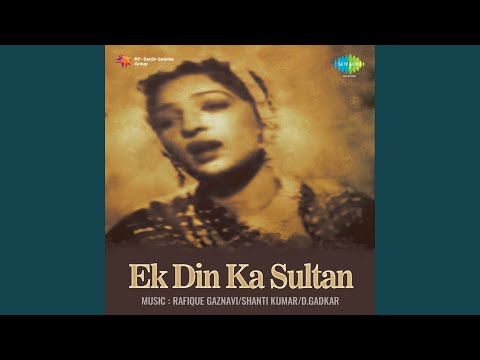
- सज़ा नसीब ने दे दी नज़र मिलाने की Saza Naseeb Ne De Di Nazar Milane Ki स्वर: Amirbai Karnataki
- किसी के कूचे में गर्दन कटाने जाते हैं Kisi Ke Kooche Mein Gardan Kataane Jaate Hain

- ग़रीबों की दुनिया जहाँ से निराली Garibon Ki Duniya Jahan Se Nirali स्वर: Amirbai Karnataki

- हम बहिश्त के मालिक Hum Bahisht Ke Maalik

- उनसे जो साहब सलामत हो गई Unse Jo Sahab Salamat Ho Gayi स्वर: Amirbai Karnataki
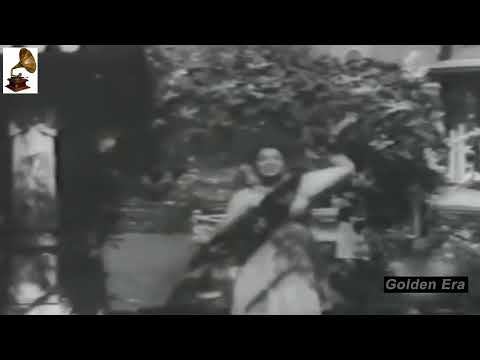
- दुनिया है एक कहानी Duniya Hai Ek Kahani

- फ़लक के चाँद का हमने जवाब देख लिया Falak Ke Chand Ka Hamne Jawab Dekh Liya स्वर: G.M. Durrani
पट्टिका-लेख
The Monographपर्दे के पीछे Behind the Scenes
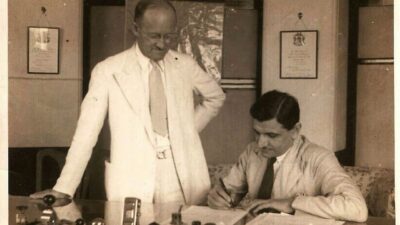
मिनर्वा मूवीटोन मोदी का अपना स्टूडियो था, जिसकी स्थापना उन्होंने 1936 में की थी, और 1945 तक वह बंबई का वह घराना बन चुका था जो उर्दू ऐतिहासिक नाटक से सबसे अधिक जुड़ा था। रफ़ीक़ ग़ज़नवी — जन्म 1907, रावलपिंडी; पटियाला घराने के उस्ताद आशिक़ अली और आसिफ़ अली से तालीम; और वही शख़्स जिन्हें जी. एम. दुर्रानी 'मेरे गुरु' कहते थे — मोदी की 'सिकंदर' (1941) का संगीत पहले ही दे चुके थे, सो यहाँ उनकी मौजूदगी नया अनुबंध नहीं, पुराना साथ थी; इस फ़िल्म में ग़ज़नवी के तीन में से एक गीत दुर्रानी ही गाते हैं। शांति कुमार देसाई, जन्म 1908, अमरेली, फ़िल्मों में हिज़ मास्टर्स वॉयस की ब्रॉडकास्टिंग की नौकरी से आए थे और पेशे से हारमोनियम-वादक थे; 1945 तक लगभग चालीस फ़िल्मों का संगीत उनके पीछे था। संगीत से जुड़ा चौथा नाम, वॉल्टर कॉफ़मैन, वह चेक-मूल के संगीतकार थे जिन्होंने ऑल इंडिया रेडियो की सिग्नेचर ट्यून रची और 1937 से 1946 तक एआईआर बंबई का संगीत विभाग सँभाला; उनकी अपनी फ़िल्मोग्राफ़ी में यह शीर्षक दर्ज है, जिससे लगता है कि उनका काम गीत-रचना नहीं बल्कि पार्श्व-संगीत या ऑर्केस्ट्रेशन रहा होगा — हालाँकि देखे गए किसी स्रोत में यह बँटवारा स्पष्ट नहीं है।
अंग्रेज़ी में पढ़ें · Read in English
Minerva Movietone was Modi's own studio, founded in 1936, and by 1945 it was the Bombay house most identified with Urdu-language historical drama. Rafiq Ghaznavi — born in Rawalpindi in 1907, trained by the Patiala gharana ustads Ashiq Ali and Asif Ali, and the man G. M. Durrani called “my guru” — had already scored Modi's Sikandar (1941), so his presence here was a continuing association rather than a new hire; Durrani sings one of Ghaznavi's three numbers in this film. Shanti Kumar Desai, born in Amreli in 1908, had come to films from a broadcasting job at His Master's Voice and was a harmonium player by trade; by 1945 he had roughly forty scores behind him. The fourth name attached to the music, Walter Kaufmann, was the Czech-born composer who wrote the All India Radio signature tune and ran music at AIR Bombay from 1937 to 1946; his own filmography lists this title, which suggests a background-score or orchestration role rather than song composition, though none of the sources consulted spells out the division of labour.
महत्व Significance
'एक दिन का सुल्तान' सोहराब मोदी के उस सिलसिले से जुड़ती है जो 'पुकार' (1939) ने खोला था — मुग़ल दरबार का वह क़िस्सा जिसमें एक आम प्रजा का दावा शाही सत्ता के सामने तौला जाता है — न कि उनके युद्ध-महाकाव्यों से। इसका संगीत-श्रेय उस दौर के हिसाब से भी असामान्य है: नौ गीत तीन-तीन के तीन बराबर हिस्सों में दत्ताराम वी. गडकर, रफ़ीक़ ग़ज़नवी और शांति कुमार देसाई के बीच बँटे हैं, और सारे बोल अकेले वली साहब के हैं; इसके अलावा वॉल्टर कॉफ़मैन — उस समय ऑल इंडिया रेडियो बंबई के संगीत निदेशक और एआईआर की सिग्नेचर ट्यून के रचयिता — का नाम भी फ़िल्म के संगीतकारों में दर्ज है। ग़ज़नवी 'सिकंदर' (1941) के बाद मिनर्वा लौट रहे थे, और मोदी ने जिन आवाज़ों को चुना — अमीरबाई कर्नाटकी, ज़ोहराबाई अम्बालेवाली और जी. एम. दुर्रानी — वे उस वक़्त बंबई की सबसे व्यस्त आवाज़ों में थीं। यह फ़िल्म मोदी–महताब की जोड़ी की शुरुआत का दस्तावेज़ भी है: महताब ने 'परख' (1944) से उनके साथ अभिनय शुरू किया और अप्रैल 1946 में उनसे विवाह किया।
अंग्रेज़ी में पढ़ें · Read in English
Ek Din Ka Sultan belongs to the strand of Sohrab Modi's work that Pukar (1939) opened — the Mughal-court anecdote in which an ordinary subject's claim is weighed against imperial power — rather than to his battlefield epics. Its music credits are unusual even for the period: nine songs divided into three equal blocks of three among Dattaram V. Gadkar, Rafiq Ghaznavi and Shanti Kumar Desai, all set to the words of a single lyricist, Wali Saheb, with Walter Kaufmann — then director of music at All India Radio, Bombay, and the composer of the AIR signature tune — additionally listed among the film's composers. Ghaznavi was returning to Minerva after scoring Sikandar (1941), and the voices Modi engaged (Amirbai Karnataki, Zohrabai Ambalewali and G. M. Durrani) were at that moment three of the busiest in Bombay. The film is also a document of the Modi–Mehtab partnership at its start: she had debuted for him in Parakh (1944) and married him in April 1946.
विरासत Legacy
'एक दिन का सुल्तान' सोहराब मोदी की सबसे कम देखी गई ऐतिहासिक फ़िल्मों में है। इसका कोई पुनर्संरक्षित प्रिंट प्रचलन में नहीं है, और आज इसका रिकॉर्ड मुख्यतः हिंदी फ़िल्म गीत कोश से निकली गीत-सूचियों, ओसियान्स के संग्रह में सुरक्षित गीत-कथासार पुस्तिका, और अमृत गंगार की मोदी-विषयक किताब के एक पैराग्राफ़ पर टिका है। मोदी यहाँ से 'मँझधार' (1947), फिर भारत की पहली टेक्नीकलर फ़िल्म 'झाँसी की रानी' (1953), और 'मिर्ज़ा ग़ालिब' (1954) तक गए, जिसे राष्ट्रपति का स्वर्ण पदक मिला; 1980 में उन्हें दादासाहेब फाल्के पुरस्कार मिला। शीर्षक के पीछे का क़िस्सा फ़िल्म से ज़्यादा जीया: 'एक दिन का सुल्तान' आज भी हिंदी-उर्दू का जीवित मुहावरा है — ऐसी सत्ता के लिए जो असली तो है पर उधार की और क्षणिक।
अंग्रेज़ी में पढ़ें · Read in English
Ek Din Ka Sultan is among the least-seen of Sohrab Modi's historicals. No restored print circulates, and the film's record now rests largely on Hindi Film Geet Kosh–derived song listings, an Osian's-archived song-and-synopsis booklet, and a paragraph in Amrit Gangar's study of Modi. Modi went on from here to Manjhdhar (1947), to Jhansi Ki Rani (1953), India's first Technicolor feature, and to Mirza Ghalib (1954), which won the President's Gold Medal; he received the Dadasaheb Phalke Award in 1980. The anecdote behind the title has outlasted the film itself: “ek din ka sultan” survives as a living Hindi-Urdu idiom for authority that is genuine but borrowed and brief.
नमूना-पट्टी
The Specimen Table| शीर्षक | एक दिन का सुल्तान · Ek Din Ka Sultan |
|---|---|
| वर्ष · युग | 1945 — Pre Independence |
| निर्देशक | सोहराब मोदी · Sohrab Modi |
| संगीत-निर्देशक | रफ़ीक़ ग़ज़नवी · Rafiq Ghaznavi · शांति कुमार देसाई · Shanti Kumar Desai · दत्ताराम वी. गडकर · Dattaram V. Gadkar |
| गीतकार | वली साहब · Wali Saheb |
| कलाकार-मंडली | सोहराब मोदी · Sohrab Modi · महताब · Mehtab · वस्ती · Wasti · सादिक़ अली · Sadiq Ali · ग़ुलाम मोहम्मद · Ghulam Mohammed · ए. शाह · A. Shah · प्रतिमा देवी · Pratima Devi · घोरी · Ghory · अमीर बानो · Amir Banu · शांतारिन · Shantarin |
| निर्माण-गृह | Minerva Movietone, Bombay |
| शैली | Historical · Drama |
| भाषा | hindi |
| प्रकार | कथा-चित्र (फ़ीचर) |
| गीत | 9 गीत — ऊपर पूरी संगीत-सूची |
जुड़े हुए पन्ने
Connected Plates · The Graph Made Visibleअटलस में कोई पन्ना अकेला नहीं — 'एक दिन का सुल्तान' से उसके गीत, कलाकार, राग और युग, सब जुड़े हैं।
इस फ़िल्म के गीत · Songs of this Film
कलाकार · Cast & Crew
युग · The Era
साझा कीजिए · Share this Plate
यह पन्ना आगे बढ़ाइए
जुड़ी हुई दुनिया
Explore ConnectionsSoundtrack · गीत (9)

फ़लक के चाँद का हमने जवाब देख लिया
Falak Ke Chand Ka Hamne Jawab Dekh Liya

ग़रीबों की दुनिया जहाँ से निराली
Garibon Ki Duniya Jahan Se Nirali
किसी के कूचे में गर्दन कटाने जाते हैं
Kisi Ke Kooche Mein Gardan Kataane Jaate Hain
— · Ek Din Ka Sultan

सज़ा नसीब ने दे दी नज़र मिलाने की
Saza Naseeb Ne De Di Nazar Milane Ki