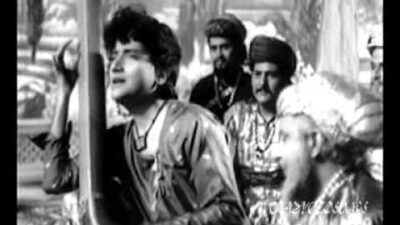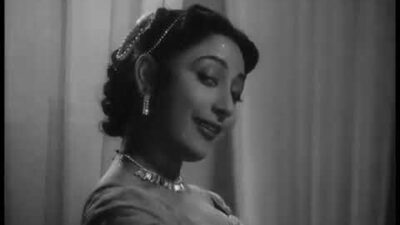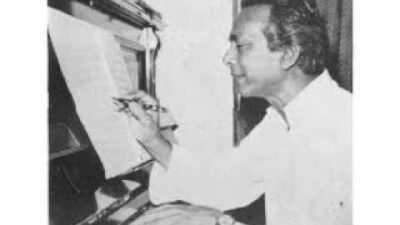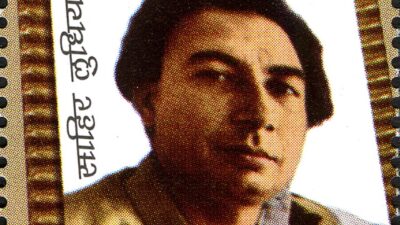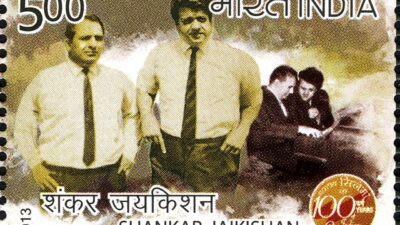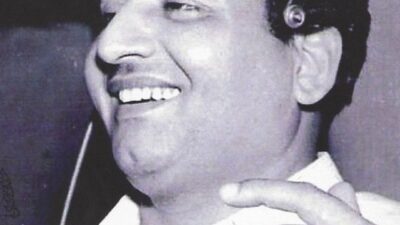
कलाकार विंग · कलाकार-पट्टिका · Artist Plate
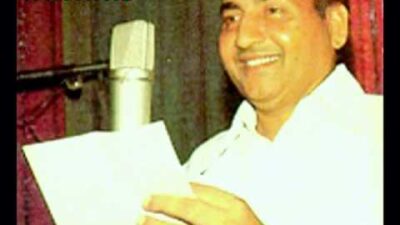
मोहम्मद रफ़ी
Mohammed Rafi
शहंशाह-ए-तरन्नुम
जन्म24 December 1924 — कोटला सुल्तान सिंह, पंजाब, ब्रिटिश भारत
निधन31 July 1980 — Bombay (Mumbai), Maharashtra, India
जीवन-पट्टी
The Life Specimen| नाम | मोहम्मद रफ़ी · Mohammed Rafi |
|---|---|
| उपनाम | शहंशाह-ए-तरन्नुम · फीको (बचपन का नाम) |
| जन्म | 24 December 1924 — कोटला सुल्तान सिंह, पंजाब, ब्रिटिश भारत · Kotla Sultan Singh, Punjab, British India |
| निधन | 31 July 1980 — Bombay (Mumbai), Maharashtra, India |
| भूमिकाएँ | गायक |
| सक्रिय वर्ष | 1944–1980 |
| युग | golden-era |
| राष्ट्रीयता | Indian |
| विधाएँ | फ़िल्मी · ग़ज़ल · क़व्वाली · भजन · शास्त्रीय · देशभक्ति · लोक |
| भाषाएँ | Hindi · Urdu · Punjabi · Bengali · Marathi · Telugu · Gujarati · Bhojpuri · English · Persian |
| पिता | हाजी अली मोहम्मद |
| जीवनसाथी | बिलक़ीस रफ़ी |
| बच्चे | शाहिद रफ़ी |
हस्ताक्षर-पंक्ति · The Signature
हस्ताक्षर-पंक्ति
शहंशाह-ए-तरन्नुम · फीको (बचपन का नाम)
In EnglishThe voice that could be saint and lover, clown and king in a single day's recordings — and the man so gentle they called him a farishta (angel) who sang.
पट्टिका-लेख
The Monographजीवनी Biography
मोहम्मद रफ़ी (24 दिसंबर 1924 – 31 जुलाई 1980) हिंदी सिनेमा के सबसे बहुआयामी पार्श्वगायक थे — एक ऐसी आवाज़ जिसके लिए कोई भाव, कोई शैली, कोई सप्तक असंभव नहीं था। पंजाब के कोटला सुल्तान सिंह गाँव में एक साधारण परिवार में जन्मे रफ़ी का संगीत-प्रेम लाहौर की गलियों में एक फ़कीर की आवाज़ की नक़ल से शुरू हुआ। बड़े भाई की नाई की दुकान पर काम करते हुए उन्होंने उस्ताद अब्दुल वहीद ख़ान, पंडित जीवन लाल मट्टू और फ़िरोज़ निज़ामी से बाक़ायदा शास्त्रीय तालीम ली। तेरह वर्ष की उम्र में लाहौर में के.एल. सहगल के एक कार्यक्रम में बिजली गुल होने पर नन्हे रफ़ी को मंच मिला — और वहीं से क़िस्मत ने रास्ता खोल दिया। 1944 में पंजाबी फ़िल्म 'गुल बलोच' से रिकॉर्डिंग की शुरुआत हुई; 1945 में 'गाँव की गोरी' से हिंदी सिनेमा में क़दम रखा। नौशाद की 'दुलारी' (1949) के 'सुहानी रात ढल चुकी' ने पहली बड़ी पहचान दी, और 'बैजू बावरा' (1952) के 'ओ दुनिया के रखवाले' ने सिद्ध कर दिया कि शास्त्रीय कठिनता भी इस आवाज़ के आगे झुकती है। इसके बाद ढाई दशक तक रफ़ी हर नायक की आवाज़ बने — दिलीप कुमार की गंभीरता, देव आनंद की रूमानियत, शम्मी कपूर का उन्माद ('या हू!'), जॉनी वॉकर की शरारत — सबको उन्होंने अलग-अलग स्वर-व्यक्तित्व दिया। 'चौदहवीं का चाँद हो' (1960) से पहला फ़िल्मफेयर मिला; कुल छह फ़िल्मफेयर और 'क्या हुआ तेरा वादा' (1977) के लिए राष्ट्रीय पुरस्कार। 1967 में भारत सरकार ने पद्म श्री से सम्मानित किया। ग़ज़ल, भजन, क़व्वाली, देशभक्ति गीत, लोरी, हास्य गीत — हर विधा में उन्होंने मानक रचे। 31 जुलाई 1980 को हृदयाघात से उनका आकस्मिक निधन हुआ; बंबई की मूसलाधार बारिश में हज़ारों लोग जनाज़े में उमड़ पड़े। आज भी हर नया गायक जब ऊँची तान या कोमल फुसफुसाहट साधता है, तो कसौटी एक ही है — रफ़ी साहब।
अंग्रेज़ी में पढ़ें · Read in English
Mohammed Rafi (24 December 1924 – 31 July 1980) was the most versatile playback singer Hindi cinema has ever known — a voice for which no emotion, no style, no octave was out of reach. Born into a modest family in the village of Kotla Sultan Singh in Punjab, Rafi's love of music began in the lanes of Lahore, imitating the call of a wandering fakir. While working at his elder brother's barber shop, he received formal classical training from Ustad Abdul Wahid Khan, Pandit Jiwan Lal Mattoo and Firoze Nizami. At thirteen, when a power failure interrupted a K.L. Saigal concert in Lahore, the young Rafi was put on stage to calm the crowd — and destiny opened its door.
His recording career began with the Punjabi film Gul Baloch (1944); he entered Hindi cinema with Gaon Ki Gori (1945) after moving to Bombay. Naushad's 'Suhani Raat Dhal Chuki' (Dulari, 1949) brought his first major recognition, and 'O Duniya Ke Rakhwale' from Baiju Bawra (1952) proved that even the most punishing classical passages bowed before this voice. For the next two and a half decades Rafi was the voice of every hero — Dilip Kumar's gravity, Dev Anand's romance, Shammi Kapoor's abandon ('Yahoo!'), Johnny Walker's mischief — giving each a distinct vocal personality.
'Chaudhvin Ka Chand Ho' (1960) won him his first Filmfare Award; he won six in all, plus the National Film Award for 'Kya Hua Tera Wada' (Hum Kisise Kum Naheen, 1977). The Government of India conferred the Padma Shri on him in 1967. Ghazal, bhajan, qawwali, patriotic anthem, lullaby, comic number — he set the standard in every form, recording several thousand songs across more than a dozen languages. Famously gentle and devout, he was known to sing for free for struggling producers. He died of a heart attack on 31 July 1980; tens of thousands walked in his funeral procession through torrential Bombay rain. To this day, when any new singer attempts a soaring high note or a feathered whisper, the measure remains the same — Rafi Sahab.
प्रारंभिक जीवन Early Life
रफ़ी का जन्म 24 दिसंबर 1924 को पंजाब में अमृतसर के पास कोटला सुल्तान सिंह गाँव में हुआ — हाजी अली मोहम्मद के छह बेटों में से एक। परिवार में संगीत की कोई परंपरा नहीं थी; 'फीको' नाम से पुकारा जाने वाला यह बालक गाँव की गलियों में गाते एक फ़कीर के पीछे-पीछे चलकर पहली बार सुर से प्रेम कर बैठा। लगभग 1935 में परिवार लाहौर आ गया, जहाँ बड़े भाई की नाई की दुकान थी और रफ़ी उसी में काम करते थे। बहनोई मोहम्मद हमीद ने बालक की प्रतिभा पहचानी और बाक़ायदा तालीम का इंतज़ाम किया — उस्ताद अब्दुल वहीद ख़ान, पंडित जीवन लाल मट्टू और फ़िरोज़ निज़ामी से उन्होंने हिंदुस्तानी शास्त्रीय संगीत सीखा। तेरह की उम्र में वह प्रसिद्ध मौक़ा आया: लाहौर के एक जलसे में बिजली गुल होने पर के.एल. सहगल ने गाने से इनकार कर दिया, और बेचैन भीड़ को सँभालने नन्हे रफ़ी को मंच पर भेजा गया। संगीतकार श्याम सुंदर की नज़र उन पर पड़ी, और 1944 तक रफ़ी पंजाबी फ़िल्म 'गुल बलोच' के लिए अपने पहले गीत रिकॉर्ड कर चुके थे।
अंग्रेज़ी में पढ़ें · Read in English
Rafi was born on 24 December 1924 in Kotla Sultan Singh, a village near Amritsar in Punjab, one of six sons of Hajji Ali Mohammad. The family had no musical tradition; the boy nicknamed 'Pheeko' first fell in love with melody by following a fakir who sang through the village lanes. Around 1935 the family moved to Lahore, where his elder brother ran a barber shop and Rafi worked in it. A brother-in-law, Mohammed Hameed, spotted the boy's gift and arranged formal training — with Ustad Abdul Wahid Khan, Pandit Jiwan Lal Mattoo and Firoze Nizami he learned Hindustani classical music. At thirteen came the legendary break: at a Lahore concert where K.L. Saigal refused to sing until power was restored, young Rafi was sent up to hold the restless crowd. Composer Shyam Sunder noticed him, and by 1944 Rafi had recorded his first songs for the Punjabi film Gul Baloch.
करियर Career
1944 में रफ़ी बंबई पहुँचे और 'गाँव की गोरी' (1945) के लिए पहला हिंदी फ़िल्मी गीत गाया। नौशाद उनके महान शिल्पकार बने: 'सुहानी रात ढल चुकी' (दुलारी, 1949) के बाद 'बैजू बावरा' (1952) ने रफ़ी को शास्त्रीय वज़न वाले फ़िल्मी गीतों का निर्विवाद उस्ताद बना दिया। 1950-60 के दशकों में युगांतकारी जोड़ियाँ बनीं — ओ.पी. नय्यर के साथ (जिनकी थिरकती अदा को रफ़ी ने 'तुमसा नहीं देखा' और 'कश्मीर की कली' में शम्मी कपूर का स्वर दिया), शंकर-जयकिशन के साथ ('जंगली' का 'याहू!', 'सूरज', 'ब्रह्मचारी'), मदन मोहन की ग़ज़लें, रवि का 'चौदहवीं का चाँद हो' (पहला फ़िल्मफेयर) और लक्ष्मीकांत-प्यारेलाल। वे एक ही हफ़्ते में भजन ('मन तड़पत हरि दर्शन को' — जिसे लिखा, संगीतबद्ध किया और गाया मुसलमानों ने), क़व्वाली, दर्द में डूबा नग़मा और जॉनी वॉकर का हास्य गीत रिकॉर्ड कर सकते थे। 'आराधना' (1969) के बाद किशोर कुमार की लहर ने कुछ समय उनका प्रभुत्व धुँधलाया, पर 'क्या हुआ तेरा वादा' (1977) ने राष्ट्रीय पुरस्कार और विजयी वापसी दिलाई। जुलाई 1980 में निधन से कुछ दिन पहले तक वे रिकॉर्ड करते रहे।
अंग्रेज़ी में पढ़ें · Read in English
Rafi reached Bombay in 1944 and sang his first Hindi film song for Gaon Ki Gori (1945). Naushad became his great architect: after 'Suhani Raat Dhal Chuki' (Dulari, 1949), Baiju Bawra (1952) made Rafi the undisputed master of classical-weight film song. Through the 1950s and 60s he formed defining partnerships — with O.P. Nayyar (whose rhythmic swagger Rafi voiced for Shammi Kapoor in Tumsa Nahin Dekha and Kashmir Ki Kali), with Shankar-Jaikishan (Junglee's 'Yahoo!', Suraj, Brahmachari), with Madan Mohan (ghazals like 'Yeh Duniya Yeh Mehfil'), with Ravi ('Chaudhvin Ka Chand Ho', his first Filmfare) and with Laxmikant-Pyarelal. He could record a bhajan ('Man Tarpat Hari Darshan Ko' — written, composed and sung by Muslims), a qawwali, a drunken lament and a comic Johnny Walker number in the same week. The Kishore Kumar wave after Aradhana (1969) briefly dimmed his dominance, but 'Kya Hua Tera Wada' (1977) won him the National Award and a triumphant last act. He recorded until days before his death in July 1980.
विरासत Legacy
31 जुलाई 1980 को रफ़ी के निधन ने बंबई को थाम दिया — मूसलाधार बारिश में हज़ारों-हज़ार लोग जनाज़े के साथ चले; शहर ने ऐसी विदाई कम ही देखी थी। उनकी विरासत पुरुष पार्श्वगायन का व्याकरण ही है: सधी हुई ऊँची तानें, भक्ति की फुसफुसाहट, ग़ज़ल का संयम और रॉक-एंड-रोल का उन्माद — बाद के गायकों ने ये सब तकनीकें उन्हीं के रिकॉर्ड्स से सीखीं। सोनू निगम, मोहम्मद अज़ीज़, शब्बीर कुमार और उदित नारायण ने उनकी छाया में करियर बनाए — और खुले मन से यह स्वीकारते हैं। उनके भजन आज भी मंदिरों में गूँजते हैं और नातें मस्जिदों में — एक मुसलमान गायक जिनका 'मन तड़पत हरि दर्शन को' अब तक के सबसे प्रिय हिंदू भक्ति गीतों में है; वे भारतीय धर्मनिरपेक्षता का सबसे सुरीला तर्क हैं। पद्म श्री (1967), छह फ़िल्मफेयर और राष्ट्रीय पुरस्कार भी कम पड़ते हैं: संगीतकारों की आम सहमति है कि हिंदी फ़िल्म संगीत को रफ़ी से अधिक संपूर्ण आवाज़ कभी नहीं मिली।
अंग्रेज़ी में पढ़ें · Read in English
Rafi's death on 31 July 1980 brought Bombay to a standstill — mourners in the tens of thousands followed his bier through monsoon rain, one of the largest funeral processions the city had seen. His legacy is the very grammar of male playback singing: the controlled falsetto leaps, the devotional hush, the ghazal's restraint and the rock-and-roll abandon are all techniques later singers learned from his records. Sonu Nigam, Mohammed Aziz, Shabbir Kumar and Udit Narayan built careers in his shadow and say so openly. His bhajans remain temple staples and his naats are sung in mosques — a Muslim singer whose 'Man Tarpat Hari Darshan Ko' is among the most beloved Hindu devotionals ever recorded, he remains Indian secularism's most melodious argument. Padma Shri (1967), six Filmfare awards and a National Award understate it: by common consent of musicians, Rafi is the most complete voice Hindi film music ever had.
गायन-शैली Musical Style
रफ़ी की गायकी में शास्त्रीय कठोर अनुशासन और अभिनेता-सी कल्पनाशीलता एक साथ बसते थे। उनकी पहुँच मख़मली धीमे स्वर से उन ऊँची, खनकती तानों तक थी जिन्हें वे बिना तनाव के साध लेते थे — 'ओ दुनिया के रखवाले' की चढ़ान आज भी गायकों की परीक्षा है। उनका विशिष्ट गुण था पात्र में उतर जाना: वे जिस अभिनेता के लिए गाते, उसका अध्ययन करते — स्वर-रंग, आघात, यहाँ तक कि हँसी भी बदल देते; शम्मी कपूर वाले रफ़ी और दिलीप कुमार वाले रफ़ी को पहचानना मुश्किल था। ग़ज़ल गायक की तरह वे ध्वनि का उतार-चढ़ाव साधते थे — पूरी आवाज़ में शुरू हुई पंक्ति पंख-सी हल्की होकर ख़त्म हो सकती थी — और शास्त्रीय तालीम तीन मिनट के फ़िल्मी गीत में भी जटिल तानें पिरो देती थी। और सबसे ऊपर वह प्रसिद्ध 'आवाज़ में मुस्कान': खुले गले की वह गर्माहट जो दुःख को भी दिलासा बना देती थी।
अंग्रेज़ी में पढ़ें · Read in English
Rafi's instrument combined classical rigour with an actor's imagination. His range ran from a velvet baritone whisper to ringing high notes he could hold without strain — 'O Duniya Ke Rakhwale' famously climbs to punishing heights while staying rounded in tone. His signature gift was character transference: he studied the actor he sang for, adjusting timbre, attack and even laughter so that Shammi Kapoor's Rafi was unrecognisable from Dilip Kumar's Rafi. He shaded dynamics like a ghazal singer — a line begun at full voice could end as a feather — and his classical taleem let him toss off intricate taans inside three-minute film songs. Above all there was the famous 'smile in the voice': an open-throated warmth that made even grief consoling.
स्वर-विशेषताएँ Vocal Characteristics
- मख़मली धीमे स्वर से बिना तनाव की ऊँची तानों तक की विराट पहुँच
- हर नायक के लिए अलग स्वर-व्यक्तित्व — पात्र में उतर जाने की कला
- ग़ज़ल-सा सूक्ष्म ध्वनि-नियंत्रण — पूरी आवाज़ से फुसफुसाहट तक
- शास्त्रीय तालीम से सधी तानें और मुर्कियाँ
- आवाज़ में मुस्कान — खुले गले की गर्माहट जो दुःख को भी दिलासा देती है
अंग्रेज़ी में पढ़ें · Read in English
- Vast range from velvet baritone to effortless ringing high notes
- A different vocal personality for every actor he sang for
- Ghazal-like dynamic control, from full voice to a whisper
- Classically trained taans and murkis inside film songs
- The famous 'smile in the voice' — open-throated warmth
तालीम, विधाएँ और भाषाएँ
Training · Genres · Languagesतालीम · Training
उस्ताद अब्दुल वहीद ख़ान (late 1930s, Lahore)
Hindustani classical vocal
पंडित जीवन लाल मट्टू (late 1930s, Lahore)
Hindustani classical vocal
फ़िरोज़ निज़ामी (early 1940s, Lahore)
Classical and film-song craft
भाषाएँ · Languages Sung
जीवन-रेखा
Career Highlights- 1944 पंजाबी फ़िल्म 'गुल बलोच' के लिए पहले फ़िल्मी गीत रिकॉर्ड किए Records his first film songs for the Punjabi film Gul Baloch
- 1945 बंबई में 'गाँव की गोरी' से हिंदी फ़िल्मों में पदार्पण Hindi film debut with Gaon Ki Gori in Bombay
- 1949 'सुहानी रात ढल चुकी' (दुलारी, नौशाद) से पहली बड़ी एकल पहचान 'Suhani Raat Dhal Chuki' (Dulari, Naushad) brings his first major solo fame
-
1952
'ओ दुनिया के रखवाले' (बैजू बावरा) ने उन्हें शास्त्रीय वज़न की सर्वोच्च फ़िल्मी आवाज़ बनाया
'O Duniya Ke Rakhwale' (Baiju Bawra) establishes him as the supreme classical-weight film voice
- 1960 'चौदहवीं का चाँद हो' के लिए पहला फ़िल्मफेयर पुरस्कार Wins his first Filmfare Award for 'Chaudhvin Ka Chand Ho'
-
1961
शम्मी कपूर के 'याहू!' युग की आवाज़ — 'जंगली' ने मस्त नायक की ध्वनि बदल दी
Voices Shammi Kapoor's 'Yahoo!' era — Junglee redefines the playful hero's sound
-
1965
करियर का शिखर दौर; 1967 में पद्म श्री से सम्मानित
Filmfare for 'Chhoo Lene Do Nazuk Hothon Ko' era peak; awarded Padma Shri in 1967
- 1967 भारत सरकार द्वारा पद्म श्री से सम्मानित Conferred the Padma Shri by the Government of India
-
1977
'क्या हुआ तेरा वादा' के लिए राष्ट्रीय फ़िल्म पुरस्कार और फ़िल्मफेयर
Wins the National Film Award and Filmfare for 'Kya Hua Tera Wada' (Hum Kisise Kum Naheen)
-
1980
31 जुलाई को हृदयाघात से निधन; बंबई की बारिश में हज़ारों लोग जनाज़े में शामिल हुए
Dies of a heart attack on 31 July; tens of thousands join his funeral procession in the Bombay rain
पुरस्कार एवं सम्मान
Awards & Recognition- 1967 पद्म श्री Padma Shri
- 1977 राष्ट्रीय फ़िल्म पुरस्कार — सर्वश्रेष्ठ पार्श्वगायक National Film Award — Best Male Playback Singer 'क्या हुआ तेरा वादा' के लिए
- 1960 फ़िल्मफेयर पुरस्कार — सर्वश्रेष्ठ पार्श्वगायक Filmfare Award — Best Male Playback Singer
- 1961 फ़िल्मफेयर पुरस्कार — सर्वश्रेष्ठ पार्श्वगायक Filmfare Award — Best Male Playback Singer For 'Teri Pyari Pyari Surat Ko'
- 1964 फ़िल्मफेयर पुरस्कार — सर्वश्रेष्ठ पार्श्वगायक Filmfare Award — Best Male Playback Singer For 'Chahunga Main Tujhe'
- 1966 फ़िल्मफेयर पुरस्कार — सर्वश्रेष्ठ पार्श्वगायक Filmfare Award — Best Male Playback Singer For 'Baharon Phool Barsao'
- 1968 फ़िल्मफेयर पुरस्कार — सर्वश्रेष्ठ पार्श्वगायक Filmfare Award — Best Male Playback Singer For 'Dil Ke Jharoke Mein'
- 1977 फ़िल्मफेयर पुरस्कार — सर्वश्रेष्ठ पार्श्वगायक Filmfare Award — Best Male Playback Singer For 'Kya Hua Tera Wada'
रोचक तथ्य
Margin Notes'मन तड़पत हरि दर्शन को' — हिंदी सिनेमा का यह कालजयी भजन — शकील बदायूँनी ने लिखा, नौशाद ने संगीतबद्ध किया और रफ़ी ने गाया: तीनों मुसलमान।
अंग्रेज़ी में पढ़ें · Read in English
'Man Tarpat Hari Darshan Ko' — the timeless Hindu bhajan — was written by Shakeel Badayuni, composed by Naushad and sung by Rafi: all three Muslims.
तेरह वर्ष की उम्र में लाहौर के जलसे में के.एल. सहगल की जगह मंच सँभालने से उनकी खोज हुई।
अंग्रेज़ी में पढ़ें · Read in English
He was discovered at thirteen when he was put on stage to hold the crowd at a Lahore concert interrupted before K.L. Saigal's performance.
अपनी विनम्रता के लिए प्रसिद्ध रफ़ी संघर्षरत निर्माताओं के लिए कई बार बिना फ़ीस के गाते थे।
अंग्रेज़ी में पढ़ें · Read in English
Famously humble, Rafi often sang free of charge for struggling producers.
बचपन का घरेलू नाम 'फीको' था; संगीत का पहला आकर्षण गाँव में गाते एक फ़कीर की नक़ल से जागा।
अंग्रेज़ी में पढ़ें · Read in English
His childhood nickname was 'Pheeko'; his first pull toward music came from imitating a singing fakir in his village.
अन्य विवरण
More Details- Birth Year
- 1924
- Death Year
- 1980
- Active Years
- 1944–1980
- मख़मली धीमे स्वर से बिना तनाव की ऊँची तानों तक की विराट पहुँच · Vast range from velvet baritone to effortless ringing high notes
- हर नायक के लिए अलग स्वर-व्यक्तित्व — पात्र में उतर जाने की कला · A different vocal personality for every actor he sang for
- ग़ज़ल-सा सूक्ष्म ध्वनि-नियंत्रण — पूरी आवाज़ से फुसफुसाहट तक · Ghazal-like dynamic control, from full voice to a whisper
- शास्त्रीय तालीम से सधी तानें और मुर्कियाँ · Classically trained taans and murkis inside film songs
- आवाज़ में मुस्कान — खुले गले की गर्माहट जो दुःख को भी दिलासा देती है · The famous 'smile in the voice' — open-throated warmth
- Naushad — the classical foundation (Baiju Bawra, Mughal-e-Azam, Dulari)
- O.P. Nayyar — rhythmic swagger (Tumsa Nahin Dekha, Kashmir Ki Kali)
- Shankar-Jaikishan — the Shammi Kapoor era (Junglee, Suraj, Brahmachari)
- Madan Mohan — ghazal artistry
- Laxmikant-Pyarelal — the late-career resurgence
- Lata Mangeshkar — the most celebrated duet pairing in Hindi film history
- Asha Bhosle — hundreds of playful duets
Early Life
रफ़ी का जन्म 24 दिसंबर 1924 को पंजाब में अमृतसर के पास कोटला सुल्तान सिंह गाँव में हुआ — हाजी अली मोहम्मद के छह बेटों में से एक। परिवार में संगीत की कोई परंपरा नहीं थी; 'फीको' नाम से पुकारा जाने वाला यह बालक गाँव की गलियों में गाते एक फ़कीर के पीछे-पीछे चलकर पहली बार सुर से प्रेम कर बैठा। लगभग 1935 में परिवार लाहौर आ गया, जहाँ बड़े भाई की नाई की दुकान थी और रफ़ी उसी में काम करते थे। बहनोई मोहम्मद हमीद ने बालक की प्रतिभा पहचानी और बाक़ायदा तालीम का इंतज़ाम किया — उस्ताद अब्दुल वहीद ख़ान, पंडित जीवन लाल मट्टू और फ़िरोज़ निज़ामी से उन्होंने हिंदुस्तानी शास्त्रीय संगीत सीखा। तेरह की उम्र में वह प्रसिद्ध मौक़ा आया: लाहौर के एक जलसे में बिजली गुल होने पर के.एल. सहगल ने गाने से इनकार कर दिया, और बेचैन भीड़ को सँभालने नन्हे रफ़ी को मंच पर भेजा गया। संगीतकार श्याम सुंदर की नज़र उन पर पड़ी, और 1944 तक रफ़ी पंजाबी फ़िल्म 'गुल बलोच' के लिए अपने पहले गीत रिकॉर्ड कर चुके थे।
Rafi was born on 24 December 1924 in Kotla Sultan Singh, a village near Amritsar in Punjab, one of six sons of Hajji Ali Mohammad. The family had no musical tradition; the boy nicknamed 'Pheeko' first fell in love with melody by following a fakir who sang through the village lanes. Around 1935 the family moved to Lahore, where his elder brother ran a barber shop and Rafi worked in it. A brother-in-law, Mohammed Hameed, spotted the boy's gift and arranged formal training — with Ustad Abdul Wahid Khan, Pandit Jiwan Lal Mattoo and Firoze Nizami he learned Hindustani classical music. At thirteen came the legendary break: at a Lahore concert where K.L. Saigal refused to sing until power was restored, young Rafi was sent up to hold the restless crowd. Composer Shyam Sunder noticed him, and by 1944 Rafi had recorded his first songs for the Punjabi film Gul Baloch.
Career
1944 में रफ़ी बंबई पहुँचे और 'गाँव की गोरी' (1945) के लिए पहला हिंदी फ़िल्मी गीत गाया। नौशाद उनके महान शिल्पकार बने: 'सुहानी रात ढल चुकी' (दुलारी, 1949) के बाद 'बैजू बावरा' (1952) ने रफ़ी को शास्त्रीय वज़न वाले फ़िल्मी गीतों का निर्विवाद उस्ताद बना दिया। 1950-60 के दशकों में युगांतकारी जोड़ियाँ बनीं — ओ.पी. नय्यर के साथ (जिनकी थिरकती अदा को रफ़ी ने 'तुमसा नहीं देखा' और 'कश्मीर की कली' में शम्मी कपूर का स्वर दिया), शंकर-जयकिशन के साथ ('जंगली' का 'याहू!', 'सूरज', 'ब्रह्मचारी'), मदन मोहन की ग़ज़लें, रवि का 'चौदहवीं का चाँद हो' (पहला फ़िल्मफेयर) और लक्ष्मीकांत-प्यारेलाल। वे एक ही हफ़्ते में भजन ('मन तड़पत हरि दर्शन को' — जिसे लिखा, संगीतबद्ध किया और गाया मुसलमानों ने), क़व्वाली, दर्द में डूबा नग़मा और जॉनी वॉकर का हास्य गीत रिकॉर्ड कर सकते थे। 'आराधना' (1969) के बाद किशोर कुमार की लहर ने कुछ समय उनका प्रभुत्व धुँधलाया, पर 'क्या हुआ तेरा वादा' (1977) ने राष्ट्रीय पुरस्कार और विजयी वापसी दिलाई। जुलाई 1980 में निधन से कुछ दिन पहले तक वे रिकॉर्ड करते रहे।
Rafi reached Bombay in 1944 and sang his first Hindi film song for Gaon Ki Gori (1945). Naushad became his great architect: after 'Suhani Raat Dhal Chuki' (Dulari, 1949), Baiju Bawra (1952) made Rafi the undisputed master of classical-weight film song. Through the 1950s and 60s he formed defining partnerships — with O.P. Nayyar (whose rhythmic swagger Rafi voiced for Shammi Kapoor in Tumsa Nahin Dekha and Kashmir Ki Kali), with Shankar-Jaikishan (Junglee's 'Yahoo!', Suraj, Brahmachari), with Madan Mohan (ghazals like 'Yeh Duniya Yeh Mehfil'), with Ravi ('Chaudhvin Ka Chand Ho', his first Filmfare) and with Laxmikant-Pyarelal. He could record a bhajan ('Man Tarpat Hari Darshan Ko' — written, composed and sung by Muslims), a qawwali, a drunken lament and a comic Johnny Walker number in the same week. The Kishore Kumar wave after Aradhana (1969) briefly dimmed his dominance, but 'Kya Hua Tera Wada' (1977) won him the National Award and a triumphant last act. He recorded until days before his death in July 1980.
Legacy
31 जुलाई 1980 को रफ़ी के निधन ने बंबई को थाम दिया — मूसलाधार बारिश में हज़ारों-हज़ार लोग जनाज़े के साथ चले; शहर ने ऐसी विदाई कम ही देखी थी। उनकी विरासत पुरुष पार्श्वगायन का व्याकरण ही है: सधी हुई ऊँची तानें, भक्ति की फुसफुसाहट, ग़ज़ल का संयम और रॉक-एंड-रोल का उन्माद — बाद के गायकों ने ये सब तकनीकें उन्हीं के रिकॉर्ड्स से सीखीं। सोनू निगम, मोहम्मद अज़ीज़, शब्बीर कुमार और उदित नारायण ने उनकी छाया में करियर बनाए — और खुले मन से यह स्वीकारते हैं। उनके भजन आज भी मंदिरों में गूँजते हैं और नातें मस्जिदों में — एक मुसलमान गायक जिनका 'मन तड़पत हरि दर्शन को' अब तक के सबसे प्रिय हिंदू भक्ति गीतों में है; वे भारतीय धर्मनिरपेक्षता का सबसे सुरीला तर्क हैं। पद्म श्री (1967), छह फ़िल्मफेयर और राष्ट्रीय पुरस्कार भी कम पड़ते हैं: संगीतकारों की आम सहमति है कि हिंदी फ़िल्म संगीत को रफ़ी से अधिक संपूर्ण आवाज़ कभी नहीं मिली।
Rafi's death on 31 July 1980 brought Bombay to a standstill — mourners in the tens of thousands followed his bier through monsoon rain, one of the largest funeral processions the city had seen. His legacy is the very grammar of male playback singing: the controlled falsetto leaps, the devotional hush, the ghazal's restraint and the rock-and-roll abandon are all techniques later singers learned from his records. Sonu Nigam, Mohammed Aziz, Shabbir Kumar and Udit Narayan built careers in his shadow and say so openly. His bhajans remain temple staples and his naats are sung in mosques — a Muslim singer whose 'Man Tarpat Hari Darshan Ko' is among the most beloved Hindu devotionals ever recorded, he remains Indian secularism's most melodious argument. Padma Shri (1967), six Filmfare awards and a National Award understate it: by common consent of musicians, Rafi is the most complete voice Hindi film music ever had.
Musical Style
रफ़ी की गायकी में शास्त्रीय कठोर अनुशासन और अभिनेता-सी कल्पनाशीलता एक साथ बसते थे। उनकी पहुँच मख़मली धीमे स्वर से उन ऊँची, खनकती तानों तक थी जिन्हें वे बिना तनाव के साध लेते थे — 'ओ दुनिया के रखवाले' की चढ़ान आज भी गायकों की परीक्षा है। उनका विशिष्ट गुण था पात्र में उतर जाना: वे जिस अभिनेता के लिए गाते, उसका अध्ययन करते — स्वर-रंग, आघात, यहाँ तक कि हँसी भी बदल देते; शम्मी कपूर वाले रफ़ी और दिलीप कुमार वाले रफ़ी को पहचानना मुश्किल था। ग़ज़ल गायक की तरह वे ध्वनि का उतार-चढ़ाव साधते थे — पूरी आवाज़ में शुरू हुई पंक्ति पंख-सी हल्की होकर ख़त्म हो सकती थी — और शास्त्रीय तालीम तीन मिनट के फ़िल्मी गीत में भी जटिल तानें पिरो देती थी। और सबसे ऊपर वह प्रसिद्ध 'आवाज़ में मुस्कान': खुले गले की वह गर्माहट जो दुःख को भी दिलासा बना देती थी।
Rafi's instrument combined classical rigour with an actor's imagination. His range ran from a velvet baritone whisper to ringing high notes he could hold without strain — 'O Duniya Ke Rakhwale' famously climbs to punishing heights while staying rounded in tone. His signature gift was character transference: he studied the actor he sang for, adjusting timbre, attack and even laughter so that Shammi Kapoor's Rafi was unrecognisable from Dilip Kumar's Rafi. He shaded dynamics like a ghazal singer — a line begun at full voice could end as a feather — and his classical taleem let him toss off intricate taans inside three-minute film songs. Above all there was the famous 'smile in the voice': an open-throated warmth that made even grief consoling.
Vocal Characteristics
Collaborations
अभिलेख-सार
Discography Summary| संग्रह में गीत | 24 — नीचे जुड़े हुए पन्नों में सूचीबद्ध |
|---|---|
| कुल ज्ञात रिकॉर्डिंग | 7 — 7 संग्रह में उपलब्ध |
| रिकॉर्डिंग-काल | 1954–1957 · पहला सत्र 1954 |
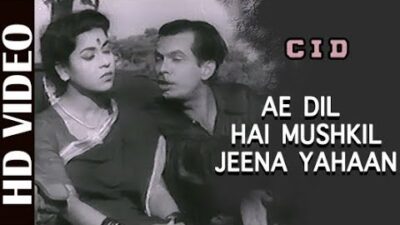
| फ़िल्में व डिस्क | Naya Daur · Boot Polish · C.I.D. · Aasha |
| प्रमुख भूमिका | गायक |
| नित्य सहयोगी | Asha Bhosle · S.D. Batish · Shamshad Begum · Rajinder Krishan |
| हस्ताक्षर-गीत | Nanhe Munne Bachche Teri Mutthi Mein Kya Hai · Leke Pehla Pehla Pyaar · Eena Meena Deeka |
| स्रोत | derived from the HindiGeet song archive |
अभिलेख व संदर्भ
Archives & References| विकिपीडिया | Wikipedia |
|---|---|
| संदर्भ | Mohammed Rafi — Wikipedia · Mohammed Rafi: Golden Voice of the Silver Screen — Sujata Dev (2015) |
| प्रसिद्ध सहयोग |
अंग्रेज़ी में पढ़ें · Read in English
|
जुड़े हुए पन्ने
Connected Plates · The Graph Made Visibleअटलस में कोई पन्ना अकेला नहीं — मोहम्मद रफ़ी से उनके गीत, फ़िल्में, घराना, समकालीन और युग, सब यहाँ से खुलते हैं।
हस्ताक्षर-गीत · Signature Songs
फ़िल्में · The Films
सहयोगी और समकालीन · Collaborators & Contemporaries
युग · The Era
साझा कीजिए · Share this Plate
यह पन्ना आगे बढ़ाइए
सवाल-जवाब
Questions & Answersमोहम्मद रफ़ी का निधन कब हुआ?
मोहम्मद रफ़ी का निधन 31 जुलाई 1980 को बंबई में हृदयाघात से हुआ। वे केवल 55 वर्ष के थे।
How many Filmfare Awards did Mohammed Rafi win?
Mohammed Rafi won six Filmfare Awards for Best Male Playback Singer, beginning with 'Chaudhvin Ka Chand Ho' in 1960.
रफ़ी साहब का सबसे कठिन शास्त्रीय गीत कौन-सा माना जाता है?
'बैजू बावरा' (1952) का 'ओ दुनिया के रखवाले' — नौशाद की यह रचना आज भी गायकों के लिए सबसे कठिन परीक्षाओं में गिनी जाती है।
Which actors did Rafi sing for?
Almost every leading man of his era — Dilip Kumar, Dev Anand, Shammi Kapoor, Guru Dutt, Rajendra Kumar, Dharmendra and comedian Johnny Walker — each with a distinct vocal personality.