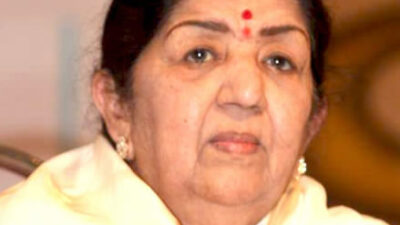
कलाकार विंग · कलाकार-पट्टिका · Artist Plate
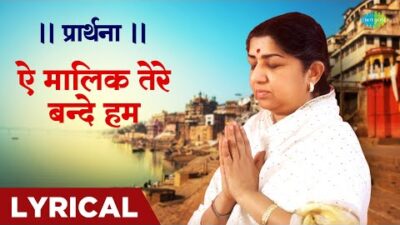
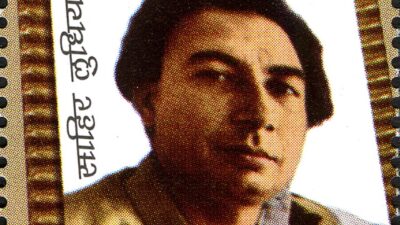
लता मंगेशकर
Lata Mangeshkar · Hema Mangeshkar
भारत की स्वर कोकिला
जन्म28 September 1929 — इंदौर, मध्य प्रदेश, भारत
निधन6 February 2022 — Mumbai, Maharashtra, India
जीवन-पट्टी
The Life Specimen| नाम | लता मंगेशकर · Lata Mangeshkar |
|---|---|
| जन्म नाम | हेमा मंगेशकर · Hema Mangeshkar |
| उपनाम | भारत की स्वर कोकिला · लता दीदी · राष्ट्र की आवाज़ |
| जन्म | 28 September 1929 — इंदौर, मध्य प्रदेश, भारत · Indore, Indore State, British India (now Madhya Pradesh) |
| निधन | 6 February 2022 — Mumbai, Maharashtra, India |
| भूमिकाएँ | गायक · रचनाकार |
| सक्रिय वर्ष | 1942–2015 |
| युग | golden-era |
| राष्ट्रीयता | Indian |
| विधाएँ | फ़िल्मी · ग़ज़ल · भजन · देशभक्ति · उप-शास्त्रीय · भक्ति |
| भाषाएँ | Hindi · Marathi · Bengali · Urdu · Sanskrit · Gujarati · Punjabi · Tamil · Telugu · Kannada · Malayalam · Assamese · Bhojpuri · Nepali |
| पिता | दीनानाथ मंगेशकर |
| माता | शेवंती मंगेशकर |
| भाई-बहन | मीना खडीकर · आशा भोसले · उषा मंगेशकर · हृदयनाथ मंगेशकर |
हस्ताक्षर-पंक्ति · The Signature
हस्ताक्षर-पंक्ति
भारत की स्वर कोकिला · लता दीदी
In EnglishThe voice that became the conscience of Hindi cinema — when Lata sang 'Ae Mere Watan Ke Logon' in 1963, Prime Minister Nehru wept.
पट्टिका-लेख
The Monographजीवनी Biography
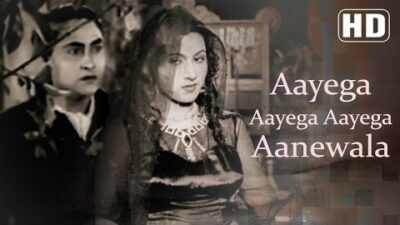
लता मंगेशकर (28 सितंबर 1929 – 6 फ़रवरी 2022) भारतीय संगीत के इतिहास की सबसे प्रतिष्ठित पार्श्वगायिका थीं — एक ऐसी आवाज़ जो आठ दशकों तक हिंदी सिनेमा की आत्मा बनी रही। इंदौर में जन्मीं हेमा — जिन्हें बाद में लता नाम मिला — मराठी रंगमंच के प्रख्यात गायक-अभिनेता पंडित दीनानाथ मंगेशकर की सबसे बड़ी संतान थीं। पिता से शास्त्रीय संगीत की पहली तालीम मिली, पर 1942 में उनके आकस्मिक निधन ने तेरह वर्ष की लता के कंधों पर पूरे परिवार — मीना, आशा, उषा और हृदयनाथ — की ज़िम्मेदारी डाल दी। उन्होंने मराठी फ़िल्मों में गाकर और छोटे-मोटे अभिनय से घर चलाया। 1945 में परिवार बंबई आया। उस्ताद अमान अली ख़ान (भेंडीबाज़ार घराना) से तालीम जारी रही। शुरुआती दौर में उनकी पतली आवाज़ को नूरजहाँ और शमशाद बेगम की भारी आवाज़ों के युग में 'बहुत बारीक' कहकर लौटा दिया जाता था। फिर आया 1949 — 'महल' का 'आयेगा आनेवाला'। खेमचंद प्रकाश की इस रचना ने रातोंरात इतिहास बदल दिया। इसके बाद के दो दशक स्वर्ण युग बने: नौशाद की 'मुग़ल-ए-आज़म' का 'प्यार किया तो डरना क्या', शंकर-जयकिशन, सी. रामचंद्र, मदन मोहन की ग़ज़लें, सलिल चौधरी का 'आजा रे परदेसी' और एस.डी. बर्मन की 'गाइड'। 27 जनवरी 1963 को दिल्ली में 'ऐ मेरे वतन के लोगों' सुनकर प्रधानमंत्री नेहरू की आँखें भर आईं — वह क्षण भारतीय संगीत की राष्ट्रीय स्मृति बन गया। लता ने 36 से अधिक भाषाओं में हज़ारों गीत गाए, 'आनंदघन' नाम से मराठी फ़िल्मों का संगीत भी रचा। 1974 में रॉयल अल्बर्ट हॉल में गाने वाली वे पहली भारतीय बनीं। पद्म भूषण (1969), दादासाहेब फालके पुरस्कार (1989), पद्म विभूषण (1999) और 2001 में भारत रत्न — एम.एस. सुब्बुलक्ष्मी के बाद यह सम्मान पाने वाली दूसरी गायिका। 6 फ़रवरी 2022 को मुंबई में उनका निधन हुआ; भारत ने दो दिन का राष्ट्रीय शोक रखा। उनकी आवाज़ आज भी हर भारतीय घर में सुबह की पहली प्रार्थना की तरह गूँजती है।
अंग्रेज़ी में पढ़ें · Read in English
Lata Mangeshkar (28 September 1929 – 6 February 2022) was the most revered playback singer in the history of Indian music — a voice that remained the soul of Hindi cinema for eight decades. Born Hema Mangeshkar in Indore, she was the eldest child of Pandit Deenanath Mangeshkar, the celebrated Marathi stage singer-actor. Her first lessons in classical music came from her father, but his sudden death in 1942 placed the responsibility of the entire family — Meena, Asha, Usha and Hridaynath — on the shoulders of a thirteen-year-old girl. She supported the household by singing in Marathi films and taking small acting roles.
The family moved to Bombay in 1945, where she continued training under Ustad Aman Ali Khan of the Bhendibazaar gharana. In her early years her voice was dismissed as 'too thin' in an era ruled by the heavier voices of Noor Jehan and Shamshad Begum. Then came 1949 and 'Aayega Aanewala' from Mahal. Khemchand Prakash's haunting composition rewrote history overnight. The two decades that followed became a golden age: 'Pyar Kiya To Darna Kya' in Naushad's Mughal-e-Azam, the melodies of Shankar-Jaikishan and C. Ramchandra, Madan Mohan's ghazals, Salil Chowdhury's 'Aaja Re Pardesi' — which won her the first Filmfare Award ever given to a female playback singer — and S.D. Burman's Guide. On 27 January 1963, her rendition of 'Ae Mere Watan Ke Logon' in Delhi moved Prime Minister Jawaharlal Nehru to tears — a moment that entered the national memory of Indian music.
Lata recorded thousands of songs in more than thirty-six languages and composed music for Marathi films under the pseudonym 'Anandghan'. In 1974 she became the first Indian to perform at the Royal Albert Hall in London. Her honours trace the history of independent India's gratitude: Padma Bhushan (1969), the Dadasaheb Phalke Award (1989), Padma Vibhushan (1999), and in 2001 the Bharat Ratna — India's highest civilian honour, making her only the second vocalist after M.S. Subbulakshmi to receive it. France conferred its Legion of Honour (Officer) on her in 2007. She died in Mumbai on 6 February 2022; India observed two days of national mourning. Her voice still rings through every Indian home like the first prayer of the morning.
प्रारंभिक जीवन Early Life
लता का जन्म 28 सितंबर 1929 को इंदौर में हुआ — मराठी रंगमंच के गायक-अभिनेता और हिंदुस्तानी शास्त्रीय गायक पंडित दीनानाथ मंगेशकर तथा शेवंती की पाँच संतानों में सबसे बड़ी। पहला नाम हेमा था; पिता ने बाद में अपने एक नाटक की पात्र 'लतिका' के नाम पर लता रखा। घर नाट्य-संगीत की परंपरा में डूबा हुआ था, और दीनानाथ ने लगभग पाँच वर्ष की उम्र से उन्हें राग सिखाने शुरू किए — कहा जाता है कि उन्होंने नन्ही लता को अपने एक शिष्य की ग़लती सुधारते हुए पकड़ा था। 24 अप्रैल 1942 को सब कुछ बदल गया, जब हृदय रोग से दीनानाथ का निधन हुआ। तेरह वर्ष की लता रातोंरात परिवार की कमाने वाली बन गईं। मास्टर विनायक की फ़िल्म कंपनी ने उन्हें मराठी फ़िल्मों में गाने और अभिनय का काम दिया; उनका पहला प्रदर्शित फ़िल्मी गीत 'पहिली मंगळागौर' (1942) का 'नटली चैत्राची नवलाई' था। 1945 में वे बंबई आईं — जहाँ असली संघर्ष, और असली कहानी, शुरू हुई।
अंग्रेज़ी में पढ़ें · Read in English
Lata was born on 28 September 1929 in Indore, the eldest of five children of Pandit Deenanath Mangeshkar, a Marathi theatre singer-actor and Hindustani classical vocalist, and his wife Shevanti. Her name was first Hema; her father later renamed her Lata after a character, Latika, in one of his plays. The family belonged to a tradition steeped in natya-sangeet, and Deenanath began teaching her ragas when she was about five — legend has it he discovered her correcting one of his students' mistakes. Everything changed on 24 April 1942, when Deenanath died of heart disease. Lata, just thirteen, became the family's breadwinner overnight. Master Vinayak's film company gave her work singing and acting in Marathi films; her first released film song was 'Natali Chaitraachi Navalaai' in Pahili Mangalaa-gaur (1942). In 1945 she moved to Bombay, where the real struggle — and the real story — began.
करियर Career
बंबई में लता ने भेंडीबाज़ार घराने के उस्ताद अमान अली ख़ान से तालीम ली और पार्श्वगायन के अवसर खोजती रहीं। संगीतकार ग़ुलाम हैदर उनके पहले संरक्षक बने — जब एक निर्माता ने उनकी 'पतली' आवाज़ ठुकराई, तो हैदर ने भविष्यवाणी की कि एक दिन निर्माता इस लड़की के पैरों पर गिरेंगे। 'दिल मेरा तोड़ा' (मजबूर, 1948) से पहचान मिली, और 'आयेगा आनेवाला' (महल, 1949) ने उन्हें देश की सबसे माँगी जाने वाली आवाज़ बना दिया। 1950-60 के दशकों में वे हर बड़े संगीतकार की नायिका-स्वर बनीं: नौशाद की शास्त्रीय भव्यता, शंकर-जयकिशन का रूमानी वैभव, सी. रामचंद्र की लचक, मदन मोहन की ग़ज़ल, एस.डी. बर्मन का गीतिकाव्य, सलिल चौधरी की जटिल धुनें। 'आजा रे परदेसी' (मधुमती) ने 1959 में महिला पार्श्वगायन का पहला फ़िल्मफेयर दिलाया; बाद में उन्होंने नई प्रतिभाओं के लिए फ़िल्मफेयर से स्वयं को अलग कर लिया। 'परिचय' (1972), 'कोरा काग़ज़' (1974) और 'लेकिन' (1990) के लिए राष्ट्रीय पुरस्कार मिले। 'पाक़ीज़ा' से 'सिलसिला' तक, 'लग जा गले' से सत्तर पार की उम्र में 'दिलवाले दुल्हनिया ले जाएँगे' और 'वीर-ज़ारा' तक — विश्व संगीत में उनके करियर की कोई दूसरी मिसाल नहीं: एक ही आवाज़ जो एक राष्ट्र के सिनेमा के पूरे रिकॉर्डेड इतिहास में फैली रही।
अंग्रेज़ी में पढ़ें · Read in English
In Bombay, Lata trained under Ustad Aman Ali Khan of the Bhendibazaar gharana while hunting for playback work. Music director Ghulam Haider became her first champion — when a producer rejected her 'thin' voice, Haider famously predicted that producers would one day fall at her feet. Her break came with 'Dil Mera Toda' (Majboor, 1948), and then 'Aayega Aanewala' (Mahal, 1949) made her the most sought-after voice in the country. Through the 1950s and 60s she became the default heroine's voice for every major composer: Naushad's classical grandeur, Shankar-Jaikishan's lush romanticism, C. Ramchandra's lilt, Madan Mohan's ghazal intimacy, S.D. Burman's lyricism, Salil Chowdhury's complexity. 'Aaja Re Pardesi' (Madhumati) won her the first-ever Filmfare Award for female playback in 1959; she later famously withdrew from Filmfare consideration to promote new talent. She won National Film Awards for Parichay (1972), Kora Kagaz (1974) and Lekin (1990). From Pakeezah to Silsila, from 'Lag Ja Gale' to 'Dilwale Dulhania Le Jayenge' and 'Veer-Zaara' in her seventies, her career had no real equivalent in world music — a single voice spanning the entire recorded history of a nation's cinema.
विरासत Legacy
लता मंगेशकर ने हिंदी सिनेमा के लिए केवल गाया नहीं — उन्होंने तीन पीढ़ियों के भारतीयों के लिए आदर्श स्त्री-स्वर की परिभाषा ही गढ़ दी। उनका सटीक सुर, हर भाषा में बेदाग़ उच्चारण, और बिना किसी नाटकीयता के गीत की आत्मा में उतर जाने की क्षमता — आज भी हर पार्श्वगायिका इसी कसौटी पर परखी जाती है। भारत रत्न (2001), निधन पर दो दिन का राष्ट्रीय शोक, और शिवाजी पार्क में पूर्ण राजकीय सम्मान के साथ अंत्येष्टि — यह विदाई उस व्यक्ति की थी जिसे राष्ट्र अपने परिवार का सदस्य मानता था। मध्य प्रदेश सरकार 1984 से उनके नाम पर राष्ट्रीय 'लता मंगेशकर पुरस्कार' देती है, और 'आयेगा आनेवाला' से 'लुका छुपी' (रंग दे बसंती, 2006) तक उनकी रिकॉर्डिंग्स भारतीय स्मृति में प्रिय गीतों का सबसे बड़ा एकल कोष हैं। श्रेया घोषाल तक गायिकाओं की पीढ़ियाँ खुलकर अपनी गायकी का स्रोत उन्हें बताती हैं। और वह घिसा-पिटा पर सच्चा वाक्य: भारत में कोई दिन ऐसा नहीं बीतता जब कहीं-न-कहीं लता न सुनाई दें।
अंग्रेज़ी में पढ़ें · Read in English
Lata Mangeshkar did not merely sing for Hindi cinema; she defined what the ideal female singing voice meant for three generations of Indians. Her precise intonation, flawless diction across languages, and ability to inhabit a lyric without theatrical excess became the benchmark against which every female playback singer is still measured. The Bharat Ratna (2001), two days of state mourning at her death, and a funeral with full state honours at Shivaji Park marked the passing of someone the nation regarded as family. Madhya Pradesh institutes a national award in her name (the Lata Mangeshkar Award, since 1984), and her recordings — from 'Aayega Aanewala' to 'Luka Chuppi' (Rang De Basanti, 2006) — remain the largest single body of beloved song in Indian memory. Generations of singers, from her sister Asha Bhosle's rivals-and-equals arc to Shreya Ghoshal, openly trace their idiom to her. As the cliché truthfully goes: in India, the day does not end without hearing Lata somewhere.
गायन-शैली Musical Style
लता की कला 'सुर' की लगभग वैज्ञानिक पूर्णता पर टिकी थी — इतना सटीक स्वर कि संगीतकार उनके लिए ऐसी धुनें लिखते थे जो किसी और को देने का जोखिम नहीं उठा सकते थे। उनकी आवाज़ असाधारण रूप से ऊँची और निर्मल थी, ऊपरी सप्तक में घंटी-सी खनक — जो हिंदी फ़िल्म नायिका की ध्वनि-पहचान बन गई। संयम उनकी महारत थी: 'लग जा गले' का दुःख सिसकियों से नहीं, रोकी हुई साँस से व्यक्त होता है। आरंभिक आलोचना के बाद तराशा गया उनका उर्दू तलफ़्फ़ुज़ बेमिसाल हो गया; उनकी संस्कृत-सी स्वच्छ हिंदी ने भजनों को मंत्र-सा पवित्र बना दिया। हिंदुस्तानी शास्त्रीय तालीम से निकली मींड़ और मुर्कियाँ अदृश्य रूप से सधती थीं — अलंकार हमेशा भाव में घुल जाता था, प्रदर्शन कभी नहीं बनता था।
अंग्रेज़ी में पढ़ें · Read in English
Lata's art rested on an almost scientific perfection of sur — intonation so exact that composers wrote melodies for her they would not risk with anyone else. Her voice sat unusually high and pure, free of vibrato excess, with a bell-like clarity in the upper octave that became the sonic signature of the Hindi film heroine. She was a master of restraint: grief in 'Lag Ja Gale' is conveyed through withheld breath rather than sobs. Her Urdu diction, polished after early criticism (reportedly from Dilip Kumar), became impeccable; her Sanskrit-clear Hindi made bhajans sound liturgical. Trained in Hindustani classical music, she executed fine meend and murki invisibly — ornament always dissolved into emotion, never displayed.
स्वर-विशेषताएँ Vocal Characteristics
- घंटी-सी निर्मल, ऊँची आवाज़ — हिंदी फ़िल्म नायिका की ध्वनि-पहचान
- लगभग अचूक सुर — संगीतकारों की सबसे भरोसेमंद आवाज़
- बेदाग़ उर्दू तलफ़्फ़ुज़ और स्वच्छ हिंदी उच्चारण
- संयम की कला — भाव साँस और ठहराव से, नाटकीयता से नहीं
- अदृश्य शास्त्रीय अलंकरण — मींड़-मुर्की जो भाव में घुल जाती है
अंग्रेज़ी में पढ़ें · Read in English
- Bell-clear high soprano that became the sound of the Hindi film heroine
- Near-infallible intonation, the most trusted voice for composers
- Impeccable Urdu diction and crystalline Hindi enunciation
- The art of restraint: emotion through breath and pause, never melodrama
- Invisible classical ornamentation that dissolves into feeling
तालीम, विधाएँ और भाषाएँ
Training · Genres · Languagesतालीम · Training
दीनानाथ मंगेशकर (c. 1934–1942)
हिंदुस्तानी शास्त्रीय और नाट्य-संगीत की नींव
Father and first guru; training ended with his death.
उस्ताद अमान अली ख़ान (mid-1940s)
Khayal, Bhendibazaar gharana
घराना · Gharanaउस्ताद अमानत ख़ान देवासवाले (1940s)
Hindustani classical vocal
भाषाएँ · Languages Sung
जीवन-रेखा
Career Highlights-
1942
पिता दीनानाथ मंगेशकर का निधन; तेरह वर्ष की लता ने परिवार के लिए मराठी फ़िल्मों में गाना-अभिनय शुरू किया
Father Deenanath Mangeshkar dies; 13-year-old Lata begins singing and acting in Marathi films to support the family
-
1948
ग़ुलाम हैदर के मार्गदर्शन में 'दिल मेरा तोड़ा' (मजबूर) से हिंदी में पहली पहचान
First Hindi breakthrough with 'Dil Mera Toda' (Majboor) under Ghulam Haider's mentorship
-
1949
'आयेगा आनेवाला' (महल) ने उन्हें देश की सबसे माँगी जाने वाली पार्श्व-आवाज़ बना दिया
'Aayega Aanewala' (Mahal) makes her the most sought-after playback voice in India
-
1959
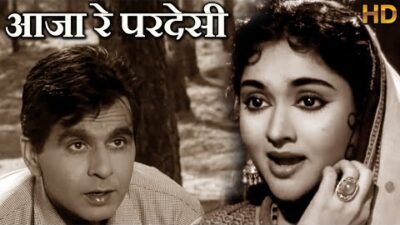
महिला पार्श्वगायन का पहला फ़िल्मफेयर पुरस्कार — 'आजा रे परदेसी' (मधुमती)
Wins the first Filmfare Award ever given for female playback — 'Aaja Re Pardesi' (Madhumati)
-
1960
'प्यार किया तो डरना क्या' (मुग़ल-ए-आज़म) हिंदी सिनेमा के युगांतकारी गीतों में शामिल
'Pyar Kiya To Darna Kya' (Mughal-e-Azam) becomes one of Hindi cinema's defining songs
-
1963
चीन युद्ध के बाद दिल्ली में 'ऐ मेरे वतन के लोगों' — सुनकर प्रधानमंत्री नेहरू की आँखें भर आईं
Sings 'Ae Mere Watan Ke Logon' in Delhi after the China war; Prime Minister Nehru is moved to tears
- 1969 पद्म भूषण से सम्मानित Awarded the Padma Bhushan
- 1972 'परिचय' के लिए सर्वश्रेष्ठ पार्श्वगायिका का पहला राष्ट्रीय फ़िल्म पुरस्कार Wins her first National Film Award for Best Female Playback Singer (Parichay)
- 1974 लंदन के रॉयल अल्बर्ट हॉल में गाने वाली पहली भारतीय बनीं Becomes the first Indian to perform at the Royal Albert Hall, London
- 1989 भारतीय सिनेमा का सर्वोच्च सम्मान — दादासाहेब फालके पुरस्कार Receives the Dadasaheb Phalke Award, Indian cinema's highest honour
- 2001 भारत का सर्वोच्च नागरिक सम्मान — भारत रत्न Conferred the Bharat Ratna, India's highest civilian honour
-
2022
6 फ़रवरी को मुंबई में निधन; भारत में दो दिन का राष्ट्रीय शोक और राजकीय सम्मान के साथ अंतिम विदाई
Dies in Mumbai on 6 February; India observes two days of national mourning and a state funeral
पुरस्कार एवं सम्मान
Awards & Recognition- 2001 भारत रत्न Bharat Ratna भारत का सर्वोच्च नागरिक सम्मान
- 1999 पद्म विभूषण Padma Vibhushan
- 1989 दादासाहेब फालके पुरस्कार Dadasaheb Phalke Award
- 1969 पद्म भूषण Padma Bhushan
- 1972 राष्ट्रीय फ़िल्म पुरस्कार — सर्वश्रेष्ठ पार्श्वगायिका National Film Award — Best Female Playback Singer
- 1974 राष्ट्रीय फ़िल्म पुरस्कार — सर्वश्रेष्ठ पार्श्वगायिका National Film Award — Best Female Playback Singer
- 1990 राष्ट्रीय फ़िल्म पुरस्कार — सर्वश्रेष्ठ पार्श्वगायिका National Film Award — Best Female Playback Singer
- 1959 फ़िल्मफेयर पुरस्कार — सर्वश्रेष्ठ पार्श्वगायिका Filmfare Award — Best Female Playback Singer महिला पार्श्वगायन को दिया गया पहला फ़िल्मफेयर पुरस्कार ('आजा रे परदेसी')
- 2007 लेज़ियों द ऑनर अधिकारी (फ़्रांस) Officer of the Legion of Honour (France)
रोचक तथ्य
Margin Notesउन्होंने 'आनंदघन' छद्म नाम से मराठी फ़िल्मों के लिए संगीत भी रचा और सर्वश्रेष्ठ संगीतकार का महाराष्ट्र राज्य पुरस्कार जीता।
अंग्रेज़ी में पढ़ें · Read in English
She composed music for Marathi films under the pseudonym 'Anandghan' and won a Maharashtra State Award for it.
1969 के बाद उन्होंने फ़िल्मफेयर पुरस्कार से स्वयं को अलग कर लिया ताकि नई गायिकाओं को अवसर मिले।
अंग्रेज़ी में पढ़ें · Read in English
After 1969 she withdrew herself from Filmfare Award consideration to make room for new singers.
उनके जन्म का नाम हेमा था; पिता ने अपने नाटक 'भावबंधन' की पात्र लतिका के नाम पर लता रखा।
अंग्रेज़ी में पढ़ें · Read in English
She was named Hema at birth; her father renamed her Lata after Latika, a character in his play 'Bhaw Bandhan'.
1984 से मध्य प्रदेश सरकार और बाद में महाराष्ट्र सरकार ने उनके नाम पर संगीत पुरस्कार स्थापित किए।
अंग्रेज़ी में पढ़ें · Read in English
From 1984 the Madhya Pradesh government (and later Maharashtra) instituted music awards in her name.
अन्य विवरण
More Details- Birth Year
- 1929
- Death Year
- 2022
- Active Years
- 1942–2015
- घंटी-सी निर्मल, ऊँची आवाज़ — हिंदी फ़िल्म नायिका की ध्वनि-पहचान · Bell-clear high soprano that became the sound of the Hindi film heroine
- लगभग अचूक सुर — संगीतकारों की सबसे भरोसेमंद आवाज़ · Near-infallible intonation, the most trusted voice for composers
- बेदाग़ उर्दू तलफ़्फ़ुज़ और स्वच्छ हिंदी उच्चारण · Impeccable Urdu diction and crystalline Hindi enunciation
- संयम की कला — भाव साँस और ठहराव से, नाटकीयता से नहीं · The art of restraint: emotion through breath and pause, never melodrama
- अदृश्य शास्त्रीय अलंकरण — मींड़-मुर्की जो भाव में घुल जाती है · Invisible classical ornamentation that dissolves into feeling
- Madan Mohan — the definitive ghazal partnership ('Lag Ja Gale', 'Aap Ki Nazron Ne Samjha')
- Naushad — classical grandeur (Mughal-e-Azam, Baiju Bawra)
- Shankar-Jaikishan — the RK Films romantic canon
- S.D. Burman — Guide, Bandini, Abhimaan
- R.D. Burman — Amar Prem, Aandhi, Kinara
- Mohammed Rafi — the most celebrated duet pairing in Hindi film history
- Kishore Kumar — the defining duet voice of the 1970s
Early Life
लता का जन्म 28 सितंबर 1929 को इंदौर में हुआ — मराठी रंगमंच के गायक-अभिनेता और हिंदुस्तानी शास्त्रीय गायक पंडित दीनानाथ मंगेशकर तथा शेवंती की पाँच संतानों में सबसे बड़ी। पहला नाम हेमा था; पिता ने बाद में अपने एक नाटक की पात्र 'लतिका' के नाम पर लता रखा। घर नाट्य-संगीत की परंपरा में डूबा हुआ था, और दीनानाथ ने लगभग पाँच वर्ष की उम्र से उन्हें राग सिखाने शुरू किए — कहा जाता है कि उन्होंने नन्ही लता को अपने एक शिष्य की ग़लती सुधारते हुए पकड़ा था। 24 अप्रैल 1942 को सब कुछ बदल गया, जब हृदय रोग से दीनानाथ का निधन हुआ। तेरह वर्ष की लता रातोंरात परिवार की कमाने वाली बन गईं। मास्टर विनायक की फ़िल्म कंपनी ने उन्हें मराठी फ़िल्मों में गाने और अभिनय का काम दिया; उनका पहला प्रदर्शित फ़िल्मी गीत 'पहिली मंगळागौर' (1942) का 'नटली चैत्राची नवलाई' था। 1945 में वे बंबई आईं — जहाँ असली संघर्ष, और असली कहानी, शुरू हुई।
Lata was born on 28 September 1929 in Indore, the eldest of five children of Pandit Deenanath Mangeshkar, a Marathi theatre singer-actor and Hindustani classical vocalist, and his wife Shevanti. Her name was first Hema; her father later renamed her Lata after a character, Latika, in one of his plays. The family belonged to a tradition steeped in natya-sangeet, and Deenanath began teaching her ragas when she was about five — legend has it he discovered her correcting one of his students' mistakes. Everything changed on 24 April 1942, when Deenanath died of heart disease. Lata, just thirteen, became the family's breadwinner overnight. Master Vinayak's film company gave her work singing and acting in Marathi films; her first released film song was 'Natali Chaitraachi Navalaai' in Pahili Mangalaa-gaur (1942). In 1945 she moved to Bombay, where the real struggle — and the real story — began.
Career
बंबई में लता ने भेंडीबाज़ार घराने के उस्ताद अमान अली ख़ान से तालीम ली और पार्श्वगायन के अवसर खोजती रहीं। संगीतकार ग़ुलाम हैदर उनके पहले संरक्षक बने — जब एक निर्माता ने उनकी 'पतली' आवाज़ ठुकराई, तो हैदर ने भविष्यवाणी की कि एक दिन निर्माता इस लड़की के पैरों पर गिरेंगे। 'दिल मेरा तोड़ा' (मजबूर, 1948) से पहचान मिली, और 'आयेगा आनेवाला' (महल, 1949) ने उन्हें देश की सबसे माँगी जाने वाली आवाज़ बना दिया। 1950-60 के दशकों में वे हर बड़े संगीतकार की नायिका-स्वर बनीं: नौशाद की शास्त्रीय भव्यता, शंकर-जयकिशन का रूमानी वैभव, सी. रामचंद्र की लचक, मदन मोहन की ग़ज़ल, एस.डी. बर्मन का गीतिकाव्य, सलिल चौधरी की जटिल धुनें। 'आजा रे परदेसी' (मधुमती) ने 1959 में महिला पार्श्वगायन का पहला फ़िल्मफेयर दिलाया; बाद में उन्होंने नई प्रतिभाओं के लिए फ़िल्मफेयर से स्वयं को अलग कर लिया। 'परिचय' (1972), 'कोरा काग़ज़' (1974) और 'लेकिन' (1990) के लिए राष्ट्रीय पुरस्कार मिले। 'पाक़ीज़ा' से 'सिलसिला' तक, 'लग जा गले' से सत्तर पार की उम्र में 'दिलवाले दुल्हनिया ले जाएँगे' और 'वीर-ज़ारा' तक — विश्व संगीत में उनके करियर की कोई दूसरी मिसाल नहीं: एक ही आवाज़ जो एक राष्ट्र के सिनेमा के पूरे रिकॉर्डेड इतिहास में फैली रही।
In Bombay, Lata trained under Ustad Aman Ali Khan of the Bhendibazaar gharana while hunting for playback work. Music director Ghulam Haider became her first champion — when a producer rejected her 'thin' voice, Haider famously predicted that producers would one day fall at her feet. Her break came with 'Dil Mera Toda' (Majboor, 1948), and then 'Aayega Aanewala' (Mahal, 1949) made her the most sought-after voice in the country. Through the 1950s and 60s she became the default heroine's voice for every major composer: Naushad's classical grandeur, Shankar-Jaikishan's lush romanticism, C. Ramchandra's lilt, Madan Mohan's ghazal intimacy, S.D. Burman's lyricism, Salil Chowdhury's complexity. 'Aaja Re Pardesi' (Madhumati) won her the first-ever Filmfare Award for female playback in 1959; she later famously withdrew from Filmfare consideration to promote new talent. She won National Film Awards for Parichay (1972), Kora Kagaz (1974) and Lekin (1990). From Pakeezah to Silsila, from 'Lag Ja Gale' to 'Dilwale Dulhania Le Jayenge' and 'Veer-Zaara' in her seventies, her career had no real equivalent in world music — a single voice spanning the entire recorded history of a nation's cinema.
Legacy
लता मंगेशकर ने हिंदी सिनेमा के लिए केवल गाया नहीं — उन्होंने तीन पीढ़ियों के भारतीयों के लिए आदर्श स्त्री-स्वर की परिभाषा ही गढ़ दी। उनका सटीक सुर, हर भाषा में बेदाग़ उच्चारण, और बिना किसी नाटकीयता के गीत की आत्मा में उतर जाने की क्षमता — आज भी हर पार्श्वगायिका इसी कसौटी पर परखी जाती है। भारत रत्न (2001), निधन पर दो दिन का राष्ट्रीय शोक, और शिवाजी पार्क में पूर्ण राजकीय सम्मान के साथ अंत्येष्टि — यह विदाई उस व्यक्ति की थी जिसे राष्ट्र अपने परिवार का सदस्य मानता था। मध्य प्रदेश सरकार 1984 से उनके नाम पर राष्ट्रीय 'लता मंगेशकर पुरस्कार' देती है, और 'आयेगा आनेवाला' से 'लुका छुपी' (रंग दे बसंती, 2006) तक उनकी रिकॉर्डिंग्स भारतीय स्मृति में प्रिय गीतों का सबसे बड़ा एकल कोष हैं। श्रेया घोषाल तक गायिकाओं की पीढ़ियाँ खुलकर अपनी गायकी का स्रोत उन्हें बताती हैं। और वह घिसा-पिटा पर सच्चा वाक्य: भारत में कोई दिन ऐसा नहीं बीतता जब कहीं-न-कहीं लता न सुनाई दें।
Lata Mangeshkar did not merely sing for Hindi cinema; she defined what the ideal female singing voice meant for three generations of Indians. Her precise intonation, flawless diction across languages, and ability to inhabit a lyric without theatrical excess became the benchmark against which every female playback singer is still measured. The Bharat Ratna (2001), two days of state mourning at her death, and a funeral with full state honours at Shivaji Park marked the passing of someone the nation regarded as family. Madhya Pradesh institutes a national award in her name (the Lata Mangeshkar Award, since 1984), and her recordings — from 'Aayega Aanewala' to 'Luka Chuppi' (Rang De Basanti, 2006) — remain the largest single body of beloved song in Indian memory. Generations of singers, from her sister Asha Bhosle's rivals-and-equals arc to Shreya Ghoshal, openly trace their idiom to her. As the cliché truthfully goes: in India, the day does not end without hearing Lata somewhere.
Musical Style
लता की कला 'सुर' की लगभग वैज्ञानिक पूर्णता पर टिकी थी — इतना सटीक स्वर कि संगीतकार उनके लिए ऐसी धुनें लिखते थे जो किसी और को देने का जोखिम नहीं उठा सकते थे। उनकी आवाज़ असाधारण रूप से ऊँची और निर्मल थी, ऊपरी सप्तक में घंटी-सी खनक — जो हिंदी फ़िल्म नायिका की ध्वनि-पहचान बन गई। संयम उनकी महारत थी: 'लग जा गले' का दुःख सिसकियों से नहीं, रोकी हुई साँस से व्यक्त होता है। आरंभिक आलोचना के बाद तराशा गया उनका उर्दू तलफ़्फ़ुज़ बेमिसाल हो गया; उनकी संस्कृत-सी स्वच्छ हिंदी ने भजनों को मंत्र-सा पवित्र बना दिया। हिंदुस्तानी शास्त्रीय तालीम से निकली मींड़ और मुर्कियाँ अदृश्य रूप से सधती थीं — अलंकार हमेशा भाव में घुल जाता था, प्रदर्शन कभी नहीं बनता था।
Lata's art rested on an almost scientific perfection of sur — intonation so exact that composers wrote melodies for her they would not risk with anyone else. Her voice sat unusually high and pure, free of vibrato excess, with a bell-like clarity in the upper octave that became the sonic signature of the Hindi film heroine. She was a master of restraint: grief in 'Lag Ja Gale' is conveyed through withheld breath rather than sobs. Her Urdu diction, polished after early criticism (reportedly from Dilip Kumar), became impeccable; her Sanskrit-clear Hindi made bhajans sound liturgical. Trained in Hindustani classical music, she executed fine meend and murki invisibly — ornament always dissolved into emotion, never displayed.
Vocal Characteristics
Collaborations
अभिलेख-सार
Discography Summary| संग्रह में गीत | 24 — नीचे जुड़े हुए पन्नों में सूचीबद्ध |
|---|---|
| कुल ज्ञात रिकॉर्डिंग | 6 — 6 संग्रह में उपलब्ध |
| रिकॉर्डिंग-काल | 1947–1949 · पहला सत्र 1947 |
| फ़िल्में व डिस्क | Badi Behen 1949 · Barsaat 1949 · Neel Kamal 1947 · Mahal 1949 |
| प्रमुख भूमिका | गायक |
| नित्य सहयोगी | Khemchand Prakash · Husnlal Bhagatram · Rajinder Krishan · Hasrat Jaipuri |
| हस्ताक्षर-गीत | Aayega Aanewala · Chale Jana Nahin · Chup Chup Khade Ho · Hawa Mein Udta Jaye · Jiya Beqarar Hai |
| स्रोत | derived from the HindiGeet song archive |
अभिलेख व संदर्भ
Archives & References| विकिपीडिया | Wikipedia |
|---|---|
| संदर्भ | Lata Mangeshkar — Wikipedia · Lata Mangeshkar: ...in her own voice — Nasreen Munni Kabir — Nasreen Munni Kabir (2009) |
| प्रसिद्ध सहयोग |
अंग्रेज़ी में पढ़ें · Read in English
|
जुड़े हुए पन्ने
Connected Plates · The Graph Made Visibleअटलस में कोई पन्ना अकेला नहीं — लता मंगेशकर से उनके गीत, फ़िल्में, घराना, समकालीन और युग, सब यहाँ से खुलते हैं।
हस्ताक्षर-गीत · Signature Songs
सहयोगी और समकालीन · Collaborators & Contemporaries
शास्त्र-सूत्र · Shastra Threads
युग · The Era
साझा कीजिए · Share this Plate
यह पन्ना आगे बढ़ाइए
सवाल-जवाब
Questions & Answersलता मंगेशकर को भारत रत्न कब मिला?
लता मंगेशकर को 2001 में भारत रत्न मिला। वे एम.एस. सुब्बुलक्ष्मी के बाद यह सम्मान पाने वाली दूसरी गायिका थीं।
What was Lata Mangeshkar's first major hit song?
'Aayega Aanewala' from Mahal (1949), composed by Khemchand Prakash, was the song that made Lata Mangeshkar a star.
लता मंगेशकर ने कितनी भाषाओं में गाने गाए?
लता मंगेशकर ने 36 से अधिक भारतीय और विदेशी भाषाओं में गीत रिकॉर्ड किए — सबसे अधिक हिंदी और मराठी में।
When did Lata Mangeshkar die?
Lata Mangeshkar died on 6 February 2022 in Mumbai, aged 92. India observed two days of national mourning.