शास्त्र विंग · राग-पट्टिका · Raag Plate
खमाज
Khamāj
आनंद का उत्सवपूर्ण राग · The Festive Raag of Joy
भावउत्सवपूर्ण · आनंदपूर्ण · मनोरम · उज्ज्वल · उदयापन
गतिmadhya_to_drut ऊर्जामध्यम से तीव्र
अन्य नामKhammaj
स्वर-चित्र · The Swara Panel
आरोह — अवरोह · The Ascent and the Descent
कोमल स्वर — Ni — तीव्रित हरे रंग में।
आरोह · Aroha चढ़ती हुई सीढ़ी
अवरोह · Avaroha उतरती हुई सीढ़ी
कोमल स्वर — नीचे की ओर झुका चिह्न (◌॒)सˊ = तार सप्तक का षड्ज
खमाज में केवल एक कोमल स्वर है: नि॒। सभी अन्य स्वर शुद्ध (प्राकृतिक) हैं। यह खमाज को हिंदुस्तानी प्रणाली में सबसे उज्ज्वल रागों में से एक बनाता है।
अंग्रेज़ी में पढ़ें · Read in English
Khamaj has only one komal (flat) swar: Ni♭. All other swaras are shuddha (natural). This makes Khamaj one of the brightest raags in the Hindustani system, with an almost major-scale-like quality that resonates with Western harmonic sensibilities and modern film music.
पकड़ · पहचान वाक्यांश
ग म प ध नि॒ सˊ
Ga Ma Pa Dha Ni♭ Sa'
खमाज की विशेषता वाली उज्ज्वल, आरोही मार्ग — विशेष रूप से प्राकृतिक ध और कोमल नि के बीच विपरीतता एक चमकदार, उत्सवपूर्ण गुणवत्ता बनाती है।
अंग्रेज़ी में पढ़ें · Read in English
The bright, ascending passage that characterizes Khamaj — particularly the contrast between natural Dha and flat Ni creates a shimmering, festive quality.
वादी–संवादी टिप्पणी · Vadi–Samvadi note
Vadi — The most important note — the primary resting point
Samvadi — The second most important note — creates the festive character
चलन · स्वर-यात्रा
सा रे ग म प, म ग रे स, रे ग म प ध नि॒ सˊ, सˊ नि॒ ध प म ग रे, रे ग म प, ध नि॒ सˊ
Sa Re Ga Ma Pa, Ma Ga Re Sa, Re Ga Ma Pa Dha Ni♭ Sa', Sa' Ni♭ Dha Pa Ma Ga Re, Re Ga Ma Pa, Dha Ni♭ Sa'
प्रदर्शन में राग खमाज को कैसे गाया जाता है, इसकी मधुर प्रगति।
अंग्रेज़ी में पढ़ें · Read in English
The melodic progression showing how Raag Khamaj is traversed in performance.
न्यास स्वर — Ga, Pa, Sa अनुवादी — Re, Ma, Pa, Dha
विशेष स्वर-वाक्य
Characteristic Phrasesसमय और भाव
Time Theory & Moodसमय-सिद्धांत · Time Theory
लचीला राग — शाम और रात के लिए उपयुक्त, लेकिन दिन के किसी भी…
लचीला राग — शाम और रात के लिए उपयुक्त, लेकिन दिन के किसी भी समय गाया जा सकता है, विशेष रूप से त्योहारों और उत्सवों के दौरान।
Flexible raag — suited to evening and night, but can be performed at any time of day, especially during festivals and celebrations.
Spring
भाव और गति · Mood & Tempo
हास्य · Joy, Humor, Lightness, Celebration
आनंद, उत्सव, प्रसन्नता, और हल्केपन की भावना
madhya_to_drut
ऊर्जा · Energyमध्यम से तीव्र
स्तर · Levelbeginner_friendly — खमाज शुरुआती के लिए सुलभ है क्योंकि इसकी सहज उज्ज्वल विशेषता है।
लक्षण गीत · The Mnemonic Verse
लक्षण गीत
खमाज खं धा नीचे कोमल, सब शुद्ध सब्बै राग
गा वादी निषाद संवादी, आनंद प्रेम विराग
अंग्रेज़ी में पढ़ें · Read in English
Khamaj Kham Dha neech komal, Sab shuddh sabbai raag
Ga vadi Nishad samvadi, Anand prem virag
In Khamaj, Ni is komal (flat), all other notes are shuddha (natural). Ga is vadi, Ni is samvadi — joy, love, and renunciation.
पट्टिका-लेख
The Monographपरिचय Introduction
राग खमाज (खमाज) हिंदुस्तानी शास्त्रीय संगीत में सबसे उज्ज्वल, सबसे उत्सवपूर्ण रागों में से एक है। केवल एक कोमल नोट (नि॒) और सभी अन्य प्राकृतिक स्वरों के साथ, खमाज में लगभग प्रमुख-पैमाना जैसी गुणवत्ता है जो सुलभ और उदयापन महसूस होती है।
अंग्रेज़ी में पढ़ें · Read in English
Raag Khamaj (खमाज) is one of the brightest, most festive raags in Hindustani classical music. With only one komal (flat) note — Ni♭ — and all other natural swaras, Khamaj has an almost major-scale-like quality that feels immediately accessible and celebratory. Named after the Khamaj thaat (the raag family and thaat system it anchors), Khamaj is characterized by its shimmering, sensual quality and its ability to convey joy, romance, and lightheartedness. Khamaj is extremely popular in Hindi film music, where its bright, immediately appealing character makes it ideal for songs about love, celebration, and merriment. In classical circles, Khamaj is typically performed in the evening and night hours, particularly during festival seasons and joyous occasions. The raag allows for extensive melodic elaboration and is particularly favored for faster khayal performances (drut alaap) and gazal recitations. From intimate film duets to elaborate classical improvisations, Khamaj's remarkable versatility and universal appeal have made it one of the most beloved and widely performed raags in modern Hindi music.
सांस्कृतिक महत्व Cultural Significance
खमाज को शास्त्रीय और फिल्म संगीत दोनों के इतिहास में विशेष महत्व है।
अंग्रेज़ी में पढ़ें · Read in English
Khamaj holds special significance in the history of both classical and film music. Its bright character has made it the raag of choice for celebrations, festivals, and joyous occasions. In Bollywood, Khamaj became synonymous with the emergence of modern Hindi cinema, reflecting India's optimistic, post-independence spirit. The raag bridges classical and popular traditions, making sophisticated music accessible to mass audiences.
ऐतिहासिक महत्व Historical Significance
राग खमाज को शास्त्रीय ग्रंथों में खमाज थाट का आश्रय राग के रूप में प्रलेखित किया जाता है।
अंग्रेज़ी में पढ़ें · Read in English
Raag Khamaj is documented in classical texts as the ashray (shelter) raag of the Khamaj thaat — the system of raags it anchors. Historically, Khamaj likely developed as a fusion of North Indian classical traditions with folk and devotional music. By the 18th-19th centuries, it had become a formalized part of the classical system. In the 20th century, Khamaj became the raag of modern Bollywood, featured prominently in romantic and celebratory songs. From gramophone recordings of classical gazals to contemporary film music, Khamaj has remained continuously performed and evolving.
शिक्षा
Teaching & Learning| बंदिश | ताल · लय | बोल |
|---|---|---|
| Aaj Jane Ki Zid Na Karo Faiz Ahmed Faiz (poem), Traditional |
Teentaal | |
| Aao Humari Jhopdi Aao Traditional |
Teentaal |
पकड़ (ग म प ध नि॒) से शुरू करें — यह आरोही वाक्यांश खमाज की आत्मा है।
अंग्रेज़ी में पढ़ें · Read in English
Start with the pakad (Ga Ma Pa Dha Ni♭) — this ascending phrase is the soul of Khamaj. Practice it to get the bright, festive feeling.
प्राकृतिक ध और कोमल नि के बीच विपरीतता पर ध्यान दें।
अंग्रेज़ी में पढ़ें · Read in English
Notice the contrast between natural Dha and komal Ni — this creates the characteristic 'shimmer' of Khamaj. The tension between these two notes is key.
खमाज अपनी उज्ज्वल विशेषता के कारण तेजी से सुरेली गति की अनुमति देता है।
अंग्रेज़ी में पढ़ें · Read in English
Khamaj allows for rapid melodic movement (drut) due to its bright character. Practice taan (fast runs) to master the raag's energy.
कोमल नि पर अत्यधिक जोर देना — खमाज उज्ज्वल है, उदास नहीं।
अंग्रेज़ी में पढ़ें · Read in English
Over-emphasizing the komal Ni — Khamaj is bright, not melancholic. The Ni♭ should be a subtle accent, not a dwelling point.
सुधार: Treat the komal Ni as a color note, not a resting point. Rest primarily on Ga and Pa.
उत्सवपूर्ण ऊर्जा को मिस करना।
अंग्रेज़ी में पढ़ें · Read in English
Missing the festive energy — Khamaj should feel celebratory and joyful, not serious or introspective.
सुधार: Maintain a light, buoyant character. Use rapid movement (taan) and bright phrasing.
तुलना
A Specimen Comparisonदोनों उज्ज्वल राग हैं जिनमें मुख्य रूप से शुद्ध स्वर हैं।
| तुलनाSpecimen | खमाज | यमन |
|---|---|---|
| स्वर-अंतर | Yaman: Sa Re Ga Ma' (tivra) Pa Dha Ni Sa' | Khamaj: Sa Re Ga Ma Pa Dha Ni♭ Sa' | |
| भाव-अंतर | Yaman = Majestic, Formal, Devotional | Khamaj = Festive, Romantic, Playful | |
| समय-अंतर | Yaman = Morning | Khamaj = Evening/Flexible | |
बिलावल बिलावल थाट का आश्रय राग है।
| तुलनाSpecimen | खमाज | बिलावल |
|---|---|---|
| स्वर-अंतर | Bilaval: Sa Re Ga Ma Pa Dha Ni Sa' (all shuddha) | Khamaj: Sa Re Ga Ma Pa Dha Ni♭ Sa' (one komal Ni♭) | |
| भाव-अंतर | Bilaval = Formal, Daytime, Devotional | Khamaj = Festive, Flexible, Romantic | |
| समय-अंतर | Bilaval = Daytime/Morning | Khamaj = Evening/Any time | |
रोचक तथ्य
Margin Notesखमाज केवल एक कोमल स्वर वाले कुछ रागों में से एक है।
अंग्रेज़ी में पढ़ें · Read in English
Khamaj is one of only a few raags with just one komal (flat) swar — this extreme simplicity paradoxically allows for maximum expressiveness and accessibility.
शुद्ध ध और कोमल नि के बीच विपरीतता खमाज की विशेषता 'चमकदार' गुणवत्ता बनाती है।
अंग्रेज़ी में पढ़ें · Read in English
The contrast between shuddha (natural) Dha and komal (flat) Ni creates the characteristic 'shimmer' of Khamaj — this interval tension is the raag's sonic signature.
खमाज खमाज थाट का आश्रय राग है।
अंग्रेज़ी में पढ़ें · Read in English
Khamaj is the ashray (shelter) raag of the Khamaj thaat — one of the 10 classical thaats (raag families) in Hindustani music. The thaat itself is named after this raag.
बॉलीवुड के इतिहास में, खमाज आधुनिक भारत का राग बन गया।
अंग्रेज़ी में पढ़ें · Read in English
In Bollywood history, Khamaj became the raag of modern India — reflecting the optimism, energy, and celebratory spirit of post-independence cinema.
प्रस्तुति
Performance- Description
- लचीला राग — शाम और रात के लिए उपयुक्त, लेकिन दिन के किसी भी समय गाया जा सकता है, विशेष रूप से त्योहारों और उत्सवों के दौरान। Flexible raag — suited to evening and night, but can be performed at any time of day, especially during festivals and celebrations.
- Time Flexibility
- flexible
- Time Notes
- Khamaj's bright, festive character makes it suitable for evening gatherings and celebrations, but its popularity in film music means it is performed at all hours.
Time
और जानें
More to Know- raag-yaman — Yaman — यमन — Both are bright raags with predominantly shuddha (natural) swaras. Yaman is morning/formal; Khamaj is evening/festive. Yaman has tivra Ma (sharp 4th); Khamaj uses only shuddha notes. — दोनों उज्ज्वल राग हैं जिनमें मुख्य रूप से शुद्ध स्वर हैं। — Yaman: Sa Re Ga Ma' (tivra) Pa Dha Ni Sa' | Khamaj: Sa Re Ga Ma Pa Dha Ni♭ Sa' — Yaman = Majestic, Formal, Devotional | Khamaj = Festive, Romantic, Playful — Yaman = Morning | Khamaj = Evening/Flexible
- raag-bilaval — Bilaval — बिलावल — Bilaval is another bright, shuddha-based raag (the ashray raag of Bilawal thaat), but it is entirely natural with no komal notes at all. Bilaval is more formal and morning-oriented. — बिलावल बिलावल थाट का आश्रय राग है। — Bilaval: Sa Re Ga Ma Pa Dha Ni Sa' (all shuddha) | Khamaj: Sa Re Ga Ma Pa Dha Ni♭ Sa' (one komal Ni♭) — Bilaval = Formal, Daytime, Devotional | Khamaj = Festive, Flexible, Romantic — Bilaval = Daytime/Morning | Khamaj = Evening/Any time
Comparisons
सीखने के लिए
For Learners- Difficulty Level
- beginner_friendly
नमूना-पट्टी
The Specimen Table| नाम | खमाज · Khamaj |
|---|---|
| थाट | खमाज |
| आरोह | सा रे ग म प ध नि॒ सˊ |
| अवरोह | सˊ नि॒ ध प म ग रे स |
| पकड़ | ग म प ध नि॒ सˊ |
| जाति | संपूर्ण-संपूर्ण · Sampurna-Sampurna |
| कोमल स्वर | Ni |
| समय | लचीला राग — शाम और रात के लिए उपयुक्त, लेकिन दिन के किसी भी समय गाया जा सकता है, विशेष रूप से त्योहारों और उत्सवों के दौरान। |
| ऋतु | Spring |
| गति | madhya_to_drut |
| ऊर्जा | मध्यम से तीव्र |
| प्रकृति | Shuddha |
| परिवार | खमाज परिवार |
| स्तर | beginner_friendly |
| लोकप्रियता | Very popular |
| कर्नाटक समतुल्य | Dheerashankarabhharanam · Melakarta 29 |
| पाश्चात्य समतुल्य | Major scale with flattened 7th |
| अन्य नाम | Khammaj |
जुड़े हुए पन्ने
Connected Plates · The Graph Made Visibleअटलस में कोई पन्ना अकेला नहीं — इस राग से गीत, प्रस्तुतियाँ, कलाकार, ताल, घराने और मिलते-जुलते राग, सब यहाँ से खुलते हैं।
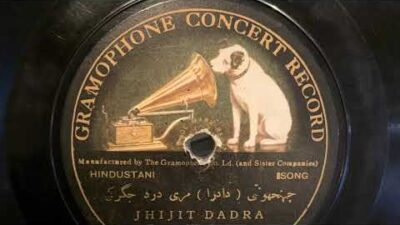
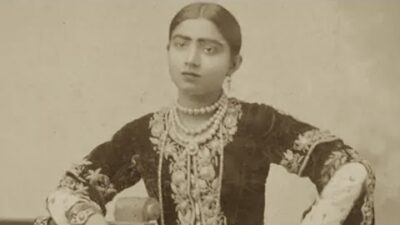
इस राग के गीत · Songs in this Raag

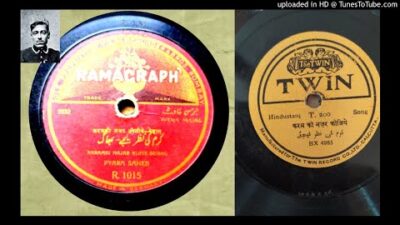
प्रसिद्ध प्रस्तुतियाँ · Legendary Renditions
फ़िल्मी गीत इस राग में · Famous Film Songs
इस राग के कलाकार · Notable Artists
ताल-साथी · Taal Pairings
मिलते-जुलते राग · Similar Raags
शास्त्र-सूत्र · Shastra Threads
श्रवण-कक्ष · The Listening Room
सुनिए — खमाज · Hear the Raag
Raag Khamaj | Ustad Vilayat Khan | Sitar
प्रश्नोत्तर
Questions & Answersराग खमाज का आरोहन-अवरोहन क्या है?
राग खमाज का आरोहन: सा रे ग म प ध नि॒ सˊ | अवरोहन: सˊ नि॒ ध प म ग रे स
अंग्रेज़ी में पढ़ें · Read in English
What is the arohana and avarohana of Raag Khamaj? — Raag Khamaj arohana: Sa Re Ga Ma Pa Dha Ni♭ Sa' | Avarohana: Sa' Ni♭ Dha Pa Ma Ga Re Sa
राग खमाज कितने स्वर से बना है?
राग खमाज में 7 स्वर हैं। इसमें केवल एक कोमल स्वर (नि॒) है, बाकी सभी शुद्ध स्वर हैं।
अंग्रेज़ी में पढ़ें · Read in English
How many notes are in Raag Khamaj? — Raag Khamaj has 7 notes. It has only one komal (flat) swar: Ni♭. All other swaras are shuddha (natural).
खमाज की पकड़ क्या है?
राग खमाज की पकड़: ग म प ध नि॒ सˊ | यह राग की सबसे विशेषता वाली आरोही अभिव्यक्ति है।
अंग्रेज़ी में पढ़ें · Read in English
What is the pakad of Raag Khamaj? — Raag Khamaj pakad: Ga Ma Pa Dha Ni♭ Sa' | This ascending phrase is the most characteristic expression of the raag.
खमाज किस समय गाया जाता है?
राग खमाज शाम और रात में गाया जाता है, लेकिन इसका उत्सवपूर्ण चरित्र इसे किसी भी समय गाने के लिए उपयुक्त बनाता है, विशेष रूप से त्योहारों और समारोहों के दौरान।
अंग्रेज़ी में पढ़ें · Read in English
When is Raag Khamaj performed? — Raag Khamaj is performed in evening and night, but its festive character makes it suitable for any time, especially during festivals and celebrations.
खमाज और बिलावल में क्या अंतर है?
बिलावल पूरी तरह शुद्ध (कोमल नहीं) है और अधिक औपचारिक है। खमाज में एक कोमल नि है और अधिक उत्सवपूर्ण, लचीला राग है।
अंग्रेज़ी में पढ़ें · Read in English
What is the difference between Khamaj and Bilaval? — Bilaval is entirely shuddha (natural) and more formal. Khamaj has komal Ni and is more festive and flexible.
साझा कीजिए · Share this Plate
यह पन्ना आगे बढ़ाइए
जुड़ी हुई दुनिया
Explore ConnectionsSongs in this Raag · इस राग के गीत (53)

आना मेरी जान मेरी जान सन्डे के सन्डे
Aana Meri Jaan Meri Jaan Sunday Ke Sunday

अच्छा जी मैं हारी चलो मान जाओ ना
Accha Ji Main Haari Chalo Maan Jaao Na


Similar Raags · मिलते-जुलते राग (34)
Stories · कहानियाँ
 कहानी · Storyखमाज थाट: रोमांटिक रात — प्रेम और आकांक्षा के गीत
 कहानी · Storyनौशाद और सुरैया का दर्द: जब एक फ़िल्म ने दो करियर बनाए
 कहानी · Storyबॉलीवुड में शास्त्रीय अंग: फिल्मी गीतों की छिपी विरासत
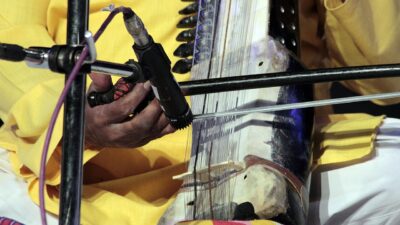 कहानी · Storyतान: स्वरों की तूफानी यात्रा
 कहानी · Storyनूर जहाँ का आख़िरी गीत: एक आवाज़ की विदाईकहानी · Storyरस सिद्धांत: भरतमुनि से अभिनवगुप्त तक का सफ़र