श्रेय
The Creditsबोल · The Lyrics
पूरे बोल · Full Lyrics
मेरे सजन कहाँ गए दूर देश में
Mere Sajan Kahan Gaye Dur Desh Mein
सूत्र-वाक्य · The Hook
सूत्र-वाक्य
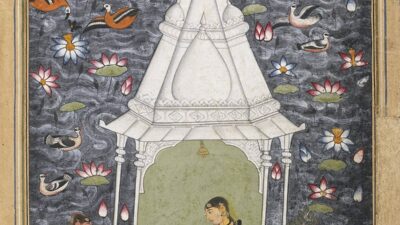
सावन का कजरी — बारिश में अकेलापन और प्रिय की अनुपस्थिति का दर्द
In EnglishA monsoon kajri — the beloved is absent while the rains fall, amplifying the ache of separation with nature's own emotional backdrop.
पट्टिका-लेख
The Monographपरिचय Overview
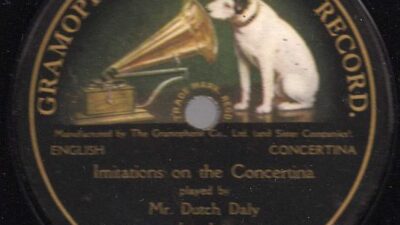
“कजरी” 1908 की जाना-पहचाना रिकॉर्डिंग है। गायन सैला बाई (मिस सिला बाई) का है, और बोल अज्ञात ने लिखे हैं। यह राग Khamaj पर आधारित है, Dadra ताल में निबद्ध, Kajri शैली का गीत। इसका प्रमुख भाव Romantic है, अवधि 3:24 है, और यह The Gramophone Company लेबल से जारी हुआ।
अंग्रेज़ी में पढ़ें · Read in English
“Kajri” is a well-known recording from 1908. Rendered by Saila Bai (Miss Sila Bai), with lyrics penned by Traditional. Musically it set in Raag Khamaj, to the Dadra taal, in the Kajri idiom. Its prevailing mood is romantic, the recording runs 3:24, released on the the gramophone company label.
संगीत The Music
सैला बाई की गायकी कजरी के विशिष्ट उतार-चढ़ाव को व्यक्त करती है। बारिश की आवाज़ लय में प्रतिबिंबित होती है।
अंग्रेज़ी में पढ़ें · Read in English
Saila Bai's rendition captures the bouncing, call-and-response quality characteristic of kajri. The rhythm mimics the patter of rain, while her vocal ornamentation suggests both playfulness and underlying melancholy.
काव्य The Poetry
कजरी में स्थानीय भाषा और लोकभाषा का प्रयोग होता है। 'सावन' का नाम ही वर्षा और वासना से जुड़ा है।
अंग्रेज़ी में पढ़ें · Read in English
Kajri traditionally employs regional speech patterns and vernacular idioms, celebrating the monsoon season while lamenting the beloved's absence. The term 'sawan' (the monsoon month) carries associations with fertility and longing in Indian poetry.
कहानी The Story
कजरी 1908 में ग्रामोफोन श्रोताओं में अत्यंत लोकप्रिय थी। सैला बाई क्षेत्रीय रूपों में माहिर थीं।
अंग्रेज़ी में पढ़ें · Read in English
Kajris were particularly popular in 1908 among gramophone audiences, offering a happy medium between the sophisticated thumri and the more purely entertainment-focused forms. Saila Bai specialized in regional forms that highlighted her connection to folk tradition.
विरासत The Legacy
कजरी रिकॉर्डिंग लोक और शास्त्रीय परंपराओं के संश्लेषण को दर्शाती है। यह उस रूपांतरण का दस्तावेज़ है जो सभी क्षेत्रीय विधाओं में हुआ।
अंग्रेज़ी में पढ़ें · Read in English
Kajri recordings represent a crucial moment when folk and classical traditions were being synthesized for mass consumption. This recording preserves one regional form's transition from village ritual to mass entertainment — a pattern that would be repeated across India during the gramophone era.
वर्गीकरण
Classification- Tempo
- Medium
Genre
अन्य विवरण
More Details- Archive of Indian Music
- Bajakhana - Early Sound Recordings
- Google Arts & Culture - Pioneering Musicians
References
रोचक तथ्य
Margin Notesकजरी अक्सर मूल भाषा में रिकॉर्ड की जाती थीं, जो आधुनिक विद्वानों के लिए मूल्यवान भाषावैज्ञानिक दस्तावेज़ हैं
अंग्रेज़ी में पढ़ें · Read in English
Kajri and other regional forms were often recorded in their original languages and dialects, making them valuable linguistic documents for modern scholars
नमूना-पट्टी
The Specimen Table| शीर्षक | कजरी · Kajri |
|---|---|
| वर्ष · युग | 1908 — pre independence |
| गायक | सैला बाई — Saila Bai (Miss Sila Bai) |
| गीतकार | अज्ञात |
| राग | Khamaj |
| ताल | {"name_hindi":"दादरा","name_english":"Dadra","taal_id":"taal-dadra","matras":6} |
| स्वरूप | एकल महिला |
| गति | मध्यम |
| अवधि | 3:24 |
| भाषा | Hindi with Bhojpuri |
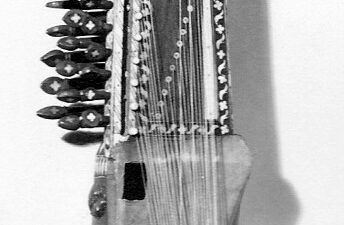
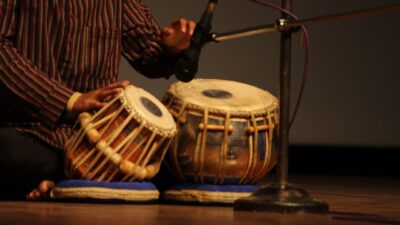
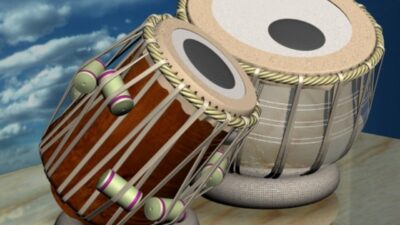
| वाद्य | sarangi · tabla |
| भाव | चुलबुला · रोमांटिक |
| लेबल | The Gramophone Company |
| लोकप्रियता | Known |
| बोल-स्थिति | सार्वजनिक |
जुड़े हुए पन्ने
Connected Plates · The Graph Made Visibleअटलस में कोई पन्ना अकेला नहीं — इस गीत से जुड़े गीत, कलाकार, फ़िल्म, राग-ताल-विधा, सब यहाँ से खुलते हैं।
कलाकार · The Artists
शास्त्र-सूत्र · Shastra Threads
साझा कीजिए · Share this Plate