गीत विंग · गीत-पट्टिका · Song Plate
मोरा सैयाँ बुझत नाहीं — देश ठुमरी
Mora Saiyyan Bujhat Nahin — Desh Thumri
मानसून में भीगी देश ठुमरी — नायिका की शिकायत कि उसका प्रिय उसके दिल को नहीं समझता।
भावFrustrated · चुलबुला · रोमांटिक
भाषाBraj Bhasha
श्रेय
The Creditsशब्दकोश
Word Meaningsसूत्र-वाक्य · The Hook
सूत्र-वाक्य
मानसून में भीगी देश ठुमरी — नायिका की शिकायत कि उसका प्रिय उसके दिल को नहीं समझता।
In EnglishA monsoon-soaked Desh thumri — the nayika's complaint that her beloved does not understand her heart.
पट्टिका-लेख
The Monographपरिचय Overview
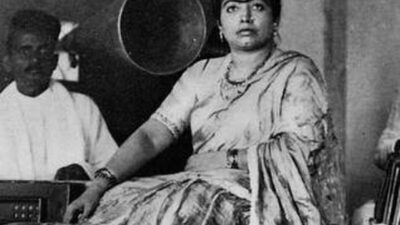
“मोरा सैयाँ बुझत नाहीं — देश ठुमरी” फ़िल्म Gramophone Company — First Indian Recordings (1903) का हिंदी गीत है। गायन गौहर जान का है, संगीत गौहर जान का है, और बोल पारंपरिक ठुमरी बंदिश ने लिखे हैं। यह राग Desh पर आधारित है, Keherwa ताल में निबद्ध, Hindustani Classical शैली का गीत। इसका प्रमुख भाव Frustrated है, अवधि 03:05 है, और यह Gramophone Concert Record लेबल से जारी हुआ।
अंग्रेज़ी में पढ़ें · Read in English
“Mora Saiyyan Bujhat Nahin — Desh Thumri” is a Hindi film song from Gramophone Company — First Indian Recordings (1903). Rendered by Gauhar Jaan, composed by Gauhar Jaan, with lyrics penned by Traditional Thumri Bandish. Musically it set in Raag Desh, to the Keherwa taal, in the Hindustani Classical idiom. Its prevailing mood is frustrated, the recording runs 03:05, released on the gramophone concert record label.
संगीत The Music
राग देश खमाज ठाट से संबंधित है और मानसून से गहरा संबंध रखता है। ठुमरी में इसका रोमांटिक आयाम उभरता है।
अंग्रेज़ी में पढ़ें · Read in English
Raag Desh belongs to the Khamaj thaat and is strongly associated with the monsoon and with patriotic sentiment. In thumri, its romantic dimension is emphasized — the alternation between shudh and komal Nishad creates a push-pull that mirrors emotional ambivalence.
काव्य The Poetry
'सैयाँ बुझत नाहीं' ठुमरी की आदर्श शिकायत है — नायिका बिना समझाए समझी जाना चाहती है।
अंग्रेज़ी में पढ़ें · Read in English
'Saiyyan bujhat nahin' is the quintessential thumri complaint — the nayika wants to be understood without having to explain herself. This reflects a sophisticated emotional intelligence: the desire to be truly known, not just heard.
कहानी The Story
कोठा परंपरा में पुरुषों की असंवेदनशीलता पर स्त्री की निराशा व्यक्त करना कला और सामाजिक टिप्पणी दोनों था।
अंग्रेज़ी में पढ़ें · Read in English
In the kotha tradition, the ability to express female frustration with male obtuseness was both art and social commentary. The thumri gave courtesans a sanctioned space to articulate emotions that were otherwise suppressed in patriarchal society.
विरासत The Legacy
'सैयाँ बुझत नाहीं' विषय शास्त्रीय ठुमरी से बॉलीवुड तक गूंजता है।
अंग्रेज़ी में पढ़ें · Read in English
The 'saiyyan bujhat nahin' theme resonates across genres — from classical thumri to Bollywood. The frustration of being misunderstood by one's partner is perhaps the most universal relationship complaint, giving this composition timeless relevance.
ऐतिहासिक महत्व Historical Significance
1900 के दशक की शुरुआत में देश ठुमरी परंपरा का प्रलेखन। राग देश बाद में देशभक्ति रचनाओं में प्रयोग के माध्यम से भारत का 'दूसरा राष्ट्रीय राग' बन गया।
अंग्रेज़ी में पढ़ें · Read in English
Documents the Desh thumri tradition as performed in the early 1900s. Raag Desh would later become India's 'second national raga' through its use in patriotic compositions.
वर्गीकरण
ClassificationGenre
अन्य विवरण
More Details- Archive of Indian Music
- Bajakhana - Early Sound Recordings
- Google Arts & Culture - Pioneering Musicians
References
रोचक तथ्य
Margin Notesराग देश 'वंदे मातरम्' और 'सारे जहाँ से अच्छा' में प्रयुक्त होता है — फिर भी ठुमरी में यह पूर्णतः रोमांटिक है।
अंग्रेज़ी में पढ़ें · Read in English
Raag Desh is used in 'Vande Mataram' and 'Saare Jahan Se Achcha', making it arguably India's most patriotic raga — yet in thumri, it is purely romantic.
संस्कृत सौंदर्यशास्त्र में अष्ट नायिका-भेद में 'खंडिता' (विश्वासघाती प्रेमी से क्रुद्ध) ठुमरी में सबसे अधिक व्यक्त प्रकार है।
अंग्रेज़ी में पढ़ें · Read in English
The nayika-bheda (classification of heroines) in Sanskrit aesthetics identifies eight types — the 'khandita' (angry with her unfaithful lover) is the type most commonly voiced in thumri.
गौहर जान ने कम से कम 8 विभिन्न रागों में ठुमरी रिकॉर्ड कीं।
अंग्रेज़ी में पढ़ें · Read in English
Gauhar Jaan recorded thumris in at least 8 different ragas, demonstrating extraordinary range in a genre some considered 'light'.
नमूना-पट्टी
The Specimen Table| शीर्षक | मोरा सैयाँ बुझत नाहीं — देश ठुमरी · Mora Saiyyan Bujhat Nahin — Desh Thumri |
|---|---|
| वर्ष · युग | 1903 — Gramophone Era |
| गायक | Gauhar Jaan |
| गीतकार | पारंपरिक ठुमरी बंदिश |
| संगीतकार | Gauhar Jaan |
| राग | Desh |
| ताल | {"name":"Keherwa (8 beats)","taal_id":"taal-keherwa","beats":8,"notes":"Desh thumris are commonly set in Keherwa, a swinging rhythm that complements the monsoon mood."} |
| अवधि | 03:05 |
| भाषा | Braj Bhasha |
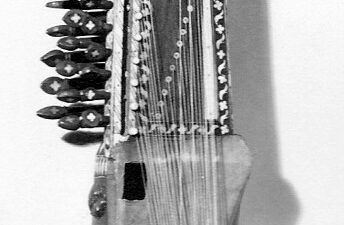
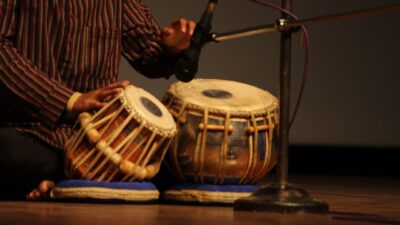
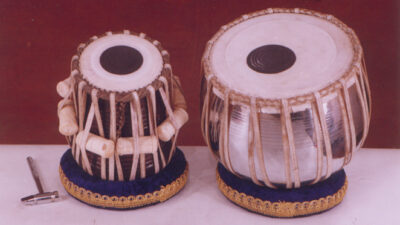
| वाद्य | Vocals · sarangi · tabla · tanpura |
| भाव | Frustrated · चुलबुला · रोमांटिक |
| लेबल | Gramophone Concert Record |
| बोल-स्थिति | सार्वजनिक |
जुड़े हुए पन्ने
Connected Plates · The Graph Made Visibleअटलस में कोई पन्ना अकेला नहीं — इस गीत से जुड़े गीत, कलाकार, फ़िल्म, राग-ताल-विधा, सब यहाँ से खुलते हैं।
मिलते-जुलते गीत · Related Songs
कलाकार · The Artists
शास्त्र-सूत्र · Shastra Threads
युग · The Era
साझा कीजिए · Share this Plate