कलाकार विंग · कलाकार-पट्टिका · Artist Plate
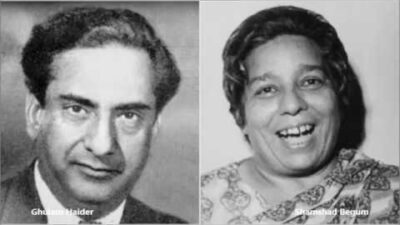
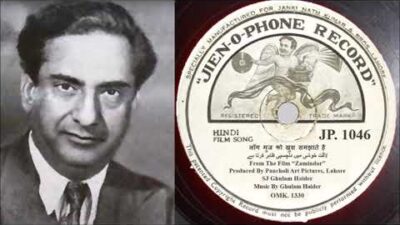
ग़ुलाम हैदर
Ghulam Haider
जन्म1908 — Hyderabad, Sindh (now Pakistan)
निधन1953 — Lahore, Pakistan
जीवन-पट्टी
The Life Specimen| नाम | ग़ुलाम हैदर · Ghulam Haider |
|---|---|
| जन्म | 1908 — Hyderabad, Sindh (now Pakistan) |
| निधन | 1953 — Lahore, Pakistan |
| भूमिकाएँ | संगीतकार · रचनाकार |
| सक्रिय वर्ष | 1935–1953 |
| राष्ट्रीयता | British India (pre-1947); Pakistani (post-1947) |
| विधाएँ | फ़िल्मी · Folk-inspired · क़व्वाली · Ghazal-Inflected · Folk-influenced |
| भाषाएँ | hindi-punjabi · urdu · hindi-urdu · hindi |
पट्टिका-लेख
The Monographजीवनी Biography
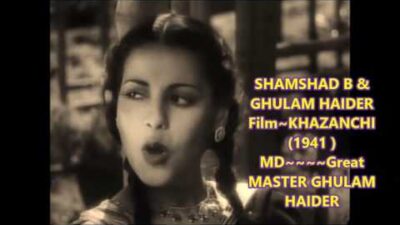
ग़ुलाम हैदर वह व्यक्ति हैं जिन्होंने हिंदी फ़िल्म संगीत की ध्वनि बदली। सिंध में जन्मे, लाहौर में प्रशिक्षित इस संगीतकार ने 'ख़ज़ानची' (1941) के साथ पंजाबी लोक-लय, ढोलक और चिमटे को मुख्यधारा सिनेमा में लाया — एक ऐसी संगीत-पट्टी जो पूरे उत्तर भारत में फट पड़ी और लोकप्रिय फ़िल्म संगीत के मुहावरे को कलकत्ता-बंगाली शास्त्रीय स्कूल से स्थायी रूप से दूर कर दिया। आगे चलकर उन्होंने लता मंगेशकर को खोजा और लॉन्च किया — उन निर्माताओं के संदेह के बावजूद जो उनकी आवाज़ को बहुत पतला मानते थे — भारतीय फ़िल्म इतिहास में कलात्मक संरक्षण के सबसे महत्त्वपूर्ण कार्यों में से एक। उनके बॉम्बे के वर्षों (1941–1947) ने दशक की सबसे प्रिय संगीत-पट्टियों में से कुछ दीं — विभाजन ने उनके भारतीय करियर को समाप्त करने से पहले। वह पाकिस्तान लौटे जहाँ बीमारी ने उस दूसरे रचनात्मक अध्याय को काट दिया जो होना चाहिए था।
अंग्रेज़ी में पढ़ें · Read in English
Ghulam Haider is the man who changed the sound of Hindi film music. The Sindhi-born, Lahore-trained composer brought Punjabi folk rhythms, the dholak, and the chimta into mainstream cinema with Khazanchi (1941), producing a soundtrack that detonated across North India and permanently shifted the idiom of popular film music away from the Calcutta-Bengali classical school. He went on to discover and launch Lata Mangeshkar, whose career he insisted on over the skepticism of producers who thought her voice too thin — one of the most consequential acts of artistic patronage in Indian film history. His Bombay years (1941–1947) produced some of the decade's most beloved soundtracks before Partition ended his Indian career. He returned to Pakistan, where illness cut short what should have been a second creative chapter.
प्रारंभिक जीवन Early Life
हैदरबाद, सिंध में जन्मे हैदर युवावस्था में लाहौर आए और शहर के समृद्ध संगीत जीवन को आत्मसात किया — पंजाबी लोक परंपरा, थिएटर संगीत और उभरती ग्रामोफ़ोन रिकॉर्डिंग संस्कृति के साथ शास्त्रीय हिंदुस्तानी प्रशिक्षण। उन्होंने 1930 के दशक के मध्य में लाहौर की पंजाबी सिनेमा में काम करना शुरू किया, उस लयात्मक शब्द-भंडार को विकसित करते हुए जो उन्हें प्रसिद्ध बनाएगा।
अंग्रेज़ी में पढ़ें · Read in English
Born in Hyderabad, Sindh, Haider moved to Lahore as a young man and absorbed the city's rich musical life — classical Hindustani training alongside the Punjabi folk tradition, theatre music and the emerging gramophone recording culture. He began working in Lahore's Punjabi cinema in the mid-1930s, developing the rhythmic vocabulary that would make him famous.
करियर Career
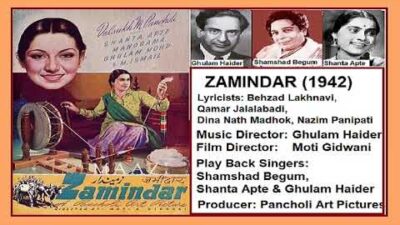
हैदर की सफलता पंचोली पिक्चर्स की 'ख़ज़ानची' (1941) के साथ आई, जो व्यावसायिक रूप से उस दौर की सबसे सफल संगीत-पट्टियों में से एक थी। इसके बाद 'खानदान' (1942) और 'हुमायूँ' (1945) आए, और फिर उन्होंने निर्माताओं के विरोध के बावजूद 'मजबूर' (1948) के लिए युवा लता मंगेशकर की वकालत करते हुए अपना सबसे स्थायी योगदान दिया। उन्होंने एक निर्माता से कहा: 'पूरा भारत एक दिन उनकी तारीफ़ करेगा।' विभाजन के बाद वह लाहौर में बस गए, पाकिस्तानी फ़िल्मों में काम किया, लेकिन 1953 में जल्द ही चल बसे।
अंग्रेज़ी में पढ़ें · Read in English
Haider's breakthrough came with Pancholi Pictures' Khazanchi (1941), which was commercially one of the most successful soundtracks of the era. He followed it with Khandaan (1942) and Humayun (1945), and then made his most lasting contribution when he championed the young Lata Mangeshkar for Majboor (1948) despite resistance from producers. He told one producer: 'The whole of India will sing her praises one day.' After Partition he settled in Lahore, working in Pakistani films, but died young in 1953.
विरासत Legacy
ग़ुलाम हैदर की दो महान विरासत: हिंदी फ़िल्म संगीत में पंजाबी ताल की क्रांति (1941), और लता मंगेशकर के करियर की शुरुआत (1948)। पहले ने बदला कि हिंदी फ़िल्म संगीत कैसा सुनाई देता है; दूसरे ने तय किया कि अगली आधी सदी तक उसे कौन गाएगा। यह दोनों उपलब्धियाँ एक ऐसे संगीतकार से आईं जिनकी पैंतालीस की उम्र में, विशेषज्ञ हलकों के बाहर गुमनामी में मृत्यु हुई — यह हिंदी संगीत इतिहास के महान अन्यायों में से एक है।
अंग्रेज़ी में पढ़ें · Read in English
Ghulam Haider's two great legacies: the Punjabi rhythm revolution in Hindi film music (1941), and the launch of Lata Mangeshkar's career (1948). The first changed what Hindi film music sounds like; the second determined who would sing it for the next half-century. That both achievements came from one composer who died at forty-five, in obscurity outside specialist circles, is one of the great injustices of Hindi music history.
गायन-शैली Musical Style
हैदर का परिभाषित योगदान पंजाबी लोक-लय शब्द-भंडार — ढोलक, चिमटा, ढोल — को फ़िल्म-संगीत संयोजन के आगे लाना था, उन्हें महज़ संगत के रूप में नहीं बल्कि बराबर के संगीत साझेदारों के रूप में मानते हुए। उन्होंने इस लयात्मक साहस को हिंदुस्तानी शास्त्रीय संगीत (विशेषकर पंचतानी रागों) में जड़ें रखने वाले एक धुन-प्रतिभा के साथ जोड़ा और शमशाद बेगम की बाहरी-प्रक्षेपण आवाज़ को अपने प्राथमिक साज़ के रूप में तैनात किया। परिणाम असामान्य जीवंतता और शारीरिक ऊर्जा की ध्वनि थी — संगीत जो शरीर की प्रतिक्रिया माँगता था।
अंग्रेज़ी में पढ़ें · Read in English
Haider's defining contribution was bringing the Punjabi folk rhythm vocabulary — dholak, chimta, dhol — to the front of the film-music arrangement, treating them not as mere accompaniment but as equal musical partners. He combined this rhythmic boldness with a melodic gift rooted in Hindustani classical music (especially the pentatonic ragas) and deployed Shamshad Begum's outdoor-projection voice as his primary instrument. The result was a sound of unusual vitality and physical energy — music that demanded the body's response.
सांस्कृतिक प्रभाव Cultural Impact
ग़ुलाम हैदर के दो रूपांतरकारी कार्य: (1) 'ख़ज़ानची' (1941) में पंजाबी लोक-लय — ढोलक, चिमटा, ढोल — को प्राथमिक संगीत-तत्वों के रूप में शामिल करना, हिंदी फ़िल्मी संगीत की ध्वनि-शब्दावली को स्थायी रूप से विस्तारित करते हुए; (2) लता मंगेशकर को खोजना और निर्माता के विरोध के बावजूद लॉन्च करना। दोनों विरासतों ने हिंदी फ़िल्मी संगीत की ध्वनि और उसके गायकों को नए सिरे से तय किया।
अंग्रेज़ी में पढ़ें · Read in English
Ghulam Haider's two transforming acts: (1) introducing Punjabi folk rhythms — dholak, chimta, dhol — as primary musical elements in Khazanchi (1941), permanently expanding the sonic vocabulary of Hindi film music; (2) discovering and launching Lata Mangeshkar, insisting on her voice against producer resistance. Both legacies reshaped what Hindi film music sounds like and who sings it.
तालीम, विधाएँ और भाषाएँ
Training · Genres · Languagesतालीम · Training
लाहौर का शास्त्रीय और लोक संगीत-परिवेश — पंजाबी लोक और रंगमंच परंपरा के साथ हिंदुस्तानी शास्त्रीय प्रशिक्षण (विशिष्ट गुरु दर्ज नहीं)
हिंदुस्तानी सुर-आधार के साथ संयुक्त पंजाबी लोक-लयात्मक नवाचार; फ़िल्म-संगीत में ढोलक और चिमटे का प्रवर्तन
विधाएँ · Genres
भाषाएँ · Languages Sung
जीवन-रेखा
Career Highlights-
1941
'ख़ज़ानची' — पंजाबी लय-क्रांति जिसने हिंदी फ़िल्मी संगीत को कलकत्ता-शास्त्रीय मुहावरे से स्थायी रूप से दूर कर दिया
Khazanchi — the Punjabi rhythm revolution that shifted Hindi film music away from Calcutta-classical idiom
- 1942 'खानदान' — 'ख़ज़ानची' की सफलता के बाद एक और मील-पत्थर संगीत Khandaan — followed up Khazanchi's success with another landmark score
-
1948
'मजबूर' के लिए लता मंगेशकर की वकालत — एक अड़ियल निर्माता से कहा 'पूरा भारत एक दिन उनकी तारीफ़ करेगा'
Championed Lata Mangeshkar for Majboor — telling a resistant producer 'The whole of India will sing her praises'
पुरस्कार एवं सम्मान
Awards & Recognition-
सम्मान
जीवनकाल में कोई औपचारिक पुरस्कार नहीं; पाकिस्तानी संगीत संस्थाओं ने मरणोपरांत उनकी स्मृति सम्मानित की है
No formal awards in his lifetime; Pakistani music institutions have honoured his memory posthumously
अन्य विवरण
More Details- Birth Year
- 1908
- Death Year
- 1953
- Active Years
- 1935–1953
Early Life
हैदरबाद, सिंध में जन्मे हैदर युवावस्था में लाहौर आए और शहर के समृद्ध संगीत जीवन को आत्मसात किया — पंजाबी लोक परंपरा, थिएटर संगीत और उभरती ग्रामोफ़ोन रिकॉर्डिंग संस्कृति के साथ शास्त्रीय हिंदुस्तानी प्रशिक्षण। उन्होंने 1930 के दशक के मध्य में लाहौर की पंजाबी सिनेमा में काम करना शुरू किया, उस लयात्मक शब्द-भंडार को विकसित करते हुए जो उन्हें प्रसिद्ध बनाएगा।
Born in Hyderabad, Sindh, Haider moved to Lahore as a young man and absorbed the city's rich musical life — classical Hindustani training alongside the Punjabi folk tradition, theatre music and the emerging gramophone recording culture. He began working in Lahore's Punjabi cinema in the mid-1930s, developing the rhythmic vocabulary that would make him famous.
Career
हैदर की सफलता पंचोली पिक्चर्स की 'ख़ज़ानची' (1941) के साथ आई, जो व्यावसायिक रूप से उस दौर की सबसे सफल संगीत-पट्टियों में से एक थी। इसके बाद 'खानदान' (1942) और 'हुमायूँ' (1945) आए, और फिर उन्होंने निर्माताओं के विरोध के बावजूद 'मजबूर' (1948) के लिए युवा लता मंगेशकर की वकालत करते हुए अपना सबसे स्थायी योगदान दिया। उन्होंने एक निर्माता से कहा: 'पूरा भारत एक दिन उनकी तारीफ़ करेगा।' विभाजन के बाद वह लाहौर में बस गए, पाकिस्तानी फ़िल्मों में काम किया, लेकिन 1953 में जल्द ही चल बसे।
Haider's breakthrough came with Pancholi Pictures' Khazanchi (1941), which was commercially one of the most successful soundtracks of the era. He followed it with Khandaan (1942) and Humayun (1945), and then made his most lasting contribution when he championed the young Lata Mangeshkar for Majboor (1948) despite resistance from producers. He told one producer: 'The whole of India will sing her praises one day.' After Partition he settled in Lahore, working in Pakistani films, but died young in 1953.
Legacy
ग़ुलाम हैदर की दो महान विरासत: हिंदी फ़िल्म संगीत में पंजाबी ताल की क्रांति (1941), और लता मंगेशकर के करियर की शुरुआत (1948)। पहले ने बदला कि हिंदी फ़िल्म संगीत कैसा सुनाई देता है; दूसरे ने तय किया कि अगली आधी सदी तक उसे कौन गाएगा। यह दोनों उपलब्धियाँ एक ऐसे संगीतकार से आईं जिनकी पैंतालीस की उम्र में, विशेषज्ञ हलकों के बाहर गुमनामी में मृत्यु हुई — यह हिंदी संगीत इतिहास के महान अन्यायों में से एक है।
Ghulam Haider's two great legacies: the Punjabi rhythm revolution in Hindi film music (1941), and the launch of Lata Mangeshkar's career (1948). The first changed what Hindi film music sounds like; the second determined who would sing it for the next half-century. That both achievements came from one composer who died at forty-five, in obscurity outside specialist circles, is one of the great injustices of Hindi music history.
Musical Style
हैदर का परिभाषित योगदान पंजाबी लोक-लय शब्द-भंडार — ढोलक, चिमटा, ढोल — को फ़िल्म-संगीत संयोजन के आगे लाना था, उन्हें महज़ संगत के रूप में नहीं बल्कि बराबर के संगीत साझेदारों के रूप में मानते हुए। उन्होंने इस लयात्मक साहस को हिंदुस्तानी शास्त्रीय संगीत (विशेषकर पंचतानी रागों) में जड़ें रखने वाले एक धुन-प्रतिभा के साथ जोड़ा और शमशाद बेगम की बाहरी-प्रक्षेपण आवाज़ को अपने प्राथमिक साज़ के रूप में तैनात किया। परिणाम असामान्य जीवंतता और शारीरिक ऊर्जा की ध्वनि थी — संगीत जो शरीर की प्रतिक्रिया माँगता था।
Haider's defining contribution was bringing the Punjabi folk rhythm vocabulary — dholak, chimta, dhol — to the front of the film-music arrangement, treating them not as mere accompaniment but as equal musical partners. He combined this rhythmic boldness with a melodic gift rooted in Hindustani classical music (especially the pentatonic ragas) and deployed Shamshad Begum's outdoor-projection voice as his primary instrument. The result was a sound of unusual vitality and physical energy — music that demanded the body's response.
अभिलेख-सार
Discography Summary| संग्रह में गीत | 24 — नीचे जुड़े हुए पन्नों में सूचीबद्ध |
|---|---|
| रिकॉर्डिंग-काल | 1935–1953 |
| प्रमुख भूमिका | संगीतकार · रचनाकार |
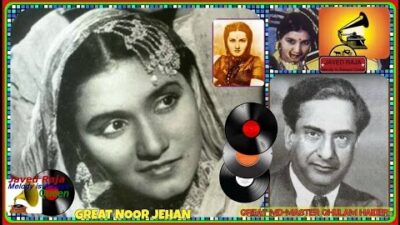
| नित्य सहयोगी | Shamshad Begum · Noor Jehan · Lata Mangeshkar · Hafeez Jalandhari |
| हस्ताक्षर-गीत | Sawan Ke Nazaare Hain (Khazanchi 1941) · Afsana Likh Rahi Hoon (Dard 1947) |
| स्रोत | derived from available Hindi film music records |
जुड़े हुए पन्ने
Connected Plates · The Graph Made Visibleअटलस में कोई पन्ना अकेला नहीं — ग़ुलाम हैदर से उनके गीत, फ़िल्में, घराना, समकालीन और युग, सब यहाँ से खुलते हैं।
हस्ताक्षर-गीत · Signature Songs
फ़िल्में · The Films
साझा कीजिए · Share this Plate