शास्त्र विंग · वाद्य-पट्टिका · Instrument Plate
तबला
Tabla
भारतीय शास्त्रीय संगीत का सर्वश्रेष्ठ लय वाद्य यंत्र · The paramount percussion instrument of Indian classical music
अन्य नामतबलक्स · पखावज़ · खोल · Tabl
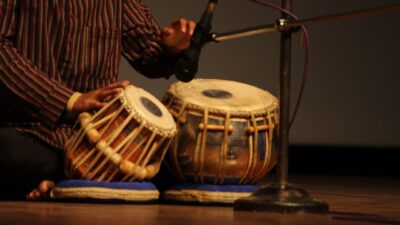
एक पंक्तितबला दो भिन्न ड्रमों (दायां और बायां) का एक जोड़ा है जो भारतीय संगीत में सबसे महत्वपूर्ण लय वाद्य यंत्र माना जाता है।
परिचय
Overviewतबला भारतीय संगीत का हृदय है। यह सिर्फ एक वाद्य यंत्र नहीं है, बल्कि एक संपूर्ण संचार प्रणाली है जो संगीत के अंदर की गहरी भाषा को व्यक्त करती है। तबले का इतिहास 13वीं शताब्दी तक पहुंचता है, और कुछ विद्वान इसे अमीर खुसरो से जोड़ते हैं। हालांकि, तबले का वर्तमान रूप 18वीं शताब्दी में स्थापित हुआ और तब से यह भारतीय संगीत का अभिन्न अंग बना हुआ है। तबले की सबसे अद्भुत विशेषता यह है कि यह हजारों विभिन्न ध्वनियां निकाल सकता है। दायन की तेज़, स्पष्ट ध्वनि से लेकर बायन की गहरी, गर्जनात्मक ध्वनि तक, तबले का ध्वनि स्पेक्ट्रम बहुत विस्तृत है। यह ध्वनि विविधता तबले को केवल एक लय वाद्य यंत्र से कहीं अधिक बनाती है। यह एक भाषा है। 'बोल' प्रणाली के माध्यम से, तबले को हजारों शब्द सिखाए गए हैं, और एक कुशल तबला वादक इन बोलों के माध्यम से एक पूरी कहानी बता सकता है। तबले का संगीत में महत्व सर्वोच्च है। गायकी हो या सितार, बांसुरी हो या हारमोनियम, तबला हर गायक और सांगीतिक वाद्य यंत्र के साथ बिना किसी परिचय के चलता है। तबला का यह सार्वभौमिक संगत की क्षमता इसे इतना महत्वपूर्ण बनाती है। यह ताल का राजा है, लय का शासक है।
अंग्रेज़ी में पढ़ें · Read in English
The tabla is the heartbeat of Indian music. It is not merely a percussion instrument but a complete communication system expressing the profound language within music itself. Its history traces to the 13th century, with some scholars crediting Amir Khusro, though the modern tabla took shape in the 18th century and has remained central to Indian classical music ever since.
The tabla's most remarkable quality is its ability to produce thousands of distinct sounds. From the dayan's sharp, cutting tones to the bayan's deep, resonant rumble, the tabla's sonic palette is extraordinarily rich. This sonic diversity elevates the tabla far beyond a mere rhythm keeper—it becomes a language. Through the 'bol' system, the tabla has been taught thousands of syllables, allowing skilled players to narrate entire stories rhythmically.
The tabla's importance in music is paramount. Whether accompanying a singer, sitar, flute, or harmonium, it integrates seamlessly with all musical voices. This universal accompaniment capability makes it indispensable. The tabla is the king of rhythm, the sovereign of tempo.
काव्य-पंक्ति · The Verse
काव्य-पंक्ति
तबले की थाप सुनो, जैसे दिल की धड़कन, ताल की गली में खोया, ढूंढ़ रहा हूं मन की शांति, दायन बोले, बायन सुने, सुरों का संवाद, तबला है जीवन का संगीत, हर पल का इक साथ।
— हिंदीगीत संग्रहालय Listen to the tabla's heartbeat, like the pulse of the heart, Lost in the lane of rhythm, seeking peace of mind, Dayan speaks, bayan listens, melodies in conversation, Tabla is the music of life, accompanying every moment.
वर्गीकरण
ClassificationNatya Shastra
अवनद्ध
Avanaddha (membrane-covered percussion)
नाट्यशास्त्र में तबला को अवनद्ध वाद्य यंत्र के रूप में वर्गीकृत किया जाता है, जिसका अर्थ है कि इसमें चमड़े से ढके हुए सदस्य होते हैं।
In Natya Shastra classification, tabla falls under Avanaddha (membrane-covered) instruments, meaning it features stretched leather heads.
Western
Percussion
Hand drums / Kettle drums
पश्चिमी संगीत वर्गीकरण में तबला एक हाथ से बजाया जाने वाला ड्रम है जो टिम्पैनी (कौटल ड्रम) परिवार में आता है।
In Western classification, tabla is a hand-played drum belonging to the kettle drum or timpani family of percussion.
Hornbostel Sachs
211.261
Membranophones, directly struck by hands; kettle-drums and single headed drums
सिनेमा में
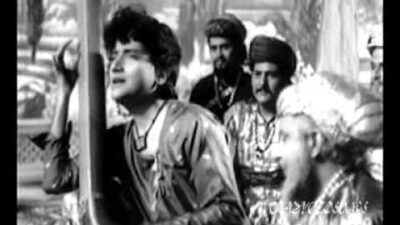
In Cinemaहिंदी फिल्म संगीत में तबला एक अपरिहार्य वाद्य यंत्र है। लगभग हर हिंदी फिल्म का संगीत तबले के साथ होता है। तबला फिल्म संगीत में विविध भूमिकाएं निभाता है—कभी यह पृष्ठभूमि में होता है, कभी यह मुख्य भूमिका निभाता है। 'तीनताल' (16-बीट) सबसे सामान्य ताल है जिसका उपयोग हिंदी फिल्म संगीत में किया जाता है। गणेश साधु, भट्टाचार्य और बिस्मिल्लाह खान जैसे महान तबला वादकों ने हिंदी फिल्म संगीत को समृद्ध किया है। राज कपूर, आमिर खान और अन्य फिल्मों में नृत्य के दृश्यों में तबले को बहुत प्रमुखता से दिखाया गया है। फिल्मों के गीतों में तबले की ध्वनि दर्शकों को भावनात्मक स्तर पर जोड़ती है।
अंग्रेज़ी में पढ़ें · Read in English
The tabla is indispensable in Hindi film music. Almost every Hindi film features tabla accompaniment in various roles—from background rhythm to prominent solos. 'Teentaal' (16-beat) is the most common taal in Hindi cinema. Legendary tabla players like Ganesh Sadhu, Bhattacharya, and Bismillah Khan enriched Hindi film music. Dance sequences in Raj Kapoor, Aamir Khan, and other films prominently featured the tabla. Its rhythmic pulse connects audiences emotionally to the music and drama unfolding on screen.
वर्तमान स्थिति
Modern Statusविवरण
आज का तबला परिदृश्य मिश्रित है। एक ओर, तबला अभी भी हिंदुस्तानी संगीत का केंद्रीय वाद्य यंत्र है और विश्वभर में लोकप्रिय है। दूसरी ओर, परंपरागत तबला शिक्षा में गिरावट आई है। डिजिटल संगीत और इलेक्ट्रॉनिक ड्रम की बढ़ती प्रवृत्ति के कारण, युवा लोग तबला सीखने के लिए कम इच्छुक हैं। हालांकि, अंतर्राष्ट्रीय स्तर पर तबले की रुचि बढ़ी है। ज़ाकिर हुसैन जैसे महान कलाकारों ने तबले को विश्व मंच पर ला दिया है। कई युवा तबला वादक नए और पारंपरिक संगीत के संमिश्रण के साथ प्रयोग कर रहे हैं। ऑनलाइन शिक्षा के माध्यम से, तबला सीखना अब अधिक सुलभ हो गया है।
अंग्रेज़ी में पढ़ें · Read in English
Today's tabla landscape is mixed. On one hand, it remains central to Hindustani music and has found global audiences. On the other hand, traditional tabla transmission faces challenges from digitalization and electronic percussion alternatives. Youth interest in classical tabla training has declined. Conversely, international interest has grown significantly. Contemporary maestros like Zakir Hussain have elevated tabla on the world stage. Young players are experimenting with fusion and innovative approaches. Online learning platforms have made tabla education more accessible than ever before.
Estimated Players
5,000-10,000 professional tabla players globally
Revival Efforts
तबला को पुनर्जीवित करने के प्रयास जारी हैं। विश्वविद्यालयों में तबला विभागों की स्थापना, ऑनलाइन शिक्षा प्लेटफॉर्म, और अंतर्राष्ट्रीय सहयोग से तबला को नई जीवनशक्ति मिल रही है। फेस्टिवल और संगीत समारोहों में तबला प्रदर्शनी की संख्या बढ़ रही है। सांस्कृतिक संगठन, सरकारी समर्थन और निजी प्रयासों के माध्यम से तबले की परंपरा को संरक्षित किया जा रहा है।
अंग्रेज़ी में पढ़ें · Read in English
Revival efforts include establishing university tabla programs, online learning platforms, and international collaborations. Festival presentations and cultural initiatives are increasing tabla visibility. Government recognition and private initiatives help preserve the tradition while adapting it for contemporary learners.
बनावट
Physicalविवरण
तबला एक अद्वितीय वाद्य यंत्र है जो दो अलग-अलग ड्रमों का एक जोड़ा होता है। दायां ड्रम, जिसे 'दायां' या 'दायन' कहा जाता है, आमतौर पर लकड़ी से बनाया जाता है और इसका व्यास लगभग 4-5 इंच होता है। बायां ड्रम, जिसे 'बायां' कहते हैं, धातु (आमतौर पर तांबा) से बना होता है और इसका व्यास 8-10 इंच तक हो सकता है। दोनों ड्रमों के ऊपर चमड़े की झिल्ली होती है जिसे 'पड़' कहा जाता है। इन झिल्लियों को विशेष मिश्रण से बने पेस्ट 'सिया' या 'स्याही' से ट्यून किया जाता है। ड्रमों को चमड़े की पट्टियों (गजरा) से एक दूसरे से बांधा जाता है, और ये पट्टियां ड्रम के ऊपर से होकर गुजरती हैं, जिससे खिंचाव और ट्यूनिंग को नियंत्रित किया जा सकता है। तबले का निर्माण अत्यंत सूक्ष्म और कलात्मक है। दायन की लकड़ी आमतौर पर नीम, शीशम या सागौन से बनाई जाती है। बायन का शरीर हल्का और पतला होता है ताकि यह गहरी, अनुरणनात्मक आवाज़ दे सके। दोनों ड्रमों के किनारे आमतौर पर गोल होते हैं। तबले को बैठकर दोनों पैरों के बीच रखा जाता है, दायां ड्रम दाहिने पैर की ओर और बायां ड्रम बाएं पैर की ओर। तबले के सबसे महत्वपूर्ण अंग हैं: (1) शरीर या 'बॉडी' जो लकड़ी की खोखली संरचना है, (2) पड़ या झिल्ली जो चमड़े की है, (3) सिया या स्याही जो काली पेस्ट है और ध्वनि को नियंत्रित करती है, (4) गजरा जो चमड़े की पट्टियां हैं, और (5) पुड़ी जो झिल्ली के नीचे की परत है।
अंग्रेज़ी में पढ़ें · Read in English
The tabla is a unique pair of hand drums comprising two distinct instruments. The right drum, called 'dayan' or 'dahin,' is usually made of wood with a diameter of approximately 4-5 inches. The left drum, called 'bayan,' is made of metal (typically copper) and can be 8-10 inches in diameter. Both drums are topped with leather membranes called 'pads.' These membranes are tuned using a special paste mixture called 'syahi' or 'ink.' The drums are bound together with leather straps called 'gajra,' which pass over the drum heads, allowing tension and tuning adjustments.
The tabla's construction is exceptionally refined and artistic. The dayan is typically crafted from neem, rosewood, or teak wood. The bayan body is light and thin to produce deep, resonant tones. Both drum rims are usually rounded. The tabla is played while sitting with the drums positioned between the legs—the right drum toward the right leg and the left drum toward the left leg.
The most crucial components are: (1) the body, a hollow wooden structure, (2) the pads, made of leather, (3) the syahi, a black paste controlling sound, (4) the gajra, leather straps for tension, and (5) the pudi, the layer beneath the membrane.
Dimensions
दायन: 20-25 सेमी, बायन: 25-30 सेमी
दायन: 10-13 सेमी व्यास, बायन: 20-25 सेमी व्यास
दायन: 2-3 किग्रा, बायन: 3-4 किग्रा
Strings Or Keys
तबले में तार नहीं होते, बल्कि इसमें दो झिल्लियां (मेम्ब्रेन) होती हैं। ये झिल्लियां हाथों से सीधे बजाई जाती हैं। दायन की झिल्ली का व्यास छोटा होता है और यह तेज़ आवाज़ देती है, जबकि बायन की झिल्ली बड़ी होती है और गहरी आवाज़ देती है।
The tabla has no strings but features two membranes played directly with the hands. The dayan membrane is smaller and produces high tones, while the bayan membrane is larger and yields deeper bass tones.
2 main membranes (dayan and bayan)
Leather (goat, cow, or buffalo hide)
Tuning
हाथ द्वारा ट्यूनिंग - गजरा को खींचकर या ढीला करके पिच को नियंत्रित किया जाता है। दायन को आमतौर पर 'सा' या 'पा' में और बायन को 'सा' या अन्य नोट में ट्यून किया जाता है।
Hand tuning—the pitch is adjusted by tightening or loosening the gajra (straps). The dayan is typically tuned to 'Sa' or 'Pa,' while the bayan is tuned to 'Sa' or another note.
दायन: सा, बायन: सा (तीन ऑक्टेव नीचे)
3-4 octaves spanning from deep bass (bayan) to bright treble (dayan)
Construction
दायां ड्रम तबले का ऊंचा और पतला अंग है जो तेज़ और स्पष्ट ध्वनि देता है। यह लकड़ी से बना होता है और इसकी लंबाई लगभग 20-25 सेमी होती है।
The dayan is the smaller, higher-pitched drum that produces sharp and clear tones. Made of wood, it stands approximately 20-25 cm tall and delivers crisp treble sounds.
बायां ड्रम तबले का बड़ा और गहरा अंग है जो गहरी, अनुरणनात्मक ध्वनि देता है। यह तांबे, पीतल या अन्य धातु से बना होता है और इसका व्यास 20-25 सेमी तक हो सकता है।
The bayan is the larger, deeper drum producing resonant bass tones. Made of metal (copper, brass, or other alloys), it can measure up to 20-25 cm in diameter and is responsible for the low, warm tones.
चमड़े की झिल्लियां जो ड्रम के ऊपर खिंची होती हैं। आमतौर पर बकरी, गाय या भैंस के चमड़े से बनाई जाती हैं। दोनों ड्रमों पर अलग-अलग मोटाई की झिल्लियां होती हैं।
Leather membranes stretched across the drum heads, typically made from goat, cow, or buffalo hide. Different thicknesses are used for each drum to achieve distinct pitch ranges.
काली पेस्ट जो झिल्ली के केंद्र में लगाई जाती है। यह चावल की पॉलिशिंग, काजल, और अन्य सामग्रियों से बनाई जाती है। यह ध्वनि को गहरा करती है और ट्यूनिंग को नियंत्रित करती है।
A black paste applied to the center of the membrane, made from rice powder, charcoal, and other ingredients. It deepens the tone and allows precise tuning of pitch.
चमड़े की पट्टियां जो दोनों ड्रमों को एक दूसरे से जोड़ती हैं और झिल्लियों के तनाव को नियंत्रित करती हैं। इन्हें खींचकर या ढीला करके ड्रम को ट्यून किया जा सकता है।
Leather straps that connect the two drums and regulate membrane tension. By tightening or loosening these straps, the drummer can adjust pitch and tone during performance.
ध्वनि-चरित्र
SoundTonal Character
तबले की ध्वनि अत्यंत विविध और अभिव्यंजक होती है। दायन की ध्वनि तेज़, स्पष्ट और चमकदार होती है, जबकि बायन की ध्वनि गहरी, गर्जनात्मक और अनुरणनात्मक होती है। एक कुशल तबला वादक हजारों विभिन्न ध्वनियां निकाल सकता है, जो हाथ की स्थिति, उंगलियों के दबाव और झिल्ली पर प्रहार की जगह पर निर्भर करती हैं। तबले की ध्वनि मानव आवाज़ जितनी ही अभिव्यंजक हो सकती है।
अंग्रेज़ी में पढ़ें · Read in English
The tabla's sound is remarkably diverse and expressive. The dayan produces bright, crisp, and clear tones, while the bayan yields deep, resonant, and thunderous sounds. A skilled tabla player can produce thousands of distinct sounds, depending on hand position, finger pressure, and the strike location on the membrane. The tabla can be as expressive as the human voice.
Timbre
तबले की ध्वनि में एक अनूठी गुणवत्ता होती है जो तत्काल पहचानी जा सकती है। इसमें चमकदार और गहरे दोनों स्वर होते हैं, और यह अपनी 'शार्पनेस' के लिए प्रसिद्ध है।
अंग्रेज़ी में पढ़ें · Read in English
The tabla's timbre is uniquely identifiable, combining bright and deep tones with characteristic sharpness and clarity that cuts through an ensemble.
Dynamic Range
तबले की गतिशील सीमा बहुत व्यापक है। इसे बहुत धीरे धीरे (पियानीसीमो) से लेकर बहुत जोर से (फोर्टिसीमो) बजाया जा सकता है। एक ही हल्के स्पर्श से लेकर तीव्र प्रहार तक की ध्वनियां निकाली जा सकती हैं।
अंग्रेज़ी में पढ़ें · Read in English
The tabla has an exceptionally wide dynamic range, playable from very soft whispers to thunderous fortissimos. A single tap can produce barely audible sounds, while powerful strikes create overwhelming volume.
Comparison
तबले की ध्वनि को कई तरीकों से वर्णित किया जा सकता है। दायन की ध्वनि ड्रमस्टिक से बजाई गई ड्रम की तरह साफ़ और पारदर्शी होती है, जबकि बायन की ध्वनि कम फ्रीक्वेंसी वाली गहरी ड्रम (जैसे बास ड्रम) जैसी होती है, लेकिन अधिक जटिल और अनुरणनात्मक।
अंग्रेज़ी में पढ़ें · Read in English
The tabla's dayan sounds like a drumstick-struck drum—crisp and transparent. The bayan resembles a bass drum but with greater complexity and resonance. Together, they produce a palette comparable to a full percussion ensemble compressed into two drums.
वादन-तकनीक
Playing Techniqueविवरण
तबला बजाना एक जटिल कला है जिसमें हाथ, उंगलियां और कलाई का सूक्ष्म नियंत्रण आवश्यक है। दोनों हाथों का उपयोग किया जाता है, प्रत्येक हाथ अलग-अलग भूमिकाएं निभाता है। दायां हाथ आमतौर पर दायन पर जटिल प्रहार करता है, जबकि बायां हाथ बायन को नियंत्रित करता है। सभी पांच उंगलियों का उपयोग बजाने के लिए किया जाता है—अंगूठा, तर्जनी, मध्यमा, अनामिका और कनिष्ठा। हाथ की स्थिति, उंगलियों के दबाव की ताकत, और झिल्ली पर प्रहार की सटीकता सभी अलग-अलग ध्वनियां उत्पन्न करते हैं। तबला बजाने की बुनियादी स्थिति में खेलने वाला आमतौर पर पालथी मारकर बैठता है, दोनों पैरों के बीच तबला रखा होता है। दायना दाहिने पैर की ओर और बायन बाएं पैर की ओर रखा जाता है। कलाई को एक सुविधाजनक स्थिति में रखा जाता है जो लचीलेपन और गति की अनुमति देता है। तबले में 'ठेका' नामक एक बुनियादी लय पैटर्न होता है, जो संगीत का आधार बनता है। इसे अलग-अलग तालों (समय हस्ताक्षर) में बजाया जाता है। सबसे आम ठेका 16-बीट या 8-बीट के हैं। तबला वादक ठेका को जाने-अनजाने में बजाते हैं और फिर इसके ऊपर जटिल भाग (कायदे, रेले, तुक्के) का निर्माण करते हैं।
अंग्रेज़ी में पढ़ें · Read in English
Playing the tabla is a complex art requiring fine control of hands, fingers, and wrists. Both hands are employed, each performing distinct roles. The right hand typically executes complex strokes on the dayan, while the left hand controls the bayan. All five fingers are used—thumb, index, middle, ring, and pinky—with each producing different sounds based on pressure, finger positioning, and strike location.
The traditional playing posture involves sitting cross-legged with the tabla between the legs—dayan toward the right and bayan toward the left. The wrists are held in a flexible position enabling speed and precision.
The tabla features a fundamental rhythmic cycle called 'theka,' which serves as the foundation of the music. This is played in different taals (time signatures), with 16-beat and 8-beat cycles being most common. Tabla players maintain the theka while building complex improvisations on top of it.
Posture
तबला वादक आमतौर पर पालथी मारकर बैठता है, दोनों पैरों के बीच दोनों ड्रम रखे होते हैं। कंधे आरामदायक रूप से नीचे होते हैं, और कलाई को ड्रम के पास लाई जाती है ताकि तेज़ और सटीक प्रहार संभव हो।
अंग्रेज़ी में पढ़ें · Read in English
The tabla player sits cross-legged with both drums positioned between the legs. Shoulders remain relaxed, and wrists are held near the drum heads for rapid, precise strikes.
Techniques
तबला की सबसे महत्वपूर्ण विशेषता इसके 'बोल' हैं—विशेष शब्दांश जो विभिन्न ध्वनियों का प्रतिनिधित्व करते हैं। 'ठा', 'धिन', 'धिनधिन', 'तिन', 'ता', 'किट' आदि विभिन्न बोल हैं। इन बोलों को गाया और बजाया दोनों जाता है। बोलों की एक प्रणाली का पालन करके, तबला वादक जटिल ताल पैटर्न को याद रखते हैं और संचारित करते हैं। इस प्रणाली का गणितीय सटीकता है।
The most crucial aspect of tabla is the concept of 'bols'—syllables that represent different sounds. 'Tha,' 'dhin,' 'dhindhim,' 'tin,' 'ta,' and 'kit' are various bols. These can be both sung and played, creating a mnemonic system for complex rhythmic patterns. The bol system has mathematical precision, allowing patterns to be memorized and transmitted across generations.
ठेका एक संपूर्ण ताल चक्र (आमतौर पर 8, 10, 12 या 16 बीट) का बुनियादी पैटर्न है। यह तबला वादक द्वारा पूरे प्रदर्शन के दौरान अंतर्निहित रूप से बनाए रखा जाता है। सबसे प्रसिद्ध ठेका 'तीनताल' है जो 16 बीट का है और हिंदी फिल्म संगीत में सबसे अधिक उपयोग होता है।
The theka is the fundamental pattern of a complete taal cycle, typically containing 8, 10, 12, or 16 beats. It forms the rhythmic foundation maintained by the tabla player throughout a performance. The most famous theka is 'Teentaal' (16-beat), widely used in Hindi film music.
कायदा एक पारंपरिक तबला रचना है जो विभिन्न बोलों को संगठित तरीके से प्रस्तुत करती है। यह आमतौर पर दो भागों (पहली और दूसरी कली) में विभाजित होती है। कायदे का उपयोग तबला की तकनीकी क्षमता को प्रदर्शित करने और शिष्य को सिखाने के लिए किया जाता है।
A kaida is a traditional tabla composition presenting various bols in an organized manner, typically divided into two sections. Kaidas showcase technical skill and serve as pedagogical tools for student development.
रेला एक तीव्र, निरंतर अभिव्यक्ति है जहां तबला वादक बहुत तेज़ी से ताल के विभिन्न भागों के साथ अलग-अलग ढंग से खेलता है। यह तबला वादक की गति, सटीकता और स्मृति का एक शानदार प्रदर्शन है।
A rela is a rapid, continuous improvisation where the tabla player executes fast passages across different taal segments, demonstrating virtuosic speed, precision, and memory.
तुक्का एक छोटी, तीव्र लय पैटर्न है जो ताल में एक निश्चित बिंदु पर समाप्त होती है। यह अक्सर ताल के 'सम' (पहली बीट) पर खत्म होती है, जो संगीतात्मक रूप से प्रभावशाली होती है।
A tukka is a short, rapid rhythmic phrase that resolves at a specific point in the taal, often landing precisely on the 'sam' (first beat), creating musical climax.
निर्माण-प्रक्रिया
Making Processविवरण
तबले का निर्माण एक अत्यंत कुशल कला है जिसमें महीनों का समय लग सकता है। निर्माण प्रक्रिया दायन (दायां ड्रम) से शुरू होती है, जहां उचित लकड़ी को सावधानीपूर्वक चुना जाता है। लकड़ी को कई महीनों तक सूखने दिया जाता है। फिर इसे खोदकर (टर्निंग प्रक्रिया) एक खोखली सिलेंडर बनाया जाता है। बायन (बायां ड्रम) का निर्माण अलग है—धातु की एक शीट को हथौड़ों से प्रहार करके सही आकार दिया जाता है। झिल्लियां (पड़) तैयार करने के लिए, जानवर की चमड़े को साफ़ किया जाता है, खिंचाव दिया जाता है, और सूखने दिया जाता है। सिया (काली पेस्ट) को विभिन्न प्राकृतिक सामग्रियों से सावधानीपूर्वक तैयार किया जाता है। समस्त घटकों को एक साथ असेंबल किया जाता है, और ड्रम को कई दिनों तक ट्यून किया जाता है। अंत में, तबले को बजाया जाता है और सुनो और अलग-अलग ध्वनियों के लिए सूक्ष्म समायोजन किए जाते हैं।
अंग्रेज़ी में पढ़ें · Read in English
Tabla crafting is a highly skilled art that can take months to complete. The process begins with the dayan, where appropriate wood is carefully selected and dried for months. The wood is then turned (hollowed) into a cylinder. The bayan's construction differs—a sheet of metal is hammered into shape over multiple sessions.
Membranes are prepared by cleaning, stretching, and drying animal leather. The syahi (black paste) is carefully prepared from natural materials. All components are assembled, and the tabla is tuned over several days. Finally, it is played, adjusted, and fine-tuned until the desired sound is achieved.
Materials
नीम, शीशम, या सागौन की लकड़ी का उपयोग किया जाता है। यह कठोर, घनत्व वाली और समय के साथ सूखने पर अच्छी गुणवत्ता की ध्वनि देती है।
Neem, rosewood, or teak wood is preferred for its hardness, density, and superior resonant qualities as it ages.
तांबा, पीतल, या स्टील का उपयोग किया जाता है। तांबा सबसे अधिक पसंदीदा है क्योंकि यह गहरी, गर्जनात्मक ध्वनि देता है।
Copper, brass, or steel are used, with copper being preferred for its deep, resonant tones.
बकरी, गाय, या भैंस के चमड़े का उपयोग किया जाता है। चमड़े की गुणवत्ता ध्वनि की गुणवत्ता को सीधे प्रभावित करती है।
Goat, cow, or buffalo leather is used; leather quality directly impacts sound quality.
चावल की पॉलिशिंग, काजल, गोंद, और अन्य प्राकृतिक सामग्रियों से बनाई जाती है। यह ध्वनि को नियंत्रित करने के लिए महत्वपूर्ण है।
Made from rice flour, charcoal, glue, and natural materials; critical for tone control.
Artisan Centers
दिल्ली के चांदनी चौक और पुरानी दिल्ली क्षेत्रों में तबले के निर्माता आते हैं जो 'दिल्ली घराना' की परंपरा को आगे बढ़ाते हैं।
Chandni Chowk and Old Delhi have been centers of tabla crafting for centuries, maintaining the 'Delhi Gharana' tradition.
लखनऊ तबले की कारीगरी का एक अन्य प्रसिद्ध केंद्र है, जहां 'लखनऊ घराना' की शैली के तबले बनाए जाते हैं।
Lucknow is another renowned tabla crafting center, home to the 'Lucknow Gharana' style of tabla making.
बनारस में तबले के निर्माताओं की एक परंपरा है जहां उच्च गुणवत्ता के तबले बनाए जाते हैं।
Varanasi has a tradition of tabla makers producing high-quality instruments with distinctive characteristics.
पंजाब क्षेत्र में 'पंजाब घराना' की शैली के तबले बनाए जाते हैं, जो अपनी तीव्र ध्वनि के लिए प्रसिद्ध हैं।
Punjab produces tabla instruments in the 'Punjab Gharana' style, known for sharp, incisive tones.
Time To Craft
4-8 weeks (6 weeks average)
Price Range
₹15,000-200,000 (hand-crafted, varies by maker fame and materials)
संगीत-समूह में भूमिका
Role In EnsemblePrimary Role
तबला हिंदुस्तानी संगीत में मुख्य लय वाद्य यंत्र है। यह गायन, सितार, बांसुरी आदि सभी वाद्य यंत्रों के साथ साथ रहता है। इसकी प्रमुख भूमिका लय को स्थापित करना, बनाए रखना और उसे उन्नत करना है।
अंग्रेज़ी में पढ़ें · Read in English
The tabla is the principal percussion instrument in Hindustani music, accompanying vocal and instrumental performances. Its primary role is to establish, maintain, and enhance the rhythmic structure.
Solo Capability
तबला एकल वाद्य यंत्र के रूप में भी प्रदर्शन किया जा सकता है। एकल तबला प्रदर्शन में, तबला वादक कायदे, रेले, तुक्के और अन्य रचनाओं को प्रस्तुत करते हैं। यह अत्यंत कौशलपूर्ण और शारीरिक रूप से मांग वाला होता है।
अंग्रेज़ी में पढ़ें · Read in English
The tabla can be performed as a solo instrument, showcasing complex compositions, rapid improvisations, and technical prowess. Solo tabla recitals are highly sophisticated and physically demanding.
Accompaniment For
तबला खयाल गायन का सबसे महत्वपूर्ण साथी है। गायक के साथ ताल को आगे बढ़ाते हुए, तबला बजता है और समर्थन प्रदान करता है।
The tabla is the essential companion to khyal singing, supporting the vocalist while advancing the rhythmic structure.
सितार के साथ तबला का संयोजन भारतीय संगीत का एक विशिष्ट रूप है। तबला सितार के साथ ताल को बनाए रखता है और दोनों आमतौर पर एक-दूसरे के साथ चलते हैं।
The tabla-sitar combination is iconic in Indian music, with the tabla maintaining rhythm while both instruments engage in musical dialogue.
बांसुरी के साथ तबला का संयोजन बहुत लोकप्रिय है। तबला बांसुरी के साथ ताल को समर्थन करता है और दोनों यंत्र संवाद करते हैं।
The tabla-bansuri pairing is highly popular, with the tabla supporting the flute while engaging in rhythmic and melodic dialogue.
भारतीय शास्त्रीय नृत्यों (भरतनाट्यम, कथक, कुचिपुड़ी आदि) में तबला अत्यंत महत्वपूर्ण भूमिका निभाता है। यह नर्तक की गतिविधियों को ताल देता है और संगीत के साथ नृत्य को समन्वित करता है।
In classical Indian dances (Bharatanatyam, Kathak, Kuchipudi), the tabla marks the rhythm and coordinates with the dancer's movements.
लोक संगीत में
In Folk Musicजबकि तबला मुख्य रूप से शास्त्रीय संगीत के साथ जुड़ा है, यह भारतीय लोक संगीत में भी उपस्थित है, विशेषकर उत्तर भारत के विभिन्न भागों में। तबला का एक सरलीकृत संस्करण कहीं-कहीं लोक गीतों के साथ बजाया जाता है। राजस्थान, पंजाब और अन्य क्षेत्रों में लोक संगीत की परंपराओं में तबला या तबले जैसे उपकरण का महत्वपूर्ण भूमिका है। लोक संगीत में तबला आमतौर पर एक सहायक भूमिका निभाता है, मुख्य गायन या वाद्य यंत्र को समर्थन प्रदान करता है।
अंग्रेज़ी में पढ़ें · Read in English
While primarily associated with classical music, the tabla is also present in Indian folk traditions, particularly across North India. A simplified version of the tabla accompanies folk songs in various regions. In Rajasthan, Punjab, and other areas, tabla-like instruments play significant roles in folk music traditions. In folk contexts, the tabla typically provides rhythmic support to primary vocalists or instrumentalists.
क्षेत्रीय रूप
Regional Variantsदिल्ली तबला की विशेषता इसकी तीव्र, स्पष्ट ध्वनि है। दायन की ध्वनि बहुत तेज़ और चमकदार होती है। दिल्ली घराना के तबले बजाने की शैली अत्यधिक तकनीकी और गतिशील होती है।
Delhi tabla is characterized by sharp, crisp tones. The dayan produces bright, cutting sounds. The Delhi Gharana style emphasizes technical precision and dynamic expression.
लखनऊ तबला की ध्वनि अधिक गहरी और अनुरणनात्मक होती है। यह दायन की ध्वनि गहरी और मधुर होती है। लखनऊ घराना की परंपरा में संरचना और सुंदरता पर अधिक जोर दिया जाता है।
Lucknow tabla produces deeper, more resonant tones. The dayan sound is warmer and mellower. The Lucknow Gharana tradition emphasizes structure, beauty, and artistic refinement.
फ़रुख़ाबाद तबला की ध्वनि संतुलित होती है, न बहुत तेज़ न बहुत गहरी। इस परंपरा के तबला वादक गति और सुंदरता दोनों को प्राथमिकता देते हैं।
Farrukhabad tabla offers balanced tones—neither excessively sharp nor deeply resonant. Players emphasize both virtuosic speed and artistic beauty.
बनारस तबला की ध्वनि विशिष्ट होती है, जिसमें एक विशेष गुणवत्ता होती है। बनारस घराना की परंपरा में भावनात्मक अभिव्यक्ति पर विशेष ध्यान दिया जाता है।
Varanasi tabla has a distinctive quality with emotional depth. The Varanasi tradition emphasizes expressive, heartfelt playing.
अजराड़ा तबला एक अनूठी परंपरा है जहां तबले की संरचना और बजाने की शैली विशिष्ट है। इस परंपरा के तबले मेहदेवी हटा बजाते हैं।
The Ajrada tradition features distinctive tabla construction and playing techniques, known for technical complexity.
प्रसिद्ध वादक
Famous Playersअल्ला रक्खा खान भारतीय तबले के इतिहास में एक दिग्गज हैं। वे पंडित रवि शंकर के मुख्य तबला साथी थे और उनका संयोजन संगीत का एक महत्वपूर्ण अध्याय बना। अल्ला रक्खा ने तबले को एक एकल वाद्य यंत्र के रूप में भी स्थापित किया। उनकी बजाने की शैली गतिशील, तकनीकी और भावनात्मक दोनों थी। वे दिल्ली घराना की परंपरा को आगे बढ़ाते थे।
Ustad Alla Rakha Khan (1919–2000) was a towering figure in tabla history. As Pandit Ravi Shankar's principal tabla accompanist for decades, he helped define the sitar-tabla duo. Alla Rakha also established the tabla as a solo instrument. His playing combined technical brilliance with profound expression, representing the Delhi Gharana tradition at its apex.
ज़ाकिर हुसैन अल्ला रक्खा के पुत्र हैं और एक महान तबला वादक हैं। उन्होंने तबले को अंतर्राष्ट्रीय स्तर पर ले जाया है। ज़ाकिर हुसैन ने विभिन्न विश्व संगीतकारों (जिमी पेज, जॉन मिलौकास्की आदि) के साथ सहयोग किया है। वे एक प्रभावशाली शिक्षक भी हैं और पेरिस से 'ग्रैमी अवार्ड' जीता है। उनकी बजाने की शैली आधुनिक और सार्वभौमिक है।
Zakir Hussain (born 1951) is Alla Rakha's son and arguably the most internationally renowned tabla maestro. He has collaborated with world musicians including Jimmy Page and won multiple Grammy Awards. As both performer and educator, Hussain has transcended classical boundaries, bringing tabla to global audiences while maintaining deep roots in tradition.
किशन महाराज बनारस घराना के सबसे प्रख्यात तबला वादक थे। वे एक महान शिक्षक भी थे और उनके शिष्यों में कई प्रसिद्ध तबला वादक शामिल हैं। किशन महाराज की बजाने की शैली भावनात्मक, नाजुक और संरचित थी। उन्होंने ऋषिकेश के साथ महत्वपूर्ण संगीत रिकॉर्ड किए।
Ustad Kishan Maharaj (1923–2008) was the preeminent tabla master of the Varanasi Gharana. A legendary accompanist to singers like Ravi Shankar and a profound teacher, he influenced generations of tabla students. His playing combined emotional depth with structural clarity.
अनिंदो चटर्जी एक प्रख्यात तबला वादक और शिक्षक हैं। वे परंपरागत शिक्षण विधियों और आधुनिक पद्धतियों को मिलाते हैं। अनिंदो चटर्जी ने विश्वविद्यालयों में तबला शिक्षा को संरचित किया है।
Ustad Anindo Chatterjee (born 1960) is a virtuoso tabla player and influential educator. He has helped systematize tabla pedagogy in academic settings while maintaining traditional training methods, bridging classical and contemporary approaches.
स्वपन चौधरी एक आधुनिक तबला वादक हैं जो दिल्ली घराना की परंपरा को आगे बढ़ाते हैं। वे बहु-शैली संगीतकार हैं और विभिन्न संगीत विधाओं में काम करते हैं।
Swapan Chaudhuri (born 1956) is a contemporary tabla virtuoso representing the Delhi Gharana tradition. A versatile musician, he works across multiple genres and has been a sought-after accompanist for leading vocalists.
राग-उपयुक्तता
Raag Suitabilityभैरव राग के साथ तबला की तीव्र, स्पष्ट ध्वनि बहुत उपयुक्त होती है। भैरव राग की मजबूत और ड्रामेटिक प्रकृति तबले की गतिशील बजाने की शैली से मेल खाती है।
The tabla's sharp, incisive tones perfectly complement Bhairav Raag's dramatic and forceful character.
यमन राग के साथ तबला की गहरी और मधुर ध्वनि अत्यंत सुंदर होती है। यमन के कोमल और प्रवाही स्वभाव के साथ तबले की संरचित ताल एक अद्भुत संयोजन बनाती है।
The tabla's warm, resonant tones blend beautifully with Yaman Raag's soft, lyrical character.
भीमपलासी राग के साथ तबला की लय का प्रयोग बहुत जटिल और आकर्षक हो सकता है। भीमपलासी की लोकप्रिय और सरल प्रकृति के विपरीत, तबला जटिल ताल पैटर्न जोड़ता है।
With Bhimpalasi Raag, the tabla adds rhythmic complexity and sophistication to this popular, accessible raag.
काफी राग के साथ तबला की शांत और गहरी ध्वनि राग की भावनात्मक गहराई को बढ़ाती है। काफी राग के संवेदनशील स्वभाव को तबले की महीन ताल से समर्थन मिलता है।
The tabla's deep, contemplative rhythms enhance Kafi Raag's emotional intimacy and introspection.
बिहाग राग के साथ तबला की संरचित ताल राग के जटिल सुर संरचना को संभालने के लिए आवश्यक है।
The tabla's structured rhythmic patterns support Bihaag Raag's intricate melodic framework.
घराना-संबंध
Gharana Connectionsदिल्ली घराना तबले की सबसे प्राचीन और प्रसिद्ध परंपरा है। दिल्ली घराना की विशेषता तेज़, स्पष्ट और गतिशील बजाने की शैली है। अल्ला रक्खा खान इस घराना के सबसे प्रसिद्ध वादक थे।
The Delhi Gharana is the most ancient and renowned tabla tradition, characterized by sharp, clear, and dynamic playing. Alla Rakha Khan epitomized this style.
लखनऊ घराना की विशेषता अधिक संरचित, सुंदर और परिष्कृत बजाने की शैली है। इस घराना के तबले की ध्वनि गहरी और अनुरणनात्मक होती है।
The Lucknow Gharana emphasizes structured, refined, and beautifully crafted playing with deeper resonant tones.
बनारस घराना की परंपरा में भावनात्मक अभिव्यक्ति और नाजुकता पर विशेष ध्यान दिया जाता है। किशन महाराज इस घराना के सबसे प्रसिद्ध वादक थे।
The Varanasi Gharana emphasizes emotional expression and delicate nuance. Kishan Maharaj exemplified this tradition.
फ़रुख़ाबाद घराना की विशेषता संतुलित, गतिशील और सुंदर बजाने की शैली है। यह घराना गति और सुंदरता दोनों को समान रूप से मान्यता देता है।
The Farrukhabad Gharana balances virtuosic speed with artistic beauty, seeking equilibrium between technical brilliance and musical grace.
सीखने का मार्ग
Learning Pathविवरण
तबला सीखना एक दीर्घकालीन प्रक्रिया है जिसमें बहुत धैर्य और अभ्यास की आवश्यकता होती है। एक नए तबला शिष्य को सबसे पहले बोलों (लय सिलेबल्स) को समझना और गाना सीखना पड़ता है। फिर वह हाथ की मुद्रा, उंगलियों की स्थिति और बजाने की तकनीक सीखता है। धीरे-धीरे, शिष्य ठेका सीखता है, जो बुनियादी लय पैटर्न है। बाद में, उन्नत तकनीकें जैसे कायदे, रेले और तुक्के सीखे जाते हैं। संपूर्ण शिक्षा प्रक्रिया 5-10 साल तक चल सकती है, और कुछ कलाकार जीवनभर सीखते रहते हैं। शिष्य आमतौर पर एक गुरु के अधीन प्रशिक्षण लेता है, जो एक-से-एक आधार पर शिक्षण देता है। यह 'गुरु-शिष्य परंपरा' भारतीय संगीत शिक्षा का आधार है। शिष्य को हर दिन कम से कम 2-3 घंटे अभ्यास करना चाहिए। संगीत की बेहतरी के लिए, शिष्य को विभिन्न संगीतकारों के साथ प्रदर्शन में भाग लेना चाहिए।
अंग्रेज़ी में पढ़ें · Read in English
Learning tabla is a long-term commitment requiring patience and consistent practice. Beginners first learn 'bols' (syllables)—the vocabulary of rhythm. They then master hand position, finger technique, and striking mechanics. Gradually, students progress from basic thekas to advanced compositions like kaidey, releys, and tukkads. Mastery typically requires 5–10 years or more of dedicated training.
Traditionally, instruction follows the 'guru-shishya' (teacher-student) lineage system, with personalized one-on-one teaching. Students should practice 2–3 hours daily. Performance experience with singers and instrumentalists is essential for development.
Beginner Steps
पहला चरण यह है कि बोलों को समझना और गाना सीखना। बोलों को गुरु के साथ दोहराया जाता है और लिखे जाते हैं। सामान्य बोल जैसे 'ठा', 'धिन', 'तिन', 'ता' को सीखा जाता है।
Memorizing and chanting bols—the syllabic representation of tabla sounds. Basic bols like 'tha,' 'dhin,' 'tin,' 'ta' are repeated under the guru's guidance.
दूसरे चरण में, गुरु शिष्य को सही हाथ की स्थिति, उंगलियों की स्थिति और बजाने की तकनीक सिखाते हैं। हाथ का लचीलापन और गति विकसित की जाती है।
Learning correct hand posture, finger positions, and striking techniques. Developing wrist flexibility and speed through controlled exercises.
तीसरे चरण में, शिष्य बुनियादी ठेका सीखता है, जो 8 या 16 बीट का होता है। ठेका को धीरे से बजाया जाता है और फिर गति बढ़ाई जाती है।
Mastering the basic theka, starting slowly then gradually increasing tempo. Developing rhythmic stability and fluency.
चौथे चरण में, शिष्य उन्नत रचनाओं जैसे कायदे और रेले सीखता है। ये रचनाएं तकनीकी कौशल और गति को प्रदर्शित करती हैं।
Learning traditional compositions like kaidas and relayas that showcase technical proficiency and speed.
अंतिम चरण में, शिष्य गायकों, सितार वादकों आदि के साथ साथ बजाना सीखता है। यह एक महत्वपूर्ण चरण है जहां शिष्य अपनी सुनवाई और समन्वय कौशल विकसित करता है।
Performing with singers and instrumentalists, developing ensemble skills, adaptability, and collaborative musicianship.
सामान्य अवधि
5-10 years for basic proficiency, 15-20 years for mastery
संस्थान
देश का एक प्रमुख संस्थान जहां तबला की औपचारिक शिक्षा दी जाती है। यहां विविध घराने की परंपराएं सिखाई जाती हैं।
A leading institution offering formal tabla education with exposure to multiple gharana traditions.
एक प्रसिद्ध संस्थान जहां तबला और खयाल गायन दोनों सिखाए जाते हैं।
A renowned center for tabla and khyal vocal instruction, maintaining traditional guru-shishya methods.
एक प्रमुख विश्वविद्यालय जहां तबला की उच्च शिक्षा दी जाती है।
A major university with structured tabla programs at both undergraduate and postgraduate levels.
कथक नृत्य के लिए प्रसिद्ध लेकिन तबला शिक्षा भी देता है, विशेष रूप से नृत्य संगीत में।
Primarily known for Kathak dance but also offers tabla education, especially for dance accompaniment.
सांस्कृतिक महत्व
Cultural Significanceतबला भारतीय संस्कृति का एक अभिन्न अंग है। यह केवल शास्त्रीय संगीत तक सीमित नहीं है बल्कि लोक संगीत, फिल्म संगीत, और धार्मिक संगीत में भी महत्वपूर्ण भूमिका निभाता है। तबला को सुनने से ही भारतीय संस्कृति की पहचान होती है। किसी भी भारतीय संगीत प्रदर्शन में तबले की उपस्थिति सांस्कृतिक प्रामाणिकता की मुहर है। तबला केवल संगीत नहीं है, यह एक सांस्कृतिक संदेश है। भारत में, तबला को एक कला के रूप में माना जाता है, न कि सिर्फ एक कलात्मक कौशल। तबला वादक को एक कलाकार माना जाता है, और उनकी भूमिका गायक या वादक जितनी ही सम्मानित है। तबले की सांस्कृतिक विरासत पीढ़ियों के माध्यम से चली आई है, गुरु से शिष्य तक, कला और परंपरा को जीवंत रखते हुए।
अंग्रेज़ी में पढ़ें · Read in English
The tabla is inseparable from Indian cultural identity. It transcends classical music, integral to folk, film, and devotional traditions. The mere sound of the tabla evokes Indian cultural recognition. In any authentic Indian musical performance, the tabla's presence stamps cultural legitimacy. The tabla is not just music—it is cultural messaging.
In India, tabla is viewed as a fine art, not merely a technical skill. The tabla player is honored as an artist, their role equal to any vocalist or instrumentalist. This cultural legacy has been transmitted across generations through the guru-shishya system, keeping both art and tradition vibrantly alive.
सुनने का मार्गदर्शन
The Listening Guideतबला को सुनने के लिए, सबसे पहले बायन (बाएं ड्रम) की गहरी, गर्जनात्मक ध्वनि पर ध्यान दें। फिर दायन (दायां ड्रम) की तीव्र, स्पष्ट ध्वनि सुनें। दोनों ध्वनियों के बीच संवाद को महसूस करें। 'बोलों' को सुनने का प्रयास करें—ये छोटे शब्दांश जो ताल के पैटर्न को परिभाषित करते हैं। अच्छा तबला सुनने के लिए, किसी प्रसिद्ध तबला वादक की रिकॉर्डिंग सुनें और उनकी गति, सटीकता और भावनात्मक अभिव्यक्ति पर ध्यान दें। गायकों के साथ तबला की प्रस्तुति सुनें—यह देखें कि तबला गायक को कैसे समर्थन करता है और संगीत को आगे बढ़ाता है।
अंग्रेज़ी में पढ़ें · Read in English
To appreciate the tabla, first listen for the bayan's deep, resonant tones. Then focus on the dayan's sharp, bright sounds. Notice the conversation between the two drums. Try to discern the 'bols'—syllables forming rhythmic patterns. For deeper appreciation, listen to master tabla recordings, noting virtuosity, precision, and emotional expression. Hear the tabla accompanying vocalists, observing how it supports the singer while advancing the music forward.
श्रवण-कक्ष · The Listening Room
देखें-सुनें
Zakir Hussain Meets Berklee - Ustad Zakir Hussain Tabla Solo · 9:16
Zakir Hussain & Rakesh Chaurasia | EtnoKrakow 2015 · 1:03:18
परिचय
Identity- Year Of Origin
- 1300
वर्गीकरण
Classification- Code
- 211.261
- Description
- Membranophones, directly struck by hands; kettle-drums and single headed drums
- Category
- अवनद्ध
- Category En
- Avanaddha (membrane-covered percussion)
- Description
- नाट्यशास्त्र में तबला को अवनद्ध वाद्य यंत्र के रूप में वर्गीकृत किया जाता है, जिसका अर्थ है कि इसमें चमड़े से ढके हुए सदस्य होते हैं।
- Description En
- In Natya Shastra classification, tabla falls under Avanaddha (membrane-covered) instruments, meaning it features stretched leather heads.
Hornbostel Sachs
Natya Shastra
अन्य विवरण
More Details- दायन (दायां ड्रम) — दायां ड्रम तबले का ऊंचा और पतला अंग है जो तेज़ और स्पष्ट ध्वनि देता है। यह लकड़ी से बना होता है और इसकी लंबाई लगभग 20-25 सेमी होती है। · Dayan (Right drum)
- बायन (बायां ड्रम) — बायां ड्रम तबले का बड़ा और गहरा अंग है जो गहरी, अनुरणनात्मक ध्वनि देता है। यह तांबे, पीतल या अन्य धातु से बना होता है और इसका व्यास 20-25 सेमी तक हो सकता है। · Bayan (Left drum)
- पड़ या झिल्ली (पार्चमेंट हेड) — चमड़े की झिल्लियां जो ड्रम के ऊपर खिंची होती हैं। आमतौर पर बकरी, गाय या भैंस के चमड़े से बनाई जाती हैं। दोनों ड्रमों पर अलग-अलग मोटाई की झिल्लियां होती हैं। · Pads or membrane
- सिया या स्याही (ब्लैक पेस्ट) — काली पेस्ट जो झिल्ली के केंद्र में लगाई जाती है। यह चावल की पॉलिशिंग, काजल, और अन्य सामग्रियों से बनाई जाती है। यह ध्वनि को गहरा करती है और ट्यूनिंग को नियंत्रित करती है। · Syahi (Black tuning paste)
- गजरा (चमड़े की पट्टियां) — चमड़े की पट्टियां जो दोनों ड्रमों को एक दूसरे से जोड़ती हैं और झिल्लियों के तनाव को नियंत्रित करती हैं। इन्हें खींचकर या ढीला करके ड्रम को ट्यून किया जा सकता है। · Gajra (Binding straps)
- System
- हाथ द्वारा ट्यूनिंग - गजरा को खींचकर या ढीला करके पिच को नियंत्रित किया जाता है। दायन को आमतौर पर 'सा' या 'पा' में और बायन को 'सा' या अन्य नोट में ट्यून किया जाता है।
- System En
- Hand tuning—the pitch is adjusted by tightening or loosening the gajra (straps). The dayan is typically tuned to 'Sa' or 'Pa,' while the bayan is tuned to 'Sa' or another note.
- Standard Tuning
- दायन: सा, बायन: सा (तीन ऑक्टेव नीचे)
- Range
- 3-4 octaves spanning from deep bass (bayan) to bright treble (dayan)
Construction
Tuning
Timbre
तबले की ध्वनि में एक अनूठी गुणवत्ता होती है जो तत्काल पहचानी जा सकती है। इसमें चमकदार और गहरे दोनों स्वर होते हैं, और यह अपनी 'शार्पनेस' के लिए प्रसिद्ध है।
रोचक तथ्य
Margin Notesतबले के 'बोल' प्रणाली का आविष्कार किसी विशेष व्यक्ति द्वारा नहीं किया गया, बल्कि सदियों के विकास के माध्यम से विकसित हुई। हालांकि, कुछ विद्वान इस प्रणाली को 16वीं शताब्दी के संगीतज्ञों के लिए श्रेय देते हैं।
The tabla's 'bol' system was not invented by a single person but evolved over centuries. Some scholars credit 16th-century musicians with systematizing these syllables.
एक पेशेवर तबला वादक को अपने हाथों और कलाइयों को लचीला रखने के लिए प्रतिदिन 3-5 घंटे का अभ्यास करना पड़ता है। कुछ अत्यधिक कुशल वादक प्रतिदिन 8 घंटे तक अभ्यास करते हैं।
Professional tabla players typically practice 3–5 hours daily to maintain finger dexterity and muscle memory. Some virtuosos practice 8 hours or more.
तबले की 'सिया' (काली पेस्ट) को सही बनाना एक विज्ञान और कला दोनों है। विभिन्न प्रकार की सिया से तबले की ध्वनि को नियंत्रित किया जाता है। कुछ गुरु अपने स्वयं के 'सिया' मिश्रण बनाते हैं जो गुप्त रखे जाते हैं।
Creating the proper 'syahi' (black paste) is both art and science. Different paste formulations produce distinct tonal qualities. Master craftsmen often guard their syahi recipes as closely guarded secrets.
तबले का सबसे मुश्किल पहलू 'तिहाई' है, जो बहुत तेज़ी से बहुत से नोट्स को बजाना है। यह शारीरिक क्षमता, स्मृति और दिमागी समन्वय की मांग करता है।
One of the tabla's most demanding aspects is the 'tihai'—a rhythmic phrase that builds to a climactic resolution on the 'sam' (downbeat). Executing flawless tihais requires physical endurance, memory, and mental precision.
विश्व के सबसे प्रसिद्ध संगीतकार जॉन कोलट्रेन और दूसरे पश्चिमी संगीतकार तबले से प्रभावित थे। 1960s में, कई पश्चिमी संगीतकारों ने भारतीय संगीत में रुचि दिखाई।
Western musicians like John Coltrane were profoundly influenced by tabla rhythm. In the 1960s, many Western artists became fascinated by Indian music and tabla accompaniment.
हिंदी फिल्मों में तबले का उपयोग इतना प्रचुर है कि लगभग 99% हिंदी फिल्मों में कम से कम एक गीत में तबला सुना जा सकता है।
The tabla is so ubiquitous in Hindi cinema that nearly 99% of Hindi films feature tabla accompaniment in at least one song.
क्या आप जानते हैं?
Did You Knowक्या आप जानते हैं? तबले की 'सम' (पहली बीट) को सुनते ही भारतीय संगीत प्रेमी रोमांचित हो जाते हैं। 'सम' पर पहुंचना तबला वादक की सबसे बड़ी चुनौती है।
Did you know? Indian music lovers experience a thrill when the 'sam' (downbeat) is resolved correctly. Landing precisely on the 'sam' is a tabla player's supreme technical challenge.
क्या आप जानते हैं? तबले को 'मानव हृदय का आवाज़' कहा जाता है क्योंकि इसकी ध्वनि मानव दिल की धड़कन जितनी ही प्राकृतिक और आवश्यक है।
Did you know? The tabla is often called 'the voice of the human heart' because its rhythm mirrors the natural pulse of life itself.
क्या आप जानते हैं? गायकों को अक्सर तबला वादक की मदद के बिना चलना मुश्किल होता है। एक अच्छा तबला वादक गायक को आत्मविश्वास देता है और संगीत को आगे बढ़ाता है।
Did you know? Singers often depend on skilled tabla accompanists for confidence and support. A great tabla player can elevate an entire performance.
सूक्तियाँ
Words of the Masters“तबला ताल का राजा है, और ताल ही संगीत की आत्मा है।”
“The tabla is the king of rhythm, and rhythm is the soul of music.”
— — भारतीय संगीत मुहावरा
“तबला कभी झूठ नहीं बोलता। यह आपकी आत्मा की सच्चाई को बताता है।”
“The tabla never lies. It speaks the truth of your soul.”
— — ज़ाकिर हुसैन
“तबले को बजाना एक प्रार्थना है, एक संवाद है, और एक जीवन का तरीका है।”
“Playing the tabla is a prayer, a conversation, and a way of life.”
— — उस्ताद अल्ला रक्खा खान
सवाल-जवाब
Questions & Answersतबला क्या है?
तबला दो अलग-अलग ड्रमों का एक जोड़ा है जो भारतीय शास्त्रीय संगीत का सबसे महत्वपूर्ण लय वाद्य यंत्र है। दायां ड्रम 'दायन' होता है, जो लकड़ी से बना होता है, और बायां ड्रम 'बायन' होता है, जो धातु से बना होता है। तबला को हाथों से बजाया जाता है और इसमें हजारों विभिन्न ध्वनियां निकाली जा सकती हैं।
तबला कहाँ से आया?
तबले की उत्पत्ति 13वीं शताब्दी की हो सकती है, लेकिन इसका आधुनिक रूप 18वीं शताब्दी में उत्तर भारत में विकसित हुआ। कुछ विद्वान इसे अमीर खुसरो को श्रेय देते हैं। आज, यह भारतीय संगीत की एक अभिन्न अंग है।
तबला बजाना कितना मुश्किल है?
तबला सीखना एक दीर्घकालीन प्रतिबद्धता है। बुनियादी कौशल 1-2 साल में विकसित किए जा सकते हैं, लेकिन दक्षता के लिए 5-10 साल के अभ्यास की आवश्यकता होती है। महारथी होने के लिए, कई कलाकारों को 15-20 साल लगते हैं। प्रतिदिन कम से कम 2-3 घंटे का अभ्यास आवश्यक है।
सबसे प्रसिद्ध तबला वादक कौन हैं?
उस्ताद ज़ाकिर हुसैन को आधुनिक युग का सबसे प्रसिद्ध तबला वादक माना जाता है। उन्होंने अंतर्राष्ट्रीय स्तर पर तबले को लोकप्रिय बनाया। दूसरे महान वादकों में अल्ला रक्खा खान, किशन महाराज और स्वपन चौधरी शामिल हैं।
तबला का हिंदी फिल्मों में क्या महत्व है?
तबला हिंदी फिल्मों में अत्यंत महत्वपूर्ण है। लगभग सभी हिंदी फिल्मों में तबला का उपयोग किया जाता है। विवाह के दृश्यों, नृत्य के दृश्यों और सभी संगीतात्मक पलों में तबला मौजूद रहता है। 'तीनताल' (16-बीट) हिंदी फिल्म संगीत का सबसे सामान्य ताल है।
इतिहास
The Historyउत्पत्ति — 13वीं शताब्दी (संभावित), 18वीं शताब्दी (पुष्टि) Origin
तबले की उत्पत्ति का इतिहास बहुत विवादास्पद है। कुछ विद्वान इसे 13वीं शताब्दी के महान संगीत सुधारक अमीर खुसरो को श्रेय देते हैं। दूसरे लोग सुझाते हैं कि तबला पुरानी पखावज़ से विकसित हुआ। हालांकि, तबले का आधुनिक, परिभाषित रूप 18वीं शताब्दी में उत्तर भारत में विकसित हुआ। दिल्ली और लखनऊ जैसे शहरों में, तबले को एक विशिष्ट वाद्य यंत्र के रूप में मान्यता मिली। 18वीं और 19वीं शताब्दी में, विभिन्न घराना परंपराएं विकसित हुईं, जिन्होंने तबले को उसके वर्तमान रूप में आकार दिया।
विकास-यात्रा · Evolution
- 13वीं-17वीं शताब्दी इस अवधि में, विभिन्न प्रकार के ड्रम और पर्कशन यंत्र भारत में मौजूद थे। पखावज़, ढोल, और अन्य यंत्र प्रचलित थे। तबले की सटीक उत्पत्ति इसी अवधि में कहीं न कहीं हुई, लेकिन सटीक तारीख अस्पष्ट है।
- 18वीं शताब्दी तबले का आधुनिक रूप 18वीं शताब्दी में स्पष्ट रूप से परिभाषित हो गया। दिल्ली, लखनऊ और अन्य शहरों में, संगीत के राजदरबारों में तबले को स्थान मिला। इस अवधि में, विभिन्न घराना परंपराएं विकसित होने लगीं।
- 19वीं शताब्दी 19वीं शताब्दी में, विभिन्न घराना परंपराएं पूरी तरह विकसित हो गईं। दिल्ली, लखनऊ, बनारस, फ़रुख़ाबाद और पंजाब के घराने अपनी विशिष्ट शैलियों के लिए प्रसिद्ध हो गए। तबले की शिक्षा गुरु-शिष्य परंपरा के माध्यम से संरक्षित और संचारित की गई।
- 20वीं शताब्दी 20वीं शताब्दी में, तबला को अंतर्राष्ट्रीय मंच मिला। रिकॉर्डिंग तकनीक के आविष्कार के साथ, तबले की कलाकारी को सारी दुनिया तक पहुंचाया गया। अल्ला रक्खा खान, ज़ाकिर हुसैन और अन्य महान कलाकारों ने तबले को एक विश्व वाद्य यंत्र बना दिया।
प्रमुख पड़ाव · Key Milestones
- 1300 तबले की संभावित उत्पत्ति (विवादास्पद)
- 1600 पखावज़ से तबले का पृथक्करण शुरू
- 1750 दिल्ली घराना का स्थापन
- 1800 लखनऊ घराना की आधिकारिक स्वीकृति
- 1920 पहली तबला रिकॉर्डिंग (एचएमवी)
- 1951 ज़ाकिर हुसैन का जन्म - भविष्य के तबला सम्राट
- 2000 तबला को यूनेस्को की संरक्षित सांस्कृतिक विरासत की स्वीकृति
नमूना-पट्टी
The Specimen Table| नाम | तबला · Tabla |
|---|---|
| अन्य नाम | तबलक्स · पखावज़ · खोल · Tabl · Timbal |
| उद्गम | 1300 |
| प्रकार | वाद्य · Instruments |
जुड़े हुए पन्ने
Connected Plates · The Graph Made Visibleअटलस में कोई पन्ना अकेला नहीं — इस वाद्य से जुड़े गीत, कलाकार, शास्त्र और कहानियाँ, सब यहाँ से खुलते हैं।
इस वाद्य के गीत
Songs of this Instruments





साझा कीजिए · Share this Plate