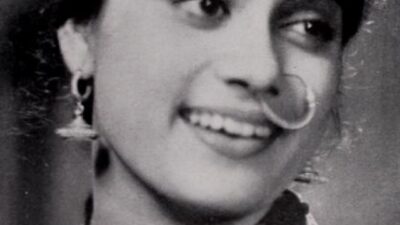
कलाकार विंग · कलाकार-पट्टिका · Artist Plate
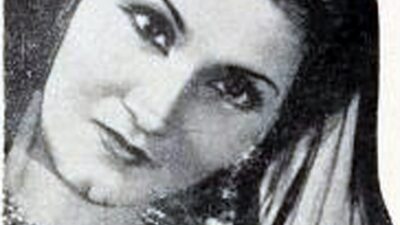
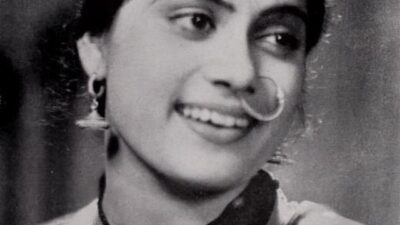
शांता आपटे
Shanta Apte
जन्म1916 — दुधनी, महाराष्ट्र
निधन1964
जीवन-पट्टी
The Life Specimen| नाम | शांता आपटे · Shanta Apte |
|---|---|
| जन्म | 1916 — दुधनी, महाराष्ट्र · Dudhni, Maharashtra |
| निधन | 1964 |
| भूमिकाएँ | अभिनेता · गायक |
| सक्रिय वर्ष | 1932–1958 |
| युग | Talkie Dawn |
| विधाएँ | फ़िल्मी · भजन · उप-शास्त्रीय |
| भाषाएँ | Hindi · Marathi |
पट्टिका-लेख
The Monographजीवनी Biography
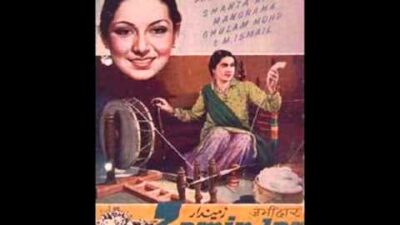
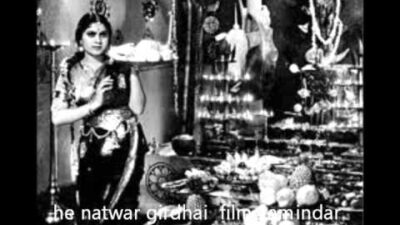
शांता आपटे (1916–1964) — प्रभात फ़िल्म कंपनी की वह गायिका-अभिनेत्री जिनकी आवाज़ और तेवर दोनों ही पर्दे पर आग की तरह दहकते थे। शास्त्रीय संगीत में प्रशिक्षित शांता ने पंढरपुर के महाराष्ट्र संगीत विद्यालय में तालीम पाई और भजन गाते-गाते सिनेमा तक पहुँचीं। 'अमर ज्योति' (1936) और सबसे बढ़कर वी. शांताराम की 'दुनिया न माने' / मराठी 'कुंकू' (1937) ने उन्हें अमर कर दिया — उस फ़िल्म की विद्रोही नायिका निर्मला, जो एक वृद्ध विधुर से जबरन ब्याही जाने के बाद अपने स्वाभिमान के लिए डटी रहती है, स्वयं शांता के स्वभाव की ही प्रतिध्वनि थी। पर्दे के बाहर भी वे उतनी ही निडर थीं — प्रभात के साथ अनुबंध-विवाद में स्टूडियो के द्वार पर भूख हड़ताल और एक संपादक-समालोचक पर छड़ी उठाने जैसी घटनाओं ने उन्हें 'भारतीय पर्दे की तूफ़ानी पंछी' का नाम दिया।
प्रारंभिक जीवन Early Life
1916 में महाराष्ट्र के दुधनी में एक स्टेशन-मास्टर के घर जन्म; पिता की तरह स्वाभाविक गायिका, उन्होंने पंढरपुर के महाराष्ट्र संगीत विद्यालय में संगीत सीखा और फ़िल्मों में आने से पहले स्थानीय उत्सवों में भजन गाए।
अंग्रेज़ी में पढ़ें · Read in English
Born in 1916 at Dudhni in Maharashtra to a station-master's family; a natural singer like her father, she trained in music at the Maharashtra Sangeet Vidyalaya in Pandharpur and rendered bhajans at local festivals before entering films.
करियर Career
मराठी फ़िल्म 'श्यामसुंदर' (1932) में बाल-राधा की भूमिका से पर्दे पर पदार्पण; प्रभात से जुड़कर 'अमृत मंथन' (1934) से हिंदी में आगमन। 'अमर ज्योति' (1936) और मील का पत्थर 'दुनिया न माने' / 'कुंकू' (1937) ने उन्हें सितारा बनाया। 1958 तक हिंदी और तमिल फ़िल्मों में भी काम करती रहीं और मराठी सिनेमा की सबसे अधिक पारिश्रमिक पाने वाली तारिकाओं में रहीं।
अंग्रेज़ी में पढ़ें · Read in English
Began on screen as the young Radha in the Marathi film Shyamsundar (1932); joined Prabhat and made her Hindi debut in Amrit Manthan (1934). Stardom came with Amar Jyoti (1936) and the landmark Duniya Na Mane / Kunku (1937). She remained one of the highest-paid stars of Marathi cinema, also acting in Hindi and Tamil films through 1958.
विरासत Legacy
पार्श्व-गायन से पहले के युग की महान गायिका-तारिकाओं में एक; पर्दे पर और पर्दे के बाहर — सिनेमा की पहली मुखर विद्रोही नायिका।
अंग्रेज़ी में पढ़ें · Read in English
One of the great singing stars of the pre-playback era; cinema's first openly defiant heroine, on screen and off.
गायन-शैली Musical Style
शास्त्रीय तालीम से सधा हुआ स्वर — स्पष्ट और प्रबल ऊँची लय में; भजन, सुगम-शास्त्रीय गीत और पार्श्व-गायन से पहले के सवाक् युग के स्वयं-गायन — तीनों में सहज।
अंग्रेज़ी में पढ़ें · Read in English
A classically trained voice with a clear, forceful upper register, equally at home in bhajan, light-classical song, and the through-singing of the pre-playback talkie.
सांस्कृतिक प्रभाव Cultural Impact
शांता आपटे ने गायिका-अभिनेत्री को केवल स्वर का नहीं, इच्छाशक्ति का प्रतीक बना दिया। 'दुनिया न माने' के ज़रिए अन्यायपूर्ण विवाह को 'न' कहने वाली स्त्री की उनकी छवि भारतीय सांस्कृतिक स्मृति में बस गई, और उनका वास्तविक जीवन का तेवर — स्टूडियो में भूख हड़ताल, एक प्रभावशाली समालोचक से टकराव — उन्हें भारतीय सिनेमा की स्वतंत्र, पेशेवर स्त्री का आरंभिक प्रतीक बना गया।
अंग्रेज़ी में पढ़ें · Read in English
Apte made the singing-actress a figure of will, not just voice. Through Duniya Na Mane her image as the woman who says 'no' to an unjust marriage entered Indian cultural memory, while her real-life defiance — a studio hunger strike, a confrontation with a powerful critic — made her an early icon of the independent professional woman in Indian cinema.
तालीम, विधाएँ और भाषाएँ
Training · Genres · Languagesविधाएँ · Genres
भाषाएँ · Languages Sung
जीवन-रेखा
Career Highlights- 1932 मराठी फ़िल्म 'श्यामसुंदर' में बाल-राधा के रूप में पर्दे पर पदार्पण Screen debut as young Radha in the Marathi film Shyamsundar
- 1934 प्रभात से जुड़ाव; 'अमृत मंथन' से हिंदी में आगमन Joins Prabhat; Hindi debut in Amrit Manthan
- 1936 'अमर ज्योति' — वी. शांताराम की फ़िल्म, पार्श्व-गायन वाली प्रभात की आरंभिक फ़िल्म Amar Jyoti — V. Shantaram's film, an early Prabhat film with playback singing
-
1937
'दुनिया न माने' / 'कुंकू' — विद्रोही नायिका निर्मला; उनके करियर की सबसे बड़ी सफलता
Duniya Na Mane / Kunku — the defiant heroine Nirmala; the greatest success of her career
- 1939 अनुबंध-विवाद पर प्रभात स्टूडियो के द्वार पर भूख हड़ताल Stages a hunger strike at the Prabhat Studios gate over a contract dispute
पुरस्कार एवं सम्मान
Awards & Recognition- सम्मान अपने युग में मराठी सिनेमा की सर्वाधिक पारिश्रमिक पाने वाली तारिकाओं में Among the highest-paid female stars of Marathi cinema in her era
- सम्मान पार्श्व-गायन से पहले के युग की 'महान गायिका-तारिकाओं' में गिनी गईं Cited as one of the 'great singing stars' of the pre-playback era
अन्य विवरण
More Details- Birth Year
- 1916
- Death Year
- 1964
- Active Years
- 1932–1958
Early Life
1916 में महाराष्ट्र के दुधनी में एक स्टेशन-मास्टर के घर जन्म; पिता की तरह स्वाभाविक गायिका, उन्होंने पंढरपुर के महाराष्ट्र संगीत विद्यालय में संगीत सीखा और फ़िल्मों में आने से पहले स्थानीय उत्सवों में भजन गाए।
Born in 1916 at Dudhni in Maharashtra to a station-master's family; a natural singer like her father, she trained in music at the Maharashtra Sangeet Vidyalaya in Pandharpur and rendered bhajans at local festivals before entering films.
Career
मराठी फ़िल्म 'श्यामसुंदर' (1932) में बाल-राधा की भूमिका से पर्दे पर पदार्पण; प्रभात से जुड़कर 'अमृत मंथन' (1934) से हिंदी में आगमन। 'अमर ज्योति' (1936) और मील का पत्थर 'दुनिया न माने' / 'कुंकू' (1937) ने उन्हें सितारा बनाया। 1958 तक हिंदी और तमिल फ़िल्मों में भी काम करती रहीं और मराठी सिनेमा की सबसे अधिक पारिश्रमिक पाने वाली तारिकाओं में रहीं।
Began on screen as the young Radha in the Marathi film Shyamsundar (1932); joined Prabhat and made her Hindi debut in Amrit Manthan (1934). Stardom came with Amar Jyoti (1936) and the landmark Duniya Na Mane / Kunku (1937). She remained one of the highest-paid stars of Marathi cinema, also acting in Hindi and Tamil films through 1958.
Legacy
पार्श्व-गायन से पहले के युग की महान गायिका-तारिकाओं में एक; पर्दे पर और पर्दे के बाहर — सिनेमा की पहली मुखर विद्रोही नायिका।
One of the great singing stars of the pre-playback era; cinema's first openly defiant heroine, on screen and off.
Musical Style
शास्त्रीय तालीम से सधा हुआ स्वर — स्पष्ट और प्रबल ऊँची लय में; भजन, सुगम-शास्त्रीय गीत और पार्श्व-गायन से पहले के सवाक् युग के स्वयं-गायन — तीनों में सहज।
A classically trained voice with a clear, forceful upper register, equally at home in bhajan, light-classical song, and the through-singing of the pre-playback talkie.
अभिलेख-सार
Discography Summary| संग्रह में गीत | 24 — नीचे जुड़े हुए पन्नों में सूचीबद्ध |
|---|---|
| रिकॉर्डिंग-काल | 1932–1958 · पहला सत्र 1932 |
| फ़िल्में व डिस्क | Shyamsundar 1932 · Amrit Manthan 1934 · Amar Jyoti 1936 · Duniya Na Mane / Kunku 1937 · Gopal Krishna 1938 · Savithri 1941 · Duhai 1943 · Subhadra 1946 · Ram Bhakta Vibhishan 1958 |
| प्रमुख भूमिका | अभिनेता · गायक |
| नित्य सहयोगी | V. Shantaram · Prabhat Film Company |
| स्रोत | derived from verified biographical sources |
जुड़े हुए पन्ने
Connected Plates · The Graph Made Visibleअटलस में कोई पन्ना अकेला नहीं — शांता आपटे से उनके गीत, फ़िल्में, घराना, समकालीन और युग, सब यहाँ से खुलते हैं।
हस्ताक्षर-गीत · Signature Songs
साझा कीजिए · Share this Plate