कलाकार विंग · कलाकार-पट्टिका · Artist Plate
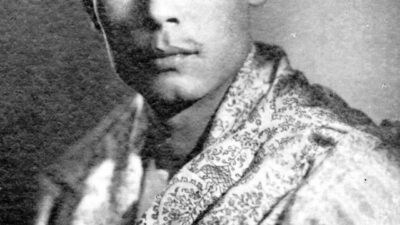
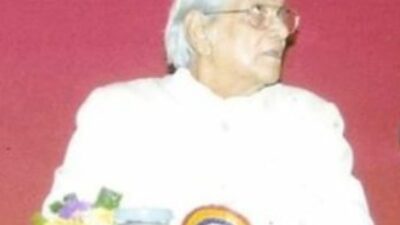
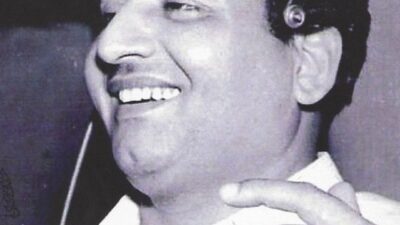
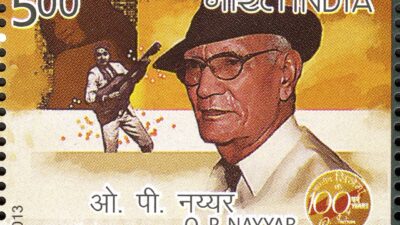
ओ.पी. नय्यर
O.P. Nayyar · Omkar Prasad Nayyar
लय के बादशाह
जन्म16 January 1926 — लाहौर, पंजाब, ब्रिटिश भारत
निधन28 January 2007 — Thane, Maharashtra, India
जीवन-पट्टी
The Life Specimen| नाम | ओ.पी. नय्यर · O.P. Nayyar |
|---|---|
| जन्म नाम | ओंकार प्रसाद नय्यर · Omkar Prasad Nayyar |
| उपनाम | लय के बादशाह · ओ.पी. |
| जन्म | 16 January 1926 — लाहौर, पंजाब, ब्रिटिश भारत · Lahore, Punjab, British India |
| निधन | 28 January 2007 — Thane, Maharashtra, India |
| भूमिकाएँ | संगीतकार · रचनाकार |
| सक्रिय वर्ष | 1949–1990s |
| युग | golden-era |
| राष्ट्रीयता | Indian |
| विधाएँ | फ़िल्मी · लोक · ग़ज़ल · पॉप |
| भाषाएँ | Hindi · Urdu · Punjabi |
हस्ताक्षर-पंक्ति · The Signature
हस्ताक्षर-पंक्ति
लय के बादशाह · ओ.पी.
In EnglishThe only top composer who never recorded a single song with Lata Mangeshkar — and still ruled the charts, on the gallop of a tonga beat.
पट्टिका-लेख
The Monographजीवनी Biography
ओ.पी. नय्यर (16 जनवरी 1926 – 28 जनवरी 2007) हिंदी फ़िल्म संगीत के सबसे ज़िद्दी, सबसे मौलिक और सबसे थिरकते संगीतकार थे — 'लय के बादशाह'। लाहौर में जन्मे ओंकार प्रसाद नय्यर ने कभी कोई औपचारिक संगीत-शिक्षा नहीं ली; वे गर्व से कहते थे कि उनका संगीत क़ुदरत की देन है। विभाजन से पहले ही उन्होंने 1945 के आसपास सी.एच. आत्मा का अमर ग़ैर-फ़िल्मी गीत 'प्रीतम आन मिलो' रचा था। विभाजन के बाद बंबई आए और संघर्ष के दिनों में 'कनीज़' (1949) का पार्श्व-संगीत रचा। बतौर स्वतंत्र संगीतकार पहली फ़िल्म 'आसमान' (1952) रही। पहचान दिलाई गुरु दत्त ने — 'आर पार' (1954), 'मिस्टर एंड मिसेज़ 55' (1955) और 'सी.आई.डी.' (1956) की धुनों ने रातोंरात नया साउंड गढ़ दिया: पंजाबी लोक की मस्ती, घोड़ा-गाड़ी की टाप वाली 'टाँगा लय', और बेपरवाह रूमानियत। 'नया दौर' (1957) — 'माँग के साथ तुम्हारा', 'उड़े जब जब ज़ुल्फ़ें तेरी', 'ये देश है वीर जवानों का' — ने उन्हें फ़िल्मफेयर का सर्वश्रेष्ठ संगीतकार पुरस्कार दिलाया। 1950 के दशक के अंत तक वे हिंदी सिनेमा के सबसे महँगे संगीतकार थे — कहा जाता है, एक फ़िल्म का एक लाख रुपया लेने वाले पहले। नय्यर की सबसे बड़ी पहचान एक 'इनकार' भी है: उन्होंने अपने पूरे करियर में लता मंगेशकर से एक भी गीत नहीं गवाया — और फिर भी शिखर छुआ। उन्होंने आशा भोसले की आवाज़ में अपना पूरा संगीत-संसार रचा (1952–1972): 'कश्मीर की कली', 'मेरे सनम', 'एक मुसाफ़िर एक हसीना'। मोहम्मद रफ़ी और गीता दत्त उनके अन्य प्रिय स्वर थे। 1972 में आशा से अलगाव के बाद उनका सितारा ढलता गया; आख़िरी वर्षों में वे परिवार से दूर, ठाणे में एक मित्र-परिवार के साथ रहे, जहाँ 28 जनवरी 2007 को निधन हुआ। पर उनकी रची लय आज भी वैसी ही उछलती है — रेट्रो की हर महफ़िल ओ.पी. के बिना अधूरी है।
अंग्रेज़ी में पढ़ें · Read in English
O.P. Nayyar (16 January 1926 – 28 January 2007) was the most stubborn, most original and most danceable composer Hindi film music ever produced — the 'Rhythm King'. Born Omkar Prasad Nayyar in Lahore, he never took a single formal music lesson and said so with pride: his music, he claimed, was God-given. Even before Partition, around 1945, he had composed C.H. Atma's immortal non-film song 'Preetam Aan Milo'. After Partition he came to Bombay, scored the background music of Kaneez (1949) during his struggling years, and made his debut as an independent music director with Aasmaan (1952).
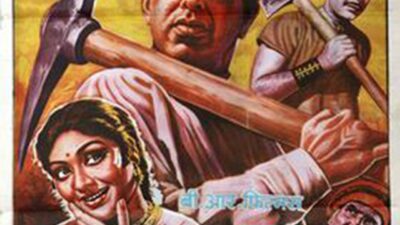
It was Guru Dutt who lit the fuse: the scores of Aar Paar (1954), Mr. & Mrs. '55 (1955) and C.I.D. (1956) minted an entirely new sound overnight — Punjabi folk exuberance, the clip-clop 'tonga beat', and a carefree, flirtatious romanticism. Naya Daur (1957) — 'Maang Ke Saath Tumhara', 'Ude Jab Jab Zulfein Teri', 'Yeh Desh Hai Veer Jawanon Ka' — won him the Filmfare Award for Best Music Director. By the end of the 1950s he was the most expensive composer in Hindi cinema, reportedly the first to charge one lakh rupees a film.
Nayyar's greatest signature is also a refusal: in his entire career he never recorded a single song with Lata Mangeshkar — and reached the summit anyway. Instead he built his entire musical universe on Asha Bhosle's voice (1952–1972): Kashmir Ki Kali, Mere Sanam, Ek Musafir Ek Hasina, Phir Wohi Dil Laya Hoon. Mohammed Rafi and Geeta Dutt were his other beloved instruments — Rafi's swagger in 'Sun Sun Sun Zalima' and 'Banda Parwar', Geeta's smoke in 'Mera Naam Chin Chin Choo'. After his break with Asha in 1972, his star waned; in his final years he lived away from his family with friends in Thane, where he died on 28 January 2007. But the rhythms he minted still bounce exactly as they did — no retro evening is complete without O.P.
प्रारंभिक जीवन Early Life
ओंकार प्रसाद नय्यर का जन्म 16 जनवरी 1926 को लाहौर में हुआ। भविष्य के किसी महान संगीतकार के लिए असामान्य बात — उनका न कोई गुरु था, न घराना, न तालीम; उन्होंने रेडियो से, गलियों से, और चारों ओर बिखरे पंजाबी लोक-संगीत से सुर सोखे, और अपनी सहज-बुद्धि पर अटूट भरोसा रखा। किशोरावस्था में वे ऑल इंडिया रेडियो, लाहौर के लिए गाते-बजाते थे। 1945 के आसपास उन्होंने 'प्रीतम आन मिलो' रचा — सी.एच. आत्मा की सहगल-रंग वाली गहरी आवाज़ में; यह निजी रिकॉर्डिंग देशभर में हिट हुई और बाद में 'मिस्टर एंड मिसेज़ 55' में दोबारा इस्तेमाल होकर फ़िल्म-इतिहास में दर्ज हुई। विभाजन ने परिवार उजाड़ दिया; नय्यर बंबई पहुँचे — आत्मविश्वास ही एकमात्र प्रमाणपत्र था। 'कनीज़' (1949) के पार्श्व-संगीत और अस्वीकृतियों के दुबले वर्षों के बाद 'आसमान' (1952) ने बतौर संगीतकार पहली पूरी फ़िल्म दी।
अंग्रेज़ी में पढ़ें · Read in English
Omkar Prasad Nayyar was born on 16 January 1926 in Lahore. Unusually for a future legend, he had no guru, no gharana, no taleem — he absorbed music from the radio, the streets and the Punjabi folk idiom around him, and trusted his instincts absolutely. As a teenager he sang and performed for All India Radio, Lahore. Around 1945 he composed 'Preetam Aan Milo', sung by C.H. Atma in a Saigal-tinged baritone — a private recording that became a nationwide hit and later entered film history when Nayyar reused it in Mr. & Mrs. '55. Partition uprooted the family; Nayyar reached Bombay with his self-confidence as his only certificate. After scoring the background music of Kaneez (1949) and lean years of rejection, Aasmaan (1952) gave him his first full film as music director.
करियर Career
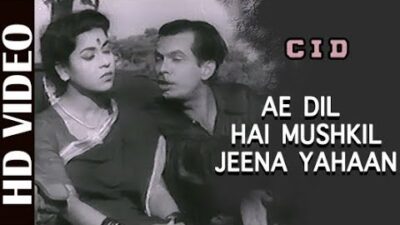
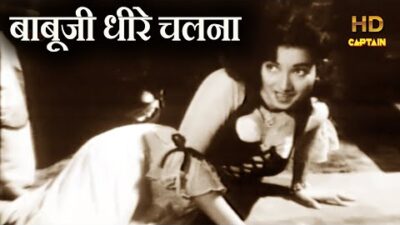
नय्यर की उड़ान गुरु दत्त से शुरू हुई: 'आर पार' (1954) के 'बाबूजी धीरे चलना' और 'सुन सुन सुन ज़ालिमा', फिर 'मिस्टर एंड मिसेज़ 55' और 'सी.आई.डी.' ('लेके पहला पहला प्यार', 'ऐ दिल है मुश्किल जीना यहाँ' — बंबई का अघोषित तराना)। बी.आर. चोपड़ा की 'नया दौर' (1957) ने फ़िल्मफेयर का ताज पहनाया; 'तुमसा नहीं देखा' (1957) और 'फागुन' (1958) ने शम्मी कपूर और लय को अभिन्न बना दिया। 1960 का दशक उनका आशा-रफ़ी साम्राज्य था: 'एक मुसाफ़िर एक हसीना' (1962), 'फिर वही दिल लाया हूँ' (1963), 'कश्मीर की कली' (1964), 'मेरे सनम' (1965), 'सावन की घटा' (1966) — सितार-संतूर की चमक, पंजाबी ढोलक और वह अचूक घोड़ा-टाप। 'चैन से हमको कभी' (प्राण जाए पर वचन न जाए, 1974) — जो आशा ने ठीक उसी समय गाया जब साथ टूट रहा था — उन्हें फ़िल्मफेयर दिला गया और दोनों की कड़वी-मीठी विदाई का स्मारक बन गया। स्वाभिमानी, मुँहफट और ज्योतिष-प्रेमी नय्यर ने 1970 के दशक के मध्य के बाद कम काम किया, 1990 के दशक में थोड़ी वापसी की। उन्होंने समझौता नहीं किया; बस रुक गए।
अंग्रेज़ी में पढ़ें · Read in English
Nayyar's breakthrough came through Guru Dutt: Aar Paar (1954) with 'Babuji Dheere Chalna' and 'Sun Sun Sun Zalima', then Mr. & Mrs. '55 and C.I.D. ('Leke Pehla Pehla Pyar', 'Ae Dil Hai Mushkil Jeena Yahan' — Bombay's unofficial anthem). B.R. Chopra's Naya Daur (1957) crowned him with the Filmfare Award; Tumsa Nahin Dekha (1957) and Phagun (1958) made Shammi Kapoor and rhythm inseparable. The 1960s were his Asha-Rafi empire: Ek Musafir Ek Hasina (1962), Phir Wohi Dil Laya Hoon (1963), Kashmir Ki Kali (1964), Mere Sanam (1965), Sawan Ki Ghata (1966) — sparkling with sitar-santoor riffs, Punjabi dholak and that unmistakable horse-hoof gallop. 'Chain Se Humko Kabhi' (Pran Jaye Par Vachan Na Jaye, 1974) — sung by Asha just as their partnership ended — won her a Filmfare and stands as their bittersweet epitaph. Proud, plain-spoken and astrology-loving, Nayyar worked sparingly after the mid-1970s, returning briefly in the 1990s. He never compromised; he simply stopped.
विरासत Legacy
ओ.पी. नय्यर ने सिद्ध किया कि हिंदी फ़िल्म संगीत में दूसरे सूरज की भी जगह है: एक ऐसी शैली जो शास्त्रीय राग-दारी पर नहीं, लय, लोक की मस्ती और धुनों की बेबाक़ शोख़ी पर खड़ी थी। उनकी टाँगा-लय भारतीय लोकप्रिय संगीत के सबसे पहचाने जाने वाले हस्ताक्षरों में है — रीमिक्स, विज्ञापन और रेट्रो महफ़िलों में आज भी ज़िंदा, बिना नाम बताए। उन्होंने आशा भोसले को वह कलात्मक पहचान दी जो बहन की छाया ने छीन रखी थी — यह क़र्ज़ आशा ने स्वयं स्वीकारा; रफ़ी और गीता दत्त को उनका सबसे करिश्माई काम दिया। लता मंगेशकर को कभी न लेने का फ़ैसला बॉलीवुड इतिहास का सबसे प्रसिद्ध कलात्मक 'इनकार' है — और उनका करियर इस बात का प्रमाण कि दृढ़ निश्चय भी एक रणनीति हो सकती है। आर.डी. बर्मन से लेकर आज के रेट्रो-प्रेमी संगीतकारों तक सबने उनका ताल-व्याकरण उधार लिया। उन्होंने सम्मान कम स्वीकारे, अपनी शर्तों पर जिए और गए — और स्वर्ण युग की सबसे लय-जीवित गीत-पुस्तक छोड़ गए।
अंग्रेज़ी में पढ़ें · Read in English
O.P. Nayyar proved that Hindi film music had room for a second sun: an idiom built not on classical raag-daari but on rhythm, folk swing and sheer melodic cheek. His tonga beat is one of the most instantly recognisable signatures in Indian popular music — revived in remixes, ad jingles and retro nights without ever needing his name announced. He gave Asha Bhosle the artistic identity her sister's shadow had denied her, a debt Asha herself acknowledged; he gave Rafi and Geeta Dutt some of their most charismatic work. His refusal to use Lata Mangeshkar remains the most famous artistic 'no' in Bollywood history — and his career is its proof that conviction can be a career strategy. Composers from R.D. Burman to today's retro-revivalists have borrowed his percussion grammar. He accepted few honours, lived and died on his own terms, and left behind the most rhythmically alive songbook of the golden era.
गायन-शैली Musical Style
नय्यर की ध्वनि में पहले लय आती है: सरपट दौड़ती 'टाँगा-लय' ('माँग के साथ तुम्हारा', 'यूँ तो हमने लाख हसीं देखे हैं'), पंजाबी ढोलक के ठेके, और ऐसी चुस्त गति कि प्रेम-गीत भी अकड़ कर चलें। इस ढाँचे पर वे चमकीली, गुनगुनाने योग्य धुनें रखते थे — लोक-संगीत की सीधी सच्चाई के साथ; शास्त्रीय दिखावा नहीं, हालाँकि उनके धीमे गीतों में पीलू और खमाज के रंग तैरते मिलते हैं। उनका वाद्य-विन्यास झिलमिलाता था: खनकती सितार, संतूर की चमक, सीटी बजाती बाँसुरी, टाप वाली ताल। वे आवाज़ों को दर्ज़ी की तरह तराशते थे — आशा की ख़ुमारी शैम्पेन बन जाती, रफ़ी मुस्कान में खुल जाते, गीता दत्त कैबरे में धुआँ हो जातीं। स्व-शिक्षित नय्यर सहज-बुद्धि से रचते थे और हर सुर का बचाव पंजाबी ठसक से करते थे।
अंग्रेज़ी में पढ़ें · Read in English
Nayyar's sound is rhythm first: the cantering 'tonga beat' (Maang Ke Saath Tumhara, Yun To Humne Lakh Haseen), Punjabi dholak patterns, and brisk tempos that made even love songs strut. Over this chassis he laid bright, singable melodies with a folk directness — no classical posturing, though raag shadows (he loved Pilu and Khamaj colours) drift through his ballads. His orchestration sparkled: jangling sitar riffs, santoor glitter, whistling flutes, clip-clop percussion. He tailored voices like a couturier — Asha's husk turned champagne, Rafi loosened into a grin, Geeta Dutt smoked through cabarets. Self-taught, he composed on instinct and defended every note with Punjabi bluntness.
तालीम, विधाएँ और भाषाएँ
Training · Genres · Languagesतालीम · Training
स्व-शिक्षित (1930s–1940s)
कोई औपचारिक तालीम नहीं — लाहौर में पंजाबी लोक और रेडियो संगीत से सीखा
Performed for All India Radio, Lahore as a youth; proudly cited his lack of taleem all his life.
विधाएँ · Genres
भाषाएँ · Languages Sung
जीवन-रेखा
Career Highlights- 1945 सी.एच. आत्मा का अमर ग़ैर-फ़िल्मी गीत 'प्रीतम आन मिलो' रचा Composes the immortal non-film song 'Preetam Aan Milo', sung by C.H. Atma
- 1949 बंबई में 'कनीज़' का पार्श्व-संगीत रचा Scores the background music of Kaneez in Bombay
- 1952 'आसमान' से स्वतंत्र संगीतकार के रूप में पदार्पण Debut as independent music director with Aasmaan
-
1954
गुरु दत्त की 'आर पार' से पहचान — 'बाबूजी धीरे चलना', 'सुन सुन सुन ज़ालिमा'
Breakthrough with Guru Dutt's Aar Paar — 'Babuji Dheere Chalna', 'Sun Sun Sun Zalima'
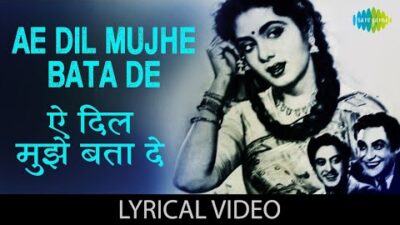
- 1956 'सी.आई.डी.' — 'ऐ दिल है मुश्किल जीना यहाँ' बंबई का अघोषित तराना बना C.I.D. — 'Ae Dil Hai Mushkil Jeena Yahan' becomes Bombay's unofficial anthem
- 1957 'नया दौर' देशभर में छाई; सर्वश्रेष्ठ संगीतकार का फ़िल्मफेयर पुरस्कार Naya Daur sweeps the nation; wins the Filmfare Award for Best Music Director
-
1958
कहा जाता है, एक फ़िल्म का एक लाख रुपया लेने वाले पहले संगीतकार बने — इंडस्ट्री के सबसे महँगे
Reportedly becomes the first composer to charge one lakh rupees per film — the industry's most expensive
- 1964 'कश्मीर की कली' — आशा-रफ़ी-नय्यर ध्वनि का शिखर Kashmir Ki Kali — the peak of the Asha-Rafi-Nayyar sound
- 1972 आशा भोसले के साथ दो दशक की ऐतिहासिक साझेदारी समाप्त The legendary partnership with Asha Bhosle ends after two decades
-
1974
'चैन से हमको कभी' को फ़िल्मफेयर — टूटी साझेदारी की कड़वी-मीठी विदाई
'Chain Se Humko Kabhi' (Pran Jaye Par Vachan Na Jaye) wins Asha a Filmfare — the partnership's bittersweet epitaph
- 2007 28 जनवरी को ठाणे में निधन — अंत तक अपनी शर्तों पर जिए Dies on 28 January in Thane, living by his own terms to the end
पुरस्कार एवं सम्मान
Awards & Recognition- 1958 फ़िल्मफेयर पुरस्कार — सर्वश्रेष्ठ संगीतकार Filmfare Award — Best Music Director उनका एकमात्र फ़िल्मफेयर — उस संगीत के लिए जिसे पूरा देश गुनगुना रहा था
रोचक तथ्य
Margin Notesउन्होंने पूरे करियर में लता मंगेशकर के साथ एक भी गीत रिकॉर्ड नहीं किया — और फिर भी नंबर एक बने।
अंग्रेज़ी में पढ़ें · Read in English
He never recorded a single song with Lata Mangeshkar in his entire career — and still reached number one.
उनकी 'टाँगा-लय' (घोड़ा-गाड़ी की टाप वाली ताल) हिंदी फ़िल्म संगीत की सबसे पहचानी जाने वाली ध्वनि-मुहरों में है।
अंग्रेज़ी में पढ़ें · Read in English
His 'tonga beat' — the horse-cart gallop rhythm — is among the most recognisable sonic signatures in Hindi film music.
'प्रीतम आन मिलो' उन्होंने फ़िल्मों में आने से पहले ही रच दिया था; बाद में 'मिस्टर एंड मिसेज़ 55' में इसे फिर इस्तेमाल किया।
अंग्रेज़ी में पढ़ें · Read in English
He composed 'Preetam Aan Milo' before entering films, and later reused it in Mr. & Mrs. '55.
कोई औपचारिक तालीम नहीं — वे गर्व से कहते थे कि उनका संगीत ईश्वर की देन है।
अंग्रेज़ी में पढ़ें · Read in English
He had no formal training — and proudly declared his music God-given.
अन्य विवरण
More Details- Birth Year
- 1926
- Death Year
- 2007
- Active Years
- 1949–1990s
- Asha Bhosle — the defining partnership (1952–1972): Kashmir Ki Kali, Mere Sanam, Ek Musafir Ek Hasina
- Mohammed Rafi — the swagger years: Tumsa Nahin Dekha, Kashmir Ki Kali, C.I.D.
- Geeta Dutt — the smoky early classics: Aar Paar, Mr. & Mrs. '55, Howrah Bridge
- Guru Dutt — the director who launched his sound
- Shammi Kapoor — rhythm and rebellion on screen
- Majrooh Sultanpuri and S.H. Bihari — favourite lyricists
Early Life
ओंकार प्रसाद नय्यर का जन्म 16 जनवरी 1926 को लाहौर में हुआ। भविष्य के किसी महान संगीतकार के लिए असामान्य बात — उनका न कोई गुरु था, न घराना, न तालीम; उन्होंने रेडियो से, गलियों से, और चारों ओर बिखरे पंजाबी लोक-संगीत से सुर सोखे, और अपनी सहज-बुद्धि पर अटूट भरोसा रखा। किशोरावस्था में वे ऑल इंडिया रेडियो, लाहौर के लिए गाते-बजाते थे। 1945 के आसपास उन्होंने 'प्रीतम आन मिलो' रचा — सी.एच. आत्मा की सहगल-रंग वाली गहरी आवाज़ में; यह निजी रिकॉर्डिंग देशभर में हिट हुई और बाद में 'मिस्टर एंड मिसेज़ 55' में दोबारा इस्तेमाल होकर फ़िल्म-इतिहास में दर्ज हुई। विभाजन ने परिवार उजाड़ दिया; नय्यर बंबई पहुँचे — आत्मविश्वास ही एकमात्र प्रमाणपत्र था। 'कनीज़' (1949) के पार्श्व-संगीत और अस्वीकृतियों के दुबले वर्षों के बाद 'आसमान' (1952) ने बतौर संगीतकार पहली पूरी फ़िल्म दी।
Omkar Prasad Nayyar was born on 16 January 1926 in Lahore. Unusually for a future legend, he had no guru, no gharana, no taleem — he absorbed music from the radio, the streets and the Punjabi folk idiom around him, and trusted his instincts absolutely. As a teenager he sang and performed for All India Radio, Lahore. Around 1945 he composed 'Preetam Aan Milo', sung by C.H. Atma in a Saigal-tinged baritone — a private recording that became a nationwide hit and later entered film history when Nayyar reused it in Mr. & Mrs. '55. Partition uprooted the family; Nayyar reached Bombay with his self-confidence as his only certificate. After scoring the background music of Kaneez (1949) and lean years of rejection, Aasmaan (1952) gave him his first full film as music director.
Career
नय्यर की उड़ान गुरु दत्त से शुरू हुई: 'आर पार' (1954) के 'बाबूजी धीरे चलना' और 'सुन सुन सुन ज़ालिमा', फिर 'मिस्टर एंड मिसेज़ 55' और 'सी.आई.डी.' ('लेके पहला पहला प्यार', 'ऐ दिल है मुश्किल जीना यहाँ' — बंबई का अघोषित तराना)। बी.आर. चोपड़ा की 'नया दौर' (1957) ने फ़िल्मफेयर का ताज पहनाया; 'तुमसा नहीं देखा' (1957) और 'फागुन' (1958) ने शम्मी कपूर और लय को अभिन्न बना दिया। 1960 का दशक उनका आशा-रफ़ी साम्राज्य था: 'एक मुसाफ़िर एक हसीना' (1962), 'फिर वही दिल लाया हूँ' (1963), 'कश्मीर की कली' (1964), 'मेरे सनम' (1965), 'सावन की घटा' (1966) — सितार-संतूर की चमक, पंजाबी ढोलक और वह अचूक घोड़ा-टाप। 'चैन से हमको कभी' (प्राण जाए पर वचन न जाए, 1974) — जो आशा ने ठीक उसी समय गाया जब साथ टूट रहा था — उन्हें फ़िल्मफेयर दिला गया और दोनों की कड़वी-मीठी विदाई का स्मारक बन गया। स्वाभिमानी, मुँहफट और ज्योतिष-प्रेमी नय्यर ने 1970 के दशक के मध्य के बाद कम काम किया, 1990 के दशक में थोड़ी वापसी की। उन्होंने समझौता नहीं किया; बस रुक गए।
Nayyar's breakthrough came through Guru Dutt: Aar Paar (1954) with 'Babuji Dheere Chalna' and 'Sun Sun Sun Zalima', then Mr. & Mrs. '55 and C.I.D. ('Leke Pehla Pehla Pyar', 'Ae Dil Hai Mushkil Jeena Yahan' — Bombay's unofficial anthem). B.R. Chopra's Naya Daur (1957) crowned him with the Filmfare Award; Tumsa Nahin Dekha (1957) and Phagun (1958) made Shammi Kapoor and rhythm inseparable. The 1960s were his Asha-Rafi empire: Ek Musafir Ek Hasina (1962), Phir Wohi Dil Laya Hoon (1963), Kashmir Ki Kali (1964), Mere Sanam (1965), Sawan Ki Ghata (1966) — sparkling with sitar-santoor riffs, Punjabi dholak and that unmistakable horse-hoof gallop. 'Chain Se Humko Kabhi' (Pran Jaye Par Vachan Na Jaye, 1974) — sung by Asha just as their partnership ended — won her a Filmfare and stands as their bittersweet epitaph. Proud, plain-spoken and astrology-loving, Nayyar worked sparingly after the mid-1970s, returning briefly in the 1990s. He never compromised; he simply stopped.
Legacy
ओ.पी. नय्यर ने सिद्ध किया कि हिंदी फ़िल्म संगीत में दूसरे सूरज की भी जगह है: एक ऐसी शैली जो शास्त्रीय राग-दारी पर नहीं, लय, लोक की मस्ती और धुनों की बेबाक़ शोख़ी पर खड़ी थी। उनकी टाँगा-लय भारतीय लोकप्रिय संगीत के सबसे पहचाने जाने वाले हस्ताक्षरों में है — रीमिक्स, विज्ञापन और रेट्रो महफ़िलों में आज भी ज़िंदा, बिना नाम बताए। उन्होंने आशा भोसले को वह कलात्मक पहचान दी जो बहन की छाया ने छीन रखी थी — यह क़र्ज़ आशा ने स्वयं स्वीकारा; रफ़ी और गीता दत्त को उनका सबसे करिश्माई काम दिया। लता मंगेशकर को कभी न लेने का फ़ैसला बॉलीवुड इतिहास का सबसे प्रसिद्ध कलात्मक 'इनकार' है — और उनका करियर इस बात का प्रमाण कि दृढ़ निश्चय भी एक रणनीति हो सकती है। आर.डी. बर्मन से लेकर आज के रेट्रो-प्रेमी संगीतकारों तक सबने उनका ताल-व्याकरण उधार लिया। उन्होंने सम्मान कम स्वीकारे, अपनी शर्तों पर जिए और गए — और स्वर्ण युग की सबसे लय-जीवित गीत-पुस्तक छोड़ गए।
O.P. Nayyar proved that Hindi film music had room for a second sun: an idiom built not on classical raag-daari but on rhythm, folk swing and sheer melodic cheek. His tonga beat is one of the most instantly recognisable signatures in Indian popular music — revived in remixes, ad jingles and retro nights without ever needing his name announced. He gave Asha Bhosle the artistic identity her sister's shadow had denied her, a debt Asha herself acknowledged; he gave Rafi and Geeta Dutt some of their most charismatic work. His refusal to use Lata Mangeshkar remains the most famous artistic 'no' in Bollywood history — and his career is its proof that conviction can be a career strategy. Composers from R.D. Burman to today's retro-revivalists have borrowed his percussion grammar. He accepted few honours, lived and died on his own terms, and left behind the most rhythmically alive songbook of the golden era.
Musical Style
नय्यर की ध्वनि में पहले लय आती है: सरपट दौड़ती 'टाँगा-लय' ('माँग के साथ तुम्हारा', 'यूँ तो हमने लाख हसीं देखे हैं'), पंजाबी ढोलक के ठेके, और ऐसी चुस्त गति कि प्रेम-गीत भी अकड़ कर चलें। इस ढाँचे पर वे चमकीली, गुनगुनाने योग्य धुनें रखते थे — लोक-संगीत की सीधी सच्चाई के साथ; शास्त्रीय दिखावा नहीं, हालाँकि उनके धीमे गीतों में पीलू और खमाज के रंग तैरते मिलते हैं। उनका वाद्य-विन्यास झिलमिलाता था: खनकती सितार, संतूर की चमक, सीटी बजाती बाँसुरी, टाप वाली ताल। वे आवाज़ों को दर्ज़ी की तरह तराशते थे — आशा की ख़ुमारी शैम्पेन बन जाती, रफ़ी मुस्कान में खुल जाते, गीता दत्त कैबरे में धुआँ हो जातीं। स्व-शिक्षित नय्यर सहज-बुद्धि से रचते थे और हर सुर का बचाव पंजाबी ठसक से करते थे।
Nayyar's sound is rhythm first: the cantering 'tonga beat' (Maang Ke Saath Tumhara, Yun To Humne Lakh Haseen), Punjabi dholak patterns, and brisk tempos that made even love songs strut. Over this chassis he laid bright, singable melodies with a folk directness — no classical posturing, though raag shadows (he loved Pilu and Khamaj colours) drift through his ballads. His orchestration sparkled: jangling sitar riffs, santoor glitter, whistling flutes, clip-clop percussion. He tailored voices like a couturier — Asha's husk turned champagne, Rafi loosened into a grin, Geeta Dutt smoked through cabarets. Self-taught, he composed on instinct and defended every note with Punjabi bluntness.
Collaborations
अभिलेख-सार
Discography Summary| संग्रह में गीत | 13 — नीचे जुड़े हुए पन्नों में सूचीबद्ध |
|---|---|
| कुल ज्ञात रिकॉर्डिंग | 1 — 1 संग्रह में उपलब्ध |
| रिकॉर्डिंग-काल | 1955 · पहला सत्र 1955 |
| फ़िल्में व डिस्क | Mr. & Mrs. '55 |
| प्रमुख भूमिका | संगीतकार |
| नित्य सहयोगी | Asha Bhosle · Kishore Kumar · Majrooh Sultanpuri |
| हस्ताक्षर-गीत | Jane Kahan Mera Jigar Gaya Ji |
| स्रोत | derived from the HindiGeet song archive |
अभिलेख व संदर्भ
Archives & References| विकिपीडिया | Wikipedia |
|---|---|
| संदर्भ | O. P. Nayyar — Wikipedia |
| प्रसिद्ध सहयोग |
अंग्रेज़ी में पढ़ें · Read in English
|
जुड़े हुए पन्ने
Connected Plates · The Graph Made Visibleअटलस में कोई पन्ना अकेला नहीं — ओ.पी. नय्यर से उनके गीत, फ़िल्में, घराना, समकालीन और युग, सब यहाँ से खुलते हैं।
हस्ताक्षर-गीत · Signature Songs
फ़िल्में · The Films
सहयोगी और समकालीन · Collaborators & Contemporaries
युग · The Era
साझा कीजिए · Share this Plate
यह पन्ना आगे बढ़ाइए
सवाल-जवाब
Questions & Answersओ.पी. नय्यर ने लता मंगेशकर के साथ काम क्यों नहीं किया?
यह हिंदी सिनेमा का सबसे प्रसिद्ध कलात्मक 'इनकार' है। नय्यर का कहना था कि लता की आवाज़ उनके संगीत की मस्ती और लय के मिज़ाज से मेल नहीं खाती — उन्हें आशा भोसले की आवाज़ चाहिए थी। दोनों ने मिलकर बीस साल इतिहास रचा।
What is the 'tonga beat' in O.P. Nayyar's music?
A galloping horse-hoof rhythm pattern heard in songs like 'Maang Ke Saath Tumhara' (Naya Daur) and 'Yun To Humne Lakh Haseen Dekhe Hain' (Tumsa Nahin Dekha) — O.P. Nayyar's most famous signature.
ओ.पी. नय्यर को फ़िल्मफेयर पुरस्कार किस फ़िल्म के लिए मिला?
'नया दौर' (1957) के लिए — 1958 में सर्वश्रेष्ठ संगीतकार का फ़िल्मफेयर पुरस्कार। यह उनका एकमात्र फ़िल्मफेयर था।