शास्त्र विंग · वाद्य-पट्टिका · Instrument Plate
ढोलक
Dholak
भारतीय लोक संगीत की सबसे आम और सर्वव्यापी ढोल · The heartbeat of Indian folk music and celebrations
अन्य नामढोलकी · ढुलक · Dholki · Folk Drum
एक पंक्तिलकड़ी का बेलनाकार ढोल, दोनों ओर चमड़े की जाली के साथ, हाथों से बजाया जाता है। विवाह, पूजा, और लोकगीतों में आवश्यक।
परिचय
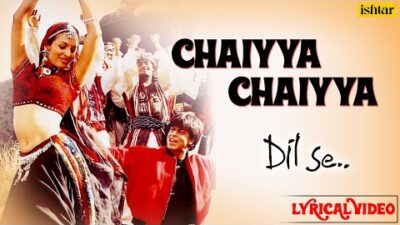
Overviewढोलक उत्तर भारत के लोक और फ़िल्मी संगीत की धड़कन है — दो मुँह वाला यह ताल-वाद्य शादी-ब्याह, बन्ना-बन्नी, होली के फाग और क़व्वाली की महफ़िल से लेकर मुंबई के रिकॉर्डिंग स्टूडियो तक हर जगह बजता है। बायें चेहरे की गूँजती थाप और दायें की खनकती चाटी मिलकर वह ठेका रचती हैं जिस पर पूरा उत्सव झूमता है; ओ.पी. नैयर और लक्ष्मीकांत-प्यारेलाल की धुनों ने इसे फ़िल्म-संगीत का स्थायी रंग बना दिया।
अंग्रेज़ी में पढ़ें · Read in English
The dholak is the heartbeat of North Indian folk and film music — a two-headed barrel drum heard everywhere from wedding courtyards, Holi phaag and qawwali gatherings to Bombay recording studios. The booming low head and the bright treble head lock together into the theka that whole celebrations sway upon; composers from O.P. Nayyar to Laxmikant–Pyarelal made its bounce a permanent colour of the Hindi film song.
वर्गीकरण
ClassificationNatya Shastra
अवनद्ध
Avanaddha (Drum)
नाट्यशास्त्र में अवनद्ध वाद्य यंत्रों की श्रेणी में आता है। खिंचे हुए चमड़े पर मारकर ध्वनि निकाली जाती है।
Classified as avanaddha (drum) in Natya Shastra. Sound produced by striking stretched skin.
Western
Percussion / Drum
Double-Headed Barrel Drum
पश्चिमी वर्गीकरण में, यह एक दोहरी-सिर वाली बेलनाकार ढोल है।
In Western classification, a double-headed barrel drum.
Hornbostel Sachs
211.261
Cylindrical drum with two heads, played with hands
सिनेमा में
In Cinemaढोलक का फिल्म संगीत में एक प्रभावशाली भूमिका है, विशेषकर लोक-आधारित और विवाह के दृश्यों में। कई फिल्मों में क्यों भन और विवाह के गीतों में ढोलक का उपयोग किया गया है। लेकिन ढोलक फिल्म संगीत के नेतृत्व में नहीं है—यह हमेशा एक सहायक भूमिका निभाता है।
अंग्रेज़ी में पढ़ें · Read in English
The dholak plays an important supporting role in film music, especially in folk-based and wedding scenes. Many films feature dholak in wedding songs and traditional music. It rarely takes a lead role but is essential in the ensemble.
वर्तमान स्थिति
Modern Statusविवरण
ढोलक की आधुनिक स्थिति स्थिर है। यह अभी भी विवाह, भजन, और लोकगीतों में सर्वव्यापी है। लेकिन आधुनिक 'फ्यूजन' संगीत में, कुछ संगीतकार पारंपरिक ढोलक को संश्लेषक ढोलों से बदल रहे हैं।
अंग्रेज़ी में पढ़ें · Read in English
The dholak's modern status is stable. It remains ubiquitous in weddings, bhajans, and folk songs. But in modern 'fusion' music, some musicians are replacing traditional dholak with synthetic drums.
Estimated Players
100,000+
Revival Efforts
लोक संगीत संरक्षण संगठन, सामुदायिक भजन समूह।
अंग्रेज़ी में पढ़ें · Read in English
Folk music preservation organizations, community bhajan groups.
बनावट
Physicalविवरण
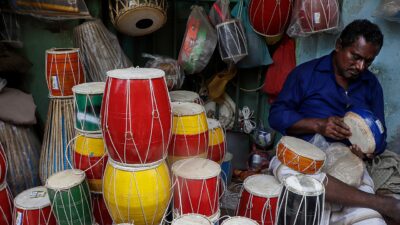
ढोलक एक लकड़ी का बेलनाकार ढोल है, आमतौर पर आम (mango) या शीशम की लकड़ी से बना। इसकी लंबाई लगभग १५-२५ सेमी, व्यास १५-२० सेमी होती है। दोनों सिरों पर बकरी या गाय का चमड़ा खिंचा होता है, जिसे सूती के कपड़े की डोरियों से कसा जाता है। ढोलक के एक सिरे को 'थाप' (सिंथेटिक पेस्ट) से ढका जाता है जो उच्च टोन देता है। दूसरे सिरे को सादे चमड़े से रखा जाता है जो निम्न टोन देता है।
अंग्रेज़ी में पढ़ें · Read in English
The dholak is a cylindrical wooden drum, usually made of mango or sheesham wood. It measures about 15-25 cm in length and 15-20 cm in diameter. Both ends are covered with goat or cow skin, stretched and tied with cotton cords. One head is treated with a synthetic paste (syahi) that produces higher tones; the other is left natural for lower tones.
Dimensions
15-25 cm
15-20 cm
2-4 kg
Strings Or Keys
ढोलक में कोई तार या कुंजियाँ नहीं। केवल दो चमड़े की सतहें हैं।
No strings or keys. Only two skin surfaces.
Tuning
परिवर्तनशील। डोरियों को कसकर या ढीला करके ट्यून किया जाता है।
Variable. Tuned by tightening or loosening the cords.
दो अलग-अलग सुर: उच्च (थाप) और निम्न (चाप)
सीमित रेंज, ढोल की प्रकृति पर निर्भर
Construction
आम या शीशम की लकड़ी। बेलनाकार आकार। खोखला अंदर से।
Mango or sheesham wood. Cylindrical shape. Hollow interior.
बकरी या गाय का चमड़ा। दोनों सिरों पर खिंचा।
Goat or cow skin. Stretched on both ends.
सूती की डोरियाँ जो चमड़े को कसती हैं। ये तनाव को नियंत्रित करती हैं।
Cotton cords that stretch and secure the skin heads. Control tension.
एक सिरे पर लगाया जाता है, जो उच्च टोन (pitch) के लिए।
Applied to one head to raise pitch and tone quality.
ध्वनि-चरित्र
SoundTonal Character
ढोलक की ध्वनि गर्म, गहरी, और पृथ्वी जैसी है। यह एक आदिम, प्राकृतिक शक्ति व्यक्त करती है। बड़े ढोलों की तुलना में, ढोलक अधिक सूक्ष्म और नियंत्रणीय है। यह ताल को स्पष्ट रूप से चिह्नित करता है।
अंग्रेज़ी में पढ़ें · Read in English
The dholak's sound is warm, earthy, and primal. It expresses a natural, grounded power. Compared to larger drums, it is more subtle and controllable. It clearly marks rhythm and pulse.
Timbre
गहरी, गर्म, अनुरणन, जीवंत, पृथ्वीय, सांस्कृतिक
अंग्रेज़ी में पढ़ें · Read in English
Deep, warm, resonant, vibrant, earthy, authentic
Dynamic Range
हाथों से बजने के कारण, गतिशीलता में उच्च स्तर की नियंत्रण संभव है।
अंग्रेज़ी में पढ़ें · Read in English
Hand-played, allowing high dynamic control and expression.
वादन-तकनीक
Playing Techniqueविवरण
ढोलक को आमतौर पर बैठकर या खड़े होकर बजाया जाता है, ढोल को अपनी गोद में रखते हुए या एक ढोल-स्टैंड पर। वादक दोनों हाथों से ढोलक के दोनों सिरों को मारता है। बाएँ हाथ निम्न टोन (thaal के पास) के लिए, दाहिना हाथ उच्च टोन (syahi के पास) के लिए। हाथ की स्थिति, पैड का उपयोग, और मारने की तकनीक सभी महत्वपूर्ण हैं।
अंग्रेज़ी में पढ़ें · Read in English
Typically played seated or standing, the dholak rests in the player's lap or on a stand. Both hands strike the two heads. The left hand plays the lower-pitched head; the right hand plays the higher-pitched head. Hand position, finger strikes, and striking technique all affect the sound.
Posture
बैठकर या खड़े होकर। ढोल गोद में या स्टैंड पर। दोनों हाथ तैयार।
अंग्रेज़ी में पढ़ें · Read in English
Seated or standing. Dholak in lap or on stand. Both hands ready.
Techniques
बुनियादी ताल। हर बीट को साफ़ी से चिह्नित करना।
Basic rhythm. Mark each beat clearly.
तेजी से दोनों हाथों को बारी-बारी से मारना।
Rapid alternating strikes of both hands.
जटिल ताल पैटर्न, विशेषकर क्वॉली और लोकगीतों में।
Complex rhythmic patterns, especially in qawwali and folk.
निर्माण-प्रक्रिया
Making Processविवरण
ढोलक निर्माण एक सरल लेकिन कुशल कार्य है। एक कारीगर अच्छी लकड़ी को खोखला करता है। दोनों सिरों को समान व्यास में ड्रिल किया जाता है। चमड़े को काटा जाता है और डोरियों से कसा जाता है। अंत में, पूरे ढोल को परीक्षित किया जाता है।
अंग्रेज़ी में पढ़ें · Read in English
Dholak making is straightforward but requires skill. The craftsman hollows out quality wood. Both ends are drilled to matching diameters. Skin is cut and fitted, then tied with cords. Final tuning and testing complete the process.
Materials
आम या शीशम। सरल लेकिन मजबूत।
Mango or sheesham. Simple but durable.
बकरी या गाय का चमड़ा।
Goat or cow skin.
Artisan Centers
दिल्ली, आगरा, और अन्य शहरों में ढोलक निर्माता काम करते हैं।
Dholak makers work in Delhi, Agra, and other North Indian cities.
Time To Craft
3-5 weeks
Price Range
₹2,000-10,000
संगीत-समूह में भूमिका
Role In EnsemblePrimary Role
ढोलक मुख्य रूप से ताल-आधारित संगीत के साथ काम करता है। यह किसी अन्य वाद्य यंत्र के लिए ताल का आधार प्रदान करता है। यह गायन, नृत्य, और अन्य वाद्य यंत्रों के साथ समन्वय में काम करता है।
अंग्रेज़ी में पढ़ें · Read in English
The dholak primarily provides rhythmic foundation for vocal or instrumental music. It accompanies singing, dancing, and ensemble playing.
Solo Capability
सीमित। ढोलक एकल परिस्थिति में उतना प्रभावी नहीं है। यह हमेशा किसी अन्य संगीत के साथ सर्वश्रेष्ठ काम करता है।
अंग्रेज़ी में पढ़ें · Read in English
Limited. The dholak works best with other music. Solo dholak is possible but less common.
Accompaniment For
ढोलक भजन के लिए आवश्यक है, विशेषकर लोक-शैली के भजनों में।
Essential for bhajans, especially folk-style devotional songs.
क़व्वाली समूहों में ढोलक ताल को नियंत्रित करता है।
In qawwali ensembles, the dholak controls rhythm.
लोक नृत्यों में, ढोलक नर्तकियों को ताल प्रदान करता है।
In folk dances, the dholak provides rhythm for dancers.
ढोलक लोकगीतों का हृदय है।
The dholak is the heartbeat of folk songs.
लोक संगीत में
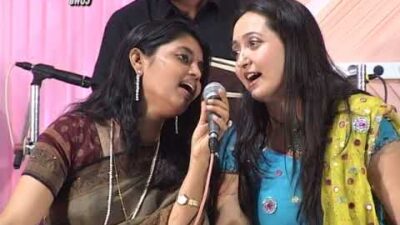
In Folk Musicढोलक लोक संगीत का दिल है। भारत के हर कोने में, हर उत्सव में, हर विवाह में, हर भजन सत्र में, हर नृत्य अनुष्ठान में, ढोलक बजाई जाती है। यह एक ऐसा यंत्र है जो सबसे गरीब गाँव से सबसे बड़े शहर तक समान रूप से मूल्यवान है। ढोलक के बिना, भारतीय लोक संगीत अधूरा है।
अंग्रेज़ी में पढ़ें · Read in English
The dholak is the heart of Indian folk music. In every corner of India, at every celebration, every wedding, every bhajan session, every folk dance, the dholak is played. It is equally valued in the poorest village and the biggest city. Without the dholak, Indian folk music would be incomplete.
क्षेत्रीय रूप
Regional Variantsबड़ा, गहरी ध्वनि। हल्के हाथों से बजाया जाता है।
Larger, deeper tone. Played with lighter hand techniques.
छोटा, तीव्र ध्वनि। अलग-अलग बजाने की तकनीक।
Smaller, brighter tone. Different playing techniques.
प्रसिद्ध वादक
Famous Playersढोलक को एक कला के रूप में मास्टर करने वाले कई परंपरागत ढोलक वादक हैं। लेकिन उनमें से अधिकांश अज्ञात हैं क्योंकि ढोलक एक सहायक यंत्र माना जाता है।
Many traditional dholak masters exist in qawwali traditions, but most remain unknown as the dholak is seen as a supporting instrument.
राग-उपयुक्तता
Raag Suitabilityढोलक लोक-शैली के राग के लिए सर्वश्रेष्ठ है।
Best suited to folk-style raags.
भजन और कीर्तन के राग में।
In devotional bhajan raags.
सीखने का मार्ग
Learning Pathविवरण
ढोलक सीखना अपेक्षाकृत सरल है क्योंकि यह एक प्राकृतिक यंत्र है। बुनियादी ताल को कुछ सप्ताह में सीखा जा सकता है। लेकिन पूर्ण महारत के लिए ३-५ वर्ष की समर्पित अभ्यास आवश्यक है।
अंग्रेज़ी में पढ़ें · Read in English
Learning dholak is relatively simple as it is an intuitive instrument. Basic rhythms can be learned in weeks. Full proficiency requires 3-5 years of practice.
Beginner Steps
सरल थाप और बीट।
सही तरीके से हाथों को पकड़ना और मारना।
विभिन्न ताल को समझना।
सामान्य अवधि
3-5 years for proficiency
संस्थान
ढोलक आमतौर पर सामुदायिक सेटिंग्स में सीखी जाती है।
सांस्कृतिक महत्व
Cultural Significanceढोलक भारतीय सांस्कृतिक पहचान का एक आवश्यक अंग है। यह जीवन के सभी महत्वपूर्ण क्षणों को चिह्नित करता है। विवाह की परंपरा से लेकर भजन की आध्यात्मिकता तक, ढोलक हर जगह है। यह लोक संगीत की सबसे प्राचीन और सर्वव्यापी अभिव्यक्ति है।
अंग्रेज़ी में पढ़ें · Read in English
The dholak is essential to Indian cultural identity. It marks all important life moments. From wedding traditions to spiritual bhajans, the dholak is everywhere. It is the oldest and most universal expression of folk music.
सुनने का मार्गदर्शन
The Listening Guideढोलक सुनने के लिए, एक साधारण भजन या लोकगीत से शुरू करें। उसकी गहरी, गर्म ध्वनि सुनें। यह संगीत नहीं, यह जीवन की गति है। ढोलक में दो अलग-अलग टोन हैं—बाएँ हाथ का गहरा, दायें हाथ का तीव्र। यह द्वंद्व मानवीय अस्तित्व का प्रतीक है।
अंग्रेज़ी में पढ़ें · Read in English
To appreciate the dholak, start with a simple bhajan or folk song. Notice its warm, earthy sound. This is not just music—it is the rhythm of life. The dholak has two distinct tones—the deeper bass and the sharper treble. This duality symbolizes human existence.
श्रवण-कक्ष · The Listening Room
देखें-सुनें
Hastha Hua Noorani Chehra... Radio Charminar #Dholakkegeet · 2:36
Vaagyo Re Dhol - Hellaro | Song Promo | Bhoomis · 3:20
परिचय
Identity- Year Of Origin
- 1200
वर्गीकरण
Classification- Code
- 211.261
- Description
- Cylindrical drum with two heads, played with hands
- Category
- अवनद्ध
- Category En
- Avanaddha (Drum)
- Description
- नाट्यशास्त्र में अवनद्ध वाद्य यंत्रों की श्रेणी में आता है। खिंचे हुए चमड़े पर मारकर ध्वनि निकाली जाती है।
- Description En
- Classified as avanaddha (drum) in Natya Shastra. Sound produced by striking stretched skin.
Hornbostel Sachs
Natya Shastra
अन्य विवरण
More Details- लकड़ी की बॉडी (Wooden Body) — आम या शीशम की लकड़ी। बेलनाकार आकार। खोखला अंदर से। · Wooden Body / Barrel
- चमड़ा (Drum Heads) — बकरी या गाय का चमड़ा। दोनों सिरों पर खिंचा। · Drum Heads / Skin
- डोरियाँ (Cords / Lacing) — सूती की डोरियाँ जो चमड़े को कसती हैं। ये तनाव को नियंत्रित करती हैं। · Cords / Lacing
- स्याही (Synthetic Paste) — एक सिरे पर लगाया जाता है, जो उच्च टोन (pitch) के लिए। · Syahi (Paste)
- System
- परिवर्तनशील। डोरियों को कसकर या ढीला करके ट्यून किया जाता है।
- System En
- Variable. Tuned by tightening or loosening the cords.
- Standard Tuning
- दो अलग-अलग सुर: उच्च (थाप) और निम्न (चाप)
- Range
- सीमित रेंज, ढोल की प्रकृति पर निर्भर
- Timbre
- गहरी, गर्म, अनुरणन, जीवंत, पृथ्वीय, सांस्कृतिक
Construction
Tuning
रोचक तथ्य
Margin Notesमेरठ का ढोलक — मेरठ (उत्तर प्रदेश) ढोलक निर्माण का विश्व केंद्र है। यहाँ के परिवार पीढ़ियों से ढोलक बना रहे हैं। हर दिन हजारों ढोलक मेरठ से पूरे भारत और विश्व में जाती हैं।
Meerut (Uttar Pradesh) is the world center of dholak making. Families here have been crafting dholaks for generations. Thousands of dholaks are made daily in Meerut and sent across India and the world.
विवाह परंपरा में ढोलक — भारतीय विवाह में, ढोलक का प्रवेश एक अलिखित परंपरा है। मेहंदी की रात से शुरू होकर, ढोलक की थाप शादी के सभी अनुष्ठानों को चिह्नित करती है। बिना ढोलक के, विवाह अधूरा माना जाता है।
In Indian weddings, the dholak's presence is an unwritten tradition. Starting from mehendi night, it marks all wedding rituals. Without the dholak, a wedding is considered incomplete.
क़व्वाली और ढोलक — क़व्वाली संगीत में, ढोलक एक नियंत्रक की भूमिका निभाता है। यह गायकों की तीव्रता को आगे बढ़ाता है या धीमा करता है। एक अच्छा ढोलक वादक एक क़व्वाली प्रदर्शन को जीवंत या मार्मिक बना सकता है।
In qawwali, the dholak acts as a conductor. It accelerates or slows the singers' intensity. A skilled dholak player can make a qawwali performance soaring or poignant.
ढोलक और तबला में अंतर — ढोलक एक एकल, बेलनाकार ढोल है जो लोक संगीत में बजता है। तबला दो अलग-अलग ड्रम हैं जो शास्त्रीय संगीत में बजते हैं। ढोलक सरल है, तबला जटिल है। दोनों की विरासत अलग, पर समान महत्वपूर्ण हैं।
The dholak is a single cylindrical drum used in folk music. The tabla consists of two separate drums used in classical music. The dholak is simple; the tabla is complex. Both have different heritage but equal cultural importance.
ढोलक का आधुनिक स्थिति — आधुनिक समय में, ढोलक अभी भी विवाह, भजन, और लोकगीतों में सर्वव्यापी है। यह एक लुप्तप्राय कला नहीं है—यह आज भी लाखों लोगों द्वारा खेली जाती है और सुनी जाती है।
In modern times, the dholak remains ubiquitous in weddings, bhajans, and folk songs. It is not an endangered art—it is still played and heard by millions.
सवाल-जवाब
Questions & Answersढोलक क्या है?
ढोलक एक भारतीय बेलनाकार ढोल है, दोनों सिरों पर चमड़े के साथ, हाथों से बजाया जाता है। विवाह, भजन, और लोकगीतों में आवश्यक।
ढोलक और तबला में क्या अंतर है?
ढोलक एक बेलनाकार ढोल है जो लोक संगीत में बजता है। तबला दो अलग-अलग ड्रम हैं जो शास्त्रीय संगीत में बजते हैं।
इतिहास
The Historyउत्पत्ति — १२००-१३०० Origin
ढोलक की उत्पत्ति मध्यकालीन भारत में हुई। यह एक आदिम, जनजातीय यंत्र था जो धीरे-धीरे पूरे भारत में फैल गया।
विकास-यात्रा · Evolution
- १३००-१९०० मध्यकाल से आधुनिक समय तक, ढोलक लोक संगीत का अभिन्न अंग रहा।
- १९००-वर्तमान आधुनिक समय में भी ढोलक अपनी स्थिति बनाए हुए है।
प्रमुख पड़ाव · Key Milestones
- 1200 ढोलक का संभावित आविष्कार
- 1950 भारतीय लोक संगीत में ढोलक की स्थिति मजबूत है
नमूना-पट्टी
The Specimen Table| नाम | ढोलक · Dholak |
|---|---|
| अन्य नाम | ढोलकी · ढुलक · Dholki · Folk Drum |
| उद्गम | 1200 |
| काल | १२००-१३०० |
| प्रकार | वाद्य · Instruments |
जुड़े हुए पन्ने
Connected Plates · The Graph Made Visibleअटलस में कोई पन्ना अकेला नहीं — इस वाद्य से जुड़े गीत, कलाकार, शास्त्र और कहानियाँ, सब यहाँ से खुलते हैं।
इस वाद्य के गीत
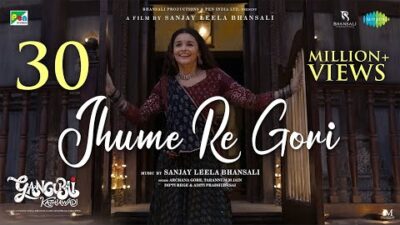
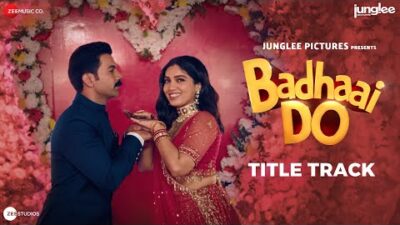
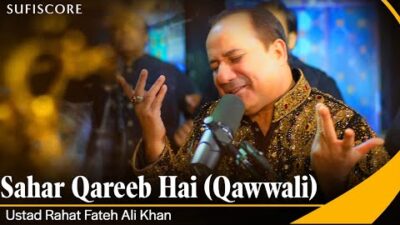
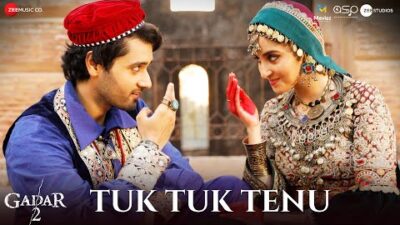
Songs of this Instruments




साझा कीजिए · Share this Plate