गीत विंग · गीत-पट्टिका · Song Plate
जब दिल ही टूट गया
Jab Dil Hi Toot Gaya
एक मरते हुए गायक की आवाज़ में, एक नवोदित शायर की पहली क़लम से — हिंदी फ़िल्मी संगीत का सबसे टूटा हुआ सवाल।
भावअविस्मरणीय · उदास · दार्शनिक
भाषाUrdu · Hindi गतिधीमी स्वरूपएकल पुरुष
श्रेय
The Creditsबोल · The Lyrics
बोल — झलक · Lyrics Preview
हम जी के क्या करेंगे
दुनिया में क्या रहें
जब तुम ही न रहे
Ham jee ke kya karenge
Duniya mein kya rahein
Jab tum hi na rahe
कॉपीराइट के कारण केवल झलक — पूरे बोल आधिकारिक मंचों पर।
शब्दकोश
Word Meaningsसूत्र-वाक्य · The Hook
सूत्र-वाक्य
एक मरते हुए गायक की आवाज़ में, एक नवोदित शायर की पहली क़लम से — हिंदी फ़िल्मी संगीत का सबसे टूटा हुआ सवाल।
In EnglishRecorded by a dying man who knew it, written by a poet on his very first day — this is the most heartbroken question ever asked in Hindi song.
पट्टिका-लेख
The Monographपरिचय Overview
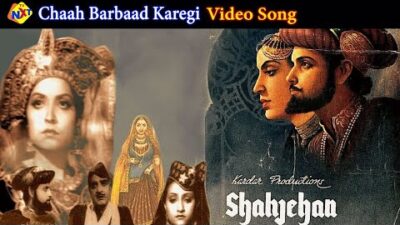
नौशाद के संगीत में के. एल. सहगल की आवाज़ और मजरूह सुल्तानपुरी की क़लम — यह त्रिवेणी 1946 की ए. आर. कारदार निर्देशित फ़िल्म 'शाहजहाँ' में मिली और हिंदी सिनेमा को उसका सबसे हृदय-विदारक गीत दे गई। 'जब दिल ही टूट गया' — यह प्रश्न नहीं, एक आत्म-समर्पण है। जब प्रेम का केंद्र — हृदय — ही टूट जाए, तो जीवन का अर्थ क्या बचता है? छब्बीस वर्षीय मजरूह ने अपनी पहली फ़िल्म में यह पंक्ति लिखी और सहगल ने राग भैरवी की कहरवा लय में इसे ऐसी आवाज़ दी जो आज भी रूह को छूती है। रिकॉर्डिंग के कुछ ही महीने बाद जनवरी 1947 में उनका निधन हो गया — यह गीत महज़ एक प्रदर्शन नहीं, एक भविष्यवाणी थी।
अंग्रेज़ी में पढ़ें · Read in English
Composed by Naushad and sung by K.L. Saigal for the 1946 Mughal period film Shahjehan directed by A.R. Kardar, 'Jab Dil Hi Toot Gaya' is widely regarded as the most haunting lament in the history of Hindi film music. Written by the twenty-six-year-old Majrooh Sultanpuri in his very first film assignment, the lyric poses a question so simple and so absolute that it has unsettled listeners for eighty years: when the heart itself is shattered, what purpose does living serve? Recorded on HMV in Bombay in the keherwa taal and Raag Bhairavi — the raag of endings — the song allows Saigal's voice to float in that unmistakable half-spoken, half-sung style. Saigal, gravely ill with alcoholic liver disease at the time, died just months after recording in January 1947, lending the song a biographical weight that no amount of art alone could manufacture. It remains the most cited and streamed song of his entire catalogue.
संगीत The Music
नौशाद ने इस गीत की नींव राग भैरवी पर रखी — वह राग जिसे शास्त्रीय संगीतकार किसी कार्यक्रम के अंत में गाते हैं, जब विदाई का माहौल हो। धीमी कहरवा ताल एक अनवरत मंद गति देती है — जैसे टूटे दिलों को दिन बीतते चले जाते हैं, चाहे वे चाहें या न चाहें। सारंगी सहगल की आवाज़ के पीछे किसी दुखी साथी की तरह चलती है। सहगल की गायकी ठुमरी की हल्की-शास्त्रीय परंपरा से उपजी थी — अर्ध-बोली हुई, गहरी व्यक्तिगत, हर शब्द में आवाज़ नहीं बल्कि साँस का भार। इस गीत में वह शैली अपने शुद्धतम रूप में है: कोई अलंकरण नहीं, कोई करतब नहीं, सिर्फ़ दुःख की नग्नता।
अंग्रेज़ी में पढ़ें · Read in English
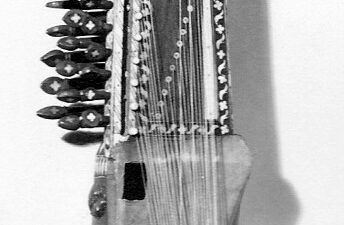
Naushad built this song on the bedrock of Raag Bhairavi — the raag that Indian classical musicians traditionally reserve for the end of a concert, when farewell hangs in the air. The slow keherwa taal (8 beats) provides a gentle, inexorable pulse — like days that keep passing even for the broken-hearted. The arrangement is spare by design: harmonium holding the tonic, tabla marking the beats with restraint, and a sarangi that shadows Saigal's voice the way grief shadows a grieving person. Saigal's singing style was born of the light-classical thumri tradition — semi-spoken, deeply personal, each syllable carrying breath rather than volume. In this song, that approach reaches its most concentrated point: no ornamentation for its own sake, no virtuosity, only the nakedness of grief laid bare. Naushad later said he wanted the melody to feel like a man speaking at the edge of tears, and Saigal delivered that with biological accuracy.
काव्य The Poetry
मजरूह सुल्तानपुरी छब्बीस साल के थे जब उन्होंने 'जब दिल ही टूट गया' लिखा — उनका पहला फ़िल्मी गीत। इमेज बेहद सादी पर करारी है: 'दिल' — जो उर्दू शायरी में सारी भावनाओं का घर है — अगर टूट ही गया, तो जीने की इच्छा कहाँ बसेगी? 'हम जी के क्या करेंगे' निराशा नहीं है — यह एक तार्किक बेचारगी है। ग़ज़ल की शास्त्रीय शैली में, छोटी-छोटी वाक्य-रचनाएँ हर अलंकरण को छील देती हैं और सिर्फ़ घाव को बाक़ी रखती हैं। मजरूह ने पाँच दशकों में हज़ारों गीत लिखे, पर दार्शनिक गहराई और सीधी भावुकता के इस संयोग में शायद ही कोई पहले गीत को पार कर पाया।
अंग्रेज़ी में पढ़ें · Read in English
Majrooh Sultanpuri was twenty-six when he wrote 'Jab Dil Hi Toot Gaya' — his very first film lyric. The central image is devastatingly simple: if the heart ('dil') — the seat of all feeling in Urdu poetic tradition — has already broken, what remains of the self that might want to live? 'Hum jee ke kya karenge' (what will we do with living?) is not despair so much as logical bewilderment: the instrument of desire is gone, so desire itself has no home. The lyric works in the classical ghazal register, with short, almost childlike sentences that strip away rhetorical decoration and leave only the wound. Majrooh would go on to write thousands of songs over five decades, but few matched this debut for its union of philosophical depth and utter emotional directness.
कहानी The Story
1946 में 'शाहजहाँ' की रिकॉर्डिंग के. एल. सहगल के जीवन के आख़िरी अध्याय के साथ चल रही थी। तब तक सहगल शराब की गहरी लत में डूब चुके थे और नौशाद को ऐसे कलाकार के साथ काम करना था जो शारीरिक रूप से टूट रहा था। मशहूर क़िस्सा है कि नौशाद ने सहगल को होश में रिकॉर्ड कराने की कोशिश की, पर सहगल का मानना था कि बिना पिए वे ठीक से गा नहीं सकते। फ़िल्म मुग़ल दरबार में स्थित थी — ख़ुद शाहजहाँ का किरदार रोमांटिक त्रासदी का प्रतीक है जिसने ताजमहल अपने ग़म की यादगार के रूप में बनाया। गीत के भाव उस ऐतिहासिक कहानी में भी फ़िट होते थे और सहगल की असल ज़िंदगी में भी। जनवरी 1947 में उनका निधन हो गया — 'जब दिल ही टूट गया' महज़ एक प्रदर्शन नहीं, एक वसीयत बन गया।
अंग्रेज़ी में पढ़ें · Read in English
The filming of Shahjehan (1946) coincided with the final chapter of K.L. Saigal's life. By 1946 the great singer was in the grip of severe alcoholism, and director A.R. Kardar and music director Naushad had to navigate recordings with an artist in visible physical decline. The famous anecdote — widely circulated though its exact details are disputed — is that Naushad tried various strategies to record Saigal while sober, since Saigal reportedly insisted he could not sing well without alcohol. Whatever the truth of these studio stories, the recordings are extraordinary in their emotional authenticity. The film, set in the Mughal court, told the story of Emperor Shah Jahan — himself a figure of romantic tragedy, having built the Taj Mahal as a monument to grief. The song's themes mapped perfectly onto both the historical narrative and Saigal's actual deteriorating life. He died of cirrhosis of the liver on January 18, 1947, barely months after completing his recordings. 'Jab Dil Hi Toot Gaya' thus became not just a performance but a testament.
विरासत The Legacy
आठ दशक बाद भी 'जब दिल ही टूट गया' वह गीत है जो सहगल का नाम लेते ही श्रोताओं की ज़बान पर आता है। शास्त्रीय गायकों ने इसे गाया, श्रद्धांजलि समारोहों में इसे बजाया, और मुकेश से लेकर जगजीत सिंह तक पीढ़ियों ने इसे वह गीत बताया जिसने हिंदी फ़िल्मी गायकी की भावनात्मक ऊँचाई तय की। नौशाद सहगल को 'प्लेबैक गायकी के पिता' कहते थे और यह गीत उस दावे का सबसे बड़ा प्रमाण है। मजरूह सुल्तानपुरी हमेशा कहते थे कि उनके पहले गीत के बारे में सबसे ज़्यादा पूछा जाता था। यह गीत धीमी दार्शनिक फ़िल्मी ग़ज़ल की पहचान है — एक विधा जो अगले दो दशकों तक हिंदी सिनेमा पर छाई रही।
अंग्रेज़ी में पढ़ें · Read in English
Eight decades on, 'Jab Dil Hi Toot Gaya' is the song most listeners name first when Saigal is mentioned. It has been covered by classical vocalists, performed at tribute concerts, and cited by successive generations of singers — from Mukesh to Jagjit Singh — as the song that defined what Hindi film singing could aspire to in emotional depth. Naushad called Saigal the 'father of playback singing,' and this song is the central exhibit for that claim. Majrooh Sultanpuri, who became one of Bollywood's greatest lyricists over five decades, said this debut lyric was the one he was most often asked about. The song remains the benchmark of the slow philosophical film ghazal — a form that dominated Hindi cinema's emotional imagination for the following two decades.
वर्गीकरण
Classification- Tempo
- Slow
Genre
अन्य विवरण
More Details- Wikipedia: K.L. Saigal — https://en.wikipedia.org/wiki/K._L._Saigal
- Wikipedia: Naushad — https://en.wikipedia.org/wiki/Naushad
- Wikipedia: Majrooh Sultanpuri — https://en.wikipedia.org/wiki/Majrooh_Sultanpuri
- Wikipedia: Shahjehan (1946 film) — https://en.wikipedia.org/wiki/Shahjehan_(1946_film)
- Hindi Film Geet Kosh Vol. 1 (Harmeet Singh Parmar) — record of songs 1931-1950
References
रोचक तथ्य
Margin Notesयह मजरूह सुल्तानपुरी का पहला फिल्मी गीत था — वे 26 वर्ष के थे और उत्तर प्रदेश के सुल्तानपुर से नए-नए बंबई आए थे।
अंग्रेज़ी में पढ़ें · Read in English
This was Majrooh Sultanpuri's debut film lyric — he was 26 years old, newly arrived in Bombay from Sultanpur, UP.
के.एल. सहगल का निधन 18 जनवरी 1947 को हुआ — शाहजहाँ की रिकॉर्डिंग पूरी करने के कुछ ही महीनों बाद, जिससे यह उनके द्वारा रिकॉर्ड किए गए अंतिम गीतों में से एक बन गया।
अंग्रेज़ी में पढ़ें · Read in English
K.L. Saigal died on January 18, 1947 — just months after completing recordings for Shahjehan, making this among the last songs he ever recorded.
नौशाद ने बाद के साक्षात्कारों में इस बात पर चर्चा की कि बीमारी की इस अवस्था में सहगल के साथ रिकॉर्डिंग करना कितना चुनौतीपूर्ण था, जब शराब ने गायक के स्वास्थ्य को गंभीर रूप से क्षति पहुँचाई थी।
अंग्रेज़ी में पढ़ें · Read in English
Naushad discussed in later interviews the challenge of recording with Saigal at this stage of his illness, when alcohol had severely compromised the singer's health.
फिल्म की मुगल पृष्ठभूमि ने एक विषयगत समानांतरता रची: सम्राट शाहजहाँ का मुमताज़ के प्रति शोक, सहगल के अपने बिखरते जीवन के शोक को प्रतिबिंबित करता था।
अंग्रेज़ी में पढ़ें · Read in English
The film's Mughal setting created a thematic double: the Emperor Shah Jahan's grief over Mumtaz mirrored Saigal's own grief over a dissolving life.
1946 की इस रिकॉर्डिंग का साउंड रिकॉर्डिंग कॉपीराइट भारत में 2006 में समाप्त हो गया, जिससे यह कानूनी रूप से स्ट्रीम करने योग्य बन गया; हालाँकि रचना और बोल अब भी कॉपीराइट के अंतर्गत हैं।
अंग्रेज़ी में पढ़ें · Read in English
Sound recording copyright for the 1946 recording expired in India in 2006, making it legally available to stream; however the composition and lyrics remain under copyright.
नमूना-पट्टी
The Specimen Table| शीर्षक | जब दिल ही टूट गया · Jab Dil Hi Toot Gaya |
|---|---|
| फ़िल्म | शाहजहाँ · 1946 |
| वर्ष · युग | 1946 — Pre-Independence |
| गायक | K.L. Saigal |
| गीतकार | Majrooh Sultanpuri |
| संगीतकार | Naushad |
| स्वरूप | एकल पुरुष |
| गति | धीमी |
| अवधि | c. 3:30 |
| भाषा | Urdu · Hindi |
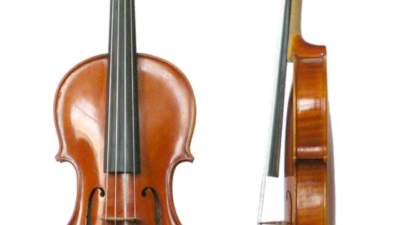
| वाद्य | harmonium · tabla · sarangi · violin |
| भाव | अविस्मरणीय · उदास · दार्शनिक |
| लोकप्रियता | Legendary |
| बोल-स्थिति | केवल झलक |
जुड़े हुए पन्ने
Connected Plates · The Graph Made Visibleअटलस में कोई पन्ना अकेला नहीं — इस गीत से जुड़े गीत, कलाकार, फ़िल्म, राग-ताल-विधा, सब यहाँ से खुलते हैं।
मिलते-जुलते गीत · Related Songs
कलाकार · The Artists
फ़िल्म · The Film
साझा कीजिए · Share this Plate
यह पन्ना आगे बढ़ाइए
सहगल ने यह गीत उस तरह गाया जैसे कोई आख़िरी ख़त लिखता है — एक बार, सच्चाई के साथ, दोबारा लिखने की उम्मीद के बिना।
Saigal sang it the way a man writes a farewell letter — once, truthfully, with no thought of revision.
— Film music historian (paraphrased)
सवाल-जवाब
Questions & Answersजब दिल ही टूट गया किसने लिखा? · Who wrote Jab Dil Hi Toot Gaya?
मजरूह सुल्तानपुरी ने यह गीत लिखा — यह उनका पहला फ़िल्मी गीत था, 26 साल की उम्र में शाहजहाँ (1946) के लिए। नौशाद ने संगीत दिया।
Majrooh Sultanpuri wrote the lyrics — it was his very first film lyric, written at age 26 for Shahjehan (1946). Naushad composed the music.
के. एल. सहगल का निधन कब हुआ और क्या इस गीत से कोई संबंध है? · When did K.L. Saigal die and is it related to this song?
सहगल का निधन 18 जनवरी 1947 को शराब की लत से लीवर सिरोसिस के कारण हुआ — इस गीत की रिकॉर्डिंग के कुछ महीने बाद। गीत में टूटे दिल और अर्थहीन जीवन के भाव उनके अपने आख़िरी दिनों से भयावह समानता रखते हैं।
Saigal died on January 18, 1947, from liver cirrhosis caused by alcoholism — just months after recording this song for Shahjehan. The song's themes of a broken heart and purposeless living mirror his own final days with uncanny accuracy.
जब दिल ही टूट गया किस राग पर आधारित है? · What raag is Jab Dil Hi Toot Gaya based on?
यह गीत राग भैरवी पर आधारित है — वह राग जो शास्त्रीय परंपरा में विदाई, समापन और गहरे दुःख का प्रतीक है। नौशाद अपने सबसे भावनात्मक रूप से गहरे गीतों के लिए अक्सर भैरवी का उपयोग करते थे।
The song is based on Raag Bhairavi — the raag classically associated with endings, farewells, and deep melancholy. Naushad frequently used Bhairavi for the most emotionally desolate songs in his repertoire.
क्या शाहजहाँ (1946) अभी देखने के लिए उपलब्ध है? · Is Shahjehan 1946 available to watch?
शाहजहाँ (1946) एक पुरानी फ़िल्म है और प्रिंट की गुणवत्ता अलग-अलग हो सकती है। इस सहित गीत YouTube और Saregama जैसे प्लेटफ़ॉर्म पर उपलब्ध हैं क्योंकि ध्वनि रिकॉर्डिंग कॉपीराइट 2006 में समाप्त हो गया।
Shahjehan (1946) is an older film and print quality varies. The songs, including this one, are available on YouTube and streaming platforms like Saregama, as the sound recording copyright expired in 2006.