गीत विंग · गीत-पट्टिका · Song Plate
जावो जावो ए मेरे साधु रहो गुरु के संग
Jaavo Jaavo E Mere Saadhu Raho Guru Ke Sang
“जावो जावो ए मेरे साधु रहो गुरु के संग” — 1933 की फ़िल्म पूरन भगत का एक गीत। संगीत: आर.सी. बोराल। बोल: पं. सुदर्शन। गायन: के.सी. डे।
भावभक्ति
भाषाbraj-hindi
श्रेय
The Creditsसूत्र-वाक्य · The Hook
सूत्र-वाक्य
“जावो जावो ए मेरे साधु रहो गुरु के संग” — 1933 की फ़िल्म पूरन भगत का एक गीत। संगीत: आर.सी. बोराल। बोल: पं. सुदर्शन। गायन: के.सी. डे।
In English“Jaavo Jaavo E Mere Saadhu Raho Guru Ke Sang” — a song from the 1933 film Puran Bhagat. Music: R.C. Boral. Lyrics: Pt. Sudarshan. Sung by K.C. Dey.
पट्टिका-लेख
The Monographपरिचय Overview
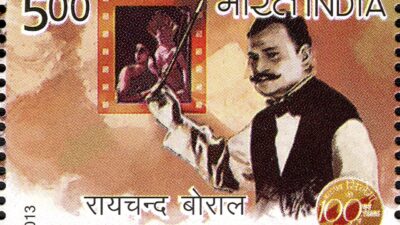
“जावो जावो ए मेरे साधु रहो गुरु के संग” 1933 की फ़िल्म पूरन भगत के गीतों में से एक है। इसका संगीत आर.सी. बोराल ने दिया। बोल पं. सुदर्शन के हैं। इसे के.सी. डे ने गाया।
अंग्रेज़ी में पढ़ें · Read in English
“Jaavo Jaavo E Mere Saadhu Raho Guru Ke Sang” is one of the songs from Puran Bhagat (1933). The music is by R.C. Boral. The lyrics are by Pt. Sudarshan. It was performed by K.C. Dey.
संगीत The Music
“जावो जावो ए मेरे साधु रहो गुरु के संग” का संगीत पूरन भगत (1933) के लिए आर.सी. बोराल ने रचा। स्वर: के.सी. डे।
अंग्रेज़ी में पढ़ें · Read in English
“Jaavo Jaavo E Mere Saadhu Raho Guru Ke Sang” was set to music by R.C. Boral for the 1933 film Puran Bhagat. It is rendered by K.C. Dey.
काव्य The Poetry
“जावो जावो ए मेरे साधु रहो गुरु के संग” के बोल पं. सुदर्शन ने लिखे।
अंग्रेज़ी में पढ़ें · Read in English
The words of “Jaavo Jaavo E Mere Saadhu Raho Guru Ke Sang” were written by Pt. Sudarshan.
कहानी The Story
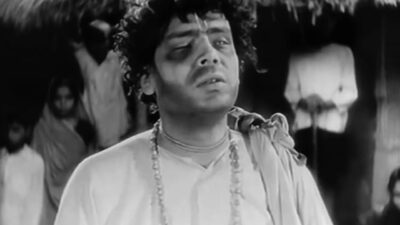
पूरन भगत (1933), देबकी बोस निर्देशित, न्यू थिएटर्स, कलकत्ता — पंजाबी लोक-कथा पर आधारित: सौतेली माँ के षड्यंत्र से कुएँ में फेंके गए राजकुमार पूरन को योगी गोरखनाथ ने बचाकर दीक्षित किया और वे संत बन गए। आर.सी. बोराल के संगीत और पं. सुदर्शन के बोलों में रची इस फ़िल्म के मुख्य गायक के.एल. सहगल और के.सी. डे थे। के.सी. डे (1893–1975) — कलकत्ते में जन्मे, जन्मांध, न्यू थिएटर्स के प्रमुख भक्ति-स्वर — की अंतर्मुखता सहगल की रूमानी सुरीलता से बिल्कुल अलग थी। 'जावो जावो ए मेरे साधु रहो गुरु के संग' एक विदाई-आशीर्वाद है — वह गीत जो तब गाया जाता है जब एक शिष्य या संत औपचारिक रूप से संसार से विदा लेता है। पूरन भगत की कथा में ऐसा विदाई-दृश्य उस अंतिम प्रस्थान से जुड़ा है जब पूरन गुरु की संगत में अपनी सांसारिक पहचान छोड़ देते हैं। पं. सुदर्शन का बोल सीधे संबोधन का रूप ('जावो' — तुम जाओ) लेता है, जो गायक और श्रोता के बीच एक आत्मीयता बनाता है — मानो बोलने वाला स्वयं संत को विदा कर रहा है।
अंग्रेज़ी में पढ़ें · Read in English
Puran Bhagat (1933), directed by Debaki Bose for New Theatres, Calcutta, drew on the Punjabi legend of Puran — a prince thrown into a well by a treacherous stepmother who is rescued by the yogi Gorakhnath and initiated into sainthood. The film's soundtrack, composed by R.C. Boral with lyrics by Pt. Sudarshan, featured both K.L. Saigal and K.C. Dey as principal singers. K.C. Dey (1893–1975), born blind in Calcutta and known within New Theatres as the studio's leading devotional voice, brought a quality of absolute inwardness to bhajans that Saigal's more melodic romanticism did not share. 'Jaavo Jaavo E Mere Saadhu Raho Guru Ke Sang' — 'Go, O holy man, remain with the Guru' — is a farewell blessing, the kind of song sung at the moment a disciple or saint takes formal leave of the world. In the narrative of Puran Bhagat, such a valediction scene is associated with Puran's final departure from his earthly life into the guru's company. Pt. Sudarshan's lyric uses the direct address form ('jaavo' — you go) that creates an intimacy between singer and listener, as though the speaker is personally releasing the saint.
विरासत The Legacy
के.सी. डे की पूरन भगत की भक्ति-रिकॉर्डिंग को ऑल इंडिया रेडियो ने 1930 के उत्तरार्ध और 1940 के दशक में प्रसारित किया, जिससे फ़िल्म खो जाने के बाद भी डे की प्रारंभिक हिंदी सिनेमा के श्रेष्ठ अंध-गायक के रूप में पहचान बनी रही। प्रारंभिक ध्वनि-सिनेमा के इतिहास में उनकी आवाज़ को अंतर्मुखी, हारमोनियम-संगत भजन-गायकी की परंपरा के उदाहरण के रूप में दर्ज किया गया है।
अंग्रेज़ी में पढ़ें · Read in English
K.C. Dey's devotional recordings from Puran Bhagat were broadcast on All India Radio in the late 1930s and 1940s and kept alive Dey's reputation as the premiere blind singer of early Hindi cinema long after the film itself was lost. His voice is documented in early sound-cinema histories as exemplifying a tradition of inward, harmonium-accompanied bhajan singing that influenced the later generation of AIR bhajan performers.
वर्गीकरण
ClassificationGenre
अन्य विवरण
More Details- https://en.wikipedia.org/wiki/Puran_Bhagat_(film)
- https://en.wikipedia.org/wiki/K._L._Saigal
References
रोचक तथ्य
Margin Notesयह गीत गाने वाले के.सी. डे (1893-1975) कलकत्ता में जन्म से दृष्टिहीन थे और प्रारंभिक सवाक् युग में न्यू थिएटर्स के सबसे प्रमुख भक्ति गायक बने।
अंग्रेज़ी में पढ़ें · Read in English
K.C. Dey (1893–1975), who sang this song, was born blind in Calcutta and became New Theatres' most prominent devotional singer in the early talkie era.
'पूरन भगत' (1933) देवकी बोस की पहली हिंदी फ़िल्म थी, जो उनकी प्रशंसित बांग्ला प्रस्तुतियों के कुछ समय बाद ही न्यू थिएटर्स में बनी।
अंग्रेज़ी में पढ़ें · Read in English
Puran Bhagat (1933) was Debaki Bose's first Hindi film, made at New Theatres shortly after his acclaimed Bengali productions.
जिस पंजाबी लोकगाथा 'पूरन भगत' पर यह फ़िल्म आधारित है, वह नाथ योग परंपरा और गोरखनाथ के चरित्र से गहराई से जुड़ी हुई है।
अंग्रेज़ी में पढ़ें · Read in English
The Punjabi legend of Puran Bhagat on which the film is based is closely associated with the Nath yogic tradition and the figure of Gorakhnath.
गीतकार पं. सुदर्शन ने सीधी, सुगम्य हिंदुस्तानी में ब्रज भक्ति मुहावरे को मिलाकर लिखा, जिससे ये गीत हिंदी-उर्दू भाषी क्षेत्रों के दर्शकों के लिए सुबोध बन गए।
अंग्रेज़ी में पढ़ें · Read in English
Pt. Sudarshan, the lyricist, wrote in a direct, accessible Hindustani mixed with Braj bhakti idiom, making the songs understandable to audiences across Hindi-Urdu speaking regions.
इस फ़िल्म का साउंडट्रैक उन शुरुआती उदाहरणों में से एक था जिसने साबित किया कि संस्कृत-व्युत्पन्न गीतों वाली भक्ति कथा-रेखा हिंदी सिनेमा में एक बड़ा व्यावसायिक दर्शक वर्ग पा सकती है।
अंग्रेज़ी में पढ़ें · Read in English
The film's soundtrack was among the first to demonstrate that a devotional storyline with Sanskrit-derived lyrics could find a mass commercial audience in Hindi cinema.
नमूना-पट्टी
The Specimen Table| शीर्षक | जावो जावो ए मेरे साधु रहो गुरु के संग · Jaavo Jaavo E Mere Saadhu Raho Guru Ke Sang |
|---|---|
| फ़िल्म | पूरन भगत · 1933 |
| वर्ष · युग | 1933 |
| गायक | K.C. Dey |
| गीतकार | Pandit Sudarshan |
| संगीतकार | Rai Chand Boral |
| भाषा | braj-hindi |
| भाव | भक्ति |
| लोकप्रियता | Very_popular |
| बोल-स्थिति | सार्वजनिक |
जुड़े हुए पन्ने
Connected Plates · The Graph Made Visibleअटलस में कोई पन्ना अकेला नहीं — इस गीत से जुड़े गीत, कलाकार, फ़िल्म, राग-ताल-विधा, सब यहाँ से खुलते हैं।
मिलते-जुलते गीत · Related Songs
कलाकार · The Artists
फ़िल्म · The Film
साझा कीजिए · Share this Plate