गीत विंग · गीत-पट्टिका · Song Plate
को तुमको तुम बोलो मोय
Ko Tumko Tum Bolo Moy
पुरानी ब्रजभाषा में ईश्वर से पूछा गया प्रश्न — तुम कौन हो? — और उत्तर उसी पर छोड़ दिया गया।
भावभक्ति · रहस्यमय · दार्शनिक
भाषाhindi गतिमध्यम स्वरूपयुगल
श्रेय
The Creditsसूत्र-वाक्य · The Hook
सूत्र-वाक्य
पुरानी ब्रजभाषा में ईश्वर से पूछा गया प्रश्न — तुम कौन हो? — और उत्तर उसी पर छोड़ दिया गया।
In EnglishA question put to god in old Braj — who are you? — and the answer left to him to give.
पट्टिका-लेख
The Monographपरिचय Overview
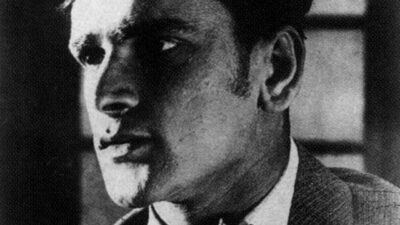
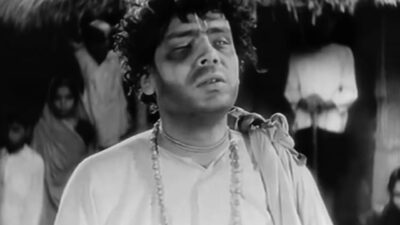
'देवदासी' (1945) के संगीत से श्रीमती घोष और के.सी. डे का युगल। शीर्षक पुरानी ब्रजभाषा में है — 'को' यानी कौन, 'मोय' यानी मुझे — और यह देवता से किया गया सीधा प्रश्न लगता है, जिसमें उत्तर भक्त की ओर से नहीं दिया जाता बल्कि उसी से माँगा जाता है। फ़िल्म के हर गीत की तरह बोल नरोत्तम व्यास के और धुन कृष्ण चंद्र डे की।
अंग्रेज़ी में पढ़ें · Read in English
A duet for Srimati Ghosh and K.C. Dey from the Devdasi (1945) score. The title is in old Braj — 'ko' for who, 'moy' for me — and reads as a direct question addressed to the deity, with the answer demanded from him rather than supplied by the devotee. Written by Narottam Vyas and composed by Krishna Chandra Dey, like every song in the film.
संगीत The Music
दो आवाज़ों के आदान-प्रदान की तरह बुना गया, जो प्रश्न-उत्तर के आकार वाले बोल के अनुकूल है। इस एलबम में श्रीमती घोष का योगदान — तीन एकल और यह युगल — उन्हें फ़िल्म की प्रमुख महिला आवाज़ बनाता है, और रचना उनकी तथा डे की पंक्तियों को आराम से अलग स्थानों पर रखती है ताकि संवाद घुल न जाए, स्पष्ट सुनाई दे। वाद्य-योजना एलबम के संयत ढाँचे — हारमोनियम, तबला और हल्के तार-वाद्य — का ही अनुसरण करती है।
अंग्रेज़ी में पढ़ें · Read in English
Built as an exchange between the two voices, which suits a lyric shaped as question and reply. Srimati Ghosh's contribution to this album — two solos and this duet — makes her the film's principal female voice, and the writing keeps her line and Dey's in comfortably separate registers so that the dialogue reads clearly rather than blending. The instrumentation follows the album's restrained pattern of harmonium, tabla and light strings.
काव्य The Poetry
देवता से यह पूछना कि वह स्वयं को क्या कहता है — भारतीय भक्ति-काव्य की पुरानी युक्ति है, और यह केवल वाचिक विनम्रता नहीं: प्रश्न ही सैद्धांतिक केंद्र है। भक्ति की दृष्टि में भक्त परिभाषा या अनुमान से ईश्वर तक नहीं पहुँच सकता, केवल बताए जाने से — इसलिए जो कविता रुककर पूछती है, वह अपने ही ज्ञान की सीमा का अभिनय कर रही होती है। नरोत्तम व्यास पुरानी ब्रज-रूपों को मानक हिंदी में नहीं बदलते, और यही गीत को संत-कवि के स्वर से बाँधता है — 1945 के फ़िल्मी गीत से नहीं, सूरदास और मीरा से।
अंग्रेज़ी में पढ़ें · Read in English
Asking the deity to name himself is an old move in Indian devotional poetry, and it is not rhetorical humility: the question is the doctrinal centre. In the bhakti frame the devotee cannot arrive at god by definition or inference, only by being told, so a poem that stops and asks is dramatising the limit of its own knowing. Narottam Vyas keeps the archaic Braj forms rather than modernising into standard Hindi, which anchors the song to the sant-poet register — Surdas and Mira rather than the film lyric of 1945.
कहानी The Story
'देवदासी' का संगीत अपने काल के लिए इस मायने में असामान्य है कि वह पूरी तरह भक्ति-प्रधान है, और यह युगल उन जगहों में है जहाँ फ़िल्म एक स्त्री-स्वर और गाते हुए भक्त की छवि को सीधे संवाद में रखती है — ऐसी संरचना जो मंदिर की नर्तकी के नाम पर बनी कथा से मेल खाती है। श्रेय-सूची से आगे फ़िल्म की कथा सुलभ सूचियों में दर्ज नहीं, और यह प्रविष्टि उसे गढ़ती नहीं।
अंग्रेज़ी में पढ़ें · Read in English
Devdasi's soundtrack is unusual for its period in being wholly devotional, and this duet is one of the places where the film puts a woman's voice and the singing-devotee figure in direct conversation — a structure that fits a story named for the temple dancer. Beyond the credits, the film's narrative is not documented in accessible catalogues, and this entry does not reconstruct it.
विरासत The Legacy
श्रीमती घोष 1940 के दशक की उन गायिकाओं में हैं जिनका रिकॉर्ड किया काम अब केवल सूची-प्रविष्टियों से दिखता है; 'देवदासी' का एलबम उन गिनी-चुनी जगहों में है जहाँ उनका नाम पूरे श्रेय के साथ सुरक्षित है। फ़िल्म के बाक़ी हिस्से की तरह यह गीत भी देखी जा सकने वाली किसी चीज़ के बजाय मेटाडेटा और एक 78-आरपीएम पार्श्व के रूप में बचा है।
अंग्रेज़ी में पढ़ें · Read in English
Srimati Ghosh is one of the mid-1940s singers whose recorded work is now visible only through catalogue entries; the Devdasi album is among the few places her name is preserved with a full set of credits. As with the rest of the film, the song survives as metadata and a 78-rpm side rather than as anything one can watch.
वर्गीकरण
Classification- Tempo
- Medium
Genre
अन्य विवरण
More Details- https://www.hindigeetmala.net/movie/devdasi.htm
- https://myswar.co/album/devdasi-1945
- https://en.wikipedia.org/wiki/List_of_Hindi_films_of_1945
- https://www.cinemaazi.com/film/devdasi
- https://en.wikipedia.org/wiki/BFJA_Award_for_Best_Actor_(Hindi)
References
रोचक तथ्य
Margin Notes'देवदासी' के सभी ग्यारह गीत के.सी. डे के संगीतबद्ध और नरोत्तम व्यास के लिखे हैं — एक ही संगीतकार, एक ही गीतकार का संकलन, जो 1945 की किसी बंबइया फ़िल्म के लिए असामान्य है और यही कारण है कि यह एलबम आदि से अंत तक एक ही भक्ति-स्वर बनाए रखता है।
अंग्रेज़ी में पढ़ें · Read in English
All eleven songs of Devdasi were composed by K.C. Dey and written by Narottam Vyas — a single-composer, single-lyricist soundtrack, unusual for a 1945 Bombay production and the reason the album holds a single devotional tone end to end.
श्रीमती घोष 'देवदासी' के ग्यारह में से तीन गीत गाती हैं — दो एकल और के.सी. डे के साथ यह युगल — जिससे वे एलबम की प्रमुख महिला आवाज़ बन जाती हैं।
अंग्रेज़ी में पढ़ें · Read in English
Srimati Ghosh sings on three of Devdasi's eleven songs — two solos and this duet with K.C. Dey — making her the album's principal female voice.
नमूना-पट्टी
The Specimen Table| शीर्षक | को तुमको तुम बोलो मोय · Ko Tumko Tum Bolo Moy |
|---|---|
| फ़िल्म | देवदासी · 1945 |
| वर्ष · युग | 1945 |
| गायक | Srimati Ghosh, K.C. Dey |
| गीतकार | Narottam Vyas |
| संगीतकार | K.C. Dey |
| स्वरूप | युगल |
| गति | मध्यम |
| भाषा | hindi |
| भाव | भक्ति · रहस्यमय · दार्शनिक |
| लोकप्रियता | Obscure |
| बोल-स्थिति | केवल झलक |
जुड़े हुए पन्ने
Connected Plates · The Graph Made Visibleअटलस में कोई पन्ना अकेला नहीं — इस गीत से जुड़े गीत, कलाकार, फ़िल्म, राग-ताल-विधा, सब यहाँ से खुलते हैं।
मिलते-जुलते गीत · Related Songs
कलाकार · The Artists
फ़िल्म · The Film
साझा कीजिए · Share this Plate