सिनेमा विंग · फ़िल्म-पट्टिका · Film Plate
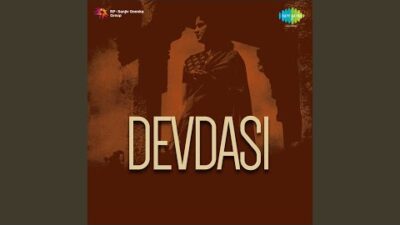
देवदासी
Devdasi
शैलीSocial · भक्ति · Drama
भाषाhindi प्रकारकथा-चित्र (फ़ीचर)
गीत11 — नीचे पूरी संगीत-सूची
कथा-सार
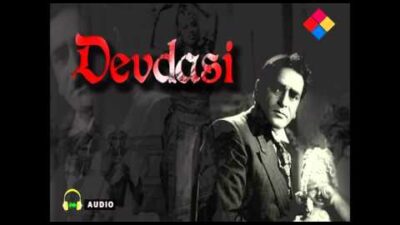
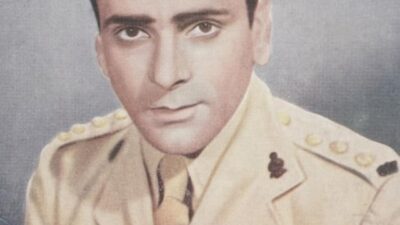
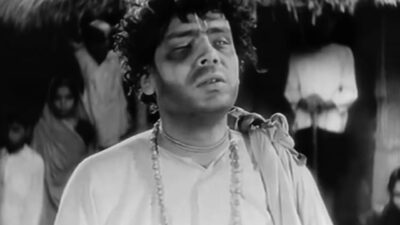
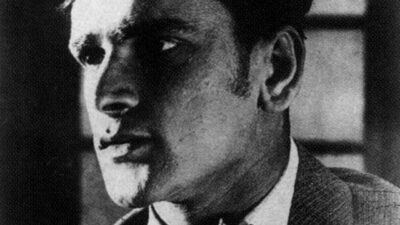
Synopsis'देवदासी' 1945 की एक सामाजिक फ़िल्म है, जिसे बंबई में न्यू महाराष्ट्र प्रोडक्शंस ने बनाया। इसका केंद्र वही स्त्री है जिसका नाम शीर्षक में है — देवदासी, जो बचपन में ही मंदिर के देवता की सेवा को अर्पित कर दी जाती है और जिसका जीवन गृहस्थी से नहीं, उपासना और प्रस्तुति से बँधा होता है। मुख्य भूमिका में पृथ्वीराज कपूर थे, उनके सामने मोनिका देसाई, और परदे पर नेत्रहीन गायक-अभिनेता के.सी. डे — उसी गाते हुए भक्त की भूमिका में जिसे उन्होंने एक दशक पहले न्यू थिएटर्स में अपनी पहचान बनाया था। इस फ़िल्म का बचा हुआ प्रमाण उसकी कथा नहीं, उसका संगीत है: ग्यारह गीत, सब के सब ब्रज के भक्त-कवि नरोत्तम व्यास के लिखे और के.सी. डे के स्वरबद्ध किए — गोविंद, मुकुंद और गिरधारी का नाम-कीर्तन, राधा की स्तुति, और सीधे ईश्वर से की गई समर्पण तथा क्षमा की प्रार्थनाएँ। सुलभ सूचियों में इसका विस्तृत कथासार उपलब्ध नहीं है, और यह प्रविष्टि जानबूझकर उसे गढ़ती नहीं; जो प्रमाणित है वह यह है कि यह एक भक्ति-प्रधान सामाजिक फ़िल्म थी जिसका भार उसके भजनों और उस अभिनय ने उठाया जिसे बंगाल फ़िल्म जर्नलिस्ट्स एसोसिएशन ने वर्ष का सर्वश्रेष्ठ हिंदी अभिनय माना।
अंग्रेज़ी में पढ़ें · Read in English
Devdasi is a 1945 social drama produced in Bombay by New Maharashtra Productions, built around the figure its title names — the devdasi, the woman dedicated in childhood to the service of a temple deity, whose life is bound to worship and performance rather than to marriage or household. Prithviraj Kapoor headed the cast opposite Monica Desai, with the blind singer-actor K.C. Dey appearing on screen in the singing-devotee register he had made his own at New Theatres a decade earlier. The surviving record of the film is its music rather than its plot: eleven songs, every one of them written by the Braj devotional poet Narottam Vyas and set by K.C. Dey, run almost entirely on Vaishnava naam-kirtan — invocations of Govind, Mukund and Girdhari, praise of Radha, and prayers of surrender and self-reproach addressed directly to the deity. No detailed plot summary of Devdasi survives in the accessible catalogues, and this entry deliberately does not reconstruct one; what is documented is a devotional-social film whose dramatic weight was carried by its bhajans and by a lead performance that the Bengal Film Journalists' Association judged the best Hindi acting of the year.
संगीत-सूची
The Soundtrackप्रमाणित ग्यारह गीत पूरी तरह कृष्ण चंद्र डे के संगीतबद्ध और नरोत्तम व्यास के लिखे हैं — 1945 की किसी बंबइया फ़िल्म के लिए एक ही संगीतकार और एक ही गीतकार का संकलन दुर्लभ है, और यही इस एलबम की स्वर-एकता का स्रोत है। के.सी. डे स्वयं पाँच गीतों में हैं — तीन एकल, जो संकलन के सबसे गहरे भजन हैं ('हरे मुरारे मधुकैटभारे', 'हरि के नाम बिना रे' और 'रोए हम चरणों पे भगवान'), और एलबम के दोनों युगल; श्रीमती घोष संबोधन और याचना के दो एकल गाती हैं और युगल 'को तुमको तुम बोलो मोय' में डे के साथ हैं; बंगाली गायिका पुतुल चटर्जी 'तोता बोला मोरे कान्हा' में उनका साथ देती हैं। चार शीर्षक — 'जय जय जय गोविंद जय मुकुंद गिरधारी', 'जय राधे श्रीराधे', 'मेरे रूप में निखार' और 'नटखट सी रसीली राधिका' — सूचियों में बिना गायक-श्रेय के मिलते हैं, और यह संग्रह अनुमान लगाने के बजाय वे प्रविष्टियाँ खाली छोड़ता है। रिकॉर्ड ग्रामोफ़ोन कंपनी के एचएमवी/सारेगामा कैटलॉग पर जारी हुए।
अंग्रेज़ी में पढ़ें · Read in English
All eleven documented songs were composed by Krishna Chandra Dey and written by Narottam Vyas — a rare single-composer, single-lyricist score for a 1945 Bombay film, and the source of the album's tonal unity. K.C. Dey himself sings on five of them — three solos, the heaviest bhajans of the set ('Hare Murare Madhukaitabhare', 'Hari Ke Naam Bina Re' and 'Roye Hum Charnon Pe Bhagwan'), plus both of the album's duets; Srimati Ghosh carries two solos of address and supplication and joins Dey on the duet 'Ko Tumko Tum Bolo Moy'; the Bengali singer Putul Chatterjee partners him on 'Tota Bola More Kanha'. Four titles — 'Jai Jai Jai Govind Jai Mukund Girdhari', 'Jai Radhe Shriradhe', 'Mere Roop Mein Nikhaar' and 'Natkhat Si Raseeli Radhika' — survive in the catalogues without a singer credit, and this archive leaves those fields empty rather than guessing. The records were issued on the Gramophone Company's HMV/Saregama catalogue.
- हरे मुरारे मधुकैटभारे Hare Murare Madhukaitabhare स्वर: K.C. Dey
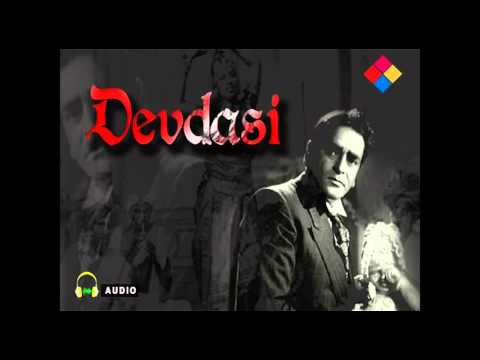
- हरि के नाम बिना रे Hari Ke Naam Bina Re स्वर: K.C. Dey
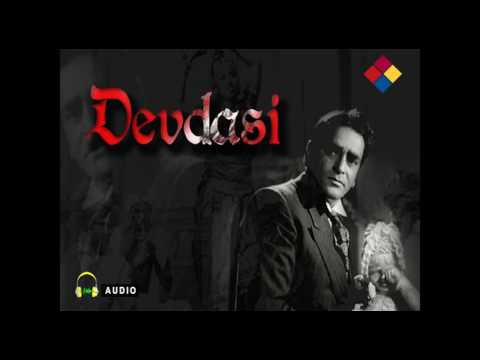
- रोए हम चरणों पे भगवान Roye Hum Charnon Pe Bhagwan स्वर: K.C. Dey
- तोता बोला मोरे कान्हा Tota Bola More Kanha स्वर: K.C. Dey, पुतुल चटर्जी
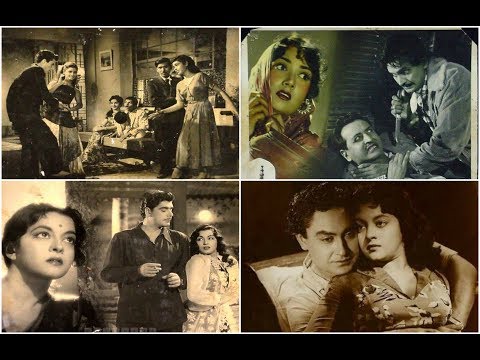
- को तुमको तुम बोलो मोय Ko Tumko Tum Bolo Moy स्वर: Srimati Ghosh, K.C. Dey
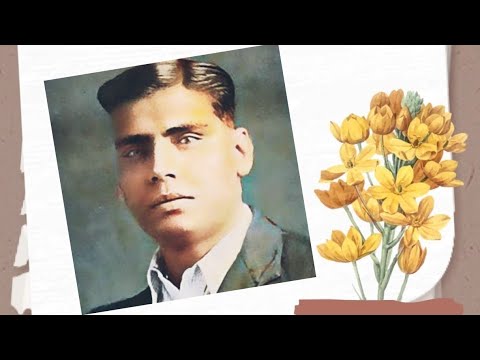
- मैं क्षमा आपसे चाहूँ Main Kshama Aapse Chahoon स्वर: Srimati Ghosh
- मेरे नाथ तुम्हीं सब कुछ हो Mere Naath Tumhi Sab Kuch Ho स्वर: Srimati Ghosh
- जय जय जय गोविंद जय मुकुंद गिरधारी Jai Jai Jai Govind Jai Mukund Girdhari

- जय राधे श्रीराधे Jai Radhe Shriradhe
- मेरे रूप में निखार Mere Roop Mein Nikhaar
- नटखट सी रसीली राधिका Natkhat Si Raseeli Radhika
पट्टिका-लेख
The Monographपर्दे के पीछे Behind the Scenes
इस फ़िल्म का निर्देशन-श्रेय बचे हुए अभिलेख में दो अलग-अलग तरह से दर्ज है। विकिपीडिया की 1945 की हिंदी फ़िल्मों की सूची और मायस्वर कैटलॉग सी. एस. बोस को निर्देशक बताते हैं; सिनेमाज़ी और indiancine.ma के डेटाबेस फणी मजूमदार का नाम देते हैं, और सिनेमाज़ी दोनों को सूचीबद्ध करता है। मजूमदार का जुड़ाव व्यक्तिगत आधार पर संभव तो लगता है — फ़िल्म की नायिका मोनिका देसाई उनकी पत्नी थीं और अभिनेत्री लीला देसाई उनकी बहन — पर यह संग्रह विकिपीडिया तथा मायस्वर के अनुरूप सी. एस. बोस को निर्देशक दर्ज करता है और इस मतभेद को सुलझाने के बजाय अंकित करता है। के.सी. डे यहाँ अपनी विशिष्ट दोहरी भूमिका में थे — संगीत भी दिया और गायक के रूप में परदे पर भी आए; किशोरावस्था में दृष्टि खोने के बाद उन्होंने अपनी परदे की पहचान उसी छवि से गढ़ी थी — गाता हुआ नेत्रहीन भक्त।
अंग्रेज़ी में पढ़ें · Read in English
The film's direction is credited two different ways in the surviving record. Wikipedia's list of Hindi films of 1945 and the MySwar catalogue name C. S. Bose as director; the Cinemaazi and indiancine.ma databases name Phani Majumdar, with Cinemaazi listing both. Majumdar's involvement is at least plausible on personal grounds — the film's heroine Monica Desai was married to him, and her sister was the actress Leela Desai — but this archive records C. S. Bose as director in line with the Wikipedia and MySwar attributions and flags the conflict rather than resolving it. K.C. Dey worked here in his characteristic double role, scoring the film and appearing in it as a singer; he had lost his sight in adolescence and had built his screen persona out of exactly that figure, the blind devotee who sings.
महत्व Significance
'देवदासी' वही फ़िल्म है जिसके लिए पृथ्वीराज कपूर को 1946 के समारोह में बंगाल फ़िल्म जर्नलिस्ट्स एसोसिएशन का सर्वश्रेष्ठ अभिनेता (हिंदी) पुरस्कार मिला — भारतीय सिनेमा के आरंभिक औपचारिक अभिनय-पुरस्कारों में से एक, जो फ़िल्मफ़ेयर की शुरुआत से पूरे आठ वर्ष पहले दिया गया। बीएफ़जेए ने 'देवदासी' को उस वर्ष की श्रेष्ठ भारतीय फ़िल्मों की सूची में नौवाँ स्थान भी दिया। के.सी. डे के लिए इस फ़िल्म का महत्व अलग है: यह उस नेत्रहीन गायक द्वारा रचित अंतिम पूर्ण संगीत-संकलनों में से एक है जिसकी कीर्तन-मूलक आवाज़ ने न्यू थिएटर्स की आरंभिक टॉकियों को गढ़ा था — और यह बंबई की एक फ़िल्म है जो ठीक उस समय कलकत्ता के उस भक्ति-मुहावरे तक पहुँचती है जब हिंदी फ़िल्म संगीत नौशाद की लोक-वाद्यवृंद शैली की ओर निर्णायक रूप से बढ़ रहा था। उर्दू फ़िल्म-गीत परंपरा के बजाय ब्रज भक्ति परंपरा के कवि नरोत्तम व्यास के साथ डे की जोड़ी इस संगीत को 1940 के दशक की किसी व्यावसायिक फ़िल्म के लिए असामान्य रूप से शुद्ध भक्ति-रंग देती है।
अंग्रेज़ी में पढ़ें · Read in English
Devdasi is the film for which Prithviraj Kapoor won the Bengal Film Journalists' Association Award for Best Actor (Hindi) at the 1946 ceremony — the first time the association gave that honour to him, and one of the earliest formal acting prizes in Indian cinema, awarded a full eight years before the Filmfare Awards began. The BFJA also placed Devdasi ninth on its list of the year's best Indian films. For K.C. Dey the film matters differently: it is one of the last full scores composed by the blind singer whose kirtan-rooted voice had defined New Theatres' early talkies, and it is a Bombay production reaching back to that Calcutta devotional idiom at a moment when Hindi film music was moving decisively towards Naushad's folk-orchestral style. The pairing of Dey with Narottam Vyas, a poet working in the Braj bhakti tradition rather than the Urdu film-lyric tradition, gives the soundtrack an unusually undiluted devotional character for a mid-1940s commercial release.
विरासत Legacy
'देवदासी' का कोई प्रिंट आज सार्वजनिक रूप से उपलब्ध नहीं माना जाता, और फ़िल्म मुख्यतः दो चिह्नों से याद की जाती है: वह बीएफ़जेए प्रशस्ति जिसने पृथ्वीराज कपूर को 1945 का सर्वश्रेष्ठ अभिनेता बनाया, और के.सी. डे के संगीत के वे ग्यारह 78-आरपीएम पार्श्व जो ग्रामोफ़ोन सूचियों में सुरक्षित हैं। यह पुरस्कार कपूर की प्रतिष्ठा के लिए एक विशेष क्षण में आया — 1944 में वे बंबई में पृथ्वी थिएटर्स की स्थापना कर चुके थे और फ़िल्म-सितारे के साथ-साथ एक गंभीर रंगमंच अभिनेता के रूप में अपनी पहचान बना रहे थे, और कलकत्ता के समीक्षकों का यह सम्मान उसी को पुष्ट करता था। हिंदी फ़िल्म संगीत के लिए यह एलबम बंगाल की उस कीर्तन-धारा का एक पछला, असामान्य रूप से शुद्ध उदाहरण है जिसे के.सी. डे सिनेमा में लाए और अपने भतीजे-शिष्य मन्ना डे को सौंप गए।
अंग्रेज़ी में पढ़ें · Read in English
No print of Devdasi is known to circulate publicly today, and the film is remembered chiefly through two traces: the BFJA citation that made Prithviraj Kapoor its Best Actor of 1945, and the eleven 78-rpm sides of K.C. Dey's score preserved in gramophone catalogues. The award mattered to Kapoor's standing at a particular moment — he had founded Prithvi Theatres in Bombay in 1944 and was building a reputation as a serious stage actor as much as a film star, and a critics' prize from Calcutta reinforced that. For Hindi film music the album stands as a late, unusually pure example of the Bengal kirtan strain that K.C. Dey carried into cinema and passed on to his nephew and pupil Manna Dey — a line of devotional singing that would keep returning to Hindi film long after the studio that made this picture was forgotten.
अन्य विवरण
More Details- https://en.wikipedia.org/wiki/List_of_Hindi_films_of_1945
- https://www.hindigeetmala.net/movie/devdasi.htm
- https://myswar.co/album/devdasi-1945
- https://www.cinemaazi.com/film/devdasi
- https://en.wikipedia.org/wiki/BFJA_Award_for_Best_Actor_(Hindi)
- https://en.wikipedia.org/wiki/Bengal_Film_Journalists%27_Association_%E2%80%93_Best_Films
- https://en.wikipedia.org/wiki/Prithviraj_Kapoor
- https://en.wikipedia.org/wiki/Monica_Desai
- https://indiancine.ma/EDS/info
References
नमूना-पट्टी
The Specimen Table| शीर्षक | देवदासी · Devdasi |
|---|---|
| वर्ष · युग | 1945 — Pre Independence |
| निर्देशक | सी. एस. बोस · C. S. Bose |
| संगीत-निर्देशक | के.सी. डे · K.C. Dey |
| गीतकार | नरोत्तम व्यास · Narottam Vyas |
| कलाकार-मंडली | पृथ्वीराज कपूर · Prithviraj Kapoor · मोनिका देसाई · Monica Desai · के.सी. डे · K.C. Dey · बिक्रम कपूर · Bikram Kapoor · अरविंद सेन · Arvind Sen · सुमन · Suman · कमला · Kamla · जी.एल. वैद्य · G.L. Vaid |
| निर्माण-गृह | New Maharashtra Productions, Bombay |
| शैली | Social · भक्ति · Drama |
| भाषा | hindi |
| प्रकार | कथा-चित्र (फ़ीचर) |
| गीत | 11 गीत — ऊपर पूरी संगीत-सूची |
जुड़े हुए पन्ने
Connected Plates · The Graph Made Visibleअटलस में कोई पन्ना अकेला नहीं — 'देवदासी' से उसके गीत, कलाकार, राग और युग, सब जुड़े हैं।
इस फ़िल्म के गीत · Songs of this Film
कलाकार · Cast & Crew
युग · The Era
साझा कीजिए · Share this Plate