सिनेमा विंग · फ़िल्म-पट्टिका · Film Plate
छमिया
Chhamia
शैलीSocial · Comedy
भाषाhindi प्रकारकथा-चित्र (फ़ीचर)
गीत11 — नीचे पूरी संगीत-सूची
कथा-सार
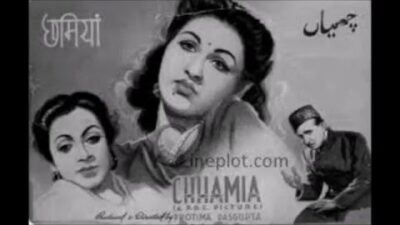
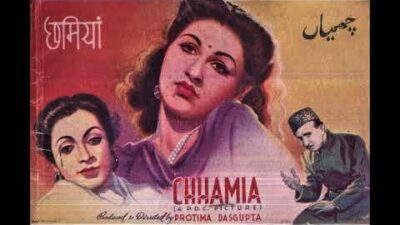
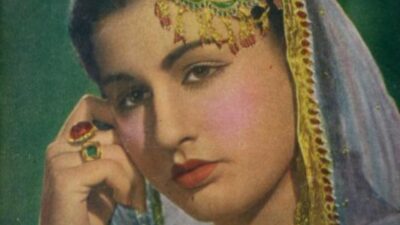
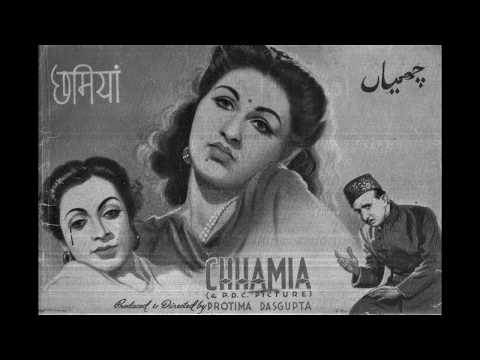
Synopsis'छमिया' 1945 की एक हिंदी सामाजिक हास्य-फ़िल्म है, जो जॉर्ज बर्नार्ड शॉ के नाटक 'पिग्मेलियन' पर आधारित है। शीर्षक स्वयं परिचय का काम कर देता है: 'छमिया' हिंदुस्तानी की बोलचाल में उस मुखर, भड़कीले कपड़ों वाली गली की लड़की के लिए प्रयुक्त शब्द है — और यही फ़िल्म की 'एलाइज़ा डूलिटल' है, वह अनगढ़ लड़की जिसे ऊँचे तबके के लोग उठाकर सलीक़े की बोली और तहज़ीब में ढालने का बीड़ा उठाते हैं। बेगम पारा, जिन्हें 'चाँद' (1944) से पदार्पण किए बमुश्किल एक बरस हुआ था, मुख्य भूमिका में थीं; प्रतिमा दासगुप्ता ने फ़िल्म का निर्देशन और निर्माण किया तथा स्वयं भी इसमें अभिनय किया, और उनके साथ बंबई के भरोसेमंद चरित्र-अभिनेताओं की टोली थी — हास्य-अभिनेता डेविड, नर्तकी अज़ूरी और दीक्षित। विस्तृत कथा-सार सुलभ अभिलेखों में सुरक्षित नहीं है — फ़िल्म स्वयं प्रचलन में नहीं है — इसलिए जो प्रलेखित है वह घटनाक्रम नहीं, ढाँचा है: वर्ग, लहजे और आत्म-निर्माण की एक शॉ-शैली की कॉमेडी, हिंदुस्तानी में खेली गई और ज्ञान दत्त के ग्यारह गीतों में पिरोई हुई। ग्रामोफ़ोन सूचियों में सुरक्षित गीत-शीर्षक भी इसी ढाँचे से मेल खाते हैं — एक फेरीवाले की हाँक ('मेरा चना मसालेदार') और टोपीधारी बाबू को छेड़ता गीत ('ओ टोपी वाले बाबू') से लेकर भीतरी बेचैनी की उर्दू ग़ज़ल ('वहशत में अपने हाथों मुश्किल को ढूँढ़ते हैं') तक — यानी वही पूरी सामाजिक दूरी जो पिग्मेलियन की कथा तय करती है।
अंग्रेज़ी में पढ़ें · Read in English
Chhamia is a 1945 Hindi social comedy adapted from George Bernard Shaw's Pygmalion. The title itself does the work of introduction: chhamiya is colloquial Hindustani for a forward, showily dressed young woman of the streets, and it names the film's Eliza Doolittle figure — the loud, unpolished girl who is taken up by her social betters and remade in the speech and manners of drawing-room society. Begum Para, only a year past her debut in Chand (1944), played the lead; Protima Dasgupta, who directed and produced the picture and also appeared in it, cast around her a company of Bombay's most reliable character players, including the comedian David, the dancer Azurie, and Dixit. Detailed plot summaries have not survived in accessible catalogues — the film itself is not in circulation — so what is documented is the frame rather than the incident: a Shaw comedy of class, accent and self-invention, played in Hindustani and set to eleven songs by Gyan Dutt. The song titles preserved in the gramophone catalogues are themselves consistent with that frame, running from a street-hawker's cry ('Mera Chana Masaledaar') and a teasing address to a hat-wearing sahib ('O Topi Wale Babu') to an Urdu ghazal of interior torment ('Vehshat Mein Apne Haathon Mushkil Ko Dhoondhte Hain') — the full social distance the Pygmalion story travels.
संगीत-सूची
The Soundtrackज्ञान दत्त ने 'छमिया' के लिए ग्यारह गीत रचे, जिनके बोल पंडित इंद्र और काबिल अमृतसरी ने लिखे। 1945 तक दत्त का करियर एक दशक पुराना हो चुका था, जो रणजीत मूवीटोन में बना था — जहाँ वे 'तूफ़ानी टोली' (1937) से स्टाफ़ संगीतकार थे और जहाँ उन्होंने भक्तिपरक सुपरहिट 'भक्त सूरदास' (1942) रची थी; किसी स्वतंत्र निर्माता के लिए स्टूडियो-व्यवस्था के बाहर काम करना उनके लिए एक नया मोड़ था। सूचीबद्ध संगीत शैली की दृष्टि से विस्तृत है: भजन-शैली की एक विनती ('तुम बिन कौन सहाई'), ब्रज-रंगी होली का एक गीत ('गुलाब छड़ी मार गयो'), पंजाबी लोक-रंग का मिलन-युगल ('परदेसी ढोला आज मिलेंगे'), जी.एम. दुर्रानी के लिए एक हास्य फेरीवाला गीत ('मेरा चना मसालेदार'), और कम से कम एक पूरी उर्दू ग़ज़ल। रिकॉर्डों पर प्रलेखित आवाज़ें हैं — ज़ोहराबाई अम्बालेवाली, अमीरबाई कर्नाटकी, जी.एम. दुर्रानी, श्याम कुमार और (बॉलीस्वर संकलन के अनुसार) पारुल घोष; सूचियाँ ग्यारह में से हर शीर्षक को किसी नामित गायक से नहीं जोड़तीं, और यह प्रविष्टि अनुमान लगाने के बजाय उन्हें अनाम ही छोड़ती है।
अंग्रेज़ी में पढ़ें · Read in English
Gyan Dutt wrote eleven songs for Chhamia to lyrics by Pandit Indra and Kabil Amritsari. By 1945 Dutt was a decade into a career built at Ranjit Movietone, where he had been the house composer since Toofani Toli (1937) and had scored the enormous devotional hit Bhakt Surdas (1942); working outside the studio system for an independent producer was a departure for him. The score as catalogued is stylistically wide: a bhajan-register plea ('Tum Bin Kaun Sahayi'), a Braj-inflected Holi-flavoured number ('Gulab Chhadi Maar Gayo'), a Punjabi-folk reunion duet ('Pardesi Dhola Aaj Milenge'), a comic street-vendor song for G.M. Durrani ('Mera Chana Masaledaar'), and at least one full Urdu ghazal. The voices documented on the discs are Zohrabai Ambalewali, Amirbai Karnataki, G.M. Durrani, Shyam Kumar and — in the BollySwar compendium — Parul Ghosh; the catalogues do not attribute every one of the eleven titles to a named singer, and this entry leaves those unattributed rather than guessing.
- बैरिन बन गई निंदिया हो Bairin Ban Gayi Nindiya Ho स्वर: Amirbai Karnataki

- पिया की बांसुरिया हुयी कलेजे पार Piya Ki Bansuriya Huyi Kaleje Paar स्वर: Zohrabai Ambalewali
- वहशत में अपने हाथों मुश्किल को ढूँढ़ते हैं Vehshat Mein Apne Haathon Mushkil Ko Dhoondhte Hain स्वर: Parul Ghosh
- ओ टोपी वाले बाबू O Topi Wale Babu
- गुलाब छड़ी मार गयो Gulab Chhadi Maar Gayo
- झूम झूम कर आई जवानी Jhoom Jhoom Kar Aayi Jawani
- परदेसी ढोला आज मिलेंगे Pardesi Dhola Aaj Milenge स्वर: Zohrabai Ambalewali, Shyam Kumar
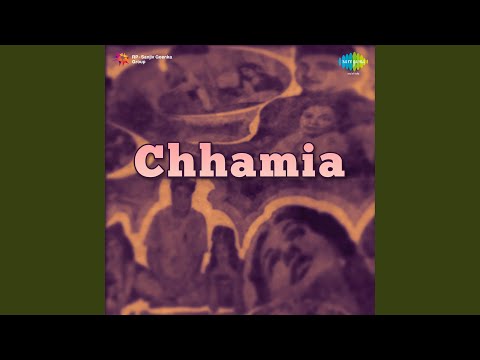
- तुम बिन कौन सहाई Tum Bin Kaun Sahayi
- ऐ यार वो चाँद निकल रहा है Ae Yaar Woh Chand Nikal Raha Hai
- मेरा चना मसालेदार Mera Chana Masaledaar स्वर: G.M. Durrani
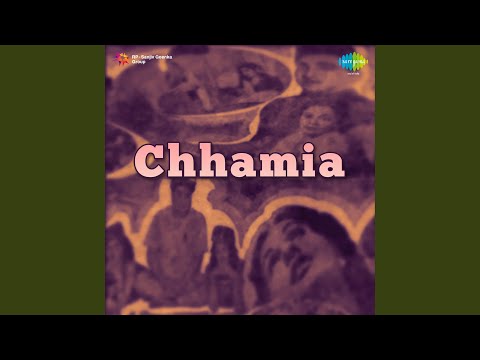
- मोहब्बत के बंदे Mohabbat Ke Bande
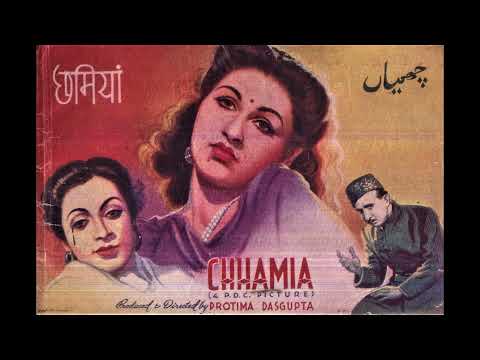
पट्टिका-लेख
The Monographपर्दे के पीछे Behind the Scenes
प्रतिमा दासगुप्ता और बेगम पारा एक ही परिवार से थीं: पारा के बड़े भाई 1930 के दशक के अंत में अभिनेता बनने बंबई आए, वहाँ दासगुप्ता से मिले और उनसे विवाह किया; और पारा का फ़िल्मों में प्रवेश भी इसी दंपती के यहाँ आते-जाते, अपनी भाभी की दुनिया में खिंचते चले जाने से हुआ। 'छमिया' इन दोनों ने मिलकर बनाई — पारा नायिका, दासगुप्ता निर्देशक, निर्माता और अभिनेत्री — जिससे यह उस दशक की उन गिनी-चुनी हिंदी फ़िल्मों में से एक बन जाती है जिसकी रचनात्मक कमान लगभग पूरी तरह दो स्त्रियों के हाथ में थी। निर्माण संस्था 'पी.डी.जी. पिक्चर्स' दर्ज है; ये आद्याक्षर स्वयं दासगुप्ता (प्रतिमा दास गुप्ता) के जान पड़ते हैं, यद्यपि परामर्श किए गए किसी स्रोत में यह स्पष्ट रूप से नहीं कहा गया।
अंग्रेज़ी में पढ़ें · Read in English
Protima Dasgupta and Begum Para were family: Para's elder brother had gone to Bombay in the late 1930s to act, met Dasgupta and married her, and Para's own entry into films came through visiting the couple and being drawn into her sister-in-law's world. Chhamia was made by the two of them together — Para as the star, Dasgupta directing, producing and acting — which makes it one of the few Hindi films of the decade whose above-the-line control sat almost entirely with two women. The production company is recorded as P.D.G. Pictures; the initials appear to be Dasgupta's own (Protima Das Gupta), though no source consulted states this.
महत्व Significance
'छमिया' का महत्व संगीत से अधिक संरचनात्मक है: यह 1945 की एक व्यावसायिक रूप से सफल मुख्यधारा की हिंदी फ़िल्म है जिसका निर्माण और निर्देशन एक स्त्री ने किया — उस दौर में जब हिंदी फ़िल्में निर्देशित करने वाली स्त्रियों की गिनती उँगलियों पर हो जाती थी। प्रतिमा दासगुप्ता — रवींद्रनाथ टैगोर के शांतिनिकेतन में शिक्षित, जिन्होंने बांग्ला 'गोरा' (1938) से परदे पर पदार्पण किया और 'राज नर्तकी' से हिंदी में आईं — इसी फ़िल्म से निर्देशक बनीं, और उन्होंने इसे किसी स्टूडियो की छत्रछाया में नहीं, अपने ही बैनर तले बनाया। उनका अपने पहले निर्देशन के लिए 'पिग्मेलियन' चुनना भी अर्थपूर्ण है: एक ऐसी कॉमेडी जिसमें पुरुष एक स्त्री की बोली छीनकर उसे नए सिरे से गढ़ते हैं — और यह उन गिनी-चुनी स्त्रियों में से एक ने बनाई जो उस समय यह तय कर सकने की स्थिति में थीं कि हिंदी परदे पर स्त्री की कहानी कैसे कही जाए। फ़िल्म की नायिका बेगम पारा थीं, जो दासगुप्ता की ननद थीं; यह उनके 1944 के पदार्पण 'चाँद' के बाद आई और 'चाँद' की तरह ही व्यावसायिक रूप से सफल रही। अंग्रेज़ी विकिपीडिया के अनुसार 'छमिया' के बाद कई फ़िल्में साइन करने के बावजूद वे स्वयं को अभिनेत्री के रूप में स्थापित नहीं कर पाईं और अधिकतर ग्लैमर-भूमिकाओं तक सीमित रहीं — इसलिए यह प्रविष्टि यह दावा नहीं करती कि 'छमिया' ने उनके लिए नायिका-भूमिकाओं का दौर खोला।
अंग्रेज़ी में पढ़ें · Read in English
Chhamia's importance is structural rather than musical: it is a commercially successful mainstream Hindi film of 1945 written, produced and directed by a woman, at a moment when the number of women directing Hindi features could be counted on one hand. Protima Dasgupta — educated at Rabindranath Tagore's Santiniketan, who had debuted on screen in the Bengali Gora (1938) and crossed to Hindi with Raj Nartaki — turned film-maker with this picture and set it up under her own banner rather than seeking a studio's patronage. That she chose Pygmalion for her debut is itself telling: a comedy about a woman's speech being confiscated and rebuilt by men, made by one of the very few women then in a position to control how a woman's story was told on a Hindi screen. The film starred Begum Para, whose sister-in-law Dasgupta was, and followed her 1944 debut Chand; it was, like Chand, a commercial success. The English Wikipedia article on Para adds that despite signing many films after Chhamia she "couldn't quite establish herself as an actress" and was largely cast as a glamour figure, so this entry makes no claim that Chhamia launched a career of leading roles.
विरासत Legacy
'छमिया' व्यावसायिक रूप से सफल रही और प्रतिमा दासगुप्ता के संक्षिप्त निर्देशकीय करियर का शिखर बनी रही। उन्होंने दो और फ़िल्में निर्देशित कीं — 'झरना' (1948) और 'पगले' (1950), जिसमें फिर बेगम पारा थीं — और उसके बाद फ़िल्म-निर्माण छोड़ दिया; उनके इस तरह हटने की परिस्थितियाँ यहाँ उपलब्ध किसी स्रोत में दर्ज नहीं हैं। 'छमिया' स्वयं आज प्रचलन में नहीं है, और इसका संगीत जीवित परंपरा के रूप में नहीं, मुख्यतः सूची-प्रविष्टियों और कुछ 78-आरपीएम रिकॉर्डों के रूप में बचा है। जो शेष रहता है वह इसका होना ही है: 1945 की एक सफल हिंदी फ़िल्म जिस पर एक स्त्री ने निर्माता, निर्देशक और अभिनेत्री — तीनों रूपों में अपना नाम लिखा।
अंग्रेज़ी में पढ़ें · Read in English
Chhamia was a commercial success and remained the high point of Protima Dasgupta's brief career behind the camera. She directed twice more — Jharna (1948) and Pagle (1950), the latter again with Begum Para — and then left film-making; the circumstances of her departure are not documented in any source available here. Chhamia itself is not in circulation today, and the soundtrack survives chiefly as catalogue listings and a handful of 78-rpm discs rather than as living repertoire. What endures is the fact of it: a hit Hindi film of 1945 that a woman wrote her own name across as producer, director and player.
अन्य विवरण
More Details- https://www.hindigeetmala.net/movie/chhamiya.htm
- https://myswar.co/album/chhamiya-1945
- https://en.wikipedia.org/wiki/List_of_Hindi_films_of_1945
- https://en.wikipedia.org/wiki/Begum_Para
- https://indiancine.ma/EDQ/info
- https://commons.wikimedia.org/wiki/File:BegamParaChhamia1945.png
References
नमूना-पट्टी
The Specimen Table| शीर्षक | छमिया · Chhamia |
|---|---|
| वर्ष · युग | 1945 — Pre Independence |
| निर्देशक | प्रतिमा दासगुप्ता · Protima Dasgupta |
| संगीत-निर्देशक | ज्ञान दत्त · Gyan Dutt |
| गीतकार | पंडित इंद्र · Pandit Indra · काबिल अमृतसरी · Kabil Amritsari |
| कलाकार-मंडली | बेगम पारा · Begum Para · प्रतिमा दासगुप्ता · Protima Dasgupta · डेविड · David · दीक्षित · Dixit · अज़ूरी · Azurie · गुलाब · Gulab · आरिफ़ · Arif · किरण · Kiran · शाकिर · Shakir · अमीर बानो · Amir Bano |
| निर्माता | Protima Dasgupta |
| निर्माण-गृह | P.D.G. Pictures, Bombay |
| शैली | Social · Comedy |
| भाषा | hindi |
| प्रकार | कथा-चित्र (फ़ीचर) |
| गीत | 11 गीत — ऊपर पूरी संगीत-सूची |
जुड़े हुए पन्ने
Connected Plates · The Graph Made Visibleअटलस में कोई पन्ना अकेला नहीं — 'छमिया' से उसके गीत, कलाकार, राग और युग, सब जुड़े हैं।
इस फ़िल्म के गीत · Songs of this Film
कलाकार · Cast & Crew
युग · The Era
साझा कीजिए · Share this Plate