शास्त्र विंग · वाद्य-पट्टिका · Instrument Plate
ढोल
Dhol
भांगड़े की आत्मा — उत्सव और उल्लास का महाराजा · Soul of Bhangra — the king of celebration and joy
अन्य नामढोल नगाड़ा · पंजाबी ढोल · Punjabi Dhol · Double-headed Barrel Drum
एक पंक्तिढोल एक विशाल बेलनाकार दोहरे सिर वाला ताल वाद्य है जो पंजाबी लोक संगीत और भांगड़ा नृत्य की पहचान है।
परिचय
Overviewढोल केवल एक वाद्य यंत्र नहीं है — यह पंजाब की आत्मा है, उसके उत्सव का प्रतीक है, और उसकी जीवन शक्ति का स्वर है। जब ढोल बजता है, तो धरती थिरकती है, पैर नाचने लगते हैं, और दिल में उमंग भर जाती है। पंजाब के हर महत्वपूर्ण अवसर पर ढोल उपस्थित रहता है — जन्म की खुशी में, विवाह के उत्सव में, फसल की कटाई में, और वीर सैनिक की विदाई में भी। ढोल की ध्वनि में पंजाब का पूरा इतिहास समाया हुआ है। ढोल की उत्पत्ति पंजाब और सिंध की प्राचीन सभ्यता से मानी जाती है। हड़प्पा और मोहनजोदड़ो की खुदाइयों में मिली मिट्टी की मूर्तियों में ढोल जैसे यंत्रों के चित्र मिलते हैं। मध्यकाल में मुग़ल दरबार में ढोल और नगाड़े सैन्य वाद्य यंत्रों के रूप में प्रयोग होते थे। लेकिन ढोल की असली पहचान लोक संगीत में है — पंजाब के खेतों में, गाँव के चौपाल पर, और उत्सव के मैदान में। आधुनिक युग में, जब भांगड़ा विश्व के कोने-कोने में पहुँच गया है, ढोल ने भी वैश्विक पहचान बनाई है। लंदन, टोरंटो, और वैंकूवर में भांगड़ा प्रतियोगिताओं में ढोल की धमाल होती है। बॉलीवुड फिल्मों के ज़रिए ढोल की ध्वनि हर भारतीय के कानों में बसी है। डीजे संगीत में भी ढोल के बोल मिलाए जाते हैं। ढोल एक सांस्कृतिक सेतु है जो पंजाब को पूरी दुनिया से जोड़ता है।
अंग्रेज़ी में पढ़ें · Read in English
Dhol is not merely an instrument — it is the soul of Punjab, the symbol of its celebrations, and the voice of its life force. When Dhol plays, the earth dances, feet start moving, and hearts fill with joy. Dhol is present at every important occasion in Punjab — the joy of birth, the celebration of marriage, the harvest of crops, and even the farewell of a brave soldier. Punjab's entire history is contained in the sound of Dhol.
Dhol's origins are traced to the ancient civilizations of Punjab and Sindh. Clay figurines found in excavations at Harappa and Mohenjo-daro depict instruments similar to Dhol. In medieval times, Dhols and Nagaras were used as military instruments in Mughal courts. But Dhol's true identity lies in folk music — in Punjab's fields, village squares, and celebration grounds.
In the modern era, as Bhangra has reached every corner of the world, Dhol too has gained global recognition. Bhangra competitions in London, Toronto, and Vancouver feature Dhol prominently. Through Bollywood films, Dhol's sound has settled in every Indian's ears. Even DJ music incorporates Dhol beats. Dhol is a cultural bridge connecting Punjab to the entire world.
काव्य-पंक्ति · The Verse
काव्य-पंक्ति
ढोल की ताल पर झूमे पंजाब सारा, नाचे धरती, गाए आकाश, बजे उत्सव का ढोल हमारा।
— लोककवि (पंजाबी लोकगीत) To the rhythm of Dhol, all of Punjab sways, The earth dances, the sky sings, our festive Dhol plays.
वर्गीकरण
ClassificationNatya Shastra
अवनद्ध — चर्म वाद्य यंत्र
Avanaddha — Membranophone (covered/stretched skin)
नाट्यशास्त्र के अनुसार ढोल 'अवनद्ध' वर्ग में आता है, जिसमें ध्वनि चमड़े से ढकी सतह पर आघात से उत्पन्न होती है।
According to Natya Shastra, Dhol belongs to the 'Avanaddha' category where sound is produced by striking a skin-covered surface.
Western
Percussion
Double-headed Membranophone / Barrel Drum
पश्चिमी वर्गीकरण में ढोल एक दोहरे सिर वाला बेलनाकार ड्रम है।
In Western classification, Dhol is a double-headed cylindrical drum (barrel drum).
Hornbostel Sachs
211.212.12
Double-headed cylindrical drum with two distinct heads, played with sticks
सिनेमा में
In Cinemaहिंदी और पंजाबी सिनेमा में ढोल की उपस्थिति अत्यंत व्यापक है। जब भी कोई उत्सव, विवाह, या पंजाबी माहौल दिखाना होता है, ढोल की ध्वनि अनिवार्य हो जाती है। 'दिलवाले दुल्हनिया ले जाएंगे' में बारात का दृश्य, 'लगान' में ग्रामीण उत्सव, 'वीर-ज़ारा' में पंजाबी शादी — सभी में ढोल की गूंज सुनाई देती है। आधुनिक बॉलीवुड में 'बोल बच्चन', 'चेन्नई एक्सप्रेस', और 'दंगल' जैसी फिल्मों के उत्सव दृश्यों में ढोल की ध्वनि दर्शकों को अपनी सीट से नचाने का काम करती है। पंजाबी फिल्मों में तो ढोल लगभग हर गाने में होता है।
अंग्रेज़ी में पढ़ें · Read in English
Dhol's presence in Hindi and Punjabi cinema is extremely widespread. Whenever a celebration, wedding, or Punjabi atmosphere needs to be depicted, Dhol sound becomes mandatory. The barat scene in 'Dilwale Dulhania Le Jayenge', village celebration in 'Lagaan', Punjabi wedding in 'Veer-Zaara' — all feature Dhol. In modern Bollywood films like 'Bol Bachchan', 'Chennai Express', and 'Dangal', Dhol makes audiences literally jump from their seats during celebration sequences.
वर्तमान स्थिति
Modern Statusविवरण
ढोल आज भी एक जीवंत और लोकप्रिय वाद्य यंत्र है। भांगड़ा संगीत की वैश्विक लोकप्रियता के कारण ढोल को नई पहचान मिली है। डायस्पोरा पंजाबी समुदाय ने ढोल को UK, Canada, USA तक पहुँचाया है। भांगड़ा प्रतियोगिताएं, फिल्म संगीत, और लाइव कार्यक्रमों में ढोल की मांग बनी हुई है। हालांकि शादियों में इलेक्ट्रॉनिक संगीत का प्रचलन बढ़ा है, लेकिन असली ढोल की मांग कभी खत्म नहीं होती।
अंग्रेज़ी में पढ़ें · Read in English
Dhol remains a vibrant and popular instrument today. Bhangra music's global popularity has given Dhol new recognition. Diaspora Punjabi communities have brought Dhol to UK, Canada, USA. Bhangra competitions, film music, and live events sustain demand for Dhol. Though electronic music has grown at weddings, genuine demand for Dhol never disappears.
Estimated Players
Tens of thousands globally
Revival Efforts
भांगड़ा प्रतियोगिताएं और संगीत विद्यालय ढोल वादन की परंपरा को जीवित रख रहे हैं।
अंग्रेज़ी में पढ़ें · Read in English
Bhangra competitions and music schools are keeping the Dhol playing tradition alive.
बनावट
Physicalविवरण
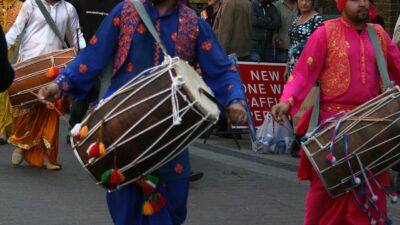
ढोल एक बेलनाकार वाद्य यंत्र है जो लगभग ४५-६० सेंटीमीटर लंबा और ३५-४५ सेंटीमीटर चौड़ा होता है। यह आम, शीशम या अन्य घने लकड़ी से बने एक खोखले बेलन के आकार का होता है। इसके दोनों सिरों पर चमड़े की पर्दे (मेम्ब्रेन) होती हैं। एक तरफ की पर्दा मोटी होती है और गहरी, गूंजती हुई आवाज़ देती है — इसे 'गागी' या 'दायां' कहते हैं। दूसरी तरफ की पर्दा पतली होती है और तीखी, ऊंची आवाज़ देती है — इसे 'तिहाई' या 'बायां' कहते हैं। दोनों पर्दों को रस्सियों और चमड़े की पट्टियों से खींचकर ट्यून किया जाता है। ढोल को गले में लटकाने के लिए एक मोटी रस्सी या पट्टे का उपयोग किया जाता है ताकि वादक खड़े होकर या चलते हुए भी बजा सके।
अंग्रेज़ी में पढ़ें · Read in English
The Dhol is a cylindrical instrument approximately 45-60 cm long and 35-45 cm wide. Made from a hollow cylinder of mango, sheesham or other dense wood. Both ends are covered with animal skin membranes. One side (gagi/right) has a thicker skin producing deep, resonant bass tones. The other side (tihai/left) has thinner skin producing sharp, higher tones. Both membranes are tuned by tightening ropes and leather straps. A thick strap allows players to carry it while standing or walking.
Dimensions
45-60 cm (length)
35-45 cm (diameter)
4-8 kg
Tuning
रस्सी-खिंचाव प्रणाली — रस्सियाँ कस-ढीली करके ट्यून किया जाता है
Lace-tension system — tuned by tightening or loosening the lacing
Bass head: D-F range; Treble head: 4th-5th above bass
Limited tonal range but vast rhythmic vocabulary
Construction
लकड़ी का खोखला बेलनाकार खोल जो यंत्र का मुख्य ढांचा बनाता है। इसे आम, शीशम, या सागौन की लकड़ी से बनाया जाता है।
The hollow cylindrical shell forming the main body of the instrument. Made from mango, sheesham, or teak wood.
मोटी चमड़े की पर्दा जो गहरी और गूंजती हुई बास आवाज़ देती है। इसे 'दंडा' नामक मोटी लकड़ी की छड़ी से बजाया जाता है।
Thick skin membrane producing deep resonant bass sound. Played with the thick stick called 'danda'.
पतली चमड़े की पर्दा जो तीखी और ऊंची आवाज़ देती है। इसे 'डागा' नामक पतली, घुमावदार छड़ी से बजाया जाता है।
Thin skin membrane producing sharp, high-pitched sound. Played with the curved thin stick called 'daga'.
चमड़े की पट्टियाँ और धातु के छल्ले जो दोनों पर्दों को खींचकर बांधते हैं और ट्यूनिंग में सहायता करते हैं।
Leather straps and metal rings that lace both membranes and allow tuning by tightening.
दो अलग-अलग छड़ियाँ: दंडा (मोटी, सीधी) बड़े सिरे के लिए और डागा (पतली, घुमावदार) छोटे सिरे के लिए।
Two distinct sticks: danda (thick, straight) for the bass head and daga (thin, curved) for the treble head.
मोटी रस्सी या कपड़े की पट्टी जो ढोल को गले में लटकाने के लिए प्रयोग होती है।
Thick rope or fabric strap used to hang the dhol around the player's neck.
ध्वनि-चरित्र
SoundTonal Character
ढोल की ध्वनि अत्यंत शक्तिशाली, जीवंत और उत्साहवर्धक होती है। बड़े सिरे से निकलने वाली गहरी 'धूम-धूम' आवाज़ और छोटे सिरे की तीखी 'ठक-ठक' आवाज़ मिलकर एक अनूठी लय बनाती हैं। यह ध्वनि इतनी शक्तिशाली होती है कि खुले मैदान में भी सैकड़ों मीटर दूर तक सुनाई देती है। भांगड़े के साथ बजता ढोल मन में उत्साह, उमंग और नृत्य की इच्छा जगाता है। इसकी ध्वनि में एक आदेशात्मक गुण है जो पूरे माहौल को नचाने की शक्ति रखता है।
अंग्रेज़ी में पढ़ें · Read in English
Dhol's sound is extremely powerful, vibrant, and energizing. The deep 'dhum-dhum' from the bass head combined with the sharp 'thak-thak' of the treble creates a unique rhythm. This sound is powerful enough to carry hundreds of meters in open fields. Dhol with Bhangra ignites enthusiasm and the urge to dance. Its commanding sound has the power to move an entire gathering.
Timbre
गहरी गूंज और तीखी ताल — उत्सव और विजय की ध्वनि
अंग्रेज़ी में पढ़ें · Read in English
Deep resonance and sharp rhythm — the sound of celebration and triumph
Dynamic Range
बहुत व्यापक — धीमी फुसफुसाहट से लेकर तूफानी धमाके तक
अंग्रेज़ी में पढ़ें · Read in English
Very wide — from soft whisper to thunderous explosion
Comparison
बास ड्रम की गहराई और स्नेयर की तीक्ष्णता का पूर्ण संयोजन
अंग्रेज़ी में पढ़ें · Read in English
Perfect combination of bass drum's depth and snare drum's sharpness
वादन-तकनीक
Playing Techniqueविवरण
ढोल बजाने की विधि में निपुणता और शारीरिक ताकत दोनों की आवश्यकता है। वादक ढोल को गले में पट्टे से लटकाता है और खड़े होकर, चलते हुए, या नृत्य करते हुए बजाता है। दाहिने हाथ में मोटी 'दंडा' छड़ी होती है जो बड़े सिरे (गागी) पर गहरे बास सुर के लिए मारी जाती है। बाएं हाथ में पतली, घुमावदार 'डागा' छड़ी होती है जो छोटे सिरे (तिहाई) पर तेज आवाज़ के लिए मारी जाती है। दोनों हाथों की समन्वित गति से ताल बनती है। पंजाबी ढोल वादन में कई परंपरागत 'बोल' (ताल-पैटर्न) होते हैं जैसे 'चाप', 'धमाल', 'झुमर' आदि। प्रत्येक बोल का अपना विशेष अवसर और भाव होता है।
अंग्रेज़ी में पढ़ें · Read in English
Playing Dhol requires both skill and physical strength. The player hangs it around the neck with a strap and plays while standing, walking, or dancing. The right hand holds the thick 'danda' stick for striking the bass head (gagi) producing deep tones. The left hand holds the thin curved 'daga' stick for striking the treble head (tihai) producing sharp sounds. Coordinated movement of both hands creates rhythm. Punjabi dhol playing has various traditional 'bol' (rhythmic patterns) like 'chaap', 'dhamal', 'jhumar' etc. Each bol has its own occasion and emotion.
Posture
खड़े होकर, पट्टे से ढोल को आगे लटकाते हुए; नृत्य और प्रदर्शन के साथ
अंग्रेज़ी में पढ़ें · Read in English
Standing with dhol hanging forward on strap; often combined with movement and performance
Techniques
ढोल का सबसे बुनियादी और प्रचलित बोल। दाएं हाथ से 'धा' और बाएं हाथ से 'धिन' की ताल। यह भांगड़े का आधार है और सभी शुरुआती वादक पहले यही सीखते हैं।
The most basic and popular bol of Dhol. Right hand plays 'Dha' and left plays 'Dhin'. Foundation of Bhangra, learned by all beginners first.
तेज गति और तीव्र ऊर्जा वाला बोल जो Sufi संगीत और धार्मिक उत्सवों में बजाया जाता है। इसमें बड़े सिरे पर लगातार और तेज़ प्रहार होते हैं।
Fast and intensely energetic bol played in Sufi music and religious celebrations. Involves rapid, continuous strikes on the bass head.
पंजाबी लोक नृत्य झुमर के साथ बजने वाला विशेष ताल। इसमें तीन-चार की ताल में लहराती हुई लय होती है जो नृत्य की गति को निर्धारित करती है।
Specific rhythmic pattern for the Punjabi folk dance Jhumar. Has a swaying 3-4 rhythm that sets the pace for the dance.
फसल उत्सव और खुशी के अवसरों पर बजाया जाने वाला बोल। धीमी-मध्यम गति का यह बोल एक विशेष उत्साह का संचार करता है।
A bol played during harvest festivals and joyous occasions. This medium-tempo beat creates a unique sense of festivity.
उन्नत ढोल वादन की जटिल तकनीक जिसमें दोनों छड़ियों से तेज़ और जटिल पैटर्न बनाए जाते हैं। यह उस्ताद वादकों की पहचान है।
Complex advanced technique creating fast intricate patterns with both sticks. This marks the skill of master players.
निर्माण-प्रक्रिया
Making Processविवरण
पारंपरिक ढोल निर्माण एक विशेष कारीगरी है जो पीढ़ियों से चली आ रही है। सबसे पहले आम, शीशम, या सागौन की लकड़ी के मोटे टुकड़े को सुखाया जाता है। फिर इसे खराद पर बेलनाकार आकार दिया जाता है और अंदर से खोखला किया जाता है। लकड़ी का खोल तैयार होने के बाद, इसे महीनों तक फिर सुखाया जाता है। दोनों सिरों पर चमड़े की पर्दे लगाई जाती हैं — एक तरफ मोटी भैंस की खाल और दूसरी तरफ पतली बकरी की खाल। चमड़े को भिगोकर नरम किया जाता है, फिर धातु के छल्लों पर चढ़ाया जाता है। रस्सियों से दोनों सिरे बांधे जाते हैं। अंत में ढोल को रंग-बिरंगे रंगों और लोक कला से सजाया जाता है।
अंग्रेज़ी में पढ़ें · Read in English
Traditional Dhol making is a specialized craft passed through generations. First, mango, sheesham or teak wood is dried thoroughly. Then it's lathe-turned into a cylinder and hollowed out. Once the shell is ready, it's dried for months more. Membranes are fitted — thick buffalo hide on one side and thin goatskin on the other. Leather is soaked to soften, then mounted on metal rings. Both ends are laced with ropes. Finally, the dhol is decorated with colorful paints and folk art.
Materials
ढोल का खोल बनाने के लिए मुख्य सामग्री — घनत्व और अनुरणन के लिए।
Primary material for the shell — chosen for density and resonance.
गागी (बड़े) सिरे की मोटी पर्दा के लिए प्रयुक्त।
Used for the thick bass membrane on the gagi (large) side.
तिहाई (छोटे) सिरे की पतली पर्दा के लिए प्रयुक्त।
Used for the thin treble membrane on the tihai (small) side.
पर्दों को मजबूती से बांधने और ट्यूनिंग के लिए।
For securing membranes firmly and for tuning.
Artisan Centers
पंजाब के ये शहर ढोल निर्माण के प्रमुख केंद्र हैं जहाँ पीढ़ियों से ढोल बनाने वाले परिवार रहते हैं।
These Punjab cities are major Dhol manufacturing centers with families making them for generations.
विभाजन से पहले का पुराना ढोल निर्माण केंद्र, आज भी उत्कृष्ट ढोल बनाता है।
Historic Dhol making center predating partition, still producing excellent instruments today.
उत्तर भारत में ढोल निर्माण के उभरते केंद्र।
Emerging Dhol manufacturing centers in North India.
Time To Craft
2-4 weeks
Price Range
₹3,000-25,000
संगीत-समूह में भूमिका
Role In EnsemblePrimary Role
लोक संगीत और नृत्य में ताल की आधारशिला और नेतृत्व
अंग्रेज़ी में पढ़ें · Read in English
Rhythmic foundation and leadership in folk music and dance
Solo Capability
ढोल एकल वादन के लिए भी सक्षम है, विशेषकर प्रदर्शन कला में।
अंग्रेज़ी में पढ़ें · Read in English
Dhol is capable of solo performance, especially in showcase performances.
Accompaniment For
ढोल भांगड़े की आत्मा है — इसके बिना भांगड़ा अधूरा है। वादक की छड़ियों की गति से नर्तकों की देह की लय निर्धारित होती है।
Dhol is the soul of Bhangra — Bhangra is incomplete without it. The player's stick movement determines the dancer's body rhythm.
पंजाबी महिलाओं के गिद्दा नृत्य और बोलियों में ढोल अनिवार्य साथी है।
Dhol is an essential companion in Giddha dance and folk songs (boliyan) of Punjabi women.
उत्तर भारतीय विवाह में बारात के साथ ढोल अनिवार्य रूप से बजाया जाता है।
Dhol is indispensably played during North Indian wedding processions.
लोक संगीत में
In Folk Musicढोल पंजाबी लोक संगीत का केंद्रीय वाद्य यंत्र है। भांगड़ा, गिद्दा, झुमर, लुड्डी, सम्मी — पंजाब के हर प्रमुख लोक नृत्य और गीत शैली में ढोल अनिवार्य भूमिका निभाता है। फसल के उत्सव जैसे लोहड़ी और वैसाखी के दौरान ढोल वादक पूरे गाँव को नचाते हैं। विवाह के हर चरण में — मेहंदी, संगीत, बारात, विदाई — ढोल साथ रहता है। राजस्थान, हरियाणा, हिमाचल प्रदेश, और जम्मू में भी स्थानीय लोक परंपराओं में ढोल का उपयोग होता है।
अंग्रेज़ी में पढ़ें · Read in English
Dhol is the central instrument of Punjabi folk music. Bhangra, Giddha, Jhumar, Luddi, Sammi — every major Punjabi folk dance and song style requires Dhol. During harvest festivals like Lohri and Vaisakhi, Dhol players get the whole village dancing. At every stage of weddings — mehndi, sangeet, barat, bidai — Dhol accompanies. Rajasthan, Haryana, Himachal Pradesh, and Jammu also use Dhol in their local folk traditions.
क्षेत्रीय रूप
Regional Variantsमानक भांगड़ा ढोल — बड़ा, शक्तिशाली, और चमकीले रंगों से सजाया हुआ।
Standard Bhangra dhol — large, powerful, and decorated with bright colors.
थोड़ा छोटा और राजस्थानी लोक कला से सजाया गया। इसे ढोलक के करीब माना जाता है।
Slightly smaller and decorated with Rajasthani folk art. Considered closer to dholak.
लाहौर और पाकिस्तानी पंजाब का ढोल जो Sufi कव्वाली और धमाल के साथ बजाया जाता है।
Dhol of Lahore and Pakistani Punjab, played with Sufi qawwali and dhamal.
महाराष्ट्र में गणेश उत्सव के दौरान बजाया जाने वाला ढोल जो ताशा के साथ जोड़ा जाता है।
Dhol played in Maharashtra during Ganesh festival, paired with tasha.
प्रसिद्ध वादक
Famous Playersपंजाबी पॉप के राजा दलेर मेहंदी ने ढोल को वैश्विक मंच पर प्रतिष्ठित किया। 'बोलो ता रा रा', 'तुनक तुनक तुन' जैसे गानों में उनके संगीत में ढोल की केंद्रीय भूमिका ने भांगड़ा को अंतरराष्ट्रीय पहचान दिलाई।
King of Punjabi pop Daler Mehndi brought Dhol to the global stage. His music in songs like 'Bolo Ta Ra Ra', 'Tunak Tunak Tun' gave Bhangra international recognition with Dhol at the center.
पंजाबी लोक गायिका जिनके गानों में ढोल की ताल अनिवार्य रूप से उपस्थित रहती है और जिन्होंने महिला भांगड़ा कलाकारों को नई पहचान दिलाई।
Punjabi folk singer whose songs invariably feature Dhol rhythm, who gave new identity to women Bhangra artists.
पंजाबी संगीत के महानतम कलाकारों में से एक। उनके लाइव प्रदर्शनों में ढोल वादकों की उपस्थिति अनिवार्य होती है और उनके गानों की आत्मा ढोल की ताल पर टिकी है।
One of the greatest Punjabi music artists. Live Dhol players are indispensable in his performances, and his songs' soul rests on Dhol rhythm.
पंजाब के एक प्रसिद्ध ढोल उस्ताद जिन्होंने कई पीढ़ियों के शिष्यों को परंपरागत ढोल वादन की शिक्षा दी और गुरु-शिष्य परंपरा को जीवित रखा।
A renowned Dhol master from Punjab who taught traditional Dhol playing to generations of disciples, keeping the guru-shishya tradition alive.
पंजाबी लोक संगीत के महान गायक जिनके गाने 'Jind Mahi' में ढोल का उपयोग पंजाबी लोक संगीत की परिभाषा बन गया।
Great Punjabi folk singer whose song 'Jind Mahi' featuring Dhol became the definition of Punjabi folk music.
राग-उपयुक्तता
Raag Suitabilityकाफ़ी राग की लोक-सुलभता और पंजाब के लोकगीतों के साथ ढोल का जोड़ा स्वाभाविक है।
Kaafi raag's folk accessibility creates a natural partnership with Dhol in Punjab folk songs.
खमाज की उत्सव-प्रिय प्रकृति ढोल के साथ उत्सव संगीत में आदर्श है।
Khamaj's festive nature is ideal with Dhol in celebration music.
भैरवी की लोक-सुलभता के कारण ढोल के साथ भांगड़ा के अंत में अक्सर इस राग की धुनें बजाई जाती हैं।
Due to Bhairavi's folk accessibility, its tunes are often played at the end of Bhangra performances with Dhol.
विवाह और उत्सव संगीत में तिलक कामोद राग की धुनें ढोल के साथ विशेष प्रभाव उत्पन्न करती हैं।
Tilak Kamod tunes create special impact with Dhol in wedding and festive music.
घराना-संबंध
Gharana Connectionsपंजाब घराना का ढोल वादन और लोक संगीत परंपरा से गहरा संबंध है।
Punjab Gharana has deep connection with Dhol playing and folk music tradition.
सीखने का मार्ग
Learning Pathविवरण
ढोल सीखना एक रोमांचक यात्रा है। शुरुआत में, छात्र ढोल की बुनियादी संरचना और दोनों छड़ियों की पकड़ सीखता है। पहले चरण में 'चाप' बोल से शुरुआत होती है जो भांगड़े का आधार है। धीरे-धीरे छात्र 'झुमर', 'लुड्डी', 'धमाल' जैसे अलग-अलग बोल सीखता है। हर बोल के साथ एक विशेष ताल और भाव जुड़ा होता है। उन्नत स्तर पर छात्र एक साथ चलते और नृत्य करते हुए ढोल बजाना सीखता है। पेशेवर ढोल वादक बनने में आमतौर पर ३-५ साल की कड़ी साधना लगती है।
अंग्रेज़ी में पढ़ें · Read in English
Learning Dhol is an exciting journey. Initially students learn the basic structure and grip of both sticks. First stage begins with 'chaap' bol — foundation of Bhangra. Gradually students learn different bols like 'jhumar', 'luddi', 'dhamal'. Each bol carries a specific rhythm and emotion. Advanced level involves playing while walking and dancing simultaneously. Becoming a professional Dhol player typically requires 3-5 years of dedicated practice.
Beginner Steps
दंडा और डागा को सही तरह से पकड़ना और ढोल को पट्टे से सही ऊंचाई पर लटकाना।
Correctly holding danda and daga, and hanging dhol at proper height with strap.
'धा-धिन-धा-धिन' की बुनियादी ताल जो भांगड़े का आधार है।
'Dha-dhin-dha-dhin' basic rhythm that is the foundation of Bhangra.
झुमर, लुड्डी, धमाल जैसे अलग-अलग बोल और उनके अवसर।
Different bols like jhumar, luddi, dhamal and their occasions.
चलते, दौड़ते, और नृत्य करते हुए ढोल बजाना।
Playing Dhol while walking, running, and dancing.
सामान्य अवधि
3-5 years for professional proficiency
संस्थान
लोक संगीत और भांगड़ा विभाग में ढोल वादन की शिक्षा।
Dhol instruction in the Folk Music and Bhangra department.
पंजाब भर में कई भांगड़ा अकादमियाँ ढोल वादन सिखाती हैं।
Numerous Bhangra academies across Punjab teach Dhol playing.
सांस्कृतिक महत्व
Cultural Significanceढोल का सांस्कृतिक महत्व पंजाबी जीवन के हर पहलू में व्याप्त है। यह उत्सव का संकेत है — जब ढोल बजता है, सब जानते हैं कि कुछ ख़ास हो रहा है। लोहड़ी की आग के आसपास, वैसाखी के मेले में, और शादी की बारात में ढोल के बिना उत्सव अधूरा है। ढोल केवल संगीत नहीं है, यह सामाजिक एकता का प्रतीक भी है — जब ढोल बजता है, जाति-धर्म की दीवारें टूट जाती हैं और सब एक साथ नाचते हैं। पंजाब के योद्धा इतिहास में ढोल सैनिकों का साहस जगाने वाला था। आज भी, भारतीय सेना और पुलिस के परेड में ढोल की गूंज होती है।
अंग्रेज़ी में पढ़ें · Read in English
Dhol's cultural significance permeates every aspect of Punjabi life. It signals celebration — when Dhol plays, everyone knows something special is happening. Around Lohri fire, at Vaisakhi fair, and in wedding processions, celebrations are incomplete without Dhol. Dhol is not just music but also a symbol of social unity — when Dhol plays, barriers of caste and religion dissolve and everyone dances together. In Punjab's warrior history, Dhol stirred courage in soldiers. Even today, Indian Army and Police parades resound with Dhol.
सुनने का मार्गदर्शन
The Listening Guideढोल को सुनने का सबसे अच्छा तरीका है किसी जीवंत भांगड़ा प्रदर्शन में उपस्थित होना। लेकिन अगर यह संभव न हो, तो उस्ताद राकेश शर्मा या किसी पेशेवर ढोल वादक की रिकॉर्डिंग सुनें। पहले बास (गागी) की गहरी धुम-धुम सुनें, फिर तिहाई की तीखी आवाज़ पर ध्यान दें। जब दोनों आवाज़ें मिलती हैं तो जो ताल बनती है, वही ढोल का असली जादू है। अपने पैर थिरकने दें — ढोल के साथ बैठे रहना लगभग असंभव है!
अंग्रेज़ी में पढ़ें · Read in English
The best way to hear Dhol is to be present at a live Bhangra performance. If that is not possible, listen to recordings by Ustad Rakesh Sharma or any professional Dhol player. First listen to the deep dhum-dhum of the bass (gagi), then focus on the sharp sound of tihai. When both sounds combine to form rhythm — that is Dhol's true magic. Let your feet tap — it is nearly impossible to sit still with Dhol playing!
श्रवण-कक्ष · The Listening Room
देखें-सुनें
पेशेवर ढोल वादन — भांगड़ा प्रदर्शन · भांगड़ा कलाकार · 5:30
ढोल बजाना सीखें — बुनियादी बोल · ढोल शिक्षक · 8:15
परिचय
Identity- Year Of Origin
- 1500
वर्गीकरण
Classification- Code
- 211.212.12
- Description
- Double-headed cylindrical drum with two distinct heads, played with sticks
- Category
- अवनद्ध — चर्म वाद्य यंत्र
- Category En
- Avanaddha — Membranophone (covered/stretched skin)
- Description
- नाट्यशास्त्र के अनुसार ढोल 'अवनद्ध' वर्ग में आता है, जिसमें ध्वनि चमड़े से ढकी सतह पर आघात से उत्पन्न होती है।
- Description En
- According to Natya Shastra, Dhol belongs to the 'Avanaddha' category where sound is produced by striking a skin-covered surface.
Hornbostel Sachs
Natya Shastra
अन्य विवरण
More Details- खोल (बेलन) — Kohl — लकड़ी का खोखला बेलनाकार खोल जो यंत्र का मुख्य ढांचा बनाता है। इसे आम, शीशम, या सागौन की लकड़ी से बनाया जाता है। · Shell / Barrel
- गागी पर्दा (बड़ा सिरा) — Gagi — मोटी चमड़े की पर्दा जो गहरी और गूंजती हुई बास आवाज़ देती है। इसे 'दंडा' नामक मोटी लकड़ी की छड़ी से बजाया जाता है। · Bass Head (Gagi)
- तिहाई पर्दा (छोटा सिरा) — Tihai — पतली चमड़े की पर्दा जो तीखी और ऊंची आवाज़ देती है। इसे 'डागा' नामक पतली, घुमावदार छड़ी से बजाया जाता है। · Treble Head (Tihai)
- रस्सी और छल्ले — Ropes and Rings — चमड़े की पट्टियाँ और धातु के छल्ले जो दोनों पर्दों को खींचकर बांधते हैं और ट्यूनिंग में सहायता करते हैं। · Lacing and Rings
- दंडा और डागा — Sticks — दो अलग-अलग छड़ियाँ: दंडा (मोटी, सीधी) बड़े सिरे के लिए और डागा (पतली, घुमावदार) छोटे सिरे के लिए। · Danda and Daga (Sticks)
- पट्टा — Carrying Strap — मोटी रस्सी या कपड़े की पट्टी जो ढोल को गले में लटकाने के लिए प्रयोग होती है। · Carrying Strap
- System
- रस्सी-खिंचाव प्रणाली — रस्सियाँ कस-ढीली करके ट्यून किया जाता है
- System En
- Lace-tension system — tuned by tightening or loosening the lacing
- Standard Tuning
- Bass head: D-F range; Treble head: 4th-5th above bass
- Range
- Limited tonal range but vast rhythmic vocabulary
- Timbre
- गहरी गूंज और तीखी ताल — उत्सव और विजय की ध्वनि
Construction
Tuning
रोचक तथ्य
Margin Notesढोल की आवाज़ एक खुले मैदान में लगभग एक किलोमीटर तक सुनाई दे सकती है। इसीलिए पुराने समय में ढोल का उपयोग संदेश भेजने और लोगों को इकट्ठा करने के लिए किया जाता था। गाँव में कोई महत्वपूर्ण घोषणा होने पर ढोल बजाया जाता था।
Dhol's sound can be heard up to one kilometer in an open field. This is why in ancient times Dhol was used to send messages and gather people. When an important announcement was to be made in a village, the Dhol was played.
पंजाब में 'ढोली' (ढोल वादक) एक विशेष जाति और पेशे का नाम है। ये लोग पीढ़ियों से विवाह, उत्सव, और धार्मिक अनुष्ठानों में ढोल बजाते आए हैं। ढोली समुदाय ने ढोल वादन की परंपरा को सदियों तक जीवित रखा।
In Punjab, 'Dholi' (Dhol player) is a specific caste and profession name. These people have played Dhol at marriages, festivals, and religious ceremonies for generations. The Dholi community has kept the Dhol playing tradition alive for centuries.
ढोल के दोनों सिरे अलग-अलग टोन में ट्यून किए जाते हैं। बड़े सिरे (गागी) की आवाज़ का स्वर पाँचवें (Pa) और छोटे सिरे (तिहाई) की आवाज़ का स्वर सप्तम (Ni) या ऊंचा Pa होता है। यह ट्यूनिंग मौसम के अनुसार बदलती रहती है।
Both heads of Dhol are tuned to different tones. The bass head (gagi) is tuned to Pa (fifth) and the treble head (tihai) to Ni (seventh) or higher Pa. This tuning changes according to weather conditions.
भांगड़ा संगीत की वैश्विक लोकप्रियता के साथ, ढोल अब लंदन, टोरंटो, न्यूयॉर्क, और सिडनी तक के स्टेज पर बजाया जाता है। UK में 'Dhol Academy' और 'Dhol Foundation' जैसी संस्थाएं ढोल वादन सिखाती हैं और इसे युवा पीढ़ी तक पहुँचाती हैं।
With Bhangra music's global popularity, Dhol is now played on stages in London, Toronto, New York, and Sydney. In the UK, organizations like 'Dhol Academy' and 'Dhol Foundation' teach Dhol playing and bring it to younger generations.
ढोल की 'डागा' छड़ी का घुमाव एक विशेष उद्देश्य के लिए है। घुमावदार आकार वादक को पर्दे पर 'स्वीप' जैसी गति से मारने में मदद करता है, जिससे एक अनूठी 'चाप' ध्वनि उत्पन्न होती है जो भांगड़े की पहचान है।
The curve of Dhol's 'daga' stick serves a specific purpose. The curved shape helps the player strike the membrane with a 'sweep'-like motion, producing the distinctive 'chaap' sound that is the hallmark of Bhangra.
पाकिस्तान के Sufi मेलों में ढोल का उपयोग 'धमाल' के लिए होता है — एक आध्यात्मिक नृत्य जिसमें भक्त अल्लाह की याद में झूमते हैं। लाहौर की Data Darbar और पाकपट्टन की Baba Farid Dargah में ढोल की धमाल प्रसिद्ध है।
In Pakistan's Sufi festivals, Dhol is used for 'dhamal' — a spiritual dance where devotees sway in remembrance of Allah. Dhol's dhamal at Lahore's Data Darbar and Pakpattan's Baba Farid Dargah is famous.
क्या आप जानते हैं?
Did You Knowढोल के एक तरफ का चमड़ा बिना बजाए भी आवाज़ करता है — जब दूसरी तरफ बजाया जाता है, तो उसका अनुरणन (resonance) भी काम करता है। इसी दो-स्तरीय अनुरणन से ढोल की विशेष, गहरी आवाज़ बनती है।
One side of Dhol's membrane resonates even without being struck — when the other side is played, its sympathetic resonance also works. This two-layer resonance creates Dhol's distinctive deep sound.
पंजाबी लोककथाओं में ढोल को 'देवताओं का वाद्य' कहा जाता है। माना जाता है कि ढोल की ध्वनि बुरी आत्माओं को भगाती है और शुभ अवसरों पर देवी-देवताओं का आशीर्वाद लाती है।
In Punjabi folklore, Dhol is called 'the instrument of the gods'. It is believed that Dhol's sound drives away evil spirits and brings the blessings of deities on auspicious occasions.
एक पेशेवर ढोल वादक (ढोली) एक विवाह के दौरान लगातार ६-८ घंटे तक ढोल बजा सकता है। इसके लिए जबरदस्त शारीरिक शक्ति और सहनशक्ति की आवश्यकता होती है।
A professional Dhol player (Dholi) can play Dhol continuously for 6-8 hours during a wedding. This requires tremendous physical strength and endurance.
सूक्तियाँ
Words of the Masters“जब ढोल बजता है, तो पूरे पंजाब की मिट्टी में सुर उठता है।”
“When the Dhol plays, a melody rises from the very soil of all Punjab.”
— — पंजाबी कहावत
“ढोल बिना भांगड़ा, वैसे जैसे प्रेम बिना ज़िंदगी — दोनों अधूरे हैं।”
“Bhangra without Dhol is like life without love — both are incomplete.”
— — गुर्दास मान
“ढोल की ताल सुनकर पैर खुद-ब-खुद उठने लगते हैं — यह संगीत का जादू है जो आत्मा तक पहुँचता है।”
— — दलेर मेहंदी“Hearing the Dhol's rhythm, feet rise by themselves — this is the magic of music that reaches the soul.”
सवाल-जवाब
Questions & Answersढोल और ढोलक में क्या अंतर है?
ढोल और ढोलक में कई महत्वपूर्ण अंतर हैं। ढोल बड़ा, भारी, और बेलनाकार होता है जिसे छड़ियों से बजाया जाता है, जबकि ढोलक छोटी, हल्की, और बैरल-आकार की होती है जिसे हाथों से बजाया जाता है। ढोल मुख्यतः पंजाब का यंत्र है और भांगड़े में प्रयोग होता है, जबकि ढोलक पूरे उत्तर भारत में लोकगीतों में प्रयोग होती है। ढोल की आवाज़ बहुत तेज़ और शक्तिशाली होती है, जबकि ढोलक की आवाज़ मधुर और कोमल होती है।
ढोल बजाने के लिए कितने समय की प्रशिक्षण आवश्यक है?
बुनियादी ढोल वादन के लिए ३-६ महीने की नियमित साधना पर्याप्त होती है। मध्यवर्ती स्तर तक पहुँचने के लिए १-२ साल लगते हैं। पेशेवर ढोल वादक बनने के लिए कम से कम ३-५ साल की कड़ी साधना आवश्यक है। इसमें शारीरिक सहनशक्ति का विकास भी शामिल है क्योंकि ढोल वादन बहुत शारीरिक रूप से मांगलिक कला है।
क्या ढोल केवल पंजाब में बजाया जाता है?
नहीं, ढोल पूरे दक्षिण एशिया में बजाया जाता है। पंजाब इसका मुख्य केंद्र है, लेकिन राजस्थान, हरियाणा, जम्मू, हिमाचल प्रदेश, और पाकिस्तान में भी इसके अलग-अलग रूप हैं। बांग्लादेश में ढोल का बड़ा प्रचलन है। यहाँ तक कि श्रीलंका और नेपाल में भी ढोल जैसे वाद्य यंत्र पाए जाते हैं। डायस्पोरा पंजाबी समुदाय के कारण UK, कनाडा, और USA में भी ढोल लोकप्रिय है।
इतिहास
The Historyउत्पत्ति — प्राचीन काल — संभवतः ३००० वर्ष पूर्व Origin
ढोल की उत्पत्ति सिंधु घाटी सभ्यता के काल से मानी जाती है। हड़प्पा और मोहनजोदड़ो की खुदाइयों में ड्रम जैसे वाद्य यंत्रों के अवशेष मिले हैं। पंजाब और सिंध के प्राचीन लोगों ने कृषि उत्सवों में ड्रम बजाने की परंपरा शुरू की। वैदिक काल में 'दुंदुभी' का उल्लेख मिलता है जो संभवतः ढोल का ही पुराना नाम था। मध्यकाल में मुग़ल दरबार में ढोल और नगाड़े सैन्य वाद्य यंत्रों के रूप में प्रमुख थे। यहीं से ढोल पंजाब की लोक संस्कृति में गहराई से उतरा।
अंग्रेज़ी में पढ़ें · Read in English
Dhol's origins are traced to the Indus Valley Civilization period. Excavations at Harappa and Mohenjo-daro have yielded remnants of drum-like instruments. Ancient peoples of Punjab and Sindh began the tradition of playing drums at agricultural festivals. The Vedic period mentions 'Dundubhi', possibly an old name for Dhol. In medieval times, Dhols and Nagaras were prominent military instruments in Mughal courts. From here, Dhol penetrated deeply into Punjab's folk culture.
विकास-यात्रा · Evolution
- प्राचीन काल (३००० BCE — ५०० CE) सिंधु घाटी सभ्यता और वैदिक काल में ड्रम वाद्य यंत्रों का उपयोग। 'दुंदुभी' का वेदों में उल्लेख। कृषि और धार्मिक उत्सवों में ताल वाद्यों की भूमिका।
- मध्यकाल (१२०० — १७०० CE) मुग़ल दरबार में ढोल और नगाड़े सैन्य वाद्य यंत्रों के रूप में स्थापित हुए। युद्ध में ढोल की ताल से सैनिकों का मनोबल बढ़ाया जाता था। सूफी परंपरा में धमाल के लिए ढोल का उपयोग प्रारंभ हुआ।
- आधुनिक पूर्व काल (१८०० — १९४७) पंजाबी लोक संगीत में ढोल की केंद्रीय भूमिका स्थापित हुई। भांगड़ा, गिद्दा, झुमर जैसी लोक शैलियों के साथ ढोल अनिवार्य हो गया। ढोली समुदाय की परंपरा मजबूत हुई।
- आधुनिक काल (१९४७ — वर्तमान) स्वतंत्रता के बाद भांगड़ा राष्ट्रीय पहचान बना और ढोल उसके साथ वैश्विक स्तर पर पहुँचा। बॉलीवुड और पॉप संगीत में ढोल का उपयोग बढ़ा। डायस्पोरा पंजाबी समुदाय ने UK और कनाडा में ढोल को नई पहचान दिलाई।
प्रमुख पड़ाव · Key Milestones
- 2500 सिंधु घाटी सभ्यता में ड्रम जैसे वाद्य यंत्रों के प्रमाण मिलते हैं।
- 1200 मुग़ल काल में ढोल और नगाड़ा सैन्य वाद्य यंत्रों के रूप में दर्ज।
- 1700 पंजाबी लोक संगीत परंपराओं में ढोल का अनिवार्य वाद्य के रूप में उभार।
- 1947 भारत की स्वतंत्रता के साथ भांगड़ा राष्ट्रीय उत्सव संगीत बना, ढोल के साथ।
- 1994 दलेर मेहंदी के 'बोलो ता रा रा' से पंजाबी पॉप और ढोल को अंतरराष्ट्रीय पहचान।
- 2000 UK और कनाडा में Dhol Academy और Dhol Foundation की स्थापना — ढोल को विश्व स्तर पर स्थापित करने का प्रयास।
नमूना-पट्टी
The Specimen Table| नाम | ढोल · Dhol |
|---|---|
| अन्य नाम | ढोल नगाड़ा · पंजाबी ढोल · Punjabi Dhol · Double-headed Barrel Drum |
| उद्गम | 1500 |
| काल | प्राचीन काल — संभवतः ३००० वर्ष पूर्व |
| प्रकार | वाद्य · Instruments |
जुड़े हुए पन्ने
Connected Plates · The Graph Made Visibleअटलस में कोई पन्ना अकेला नहीं — इस वाद्य से जुड़े गीत, कलाकार, शास्त्र और कहानियाँ, सब यहाँ से खुलते हैं।
इस वाद्य के गीत
Songs of this Instruments

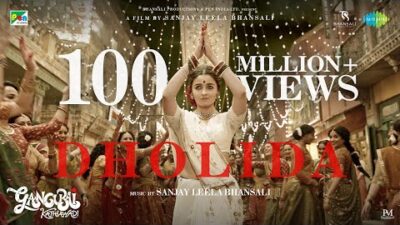
ढोलिडा
Dholida
जान्हवी श्रीमांकर, शैल हाडा, दिप्ति, प्रगति, रुचा, आरोही व अर्चना (कोरस), संजय लीला भंसाली





साझा कीजिए · Share this Plate
यह पन्ना आगे बढ़ाइए
जुड़ी हुई दुनिया
Explore ConnectionsHeard In · सुनिए इनमें (186)


चुनरी चुनरी – लेट्स गो
Chunnari Chunnari – Let’s Go
IP Singh, Jonita Gandhi, Asees Kaur, Sudhir Yaduvanshi, अनुराधा श्रीराम · Hai Jawani Toh Ishq Hona Hai

वतन की राह में वतन के नौजवान शहीद हो
Watan Ki Raah Mein Watan Ke Naujawaan Shaheed Ho