सिनेमा विंग · फ़िल्म-पट्टिका · Film Plate
ग्रामोफोन कंपनी लिमिटेड — 1903 रिकॉर्डिंग सत्र
Gramophone Company Ltd. — 1903 Recording Sessions
भाषाHindustani प्रकारRecording Label
गीत10 — नीचे पूरी संगीत-सूची
कथा-सार
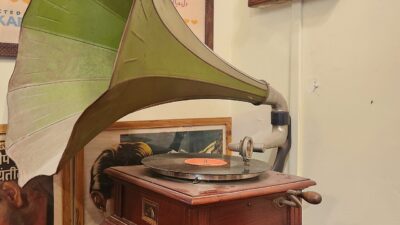
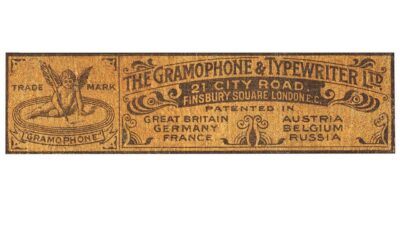
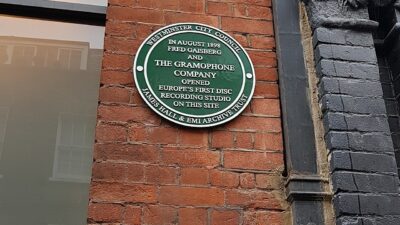
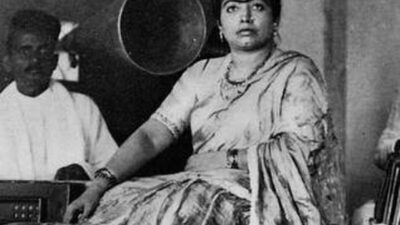
Synopsis1903 में कलकत्ता में ग्रामोफोन कंपनी लिमिटेड के रिकॉर्डिंग सत्र भारत में बनाई गई सबसे पुरानी व्यावसायिक संगीत रिकॉर्डिंग्स में से एक हैं, जो 1902 के ऐतिहासिक सत्रों के बाद की थीं। फ्रेडरिक विलियम गेसबर्ग भारत के प्रमुख शास्त्रीय और अर्ध-शास्त्रीय कलाकारों की अधिक रिकॉर्डिंग के लिए 1903 में भारत लौटे। गौहर जान, जो 1902 के सत्रों से पहले से भारत की सबसे प्रमुख रिकॉर्डिंग आवाज़ थीं, फिर से केंद्रीय हस्ती रहीं — राग भैरवी, यमन, काफ़ी, देश और झिंझोटी में ठुमरी, ख़्याल और दादरा रिकॉर्ड करते हुए। 1903 के सत्रों ने भारतीय संगीत की उस सूची में काफ़ी इज़ाफ़ा किया जिसे ग्रामोफोन कंपनी जर्मनी के हनोवर में प्रेस करके पूरे भारतीय उपमहाद्वीप में वितरित करती थी।
अंग्रेज़ी में पढ़ें · Read in English
The 1903 recording sessions by the Gramophone Company Ltd. in Calcutta were among the earliest commercial music recordings made in India, following on from the historic 1902 sessions. Frederick William Gaisberg returned to India in 1903 to capture further recordings of India's leading classical and semi-classical artists. Gauhar Jaan, already celebrated as India's most prominent recording voice from the 1902 sessions, was again a central figure — recording thumris, khayals, and dadras in Raags Bhairavi, Yaman, Kafi, Desh, and Jhinjhoti. The 1903 sessions added substantially to the catalogue of Indian music that the Gramophone Company pressed in Hanover, Germany and distributed across the subcontinent. These recordings represent one of the most significant archives of early 20th-century Hindustani music, capturing the Poorab Ang (eastern style) thumri tradition at its height, before the standardisations of radio and institutional music education would alter its character in subsequent decades.
संगीत-सूची
The Soundtrack1903 की सूचियाँ 1902 की शुरुआत को गहराती हैं: गौहर जान अब तीन मिनट की डिस्क पर सधी हुई पकड़ के साथ गाती हैं — ठुमरी और दादरा अपनी मुरकियाँ खोए बिना सिमटते हैं — और कलकत्ता की महफ़िलों से नई आवाज़ें कैटलॉग में जुड़ती जाती हैं।
अंग्रेज़ी में पढ़ें · Read in English
The 1903 lists deepen what 1902 began: Gauhar Jaan now records with visible command of the three-minute disc, compressing thumri and dadra without losing their ornament, while new voices join the catalogue from Calcutta's salons.
- आज गावत मन मेरो — यमन ख़्याल Aaj Gaavat Man Mero — Yaman Khayal स्वर: Gauhar Jaan · राग Yaman 03:00
- बालम आओ मोहे ऐसे तरसाओ ना — झिंझोटी दादरा Baalam Aao Mohe Aise Tarsaao Na — Jhinjhoti Dadra स्वर: Gauhar Jaan · राग Jhinjhoti 02:55
- दिल-ए-नादान तुझे हुआ क्या है — भैरवी ग़ज़ल Dil-e-Nadan Tujhe Hua Kya Hai — Bhairavi Ghazal स्वर: Malka Jaan of Agra · राग Bhairavi 03:20
- हरि ॐ तत्सत् — भैरवी भजन Hari Om Tatsat — Bhairavi Bhajan स्वर: Gauhar Jaan · राग Bhairavi 03:00
- जमुना किनारे मोरो गाँव — भैरवी ठुमरी Jamuna Kinare Moro Gaon — Bhairavi Thumri स्वर: Gauhar Jaan · राग Bhairavi 03:15
- काहे को ब्याही बिदेस — पीलू ठुमरी Kahe Ko Byahi Bides — Pilu Thumri स्वर: Janki Bai of Allahabad · राग Pilu 03:10
- मोरा सैयाँ बुझत नाहीं — देश ठुमरी Mora Saiyyan Bujhat Nahin — Desh Thumri स्वर: Gauhar Jaan · राग Desh 03:05
- पिया बिना नाहीं आवत चैन — काफ़ी ठुमरी Piya Bina Nahin Aavat Chain — Kafi Thumri स्वर: Gauhar Jaan · राग Kafi 03:10
- बीते जात बरखा ऋतु साजन नहीं आए Beete Jat Barkha Ritu (The Rains Are Passing) स्वर: Malka Jaan of Agra · राग Desh 3:28
- पपीहरा पिउ पिउ करे Papihara Piu Piu Kare (The Cuckoo Calls) स्वर: Malka Jaan of Agra · राग Sawan 3:15
पट्टिका-लेख
The Monographपर्दे के पीछे Behind the Scenes
1902 के मास्टरों की तेज़ बिक्री के बाद ग्रामोफ़ोन कंपनी ने भारत में रिकॉर्डिंग को अभियान से बदलकर स्थायी कारोबार बना दिया: स्थानीय एजेंट सत्र चलाते रहे और हनोवर का कारख़ाना साल भर भारतीय बाज़ार के लिए डिस्कें ढालता रहा।
अंग्रेज़ी में पढ़ें · Read in English
With the 1902 masters selling briskly, the Gramophone Company made recording in India a standing operation rather than an expedition: local agents kept sessions running and the Hanover plant pressed for the Indian market year-round.
महत्व Significance
अगर 1902 ने साबित किया कि भारतीय आवाज़ें रिकॉर्ड हो सकती हैं, तो 1903 ने साबित किया कि वे बिक भी सकती हैं। इन सत्रों ने एक साहसिक प्रयोग को चलते हुए कैटलॉग में बदल दिया: पहले जी एंड टी रिकॉर्ड अप्रैल 1903 में भारतीय दुकानों पर पहुँचे और हाथों-हाथ बिके, और उसी साल की नई रिकॉर्डिंग्स ने भंडार को गहरा किया — शिखर पर पहुँचतीं गौहर जान के साथ आगरा की मलका जान और इलाहाबाद की जानकी बाई जैसी तवायफ़ कलाकारों की आवाज़ें भी। संगीत की दृष्टि से 1903 के मैट्रिक्स पूरब अंग की ठुमरी और तीन मिनट में राग समेटने की कला का अमूल्य अभिलेखागार हैं — वह अनुशासन जिसने चुपचाप हिंदुस्तानी मंच-प्रस्तुति को भी बदला। व्यावसायिक रूप से इन्होंने वह मॉडल पक्का किया — भारत में रिकॉर्डिंग, हनोवर में प्रेसिंग, भारतीय बाज़ार में बिक्री — जिसकी कामयाबी पाँच साल के भीतर सियालदह फैक्ट्री तक ले गई।
अंग्रेज़ी में पढ़ें · Read in English
If 1902 proved that Indian voices could be recorded, 1903 proved they could sell. These sessions converted a daring experiment into a working catalogue: the first G&T discs reached Indian shops in April 1903 to eager buyers, and the new recordings made the same year deepened the stock with Gauhar Jaan at her peak alongside other tawaif artists such as Malka Jaan of Agra and Janki Bai of Allahabad. Musically, the 1903 matrices are a priceless archive of the Poorab Ang thumri and the art of compressing a raag performance into three minutes — a discipline that would quietly reshape Hindustani concert practice. Commercially, they confirmed the business model — record in India, press in Hanover, sell through Indian bazaars — whose success led within five years to the Sealdah pressing plant and India's permanent place in the world record industry.
विरासत Legacy
वह बरस जब भारतीय रिकॉर्ड-व्यवसाय सचमुच व्यवसाय बना — दोहराए जाते सत्र, बढ़ती कलाकार-सूची, और यह प्रमाण कि 1902 महज़ कौतुक नहीं था।
अंग्रेज़ी में पढ़ें · Read in English
The year the Indian record business became a business — repeat sessions, a growing artist roster, and proof that 1902 was no novelty.
रोचक तथ्य
Margin Notes1902 के सत्रों के रिकॉर्ड अप्रैल 1903 में भारत पहुँचे — यानी 1903 वह पहला साल था जब आम भारतीय ख़रीदार अपने देश का संगीत तवे पर सुन सका।
अंग्रेज़ी में पढ़ें · Read in English
The discs from the 1902 sessions reached India in April 1903 — making 1903 the first year an ordinary Indian buyer could hear the country's own music on disc.
गौहर जान के साथ-साथ आगरा की मलका जान और इलाहाबाद की जानकी बाई 'छप्पन छुरी' जैसी तवायफ़ कलाकारों की आवाज़ें भी इन शुरुआती कैटलॉगों की शान बनीं।
अंग्रेज़ी में पढ़ें · Read in English
Alongside Gauhar Jaan, the voices of tawaif artists like Malka Jaan of Agra and Janki Bai 'Chhappan Chhuri' of Allahabad adorned these early catalogues.
हर प्रस्तुति को तीन मिनट के तवे में समेटना पड़ता था — बंदिश को छोटा करने की यह मजबूरी आगे चलकर हिंदुस्तानी संगीत की मंच-परंपरा तक बदल गई।
अंग्रेज़ी में पढ़ें · Read in English
Every performance had to fit a three-minute disc — and this forced compression of the bandish went on to change Hindustani concert practice itself.
नमूना-पट्टी
The Specimen Table| शीर्षक | ग्रामोफोन कंपनी लिमिटेड — 1903 रिकॉर्डिंग सत्र · Gramophone Company Ltd. — 1903 Recording Sessions |
|---|---|
| वर्ष · युग | 1903 — gramophone-era |
| निर्देशक | फ्रेडरिक विलियम गेसबर्ग · Frederick William Gaisberg |
| निर्माता | Gramophone Company Ltd. |
| निर्माण-गृह | Gramophone Company Ltd. |
| लेबल | Gramophone Company Ltd. (GC) |
| भाषा | Hindustani |
| प्रकार | Recording Label |
| गीत | 10 गीत — ऊपर पूरी संगीत-सूची |
जुड़े हुए पन्ने
Connected Plates · The Graph Made Visibleअटलस में कोई पन्ना अकेला नहीं — 'ग्रामोफोन कंपनी लिमिटेड — 1903 रिकॉर्डिंग सत्र' से उसके गीत, कलाकार, राग और युग, सब जुड़े हैं।
इस फ़िल्म के गीत · Songs of this Film
कलाकार · Cast & Crew
राग-सूत्र · Raag Threads
साझा कीजिए · Share this Plate