सिनेमा विंग · फ़िल्म-पट्टिका · Film Plate
ग्रामोफोन कंपनी लिमिटेड — 1904 रिकॉर्डिंग सत्र
Gramophone Company Ltd. — 1904 Recording Sessions
भाषाHindustani प्रकारRecording Label
गीत9 — नीचे पूरी संगीत-सूची
कथा-सार
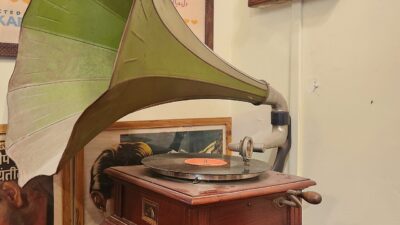
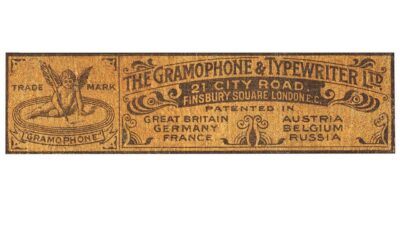
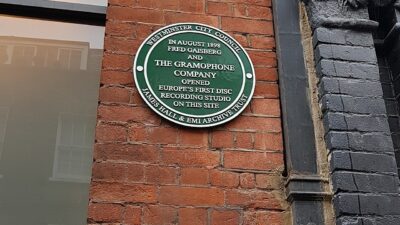
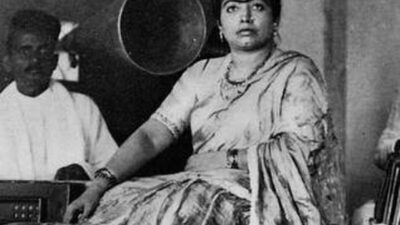
Synopsis1904 में कलकत्ता में ग्रामोफोन कंपनी लिमिटेड के रिकॉर्डिंग सत्रों ने भारतीय शास्त्रीय रिकॉर्डिंग की सूची को काफ़ी विस्तृत किया, गौहर जान जैसे स्थापित सितारों के साथ नए कलाकारों को भी पेश किया। 1904 के सत्र संगीत परंपराओं की व्यापक श्रृंखला को दर्शाने के लिए उल्लेखनीय हैं: गौहर जान ने पहाड़ी और भैरवी शैलियों में ठुमरी और ग़ज़ल रिकॉर्ड की, जबकि इलाहाबाद की एक और प्रसिद्ध तवायफ-कलाकार जानकी बाई ग्रामोफोन कंपनी के अपने पहले सत्रों के लिए आईं। 1904 के सत्रों में विष्णु दिगम्बर पलुस्कर ने भजन रिकॉर्ड किए — एक ऐसे समाज से आए जो तवायफ प्रस्तुतकारों से बिल्कुल अलग था। सबसे महत्वपूर्ण रूप से, ज़ोहरा बाई अग्रवाली की अमीर खुसरो रचना 'छाप तिलक सब' की रिकॉर्डिंग ने ग्रामोफोन पर महान सूफी-भक्ति प्रदर्शनी को पेश किया।
अंग्रेज़ी में पढ़ें · Read in English
The 1904 recording sessions by the Gramophone Company Ltd. in Calcutta expanded the catalogue of Indian classical recordings significantly, introducing new artists alongside established stars like Gauhar Jaan. The 1904 sessions are notable for capturing a wider range of musical traditions: Gauhar Jaan recorded thumris and ghazals in the Pahadi and Bhairavi styles, while Janki Bai — another celebrated tawaif-artist from Allahabad — appeared for her debut Gramophone Company sessions. The 1904 sessions also saw the Gramophone Company recording devotional music (bhajans) by Vishnu Digambar Paluskar, a classically trained singer from a very different social background from the tawaif performers who had dominated the 1902-1903 sessions. Most significantly, Zohra Bai Agrewali's recording of the Amir Khusrau composition 'Chhap Tilak Sab' introduced the great sufi-devotional repertoire to the gramophone, alongside the thumri and ghazal traditions. By 1904, it was clear that the gramophone had become a lasting fixture of Indian musical life, not merely a novelty, and the Gramophone Company invested accordingly in expanding its Indian catalogue.
संगीत-सूची
The Soundtrack1904 तक कैटलॉग विधाओं के आर-पार फैल जाता है — ठुमरी, ख़याल, तराना, टप्पा, यहाँ तक कि हास्य और अंग्रेज़ी कौतुक-गीत भी — कंपनी सीख रही थी कि भारतीय ख़रीदार डिस्क पर क्या चाहता है।
अंग्रेज़ी में पढ़ें · Read in English
By 1904 the catalogue stretches across genres — thumri, khayal, tarana, tappa, even comic and English-language novelties — as the company learns what the Indian buyer wants on disc.
- आसावरी — ख़याल/ग़ज़ल Asawari — Khayal/Ghazal स्वर: Peara Saheb · राग Asawari 03:44
- भैरवी ख़याल — राग भैरवी Bhairavi Khayal — Raag Bhairavi स्वर: Gauhar Jaan · राग Bhairavi 04:28
- फागुन के दिन — चैती, राग मालकौंस Fagun Ke Din — Chaiti, Raag Malkauns स्वर: Gauhar Jaan · राग Malkauns 03:28
- छाप तिलक सब छीनी रे — ख़याल, राग काफी Chhap Tilak Sab Chhini — Khayal, Raag Kafi स्वर: Zohra Bai Agrewali · राग Kafi 04:12
- झिंझिट — दादरा, राग खमाज Jhinjit — Dadra, Raag Khamaj स्वर: Gauhar Jaan · राग Khamaj 03:52
- पहाड़ी — ठुमरी, राग पहाड़ी Pahadi — Thumri, Raag Pahadi स्वर: Janki Bai of Allahabad · राग Pahadi 03:41
- सोहिनी राग — सितार अकेला Sohini Raga — Sitar Solo राग Sohini 02:51
- तुम्हरी — खमाज Thumri in Raag Khamaj स्वर: Husna Jaan · राग Khamaj 3:22
- यमन कल्याण — सुरबहार अकेला Yaman Kalyan — Surbahar Solo राग Yaman Kalyan 03:16
पट्टिका-लेख
The Monographपर्दे के पीछे Behind the Scenes
1904 प्रतिस्पर्धा लेकर आया: निकोल की सस्ती डिस्कें और उन्हीं गायिकाओं के लिए बोली लगाते प्रतिद्वंद्वी एजेंट। ग्रामोफ़ोन कंपनी ने जवाब दिया — संख्या से, अनुबंधों की बंदिश से, और गौहर जान के प्रतिष्ठा-भरे रिलीज़ों से।
अंग्रेज़ी में पढ़ें · Read in English
1904 brought competition: Nicole's cheap discs and rival agents bidding for the same singers. The Gramophone Company answered with volume, exclusive contracts and the prestige of its Gauhar Jaan releases.
महत्व Significance
1904 के सत्र वह मोड़ हैं जहाँ भारतीय रिकॉर्ड कैटलॉग एक सितारे की सवारी से बढ़कर परंपराओं का पुस्तकालय बन गया। जहाँ 1902-03 गौहर जान की धुरी पर घूमे, वहीं 1904 में ज़ोहरा बाई अग्रेवाली की ख़याल-रची गायकी, जानकी बाई की इलाहाबादी ठुमरी, सितार-सुरबहार के उस्ताद, और अमीर खुसरो की सूफ़ी बानी रिकॉर्ड में उतरी — वही क़व्वाली-ठुमरी धारा जो अगली सदी भर हिंदी फ़िल्म संगीत में बहती रही। सुधारवादी शास्त्रीय संगीतकारों के आगमन ने ग्रामोफ़ोन को महफ़िल से बाहर समाज की व्यापक प्रतिष्ठा दिलाई। ग्रामोफोन कंपनी के लिए इन सत्रों ने यह सवाल हमेशा के लिए सुलझा दिया कि भारत में लगातार निवेश ठीक है या नहीं: चार ही साल में कंपनी ने कलकत्ता के सियालदह में अपना प्रेसिंग कारख़ाना खड़ा किया — हनोवर की लंबी दौड़ ख़त्म, और भारत विश्व रिकॉर्ड-व्यापार का उत्पादन-केंद्र बन गया।
अंग्रेज़ी में पढ़ें · Read in English
The 1904 sessions mark the moment the Indian record catalogue grew from a star vehicle into a library of traditions. Where 1902-03 had orbited Gauhar Jaan, 1904 brought in Zohra Bai Agrewali's khayal-rooted gayaki, Janki Bai's Allahabad thumri, instrumental masters of the sitar and surbahar, and the sufi repertoire of Amir Khusrau — the qawwali-thumri stream that would flow through Hindi film music for the next century. The entry of reformist classical musicians broadened the gramophone's social respectability beyond the salon. For the Gramophone Company these sessions, part of its renewed Far Eastern recording programme, settled the question of whether India justified sustained investment: within four years the company would build its pressing factory at Sealdah, Calcutta, ending the Hanover round-trip and making India a manufacturing centre of the world record trade.
विरासत Legacy
वे सत्र जिन्होंने शुरुआती बढ़त को वर्चस्व में बदला; इस बरस कटे मास्टरों ने 1908 में सियालदह का कारख़ाना खुलने तक कंपनी की भारतीय सरताजी की नींव सँभाले रखी।
अंग्रेज़ी में पढ़ें · Read in English
The sessions that turned a head start into dominance; the masters cut this year anchored the company's Indian supremacy until a local pressing plant arrived in 1908.
रोचक तथ्य
Margin Notesज़ोहरा बाई अग्रेवाली की 'छाप तिलक सब छीनी' अमीर खुसरो की बानी की सबसे शुरुआती व्यावसायिक रिकॉर्डिंग्स में है — वह सूफ़ी धारा जो आज तक हिंदी संगीत में बहती है।
अंग्रेज़ी में पढ़ें · Read in English
Zohra Bai Agrewali's 'Chhap Tilak Sab Chhini' is among the earliest commercial recordings of Amir Khusrau's verse — the sufi stream that flows through Hindi music to this day.
इन्हीं वर्षों में सितार-सुरबहार के उस्ताद इमदाद ख़ान की रिकॉर्डिंग्स हुईं — इमदादख़ानी (एटावा) घराने की ध्वनि का सबसे पुराना दस्तावेज़, जिसकी विरासत विलायत ख़ान तक पहुँची।
अंग्रेज़ी में पढ़ें · Read in English
These years captured the sitar-surbahar master Imdad Khan — the oldest sound document of the Imdadkhani (Etawah) gharana, whose lineage ran down to Vilayat Khan.
1904 तक साफ़ हो चुका था कि ग्रामोफ़ोन कोई गुज़रता शौक़ नहीं — चार साल के भीतर कंपनी ने सियालदह (कलकत्ता) में भारत का पहला रिकॉर्ड कारख़ाना खड़ा कर दिया।
अंग्रेज़ी में पढ़ें · Read in English
By 1904 it was clear the gramophone was no passing fad — within four years the company built India's first record factory at Sealdah, Calcutta.
नमूना-पट्टी
The Specimen Table| शीर्षक | ग्रामोफोन कंपनी लिमिटेड — 1904 रिकॉर्डिंग सत्र · Gramophone Company Ltd. — 1904 Recording Sessions |
|---|---|
| वर्ष · युग | 1904 — gramophone-era |
| निर्देशक | फ्रेडरिक विलियम गेसबर्ग · Frederick William Gaisberg |
| निर्माता | Gramophone Company Ltd. |
| निर्माण-गृह | Gramophone Company Ltd. |
| लेबल | Gramophone Company Ltd. (GC) |
| भाषा | Hindustani |
| प्रकार | Recording Label |
| गीत | 9 गीत — ऊपर पूरी संगीत-सूची |
जुड़े हुए पन्ने
Connected Plates · The Graph Made Visibleअटलस में कोई पन्ना अकेला नहीं — 'ग्रामोफोन कंपनी लिमिटेड — 1904 रिकॉर्डिंग सत्र' से उसके गीत, कलाकार, राग और युग, सब जुड़े हैं।
इस फ़िल्म के गीत · Songs of this Film
कलाकार · Cast & Crew
राग-सूत्र · Raag Threads
साझा कीजिए · Share this Plate