सिनेमा विंग · फ़िल्म-पट्टिका · Film Plate
ग्रामोफ़ोन कंपनी — प्रथम भारतीय रिकॉर्डिंग
Gramophone Company — First Indian Recordings
भाषाHindustani प्रकारRecording Session
गीत8 — नीचे पूरी संगीत-सूची
कथा-सार
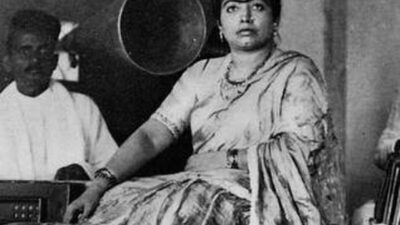
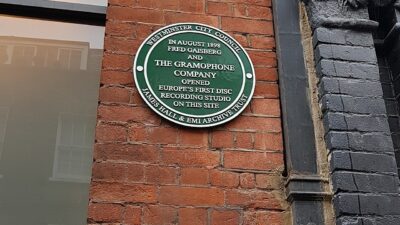
Synopsisभारतीय संगीत की पहली व्यावसायिक रिकॉर्डिंग सत्र का हिस्सा। ग्रामोफ़ोन कंपनी के अग्रणी रिकॉर्डिंग इंजीनियर फ्रेडरिक विलियम गाइसबर्ग 27 अक्टूबर 1902 को कलकत्ता पहुँचे — समुद्र पार से लाए गए रिकॉर्डिंग उपकरणों के साथ, ताकि भारत की आवाज़ें पहली बार तवे (डिस्क) पर उतारी जा सकें। होटल के कमरों में बने अस्थायी स्टूडियो से काम करते हुए गाइसबर्ग की टीम ने छह सप्ताहों में लगभग 500 मैट्रिक्स रिकॉर्ड किए — ठुमरी, ख़याल, दादरा, ग़ज़ल, भजन और थिएटर के गीत। इन सत्रों की सबसे बड़ी सितारा बनीं कलकत्ता की मशहूर तवायफ़ गौहर जान, जो गहनों से सजी अपने लवाजमे के साथ आईं, एक हज़ार रुपये की फ़ीस तय की, और हर तीन मिनट की रिकॉर्डिंग के अंत में अपनी मशहूर घोषणा करती थीं — 'माय नेम इज़ गौहर जान!' हनोवर (जर्मनी) में प्रेस होकर ये रिकॉर्ड अप्रैल 1903 में भारत लौटे, और पहली बार भारतीय आवाज़ें भारतीय बाज़ारों में बिकने लगीं। इन्हीं सत्रों से भारतीय रिकॉर्डिंग उद्योग का जन्म हुआ।
अंग्रेज़ी में पढ़ें · Read in English
Part of the first commercial recording session of Indian music. Frederick William Gaisberg, the Gramophone Company's pioneering recording engineer, arrived in Calcutta on October 27, 1902, carrying portable recording equipment across the seas to capture the voices of India for the first time on disc. Working out of makeshift studios set up in hotel rooms, Gaisberg and his team recorded approximately 500 matrices over six weeks — thumris, khayals, dadras, ghazals, bhajans and theatre songs. The sessions found their defining star in Gauhar Jaan, the celebrated tawaif of Calcutta, who arrived bejewelled with her retinue, commanded a fee of a thousand rupees, and closed each three-minute performance with her famous spoken flourish: 'My name is Gauhar Jaan!' — a practical announcement for the German technicians labelling the wax, which became the first signature of Indian recorded sound. The masters were shipped to Hanover, Germany for pressing, and the finished discs returned to India in April 1903, putting Indian voices on sale in Indian bazaars for the first time. With these sessions, the Indian recording industry was born.
संगीत-सूची
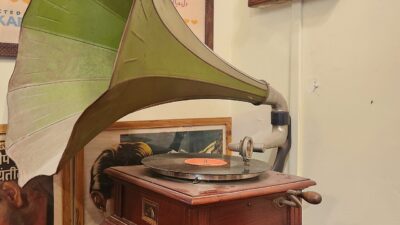
The Soundtrackकलकत्ता के एक होटल के कमरे में कटे तीन-तीन मिनट के मोम के मास्टर: ख़याल, ठुमरी और दादरा डिस्क के नन्हे चौखटे में सिमटे हुए, हारमोनियम और सारंगी रिकॉर्डिंग-भोंपू से सटकर बजते हुए। हर टेक के अंत में गायिका स्वयं अपना नाम पुकारती — 'माई नेम इज़ गौहर जान!' — ताकि हनोवर का कारख़ाना मास्टरों पर सही लेबल लगा सके।
अंग्रेज़ी में पढ़ें · Read in English
Three-minute wax masters cut in a Calcutta hotel room: khayal, thumri and dadra compressed into the disc's tiny frame, harmonium and sarangi crowding close to the recording horn. At the end of each take the singer announces herself — 'My name is Gauhar Jaan!' — so the Hanover pressing plant could label the masters correctly.
- रस के भरे तोरे नैन — ठुमरी, राग भैरवी Ras Ke Bhare Tore Nain — Thumri, Raag Bhairavi स्वर: Gauhar Jaan · राग Bhairavi 03:15
- मोरा नाहक लाये गवनवा — ठुमरी, राग भैरवी Mora Nahak Laye Gavanava — Thumri, Raag Bhairavi स्वर: Gauhar Jaan · राग Bhairavi 3:15
- आन बान जिया में लागी — दादरा, राग गारा Aan Baan Jiya Mein Laagi — Dadra, Raag Gara स्वर: Gauhar Jaan · राग Gara
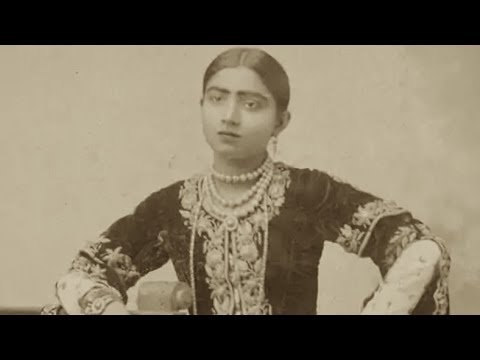
- मेरे दर्द-ए-जिगर — ग़ज़ल Mere Dard-e-Jigar — Ghazal स्वर: Gauhar Jaan
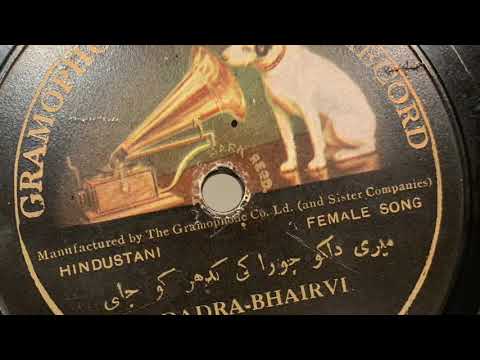
- राधे कृष्ण बोल मुख से — भजन Radhey Krishna Bol Mukhse — Bhajan स्वर: Gauhar Jaan
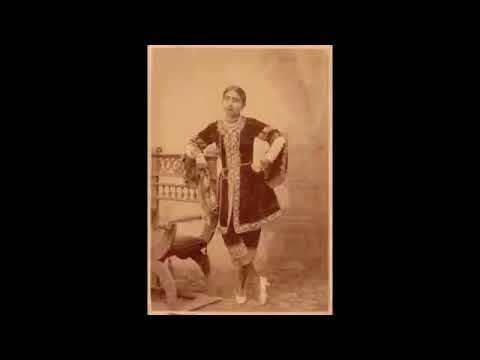
- राग जोगिया — ख़्याल Raga Jogiya — Khayal स्वर: Gauhar Jaan · राग Jogiya 2:25
- इंदर सभा — उर्दू ऑपेरा अंश Inder Sabha — Urdu Opera Excerpts स्वर: Miss Soshi Mukhi, Miss Fani Bala
- सैला बाई की रिकॉर्डिंग — तराना और दादरा Saila Bai Recordings — Tarana and Dadra स्वर: सैला बाई — Saila Bai (Miss Sila Bai)
पट्टिका-लेख
The Monographपर्दे के पीछे Behind the Scenes
फ्रेड गैसबर्ग अक्टूबर 1902 में पोर्टेबल रिकॉर्डिंग उपकरण लेकर कलकत्ता पहुँचे — भारतीय संगीत का कोई ज्ञान साथ नहीं था। थिएटर के एजेंट उन्हें शहर की महफ़िलों तक ले गए; सत्र होटल के कमरे के अस्थायी स्टूडियो में चले, और मोम के मास्टर प्रेसिंग के लिए जर्मनी के हनोवर भेजे गए — एशिया में तब कोई रिकॉर्ड-कारख़ाना नहीं था।
अंग्रेज़ी में पढ़ें · Read in English
Fred Gaisberg arrived in Calcutta in October 1902 with portable recording gear and no knowledge of Indian music. Theatre agents led him through Calcutta's salons; the sessions ran in a makeshift hotel-room studio, the wax masters shipped to Hanover, Germany for pressing — there was no record factory in Asia yet.
महत्व Significance
कलकत्ता के ये छह सप्ताह भारत में रिकॉर्ड किए गए संगीत की जन्म-घटना हैं — यहीं से हिंदी गीत के 90+ वर्षों का इतिहास शुरू होता है। इन सत्रों ने गौहर जान के रूप में भारत की पहली रिकॉर्डिंग स्टार रची और साबित किया कि शास्त्रीय व उप-शास्त्रीय संगीत तीन मिनट के तवे में समा सकता है — ख़याल और ठुमरी के इस संक्षेपण ने हिंदुस्तानी संगीत की प्रस्तुति और शिक्षा तक को नया रूप दिया। इन्होंने तवायफ़ परंपरा की आवाज़ों को उसके शिखर पर सहेज लिया — उस दुनिया के हाशिये पर धकेले जाने से दशकों पहले। व्यावसायिक दृष्टि से इन सत्रों ने वह भारतीय बाज़ार खोला जिसने ग्रामोफ़ोन कंपनी की भारतीय शाखा को बेहद मुनाफ़े वाली बनाया — 1908 की सियालदह फैक्ट्री और वह लेबल जिसे भारत सदी भर एचएमवी के नाम से जानता रहा, इसी की सीधी संतानें हैं। भारत में दबा हर रिकॉर्ड इन्हीं मैट्रिक्स का वंशज है।
अंग्रेज़ी में पढ़ें · Read in English
These six weeks in Calcutta are the founding event of recorded music in India — the moment 90+ years of Hindi song history begins. The sessions created India's first recording star in Gauhar Jaan and proved that classical and semi-classical repertoire could live inside the three-minute disc, forcing a compression of the khayal and thumri that reshaped how Hindustani music itself was performed and taught. They preserved the voices of the tawaif tradition at its height, decades before that world was pushed to the margins. Commercially, they opened the Indian market that would make the Gramophone Company's Indian branch one of its most profitable, leading directly to the Sealdah pressing factory of 1908 and the label that India would know for a century as HMV. Every playback singer, every film soundtrack, every record stamped in India descends from these matrices.
विरासत Legacy
भारतीय रिकॉर्डेड संगीत का जन्म-प्रमाणपत्र। इन सत्रों ने सिद्ध किया कि भारतीय शास्त्रीय संगीत डिस्क पर जी भी सकता है और बिक भी सकता है; गौहर जान ग्रामोफ़ोन की पहली भारतीय सितारा बनीं, और रिकॉर्डिंग की वह होड़ शुरू हुई जो 1908 तक सियालदह में प्रेसिंग कारख़ाना ले आई।
अंग्रेज़ी में पढ़ें · Read in English
The birth certificate of recorded Indian music. These sessions proved Indian classical music could survive — and sell — on disc, launched Gauhar Jaan as the gramophone's first Indian star, and set off the recording race that brought a pressing factory to Sealdah by 1908.
रोचक तथ्य
Margin Notesगौहर जान हर रिकॉर्डिंग के अंत में अंग्रेज़ी में घोषणा करती थीं — 'माय नेम इज़ गौहर जान!' — ताकि हनोवर में जर्मन तकनीशियन वैक्स मास्टर पर सही लेबल लगा सकें। यह घोषणा भारतीय रिकॉर्डेड संगीत का पहला हस्ताक्षर बन गई।
अंग्रेज़ी में पढ़ें · Read in English
Gauhar Jaan ended every recording with the spoken announcement 'My name is Gauhar Jaan!' — so that German technicians in Hanover could label the wax masters correctly. It became the first signature of Indian recorded sound.
रिकॉर्डिंग किसी स्टूडियो में नहीं, कलकत्ता के होटल के कमरों में हुई — दरियों और परदों से आवाज़ साधी गई थी।
अंग्रेज़ी में पढ़ें · Read in English
The recordings were made not in a studio but in Calcutta hotel rooms, with carpets and curtains taming the sound.
गौहर जान ने प्रति सत्र एक हज़ार रुपये की फ़ीस माँगी — 1902 में यह एक राजसी रक़म थी, और आगे के वर्षों में उनकी फ़ीस तीन हज़ार तक पहुँची।
अंग्रेज़ी में पढ़ें · Read in English
Gauhar Jaan demanded a thousand rupees per session — a princely sum in 1902 — and in later years her fee rose to three thousand.
मास्टर डिस्कें जहाज़ से जर्मनी के हनोवर भेजी जाती थीं; तैयार रिकॉर्ड अप्रैल 1903 में भारत पहुँचे और हाथों-हाथ बिके।
अंग्रेज़ी में पढ़ें · Read in English
The master discs were shipped to Hanover, Germany; the finished records reached India in April 1903 and sold briskly.
नमूना-पट्टी
The Specimen Table| शीर्षक | ग्रामोफ़ोन कंपनी — प्रथम भारतीय रिकॉर्डिंग · Gramophone Company — First Indian Recordings |
|---|---|
| वर्ष · युग | 1902 — gramophone-era |
| निर्माता | Frederick William Gaisberg |
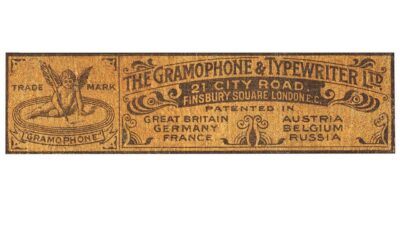
| निर्माण-गृह | The Gramophone & Typewriter Ltd. |
| लेबल | The Gramophone & Typewriter Ltd. |
| भाषा | Hindustani |
| प्रकार | Recording Session |
| गीत | 8 गीत — ऊपर पूरी संगीत-सूची |
जुड़े हुए पन्ने
Connected Plates · The Graph Made Visibleअटलस में कोई पन्ना अकेला नहीं — 'ग्रामोफ़ोन कंपनी — प्रथम भारतीय रिकॉर्डिंग' से उसके गीत, कलाकार, राग और युग, सब जुड़े हैं।
इस फ़िल्म के गीत · Songs of this Film
राग-सूत्र · Raag Threads
साझा कीजिए · Share this Plate