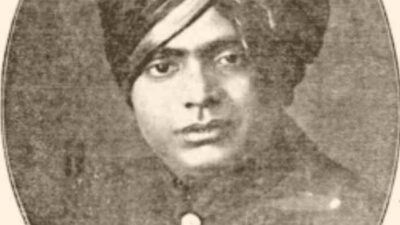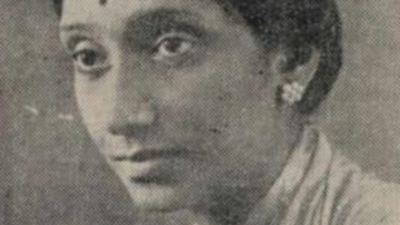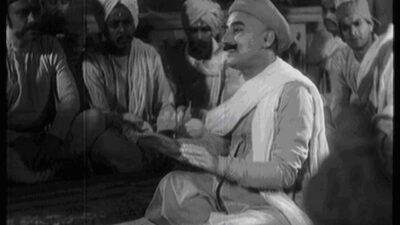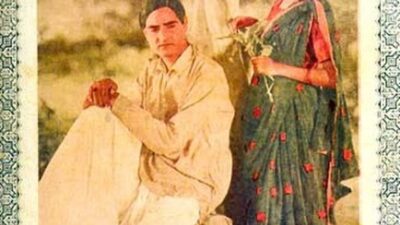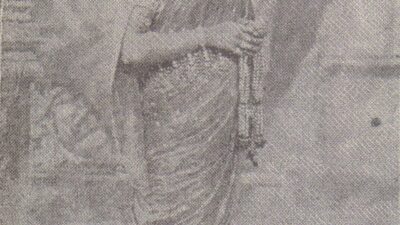
कलाकार विंग · कलाकार-पट्टिका · Artist Plate
बालगंधर्व
Bal Gandharva · Narayan Shripad Rajhans
बालगंधर्व (लोकमान्य तिलक द्वारा दिया गया नाम)
जन्म26 June 1888 — महाराष्ट्र, ब्रिटिश भारत
निधन15 July 1967 — Pune, Maharashtra, India
जीवन-पट्टी
The Life Specimen| नाम | बालगंधर्व · Bal Gandharva |
|---|---|
| जन्म नाम | नारायण श्रीपाद राजहंस · Narayan Shripad Rajhans |
| उपनाम | बालगंधर्व (लोकमान्य तिलक द्वारा दिया गया नाम) |
| जन्म | 26 June 1888 — महाराष्ट्र, ब्रिटिश भारत · Maharashtra, British India |
| निधन | 15 July 1967 — Pune, Maharashtra, India |
| भूमिकाएँ | गायक · अभिनेता |
| सक्रिय वर्ष | 1905–1955 |
| युग | gramophone-era |
| राष्ट्रीयता | Indian |
| विधाएँ | Natya Sangeet · Hindustani Classical · भजन |
| भाषाएँ | Marathi · Hindi |
हस्ताक्षर-पंक्ति · The Signature
हस्ताक्षर-पंक्ति
बालगंधर्व (लोकमान्य तिलक द्वारा दिया गया नाम)
In EnglishThe man who was Maharashtra's most beloved woman — the singing actor whose stage heroines and gramophone discs made natya sangeet a household religion.
पट्टिका-लेख
The Monographजीवनी Biography
बालगंधर्व — मूल नाम नारायण श्रीपाद राजहंस (26 जून 1888 – 15 जुलाई 1967) — मराठी रंगभूमि और नाट्य-संगीत के सबसे बड़े सितारे थे, जिनकी कीर्ति महाराष्ट्र की सीमा लाँघकर पूरे हिंदुस्तानी संगीत-जगत में फैली। किशोर नारायण का गाना सुनकर लोकमान्य तिलक ने उन्हें 'बालगंधर्व' — देवताओं का बाल-गायक — कहा, और यही नाम इतिहास बन गया। 1905 में किर्लोस्कर नाटक मंडळी से मंच पर आए; उस दौर में स्त्रियाँ मंच पर नहीं आती थीं, और बालगंधर्व ने स्त्री-भूमिकाओं को ऐसी गरिमा, लावण्य और सुरीलेपन से जिया कि असल ज़िंदगी की स्त्रियाँ उनकी साड़ी बाँधने की शैली और अदाओं की नक़ल करने लगीं। 'मानापमान' (1911) की भामिनी, 'स्वयंवर' (1916) की रुक्मिणी और 'एकच प्याला' (1919) की सिंधु — ये भूमिकाएँ मराठी संस्कृति की स्थायी स्मृतियाँ हैं। 1913 में उन्होंने गंधर्व नाटक मंडळी की सह-स्थापना की। संगीत में वे भास्करबुवा बखले जैसे दिग्गज के शिष्य थे; ख़याल और ठुमरी की बारीकियाँ उनके नाट्य-पदों में उतरती थीं। ग्रामोफ़ोन कंपनी ने उनके पद रिकॉर्ड किए और वे तवे घर-घर बजे — नाट्य-संगीत को रिकॉर्ड-युग की लोकप्रिय विधा बनाने का सबसे बड़ा श्रेय उन्हीं को है। आधुनिक रंगमंच के बदलते दौर और बोलती फ़िल्मों के उदय ने उनकी मंडली को आर्थिक संकट में डाला, पर उनकी प्रतिष्ठा अक्षुण्ण रही। 1967 में पुणे में निधन हुआ — और आज भी 'बालगंधर्व' शब्द मराठी में सौंदर्य और सुर का पर्याय है।
अंग्रेज़ी में पढ़ें · Read in English
Bal Gandharva — born Narayan Shripad Rajhans (26 June 1888 – 15 July 1967) — was the greatest star of the Marathi stage and of natya sangeet, with a fame that crossed Maharashtra's borders into the whole Hindustani music world. Hearing the boy Narayan sing, Lokmanya Tilak called him 'Bal Gandharva' — the child-singer of the gods — and the name became history. He joined the Kirloskar Natak Mandali in 1905; women did not then appear on stage, and Bal Gandharva inhabited female roles with such grace, beauty and musicality that real women began copying the way he draped a sari. Bhamini in 'Manapman' (1911), Rukmini in 'Swayamvar' (1916), Sindhu in 'Ekach Pyala' (1919) — these roles are permanent memories of Marathi culture. In 1913 he co-founded the Gandharva Natak Mandali. In music he was shaped by the great Bhaskarbuwa Bakhale; the refinements of khayal and thumri flowed into his stage songs. The Gramophone Company recorded his natya-pads and the discs played in house after house — no one did more to make natya sangeet a popular recorded form. The changing theatre economy and the rise of the talkies later pushed his company into debt, but his prestige never dimmed. He died in Pune in 1967 — and 'Bal Gandharva' remains, in Marathi, a synonym for beauty and song.
प्रारंभिक जीवन Early Life
नारायण श्रीपाद राजहंस का जन्म 26 जून 1888 को एक महाराष्ट्रीय परिवार में हुआ। बालपन की असाधारण आवाज़ ने लोकमान्य तिलक का ध्यान खींचा, जिन्होंने उन्हें 'बालगंधर्व' की उपाधि दी। भास्करबुवा बखले से उल्लेखनीय शास्त्रीय तालीम पाकर वे 1905 में किशोर गायक-अभिनेता के रूप में किर्लोस्कर नाटक मंडळी में शामिल हुए।
अंग्रेज़ी में पढ़ें · Read in English
Narayan Shripad Rajhans was born on 26 June 1888 into a Maharashtrian family. His extraordinary boyhood voice drew the attention of Lokmanya Tilak, who is credited with conferring the title 'Bal Gandharva'. He received classical grounding in the Hindustani tradition, most notably under Bhaskarbuwa Bakhale, before joining the Kirloskar Natak Mandali in 1905 as a teenage singing actor.
करियर Career
1905 से किर्लोस्कर नाटक मंडळी और 1913 से अपनी गंधर्व नाटक मंडळी के साथ बालगंधर्व ने तीन दशक मराठी संगीत-रंगभूमि पर राज किया। उनकी प्रस्तुतियों ने मंच-सज्जा और वेशभूषा के नए मानक गढ़े; उनकी स्त्री-भूमिकाएँ — भामिनी, रुक्मिणी, सिंधु — सांस्कृतिक प्रतिमान बनीं; और 'मानापमान', 'स्वयंवर', 'एकच प्याला' के राग-आधारित पद जन-स्मृति में उतर गए। 1910–20 के दशकों में उनके ग्रामोफ़ोन रिकॉर्डों ने नाट्य-संगीत को नाटकघर से बहुत दूर तक पहुँचाया। बोलती फ़िल्मों के युग और बदलती अर्थव्यवस्था ने घुमंतू मंडलियों की क़िस्मत तोड़ दी, और उनके अंतिम वर्ष आर्थिक तंगी में बीते — पर वे 1950 के दशक तक मंच पर आते रहे और जीवन के उत्तरार्ध में राष्ट्रीय सम्मान पाए।
अंग्रेज़ी में पढ़ें · Read in English
From 1905 with the Kirloskar Natak Mandali, and from 1913 with his own Gandharva Natak Mandali, Bal Gandharva ruled the Marathi musical stage for three decades. His productions set new standards of staging and costume; his female roles — Bhamini, Rukmini, Sindhu — became cultural archetypes; and songs from 'Manapman', 'Swayamvar' and 'Ekach Pyala', many set in classical raags, passed into common memory. His gramophone records spread natya sangeet far beyond the playhouse through the 1910s and 1920s. The talkie era and changing economics broke the fortunes of the touring companies, and his later years were financially strained, but he continued to perform into the 1950s and received national honours late in life.
विरासत Legacy
बालगंधर्व ने नाट्य-संगीत को जन-कला और ग्रामोफ़ोन को उसका वाहन बनाया। महाराष्ट्र के हिंदुस्तानी गायकों की पीढ़ियाँ उनके रिकॉर्ड किए पदों पर पली-बढ़ीं; उनकी मंच-शैली ने वेशभूषा से वाचिक तक मराठी सौंदर्यबोध गढ़ा। पुणे का प्रमुख नाट्यगृह 'बालगंधर्व रंगमंदिर' उनके नाम पर है, और उनका जीवन मंच व फ़िल्म पर बार-बार कहा गया है।
अंग्रेज़ी में पढ़ें · Read in English
Bal Gandharva made natya sangeet a mass art and the gramophone its vehicle. Generations of Hindustani vocalists in Maharashtra grew up on his recorded pads; his stage idiom shaped Marathi aesthetics from costume to elocution. Pune's premier theatre, the Balgandharva Rang Mandir, bears his name, and his life has been retold repeatedly on stage and film.
गायन-शैली Musical Style
प्रसिद्ध रूप से मीठी, लचीली आवाज़, जो मंच के लिए हल्के किए गए रागों के ढाँचे पर चलती थी: ख़याल-ठुमरी का अलंकरण नाटकीय धुन में पिरोया हुआ। उनकी अदायगी में प्रदर्शन से अधिक शब्द की स्पष्टता और पंक्ति की मिठास का आग्रह था; उनके तवों पर प्रायः नाट्य-संगीत शैली की हारमोनियम/ऑर्गन और तबला संगत रहती थी।
अंग्रेज़ी में पढ़ें · Read in English
A famously sweet, pliant voice riding classical raag frameworks lightened for the stage: khayal and thumri ornament folded into theatrical melody. His delivery prized clarity of word and sweetness of line over display; his discs typically carried organ/harmonium and tabla accompaniment in the natya-sangeet manner.
तालीम, विधाएँ और भाषाएँ
Training · Genres · Languagesतालीम · Training
भास्करबुवा बखले (1900s–1910s)
हिंदुस्तानी ख़याल की नींव, नाट्य-संगीत में प्रयुक्त
Bakhale composed and refined music for Gandharva Natak Mandali productions including Swayamvar.
विधाएँ · Genres
भाषाएँ · Languages Sung
जीवन-रेखा
Career Highlights- 1905 गायक-अभिनेता के रूप में किर्लोस्कर नाटक मंडळी में प्रवेश Joins the Kirloskar Natak Mandali as a singing actor
- 1911 'मानापमान' की भामिनी ने उन्हें मराठी रंगभूमि का आराध्य बना दिया Bhamini in 'Manapman' makes him the idol of the Marathi stage
- 1913 गंधर्व नाटक मंडळी की सह-स्थापना Co-founds the Gandharva Natak Mandali
- 1916 'स्वयंवर' की रुक्मिणी — इसके राग-आधारित पद नाट्य-संगीत के क्लासिक बने Rukmini in 'Swayamvar' — its raag-based songs become natya-sangeet classics
- 1919 गडकरी की त्रासदी 'एकच प्याला' की सिंधु — करियर-निर्णायक भूमिका Sindhu in 'Ekach Pyala', Gadkari's tragedy — a career-defining role
-
1920
1910–20 के दशकों में उनके एचएमवी नाट्य-पद तवे पश्चिम भारत में सर्वाधिक बिकने वालों में
His HMV natya-pad discs are best-sellers across western India through the 1910s–20s
- 1967 15 जुलाई को पुणे में निधन; महाराष्ट्र ने अपने गंधर्व का शोक मनाया Dies in Pune on 15 July; Maharashtra mourns its Gandharva
पुरस्कार एवं सम्मान
Awards & Recognition-
1955
जीवन के उत्तरार्ध में राष्ट्रीय सम्मान (संगीत नाटक अकादमी सम्मान सहित; विवरण सत्यापन हेतु चिह्नित)
National honours in later life (including Sangeet Natak Akademi recognition; details flagged for verification)रंगमंच और संगीत में योगदान के लिए राष्ट्रीय अकादमियों द्वारा सम्मानित
रोचक तथ्य
Margin Notesमहाराष्ट्र की स्त्रियाँ उनकी मंचीय नायिकाओं की साड़ी बाँधने की शैली और गहनों की नक़ल करती थीं — एक पुरुष स्त्री-सौंदर्य का मानक बन गया था।
अंग्रेज़ी में पढ़ें · Read in English
Women in Maharashtra copied the sari styles and ornaments of his stage heroines — a man had become the standard of feminine elegance.
'बालगंधर्व' नाम लोकमान्य तिलक का दिया हुआ है, जिन्होंने बालक नारायण का गाना सुनकर उन्हें गंधर्व कहा।
अंग्रेज़ी में पढ़ें · Read in English
The name 'Bal Gandharva' was conferred by Lokmanya Tilak, who heard the boy Narayan sing and called him a gandharva — a celestial musician.
उनके नाट्य-पदों के ग्रामोफ़ोन रिकॉर्ड उन घरों तक पहुँचे जहाँ नाटक देखना संभव नहीं था — नाट्य-संगीत की पहली जन-माध्यम क्रांति।
अंग्रेज़ी में पढ़ें · Read in English
His gramophone records carried natya sangeet into homes that could never attend the theatre — the form's first mass-media revolution.
अन्य विवरण
More Details- Birth Year
- 1888
- Death Year
- 1967
- Active Years
- 1905–1955
- Bhaskarbuwa Bakhale — guru and music director of Gandharva Natak Mandali productions
- Govindrao Tembe — harmonium maestro and collaborator
- Master Krishnarao — fellow singer-actor of the Gandharva Natak Mandali
Early Life
नारायण श्रीपाद राजहंस का जन्म 26 जून 1888 को एक महाराष्ट्रीय परिवार में हुआ। बालपन की असाधारण आवाज़ ने लोकमान्य तिलक का ध्यान खींचा, जिन्होंने उन्हें 'बालगंधर्व' की उपाधि दी। भास्करबुवा बखले से उल्लेखनीय शास्त्रीय तालीम पाकर वे 1905 में किशोर गायक-अभिनेता के रूप में किर्लोस्कर नाटक मंडळी में शामिल हुए।
Narayan Shripad Rajhans was born on 26 June 1888 into a Maharashtrian family. His extraordinary boyhood voice drew the attention of Lokmanya Tilak, who is credited with conferring the title 'Bal Gandharva'. He received classical grounding in the Hindustani tradition, most notably under Bhaskarbuwa Bakhale, before joining the Kirloskar Natak Mandali in 1905 as a teenage singing actor.
Career
1905 से किर्लोस्कर नाटक मंडळी और 1913 से अपनी गंधर्व नाटक मंडळी के साथ बालगंधर्व ने तीन दशक मराठी संगीत-रंगभूमि पर राज किया। उनकी प्रस्तुतियों ने मंच-सज्जा और वेशभूषा के नए मानक गढ़े; उनकी स्त्री-भूमिकाएँ — भामिनी, रुक्मिणी, सिंधु — सांस्कृतिक प्रतिमान बनीं; और 'मानापमान', 'स्वयंवर', 'एकच प्याला' के राग-आधारित पद जन-स्मृति में उतर गए। 1910–20 के दशकों में उनके ग्रामोफ़ोन रिकॉर्डों ने नाट्य-संगीत को नाटकघर से बहुत दूर तक पहुँचाया। बोलती फ़िल्मों के युग और बदलती अर्थव्यवस्था ने घुमंतू मंडलियों की क़िस्मत तोड़ दी, और उनके अंतिम वर्ष आर्थिक तंगी में बीते — पर वे 1950 के दशक तक मंच पर आते रहे और जीवन के उत्तरार्ध में राष्ट्रीय सम्मान पाए।
From 1905 with the Kirloskar Natak Mandali, and from 1913 with his own Gandharva Natak Mandali, Bal Gandharva ruled the Marathi musical stage for three decades. His productions set new standards of staging and costume; his female roles — Bhamini, Rukmini, Sindhu — became cultural archetypes; and songs from 'Manapman', 'Swayamvar' and 'Ekach Pyala', many set in classical raags, passed into common memory. His gramophone records spread natya sangeet far beyond the playhouse through the 1910s and 1920s. The talkie era and changing economics broke the fortunes of the touring companies, and his later years were financially strained, but he continued to perform into the 1950s and received national honours late in life.
Legacy
बालगंधर्व ने नाट्य-संगीत को जन-कला और ग्रामोफ़ोन को उसका वाहन बनाया। महाराष्ट्र के हिंदुस्तानी गायकों की पीढ़ियाँ उनके रिकॉर्ड किए पदों पर पली-बढ़ीं; उनकी मंच-शैली ने वेशभूषा से वाचिक तक मराठी सौंदर्यबोध गढ़ा। पुणे का प्रमुख नाट्यगृह 'बालगंधर्व रंगमंदिर' उनके नाम पर है, और उनका जीवन मंच व फ़िल्म पर बार-बार कहा गया है।
Bal Gandharva made natya sangeet a mass art and the gramophone its vehicle. Generations of Hindustani vocalists in Maharashtra grew up on his recorded pads; his stage idiom shaped Marathi aesthetics from costume to elocution. Pune's premier theatre, the Balgandharva Rang Mandir, bears his name, and his life has been retold repeatedly on stage and film.
Musical Style
प्रसिद्ध रूप से मीठी, लचीली आवाज़, जो मंच के लिए हल्के किए गए रागों के ढाँचे पर चलती थी: ख़याल-ठुमरी का अलंकरण नाटकीय धुन में पिरोया हुआ। उनकी अदायगी में प्रदर्शन से अधिक शब्द की स्पष्टता और पंक्ति की मिठास का आग्रह था; उनके तवों पर प्रायः नाट्य-संगीत शैली की हारमोनियम/ऑर्गन और तबला संगत रहती थी।
A famously sweet, pliant voice riding classical raag frameworks lightened for the stage: khayal and thumri ornament folded into theatrical melody. His delivery prized clarity of word and sweetness of line over display; his discs typically carried organ/harmonium and tabla accompaniment in the natya-sangeet manner.
Collaborations
अभिलेख-सार
Discography Summary| संग्रह में गीत | 15 — नीचे जुड़े हुए पन्नों में सूचीबद्ध |
|---|---|
| कुल ज्ञात रिकॉर्डिंग | 2 — 2 संग्रह में उपलब्ध |
| रिकॉर्डिंग-काल | 1920–1922 · पहला सत्र 1910s (undocumented) |
| रिकॉर्ड लेबल | The Gramophone Company (HMV) |
| प्रमुख भूमिका | गायक |
| नित्य सहयोगी | Bhaskarbuwa Bakhale · Master Krishnarao |
| हस्ताक्षर-गीत | Naath Ha Maza (Swayamvar) · Natya-pads of Manapman and Ekach Pyala |
| स्रोत | derived from the HindiGeet song archive |
अभिलेख व संदर्भ
Archives & References| विकिपीडिया | Wikipedia |
|---|---|
| संदर्भ | Bal Gandharva — Wikipedia |
| प्रसिद्ध सहयोग |
अंग्रेज़ी में पढ़ें · Read in English
|
जुड़े हुए पन्ने
Connected Plates · The Graph Made Visibleअटलस में कोई पन्ना अकेला नहीं — बालगंधर्व से उनके गीत, फ़िल्में, घराना, समकालीन और युग, सब यहाँ से खुलते हैं।
हस्ताक्षर-गीत · Signature Songs
फ़िल्में · The Films
सहयोगी और समकालीन · Collaborators & Contemporaries
युग · The Era
साझा कीजिए · Share this Plate
यह पन्ना आगे बढ़ाइए
सवाल-जवाब
Questions & Answersबालगंधर्व कौन थे?
नारायण श्रीपाद राजहंस (1888–1967), मराठी रंगभूमि के महानतम गायक-अभिनेता, जो स्त्री-भूमिकाओं और नाट्य-संगीत के लिए अमर हैं। लोकमान्य तिलक ने उन्हें 'बालगंधर्व' नाम दिया।
Why did Bal Gandharva play female roles?
Women did not generally appear on the Marathi stage in the early twentieth century; female roles were played by men. Bal Gandharva brought such beauty and musical refinement to these roles that he became the most adored performer of his era.
जुड़ी हुई दुनिया
Explore ConnectionsSongs Sung · गाए गीत (16)

दिल की प्यास के गीत — भारत लक्ष्मी पिक्चर्स, 1935
Songs of Dil Ki Pyas (Bharat Lakshmi Pictures, 1935)
मुख्तार बेगम, Bal Gandharva · Dil Ki Pyas
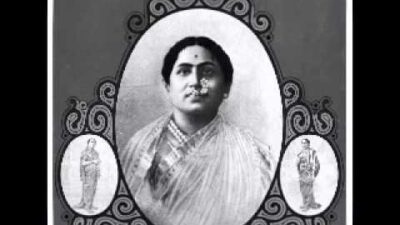
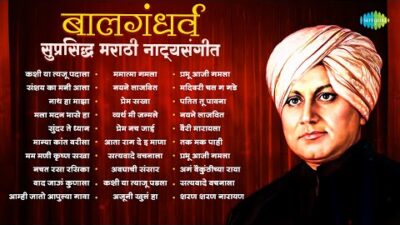
नाट्य-संगीत — बाल गंधर्व के विद्युत-युग तवे
Natya Sangeet Sides — Bal Gandharva in the Electrical Era