गीत विंग · गीत-पट्टिका · Song Plate
जिया बेक़रार है
Jia Beqaraar Hai
वह गीत जिसने एक पीढ़ी को सिखाया कि मोहब्बत की बेक़रारी की आवाज़ क्या होती है — इक्कीस साल की लता, पहले से ही बेमिसाल।
भावविरह · उदास · रोमांटिक
भाषाUrdu · Hindi · Braj गतिधीमी स्वरूपएकल महिला
श्रेय
The Creditsबोल · The Lyrics
बोल — झलक · Lyrics Preview
दिल को क़रार दे दो, मेरे यार है
Dil ko qaraar de do, mere yaar hai
कॉपीराइट के कारण केवल झलक — पूरे बोल आधिकारिक मंचों पर।
शब्दकोश
Word Meaningsसूत्र-वाक्य · The Hook
सूत्र-वाक्य
वह गीत जिसने एक पीढ़ी को सिखाया कि मोहब्बत की बेक़रारी की आवाज़ क्या होती है — इक्कीस साल की लता, पहले से ही बेमिसाल।
In EnglishThe song that taught a generation what restlessness in love sounds like — Lata Mangeshkar at twenty-one, already perfect.
पट्टिका-लेख
The Monographपरिचय Overview
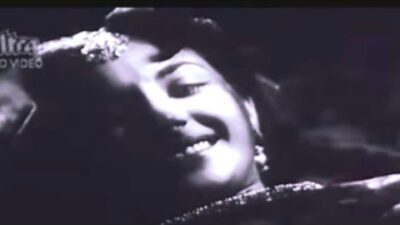
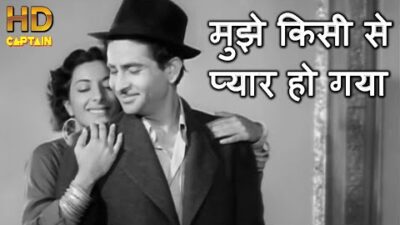
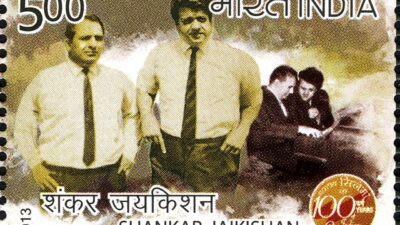
राज कपूर की 1950 की ऐतिहासिक फ़िल्म 'बरसात' — जो संगीतकार जोड़ी शंकर-जयकिशन और गीतकार शैलेन्द्र का पर्दे पर पहला क़दम था — का यह गीत 'जिया बेक़रार है' स्वर्ण युग के शुरुआती रोमांटिक गीतों का प्रतिनिधि बन गया। इक्कीस वर्षीया लता मंगेशकर की आवाज़ में, धीमी दादरा ताल और रेशमी तारों के साथ, यह गीत उर्दू शायरी के 'बेक़रार' भाव को — उस मीठी तड़प को जो मोहब्बत दे जाती है — सबसे सुंदर तरीके से व्यक्त करता है। नरगिस पर फ़िल्माए इस गीत ने 'बरसात' के उस साउंडट्रैक को और भी यादगार बनाया जिसने हिंदी फ़िल्म संगीत की रिकॉर्ड बिक्री के सारे पुराने आँकड़े तोड़ दिए।
अंग्रेज़ी में पढ़ें · Read in English
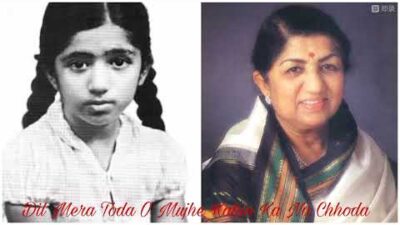
Released in Raj Kapoor's landmark 1950 film Barsaat — the debut outing for music director duo Shankar-Jaikishan and lyricist Shailendra — 'Jia Beqaraar Hai' is a gentle, aching romantic number that became one of the emblematic songs of early Golden Era Hindi film music. Sung by a twenty-one-year-old Lata Mangeshkar at the absolute dawn of her legendary career, and composed in a slow dadra-like rhythm with gossamer string accompaniment, the song captures the Urdu poetic ideal of beqaraar — the exquisite restlessness that love inflicts on the heart. Picturized on Nargis, then at the height of her beauty and popularity, the song gave shape to the yearning feminine voice that would define much of Golden Era film music. Released on HMV, Barsaat's soundtrack broke all previous records for Hindi film music sales and established Shankar-Jaikishan as the dominant musical force of the decade ahead.
संगीत The Music
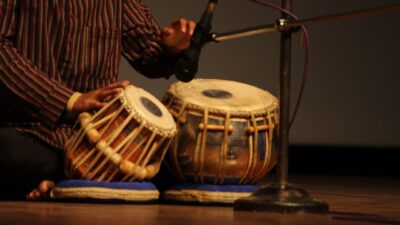
शंकर-जयकिशन ने इस गीत में वही हल्का, रोमांटिक रंग भरा जो आगे उनकी पहचान बनने वाला था — झूमते तार-वाद्य, हारमोनियम की गर्माहट, और मद्धिम तबले की दादरा ताल। धुन में एक सहज लोच है जो बरसाती हवा में झूलती टहनियों की याद दिलाती है। लता की आवाज़ यहाँ संयमित है — कोई बड़ी तान नहीं, कोई नाटकीयता नहीं, बस एक सीधी, शुद्ध धुन जो फुसफुसाए इकरार की तरह कानों में उतरती है।
अंग्रेज़ी में पढ़ें · Read in English
Shankar-Jaikishan composed 'Jia Beqaraar Hai' with the light, romantic palette that would become their signature — strings in sweeping arcs, harmonium providing harmonic warmth, and the tabla barely audible beneath, keeping a gentle dadra pulse. The melody moves with a natural lilt that suggests the swaying of branches in a monsoon breeze. Lata Mangeshkar's voice here is notable for its restraint: no extended ornaments, no theatrical swoops, just a pure, sustained melodic line delivered with perfect intonation and the intimate quality of a whispered confession. The musical simplicity is deceptive — it takes supreme confidence to sustain a slow romantic melody on so little instrumental support and hold a listener completely.
काव्य The Poetry
शैलेन्द्र ने 'जिया बेक़रार है' में उर्दू शायरी की उस परंपरा को जिया जहाँ भावना का सबसे संघनित रूप ही सबसे गहरा असर करता है। 'बेक़रार' एक पूरी भावदुनिया समेटे है — न बैठ पाना, न खा पाना, न सोना, न महबूब के सिवा कुछ सोचना। 'जिया' ब्रज का शब्द है जो उर्दू के 'दिल' से ज़्यादा आत्मीय है — यह वह भीतरी 'मैं' बोल रही है। और 'बहार' का आना — यह उर्दू का पुराना दाँव है: कुदरत खिलती है, पर तन्हा मन का दर्द और बढ़ जाता है।
अंग्रेज़ी में पढ़ें · Read in English
Shailendra's lyric for 'Jia Beqaraar Hai' is an exercise in the Urdu poetic tradition of evoking emotion through its most condensed expression. The word 'beqaraar' carries within it an entire emotional universe — the inability to sit still, to eat, to sleep, to think of anything but the absent beloved. 'Jia' (जिया) is a Braj word for the heart or life-force, carrying more intimacy than the Urdu 'dil' — it is the inner self speaking directly. The juxtaposition of spring ('bahaar hai') with restlessness is a classical Urdu device: nature blooms while the lovelorn soul aches, the beauty of the world intensifying rather than alleviating loneliness.
कहानी The Story
'बरसात' (1950) नई प्रतिभाओं का एक असाधारण संगम था। राज कपूर ने पहले केवल 'आग' (1948) निर्देशित की थी। शंकर-जयकिशन प्रिथ्वी थिएटर के संगीतकार थे जिन्होंने पहले कभी पूरी फ़िल्म नहीं संभाली थी। शैलेन्द्र रेलवे में काम करते थे और प्रिथ्वी थिएटर के कार्यक्रमों में कविता सुनाते थे। हसरत जयपुरी बस में कंडक्टर का काम करते हुए मुशायरों में जाते थे। इन सबको एक साथ एक बड़ी व्यावसायिक फ़िल्म में लगाना राज कपूर की उस सहज पारखी नज़र का प्रमाण था जो उनके पूरे जीवन में दिखी।
अंग्रेज़ी में पढ़ें · Read in English
Barsaat (1950) represented an extraordinary convergence of fresh talent. Raj Kapoor had directed only one previous film (Aag, 1948) and was not yet the showman he would become. Shankar-Jaikishan were young musicians from Prithvi Theatre — Raj Kapoor's father Prithviraj Kapoor's celebrated stage company in Bombay — who had never scored a full film before. Shailendra was a railway worker and poetry enthusiast who had recited at Prithvi Theatre events. Hasrat Jaipuri was a bus-conductor-turned-poet who caught Raj Kapoor's attention at a mushaira. In hiring all four untested talents for a major commercial venture, Raj Kapoor displayed the instinctive judgment that marked his career. The film became one of the biggest hits in Hindi cinema history up to that date.
विरासत The Legacy
'बरसात' (1950) ने हिंदी फ़िल्म इतिहास की सबसे फलदायी रचनात्मक साझेदारियों में से एक को जन्म दिया। शंकर-जयकिशन ने 70 से अधिक फ़िल्मों में संगीत दिया और सात फ़िल्मफ़ेयर पुरस्कार जीते। शैलेन्द्र ने 800 से अधिक गीत लिखे — 1966 में असमय मृत्यु तक। 'जिया बेक़रार है' इस पूरी इमारत की नींव का पहला पत्थर है — एक शांत, सुंदर शुरुआत।
अंग्रेज़ी में पढ़ें · Read in English
Barsaat (1950) launched one of the most fruitful creative partnerships in Hindi film history. Shankar-Jaikishan would go on to score music for over 70 films, winning seven Filmfare Awards, and their collaboration with Raj Kapoor produced the definitive romantic soundtracks of the 1950s and 60s — Awara, Shree 420, Sangam, Mera Naam Joker. Shailendra's career as a film lyricist, launched here, would produce over 800 songs before his tragic early death in 1966. 'Jia Beqaraar Hai' stands at the beginning of this entire edifice, a quiet, beautiful first step that gave no indication of the towering structure that would follow.
वर्गीकरण
Classification- Tempo
- Slow
Genre
अन्य विवरण
More Details- Wikipedia: Barsaat (1950 film) — https://en.wikipedia.org/wiki/Barsaat_(1950_film)
- Wikipedia: Shankar-Jaikishan — https://en.wikipedia.org/wiki/Shankar-Jaikishan
- Wikipedia: Shailendra (lyricist) — https://en.wikipedia.org/wiki/Shailendra_(lyricist)
- Songs of Yore: Best songs of 1950 — https://www.songsofyore.com/best-songs-of-1950/
- Raju Bharatan, Nargis: A Life of Contradictions (1995)
References
रोचक तथ्य
Margin Notesबरसात (1950) संगीतकार जोड़ी शंकर-जयकिशन और गीतकार शैलेन्द्र, दोनों के लिए पहली फ़िल्म थी — आगे चलकर दोनों ही स्वर्ण युग के हिंदी फ़िल्म संगीत के प्रमुख नाम बने।
अंग्रेज़ी में पढ़ें · Read in English
Barsaat (1950) was the debut film for music director duo Shankar-Jaikishan and lyricist Shailendra — both of whom would become dominant figures in Golden Era Hindi film music.
शैलेन्द्र और हसरत जयपुरी, दोनों ने बरसात से अपनी फ़िल्मी शुरुआत की — राज कपूर ने शैलेन्द्र को पृथ्वी थिएटर के आयोजनों में और हसरत जयपुरी को एक मुशायरे में खोजा था।
अंग्रेज़ी में पढ़ें · Read in English
Shailendra and Hasrat Jaipuri, both making their film debut with Barsaat, had been discovered by Raj Kapoor at Prithvi Theatre events and mushairas respectively.
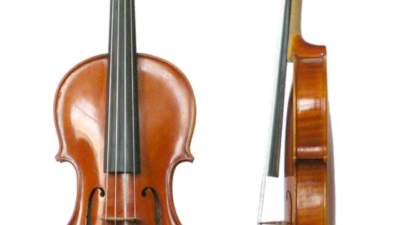
आरके फ़िल्म्स का लोगो — जिसमें राज कपूर वायलिन थामे हैं और नरगिस उनकी बाहों में झुकी हुई हैं — बरसात की एक प्रचार तस्वीर से लिया गया था।
अंग्रेज़ी में पढ़ें · Read in English
The RK Films logo — Raj Kapoor holding a violin with Nargis draped in his arms — was taken from a promotional still from Barsaat.
रिलीज़ के समय बरसात के साउंडट्रैक ने किसी भी हिंदी फ़िल्म के लिए एचएमवी के पिछले सभी बिक्री रिकॉर्ड तोड़ दिए थे।
अंग्रेज़ी में पढ़ें · Read in English
Barsaat's soundtrack broke all previous HMV sales records for a Hindi film at the time of release.
शंकर-जयकिशन मूल रूप से पृथ्वी थिएटर में वादक (इंस्ट्रूमेंटलिस्ट) थे, इससे पहले कि राज कपूर ने उन्हें बरसात के लिए संगीत रचने का मौका दिया।
अंग्रेज़ी में पढ़ें · Read in English
Shankar-Jaikishan were both originally instrumentalists at Prithvi Theatre before Raj Kapoor gave them the chance to compose for Barsaat.
नमूना-पट्टी
The Specimen Table| शीर्षक | जिया बेक़रार है · Jia Beqaraar Hai |
|---|---|
| वर्ष · युग | 1950 — Golden Era |
| गायक | Lata Mangeshkar |
| गीतकार | Shailendra |
| संगीतकार | Shankar-Jaikishan |
| स्वरूप | एकल महिला |
| गति | धीमी |
| अवधि | 3:05 |
| भाषा | Urdu · Hindi · Braj |
| वाद्य | violin · harmonium · tabla · sarangi |
| भाव | विरह · उदास · रोमांटिक |
| लोकप्रियता | Legendary |
| बोल-स्थिति | केवल झलक |
जुड़े हुए पन्ने
Connected Plates · The Graph Made Visibleअटलस में कोई पन्ना अकेला नहीं — इस गीत से जुड़े गीत, कलाकार, फ़िल्म, राग-ताल-विधा, सब यहाँ से खुलते हैं।
मिलते-जुलते गीत · Related Songs
कलाकार · The Artists
युग · The Era
साझा कीजिए · Share this Plate
यह पन्ना आगे बढ़ाइए
राज कपूर ने शंकर-जयकिशन को उसी तरह खोजा जैसे एक कवि अपनी आवाज़ खोजता है — अचानक, और इस यक़ीन के साथ कि कोई और काम नहीं आएगा।
Raj Kapoor discovered Shankar-Jaikishan the way a poet discovers his own voice — suddenly, and with the certainty that nothing else will do.
— Music historian Raju Bharatan on Raj Kapoor's discovery of Shankar-Jaikishan
सवाल-जवाब
Questions & Answersक्या 'बरसात' (1950) शंकर-जयकिशन की पहली फ़िल्म थी? · Was Barsaat (1950) Shankar-Jaikishan's first film?
हाँ — 'बरसात' (1950) शंकर-जयकिशन की पहली फ़िल्म थी और शैलेन्द्र व हसरत जयपुरी की भी पहली। सबने राज कपूर के प्रिथ्वी थिएटर में काम किया था पर फ़िल्म संगीत में यह उनका पहला क़दम था।
Yes — Barsaat (1950) was the debut film for music director duo Shankar-Jaikishan as well as lyricists Shailendra and Hasrat Jaipuri. All had worked with Raj Kapoor at Prithvi Theatre but had never scored or written for a feature film before.
'जिया बेक़रार है' किसने गाया? · Who sang 'Jia Beqaraar Hai'?
लता मंगेशकर ने यह गीत गाया, जो नरगिस के लिए प्लेबैक था। संगीत शंकर-जयकिशन का और बोल शैलेन्द्र के, राज कपूर की 1950 की फ़िल्म 'बरसात' के लिए।
Lata Mangeshkar sang the song, providing playback for Nargis. The music was composed by Shankar-Jaikishan with lyrics by Shailendra for Raj Kapoor's 1950 film Barsaat.