गीत विंग · गीत-पट्टिका · Song Plate
जनम जनम का दुखिया प्राणी
Janam Janam Ka Dukhiya Praani
सहगल जन्म-जन्मांतर से दुखी एक प्राणी की बात गाते हैं — और किसी तरह उस सदियों पुराने दर्द को आपका अपना दर्द बना देते हैं।
भावउदास · पुरानी यादें · दार्शनिक · आध्यात्मिक
भाषाHindi · Braj गतिधीमी स्वरूपएकल पुरुष
श्रेय
The Creditsबोल · The Lyrics
पूरे बोल · Full Lyrics
दर-दर ठोकर खाता है
इस दुनिया में आया अकेला
अकेला ही चला जाता है
कभी हँसाया कभी रुलाया
कभी मिलाया कभी बिछड़ाया
ऐसा है यह जीवन का खेल
समझे तो समझे सयाना
Dar dar thokar khaata hai
Is duniya mein aaya akela
Akela hi chala jaata hai
Kabhi hansaaya kabhi rulaaya
Kabhi milaaya kabhi bichhadaya
Aisa hai yeh jeevan ka khel
Samjhe to samjhe sayaana
Stumbles from door to door
Came into this world alone
And alone shall depart
Sometimes made to laugh, sometimes made to weep
Sometimes united, sometimes separated
Such is this game of life
Only the wise one understands it
शब्दकोश
Word Meaningsसूत्र-वाक्य · The Hook
सूत्र-वाक्य
सहगल जन्म-जन्मांतर से दुखी एक प्राणी की बात गाते हैं — और किसी तरह उस सदियों पुराने दर्द को आपका अपना दर्द बना देते हैं।
In EnglishSaigal sings of a soul that has suffered for lifetimes — and somehow makes that ancient ache feel like your own.
पट्टिका-लेख
The Monographपरिचय Overview
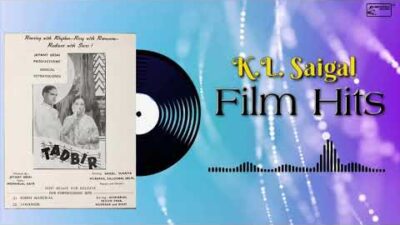
जयंत देसाई निर्देशित 1945 की हिंदी फ़िल्म 'तदबीर' के लिए HMV पर रिकॉर्ड की गई, 'जनम जनम का दुखिया प्राणी' में लाल मोहम्मद की धुन और स्वामी रामानंद सरस्वती के बोल हैं, और आवाज़ है कुंदन लाल सहगल की। भैरवी के रंगों में रची यह धीमी दार्शनिक रचना हिंदू-वेदांतिक जीवन-दर्शन को — आत्मा के जन्म-जन्मांतर की पीड़ा को — जीवंत करती है। सहगल की स्वाभाविक रूप से विषादमय आवाज़ इसे एक आत्मकथात्मक सत्यता देती है जो उनके अंतिम दौर की रिकॉर्डिंग्स में सबसे प्रत्यक्ष भावनात्मक रचनाओं में से एक बना देती है।
अंग्रेज़ी में पढ़ें · Read in English
Janam Janam Ka Dukhiya Praani (A Soul Suffering Through Birth After Birth), sung by K.L. Saigal with music by Lal Mohammad and lyrics by Swami Ramanand Saraswati, was recorded for the 1945 Hindi film Tadbeer, directed by Jayant Desai. Released on HMV, this slow philosophical geet in the character of Raag Bhairavi captures the Hindu-Vedantic worldview of the suffering soul in its transmigration across lifetimes. Saigal's naturally melancholic voice lends the verse an autobiographical sincerity — making this one of the most emotionally direct recordings of his twilight career, and a beloved staple of his memorial compilations.
संगीत The Music
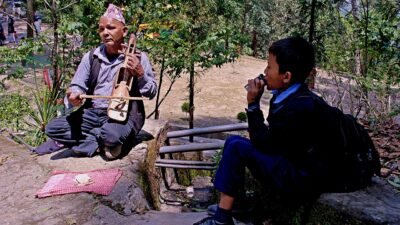
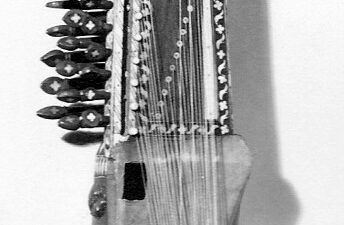
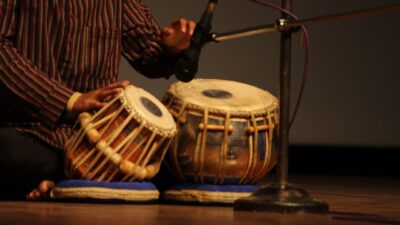
लाल मोहम्मद की बनावट संयमित और भक्तिभावपूर्ण है। हारमोनियम दार्शनिक पाठ को एक निरंतरता की नींव देता है, सारंगी सहगल की आवाज़ की हर लहर पर हमसफ़र बनती है। तबले का हल्का केहरवा गीत को चलाए रखता है बिना उसके ध्यानपूर्ण भाव को तोड़े। भैरवी में रची धुन — अपने कोमल धैवत और धीरे-धीरे उतरती लयों के साथ — हिंदुस्तानी संगीत में समर्पण और आध्यात्मिक व्याकुलता की भाषा बोलती है। सहगल की आवाज़ में उनके बाद के वर्षों में आई स्वाभाविक खुरदुरापट इस थके हुए, भटकते प्राणी की कहानी को और असली बना देती है।
अंग्रेज़ी में पढ़ें · Read in English
Lal Mohammad's arrangement is restrained and devotional in character. The harmonium provides a continuity of tone that anchors the philosophical text, while the sarangi traces Saigal's vocal line with empathetic closeness. The tabla's gentle Keherwa provides just enough rhythmic underpinning to keep the geet moving without disrupting its meditative quality. The melody, rooted in Bhairavi, uses the raag's characteristic gentle descents and that flat sixth (komal dhaivat) which in Hindustani music invariably evokes surrender and spiritual longing. Saigal's voice, in its later years, carries a naturally produced roughness that paradoxically enhances the song's theme of a worn, journeying soul.
काव्य The Poetry
स्वामी रामानंद सरस्वती के ये बोल वेदांत के संसार-भाव से सीधे उठे हैं — जन्म-जन्मांतर का चक्र। 'दुखिया प्राणी' 'दर-दर ठोकर खाता है' — यह संस्कृत की उस धारणा की प्रतिध्वनि है कि सांसारिक जीवन स्वभावतः दुःखमय (दुक्ख) है। अकेले आने और अकेले जाने का विरोध एक सार्वभौमिक सत्य है। अंतिम पंक्तियाँ — मिलन-बिछोड़े का खेल, जिसे केवल सयाना समझे — व्यक्तिगत पीड़ा को लौकिक दर्शन में बदल देती हैं, निराशा में नहीं, समझ की शांति में समाप्त होती हैं।
अंग्रेज़ी में पढ़ें · Read in English
The verse by Swami Ramanand Saraswati draws directly on the Vedantic concept of sansar — the cycle of rebirth. The 'dukhiya praani' (suffering being) stumbles 'dar dar' (from door to door), echoing the Sanskrit idea that worldly existence is inherently characterised by suffering (dukha). The contrast between entering the world alone and leaving alone strikes a starkly universal note. The final couplet — life as a game of union and separation, understood only by the wise — elevates personal grief into cosmic philosophy, ending not in despair but in the serenity of understanding.
कहानी The Story
'तदबीर' (1945) में सहगल को एक ऐसी भूमिका मिली जो गहरे भावनात्मक विस्तार की माँग करती थी — और यह दार्शनिक गीत उनके लिए एक आदर्श कैनवास था। स्वामी रामानंद सरस्वती के बोल भक्ति और वेदांत परंपरा की उस धारा से उठे हैं जिनसे सहगल खुद गहरे जुड़े थे। जनवरी 1947 में सहगल के निधन पर HMV के ये संकलन बेमिसाल बिक्री के साथ घर-घर पहुँचे — शोकाकुल श्रोता उनकी आवाज़ में अपना दर्द खोज रहे थे।
अंग्रेज़ी में पढ़ें · Read in English
Tadbeer (1945) cast Saigal in a role that demanded profound emotional range — and this philosophical geet gave him the perfect canvas. The lyricist Swami Ramanand Saraswati, whose pen name suggests a religious or ascetic identity, contributed verses that mirror the Bhakti and Vedantic traditions Saigal himself was deeply drawn to. By all accounts Saigal felt these philosophical songs personally — he was not a conventionally religious man, but his later years brought an introspective quality that such verses summoned naturally. When Saigal died in January 1947, HMV compilations of songs like this sold in unprecedented quantities as mourning Indians turned to his voice to process their grief.
विरासत The Legacy
यह गीत सहगल के मूल संग्रह का हिस्सा है — वे रिकॉर्डिंग्स जिनमें आवाज़ और शब्द अलग नहीं किए जा सकते। आकाशवाणी के पुरालेख कार्यक्रमों और सहगल स्मृति समारोहों में यह नियमित रूप से बजाया जाता है। 'दुखिया प्राणी' की अवधारणा बाद की हिंदी फ़िल्मी शायरी में एक प्रतीक बन गई — शैलेंद्र से लेकर गुलज़ार तक ने इस दार्शनिक गीत-परंपरा को अपनी आध्यात्मिक विरासत माना।
अंग्रेज़ी में पढ़ें · Read in English
This song belongs to the core Saigal canon — those recordings in which his voice and the lyric content become inseparable. It is regularly played at Saigal memorial events and on All India Radio's classical archival programmes. The concept of the 'dukhiya praani' became a touchstone phrase in later Hindi film poetry, echoed by lyricists from Shailendra to Gulzar who acknowledged Saigal's philosophical geet tradition as their spiritual ancestor. The recording is also one of the clearest examples of how the 1945 Bombay film song was simultaneously popular entertainment and serious philosophical expression.
वर्गीकरण
Classification- Tempo
- Slow
Genre
अन्य विवरण
More Details- Hindigeetmala.net – Tadbir (1945) song listing
- Songs of Yore – Best songs of 1945
- Wikipedia – K. L. Saigal
- Atul's Song A Day – Tadbeer entries
References
रोचक तथ्य
Margin Notesतदबीर (1945) वह फ़िल्म थी जिसने सुरैया को एक प्रमुख अभिनेत्री के रूप में स्थापित किया, जो आंशिक रूप से सहगल के मार्गदर्शन और समर्थन का परिणाम था।
अंग्रेज़ी में पढ़ें · Read in English
Tadbeer (1945) was the film that marked Suraiya's emergence as a leading actress, partly due to Saigal's mentorship and advocacy.
के.एल. सहगल का भक्ति परंपरा से जुड़ाव इस बात में झलकता था कि वे भक्ति और दार्शनिक गीतों को असाधारण गहराई और विश्वास के साथ गाते थे।
अंग्रेज़ी में पढ़ें · Read in English
K.L. Saigal's connection to the Bhakti tradition meant he sang devotional and philosophical geets with unusual conviction and depth.
'जनम जनम' वाक्यांश हिंदू पुनर्जन्म-दर्शन से जुड़ा है, जो 1945 के इस फ़िल्मी गीत को एक कालातीत, अखिल भारतीय गूंज प्रदान करता है।
अंग्रेज़ी में पढ़ें · Read in English
The phrase 'janam janam' (birth after birth) draws on Hindu cosmology of multiple lifetimes, giving this 1945 film song a timeless pan-Indian resonance.
इस गीत की एचएमवी 78 आरपीएम प्रतियां जनवरी 1947 में सहगल के निधन के तुरंत बाद सबसे अधिक बिकने वाले रिकॉर्डों में शामिल थीं।
अंग्रेज़ी में पढ़ें · Read in English
HMV 78rpm pressings of this song were among the top-selling Saigal records in the immediate aftermath of his death in January 1947.
स्वामी रामानंद सरस्वती ने तदबीर के सभी गीत लिखे — यह एक असामान्य व्यवस्था थी जिसमें एक ही धार्मिक कवि ने पूरी फ़िल्म की गीत-सामग्री उपलब्ध कराई।
अंग्रेज़ी में पढ़ें · Read in English
Swami Ramanand Saraswati wrote all the songs for Tadbeer — an unusual arrangement where a single religious poet supplied the entire film's lyrical content.
नमूना-पट्टी
The Specimen Table| शीर्षक | जनम जनम का दुखिया प्राणी · Janam Janam Ka Dukhiya Praani |
|---|---|
| वर्ष · युग | 1945 — Pre-Independence (1931-1947) |
| गायक | K.L. Saigal |
| गीतकार | Swami Ramanand Saraswati |
| संगीतकार | लाल मोहम्मद |
| स्वरूप | एकल पुरुष |
| गति | धीमी |
| अवधि | 4:10 |
| भाषा | Hindi · Braj |
| वाद्य | harmonium · sarangi · tabla |
| भाव | उदास · पुरानी यादें · दार्शनिक · आध्यात्मिक |
| लोकप्रियता | Very_popular |
| बोल-स्थिति | कॉपीराइट समाप्त |
जुड़े हुए पन्ने
Connected Plates · The Graph Made Visibleअटलस में कोई पन्ना अकेला नहीं — इस गीत से जुड़े गीत, कलाकार, फ़िल्म, राग-ताल-विधा, सब यहाँ से खुलते हैं।
मिलते-जुलते गीत · Related Songs
कलाकार · The Artists
साझा कीजिए · Share this Plate
यह पन्ना आगे बढ़ाइए
सहगल ने एक भटकते प्राणी के साधारण दुख में परमात्मा को खोजा — यही उनकी अमरता का रहस्य है।
Saigal found the divine in the ordinary sorrow of a wandering soul — that is the secret of his immortality.
— Attributed to musicologist Vishwanath Chatterjee, 1950s
सवाल-जवाब
Questions & Answersजनम जनम का दुखिया प्राणी किसने लिखा? · Who wrote Janam Janam Ka Dukhiya Praani?
बोल स्वामी रामानंद सरस्वती ने लिखे, जिन्होंने तदबीर (1945) के सभी गीत लिखे थे।
The lyrics were written by Swami Ramanand Saraswati, a religious poet who penned all the songs for Tadbeer (1945).
इस गीत का दार्शनिक अर्थ क्या है? · What is the philosophical meaning of this song?
यह गीत वेदांत दर्शन पर आधारित है — आत्मा अनेक जन्मों तक दुख भोगती है, अकेले आती है और अकेले जाती है, सुख-दुख के चक्र में, जब तक कोई सयाना इस खेल को समझ न ले।
The song draws on Vedantic philosophy — the soul suffers through multiple lifetimes (janam janam), coming and going alone, through cycles of joy and sorrow, until the wise soul understands this game of life.
यह गीत किस राग पर आधारित है? · What raag is this geet based on?
धुन राग भैरवी पर आधारित है, जो आध्यात्मिक समर्पण और कोमल उदासी के भाव के लिए प्रसिद्ध है — इस दार्शनिक सामग्री के लिए एकदम उचित।
The melody draws on Raag Bhairavi, well-known for its mood of spiritual surrender and gentle sadness — a perfect vehicle for this philosophical content.