सिनेमा विंग · फ़िल्म-पट्टिका · Film Plate
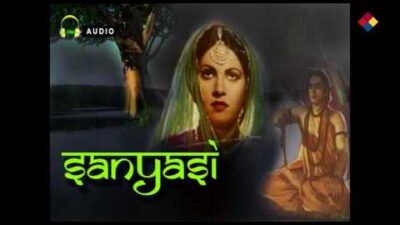
सन्यासी
Sanyasi
शैलीDrama · Social · Musical
भाषाhindi प्रकारकथा-चित्र (फ़ीचर)
गीत10 — नीचे पूरी संगीत-सूची
कथा-सार
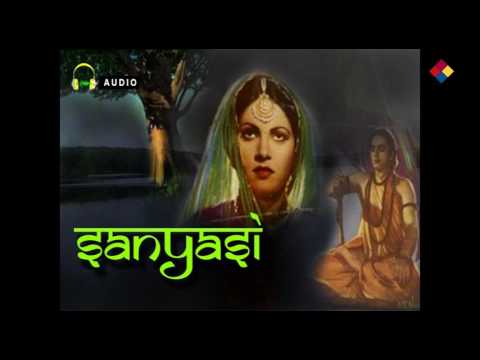
Synopsis'सन्यासी' ए. आर. कारदार की अपने ही कारदार प्रोडक्शंस के बैनर तले बनाई और निर्देशित हिंदी/उर्दू सामाजिक फ़िल्म है, कहानी और संवाद अज़्म बाज़ीदपुरी के। शीर्षक-भूमिका, एक संन्यासी या घुमंतू विरक्त, अभिनेता ग़ुलाम मोहम्मद ने निभाई, जो उसी वर्ष सोहराब मोदी की 'एक दिन का सुल्तान' में भी थे; उनके इर्द-गिर्द कारदार ने गाँव के हिंदू पात्र-नामों की कलाकार-सूची खड़ी की — राधा, मोहन, किरण, तुलसी, चेतन, रामदास, बाँके और चौबे — जिसमें शमीम बानो 'राधा' और अमर 'मोहन' हैं। सुलभ संदर्भ-साहित्य में फ़िल्म का कोई विस्तृत कथासार नहीं बचा है, और यह प्रविष्टि कोई गढ़ती नहीं। जो पुनर्निर्मित हो सकता है वह श्रेय-सूची और नौशाद के दस गीतों से आता है, जो पीपल की छाँव की मुलाक़ातों, कोयल और साँझ की वापसी वाली गाँव-हिंदी की दुनिया तथा सहनशीलता, टूटी किश्तियों और उस दुनिया की कठोर उर्दू भाषा के बीच आते-जाते हैं जो जिसे उम्र भर न समझ पाई, उसी को अंत में माला पहना देती है — ठीक वह भावभूमि जिसकी संन्यास पर बनी फ़िल्म से अपेक्षा की जाएगी।
अंग्रेज़ी में पढ़ें · Read in English
Sanyasi is a Hindi/Urdu social film made and directed by A. R. Kardar under his own Kardar Productions banner, from a story and dialogue by Azm Bazidpuri. The title role, a sanyasi or wandering renunciate, was played by the actor Ghulam Mohammed, who had appeared the same year in Sohrab Modi's Ek Din Ka Sultan; around him Kardar built a village cast of Hindu character names — Radha, Mohan, Kiran, Tulsi, Chetan, Ramdas, Banke and Chobe — with Shamim Bano as Radha and Amar as Mohan. No detailed plot summary of the film survives in the accessible reference literature, and this entry does not invent one. What can be reconstructed comes from the credits and from Naushad's ten songs, which move between a village-Hindi world of peepal-tree meetings, cuckoos and dusk homecomings and a starker Urdu register of endurance, broken boats and a world that garlands what it has spent a lifetime misunderstanding — the emotional territory a film about renunciation would be expected to cover.
संगीत-सूची
The Soundtrackदस गीत, सब नौशाद के रचे और सब एक ही गीतकार पंडित मधुर के लिखे — कुछ लेबलों पर उनके पूरे नाम पंडित बुद्धि चंद्र अग्रवाल से श्रेय। विकिपीडिया दर्ज करता है कि ध्वनि आर.सी.ए. उपकरणों पर ली गई। तवे एचएमवी ने अपनी GE शृंखला में दबाए: discog.piezoelektric.org की एचएमवी-इंडिया डिस्कोग्राफ़ी 'सन्यासी' (1945) के सामने GE 3532, GE 3534 और GE 3535 दर्ज करती है, यद्यपि उसमें न गीत-शीर्षक हैं न मैट्रिक्स-संख्याएँ। दो लेबल-पाठ संग्राहक-ट्रांसफ़रों पर बचे हैं जिनके अपलोड तवे का पाठ दोहराते हैं — 'दुनिया चढ़ाए फूल' के लिए GE 3532 / मैट्रिक्स CEI 23805, और 'टूटी हुई किश्ती का बने कौन सहारा' के लिए GE 3536 / मैट्रिक्स CEI 23812; GE 3532 की पुष्टि डिस्कोग्राफ़ी करती है, GE 3536 उसमें दर्ज नहीं है। ज़ोहराबाई अम्बालेवाली तीन ऐसे पार्श्वों — जिन पर कोई नामित सह-गायक नहीं — और अमर के साथ चार युगलों के साथ एलबम पर छाई हुई हैं — दस में से सात पार्श्व; अमर पाँच पार्श्व गाते हैं, जिनमें एक अकेले; नसीम अख़्तर और श्याम कुमार के हिस्से एक-एक। संगीत साफ़-साफ़ दो हिस्सों में बँटता है — लोक-छंद पर टिके गाँव-हिंदी के गीत, और धीमे उर्दू-रंगी विलाप — और इसका गुरुत्व-केंद्र भजन 'नैनों में कृष्ण मुरारी हैं' है। दस में से आठ पार्श्व संग्राहक-ट्रांसफ़रों में बचे हैं; 'एक बात कहूँ' और 'पीपल की छाँव तले' का डिजिटलीकरण नहीं हुआ।
अंग्रेज़ी में पढ़ें · Read in English
Ten songs, all composed by Naushad and all written by one lyricist, Pandit Madhur — credited on some labels under his full name, Pandit Buddhi Chandra Aggarwal. Wikipedia records that the sound was taken on R.C.A. equipment. The discs were pressed by HMV in its GE series: the HMV India discography at discog.piezoelektric.org lists GE 3532, GE 3534 and GE 3535 against Sanyasi (1945), though it carries no song titles and no matrix numbers. Two label readings survive on collector transfers whose uploads reproduce the disc text — GE 3532 / matrix CEI 23805 for "Duniya Chadhaye Phool" and GE 3536 / matrix CEI 23812 for "Tooti Hui Kishti Ka Bane Kaun Sahara"; GE 3532 is corroborated by the discography, GE 3536 is not listed there. Zohrabai Ambalewali dominates the album with three sides carrying no named co-singer and four duets with Amar — seven of the ten sides; Amar sings five sides, one of them alone; Naseem Akhtar and Shyam Kumar have one each. The score divides cleanly into a village-Hindi group built on folk metre and a slower Urdu-inflected group of laments, with the bhajan "Nainon Mein Krishna Murari Hain" as its centre of gravity. Eight of the ten sides survive in collector transfers; "Ek Baat Kahun" and "Peepal Ki Chhaon Tale" have not been digitised.
- एक बात कहूँ Ek Baat Kahun स्वर: Naseem Akhtar
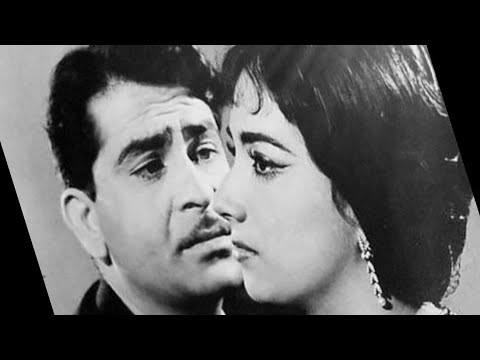
- नैनों में कृष्ण मुरारी हैं Nainon Mein Krishna Murari Hain स्वर: Zohrabai Ambalewali 3:02
- लाखों सितम झेलेंगे हम Laakhon Sitam Jhelenge Hum स्वर: Zohrabai Ambalewali
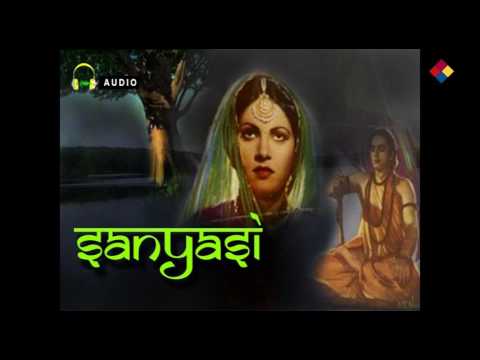
- ओ जाने वाले मतवाले O Jaane Wale Matwale स्वर: Zohrabai Ambalewali
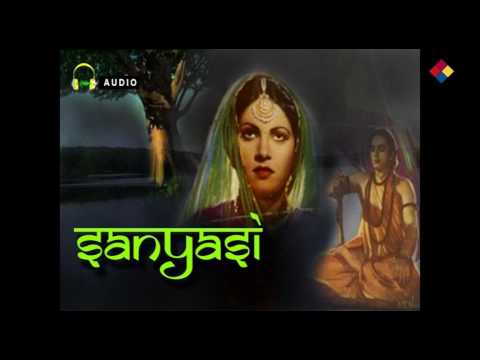
- पीपल की छाँव तले मैं भी मिलूँ तू भी मिले Peepal Ki Chhaon Tale Main Bhi Miloon Tu Bhi Mile स्वर: Zohrabai Ambalewali, अमर
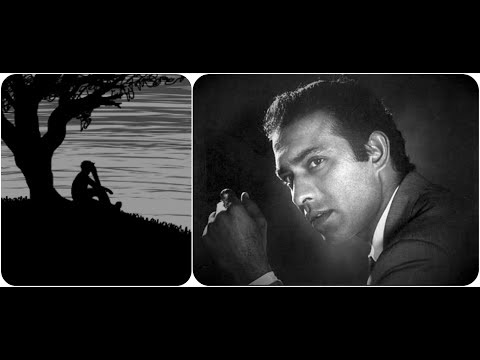
- दुनिया चढ़ाए फूल Duniya Chadhaye Phool स्वर: Zohrabai Ambalewali, अमर
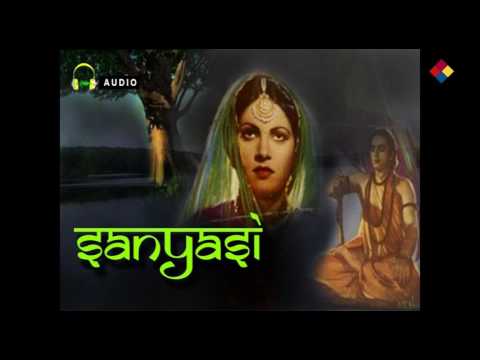
- नेहा लगा के जो कोई यूँ छुप जाए Neha Laga Ke Jo Koi Yun Chhup Jaaye स्वर: Zohrabai Ambalewali, अमर
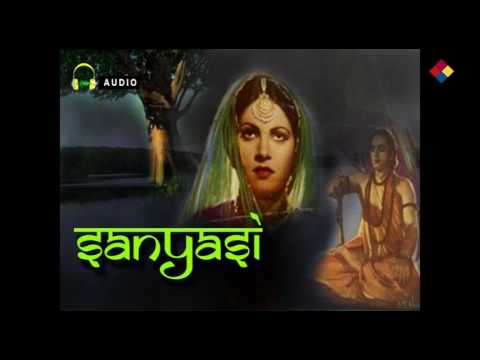
- सुनो जी प्यारी कोयलिया बोले Suno Ji Pyari Koyaliya Bole स्वर: Zohrabai Ambalewali, अमर
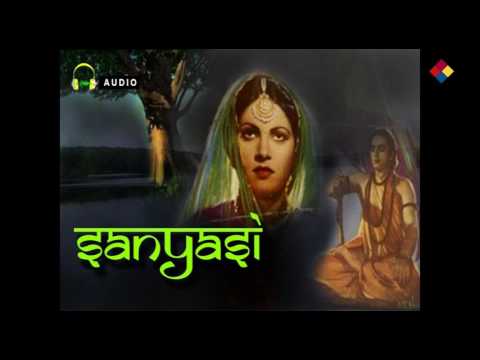
- टूटी हुई किश्ती का बने कौन सहारा Tooti Hui Kishti Ka Bane Kaun Sahara स्वर: अमर

- साँझ भई घर आया Saanjh Bhayi Ghar Aaya स्वर: Shyam Kumar
पट्टिका-लेख
The Monographपर्दे के पीछे Behind the Scenes
फ़िल्म बंबई के कारदार स्टूडियो में बनी — वह प्लांट जो ए. आर. कारदार ने 1939 में सर्को प्रोडक्शंस के परिसमापन में जाने पर उसे ख़रीदकर खड़ा किया था, और जिसे शहर का पहला वातानुकूलित मेकअप-कक्ष वाला स्टूडियो कहा जाता है। नौशाद 'नई दुनिया' (1942) से कारदार के स्थायी संगीतकार थे — वही फ़िल्म जिसने उन्हें पहली बार पर्दे पर 'संगीत निर्देशक' का श्रेय दिया — और उस व्यवस्था में वे बाहर का काम भी ले सकते थे; ऐसा ही एक बाहरी काम, 1944 में जगदीश प्रोडक्शंस के लिए 'रत्तन', उनका नाम और पारिश्रमिक दोनों बना गया। 'सन्यासी' वह फ़िल्म है जो उन्होंने उसके ठीक बाद कारदार को दी। सहायक कलाकारों में बारह वर्ष के महमूद हैं, 'बाँके' की भूमिका में — 'क़िस्मत' (1943) में बालक शेखर के रूप में उनकी पहली उपस्थिति के दो वर्ष बाद, और हिंदी सिनेमा के सबसे प्रिय हास्य अभिनेताओं में से एक बनने से बहुत पहले।
अंग्रेज़ी में पढ़ें · Read in English
The film was made at Kardar Studios in Bombay, the plant A. R. Kardar built after buying out Circo Productions when it went into liquidation in 1939 — reputedly the first studio in the city with air-conditioned make-up rooms. Naushad had been Kardar's house composer since Nayi Duniya (1942), the film that first gave him the screen credit 'music director', on an arrangement that left him free to take outside work; it was one such outside job, Rattan for Jagdish Productions in 1944, that made his name and his fee. Sanyasi is the film he delivered to Kardar immediately afterwards. Among the supporting cast is the twelve-year-old Mehmood, playing Banke — two years after his first appearance as the young Shekhar in Kismet (1943) and long before he became one of Hindi cinema's most loved comedians.
महत्व Significance
'सन्यासी' वह फ़िल्म है जो नौशाद ने 'रत्तन' (1944) के ठीक अगले वर्ष बनाई — और 1945 में उनकी इकलौती रिलीज़, जिससे ये दस गीत उस पूरे वर्ष का उनका समग्र काम बन जाते हैं। इसका महत्व उनके आरंभिक करियर के दो सर्वाधिक ज्ञात चरणों के बीच की कड़ी के रूप में है: पीछे 'रत्तन' की लोक-शास्त्रीय सफलता और आगे 1946 की 'अनमोल घड़ी', 'शाहजहाँ' तथा 'क़ीमत'। व्यावसायिक रूप से भी यह चली: नौशाद की फ़िल्मोग्राफ़ी 'सन्यासी' को सिल्वर जुबली दर्ज करती है — पच्चीस या अधिक सप्ताह का प्रदर्शन — ऐसे समय में जब कारदार प्रोडक्शंस की रिलीज़ से स्टूडियो का ख़र्च उठाने की अपेक्षा की जाती थी। यह ज़ोहराबाई अम्बालेवाली के वर्चस्व के आख़िरी पूरे मौसम का दस्तावेज़ भी है — दस में से सात पार्श्व वही गाती हैं — इससे पहले कि तीन वर्षों के भीतर लता मंगेशकर का आगमन स्त्री-पार्श्वगायन का बाज़ार बदल दे।
अंग्रेज़ी में पढ़ें · Read in English
Sanyasi is the film Naushad made in the year immediately after Rattan (1944) — and his only release of 1945, which makes these ten songs the whole of his output for that year. It matters as the hinge between the two best-known phases of his early career: the folk-classical breakthrough of Rattan behind it and Anmol Ghadi, Shahjehan and Keemat, all in 1946, ahead. Commercially it delivered: Naushad's filmography records Sanyasi as a Silver Jubilee, a run of twenty-five weeks or more, at a time when a Kardar Productions release was expected to carry the studio's overheads. It is also a record of the last full season of Zohrabai Ambalewali's primacy — she sings seven of the ten sides — before Lata Mangeshkar's arrival reset the market for female playback voices within three years.
विरासत Legacy
फ़िल्म के रूप में 'सन्यासी' बची नहीं है। कोई प्रिंट सामान्य प्रचलन में नहीं है, मानक संदर्भ-ग्रंथों में कोई कथासार नहीं मिलता, और संगीत का कोई व्यावसायिक पुनर्प्रकाशन कभी नहीं हुआ; इसका जो मौजूद है वह निजी संग्राहकों द्वारा डिजिटल किए गए दस में से नौ 78-आरपीएम पार्श्व और हिंदी फ़िल्म गीत कोश परंपरा में सुरक्षित श्रेय-सूची है। दो दर्जन प्रसिद्ध नामों के बाहर 1940 के दशक के अधिकांश हिंदी सिनेमा की यही स्थिति है, और इसीलिए ऐसी प्रविष्टि रखने योग्य है: यह फ़िल्म हर नौशाद-जीवनी में 'रत्तन' और 'अनमोल घड़ी' के बीच के अंतराल में बैठती है, प्रायः एक पंक्ति के रूप में, और उस अंतराल में वे वास्तव में क्या कर रहे थे — इसका एकमात्र प्रमाण ये गीत हैं। कारदार स्वयं नौशाद के साथ 'शाहजहाँ' (1946), 'दर्द' (1947), 'दिल्लगी' और 'दुलारी' (1949) तथा 'दास्तान' (1950) तक गए, जिसके बाद यह साझेदारी 'दीवाना' (1952) पर समाप्त हुई।
अंग्रेज़ी में पढ़ें · Read in English
Sanyasi has not survived as a film. No print is in general circulation, no plot summary appears in the standard reference works, and the soundtrack has never had a commercial reissue; what exists of it is nine of its ten sides digitised by private collectors and a set of credits preserved in the Hindi Film Geet Kosh tradition. That is a fair description of the condition of most 1940s Hindi cinema outside the two dozen famous titles, and it is why an entry like this one is worth keeping: the film sits in the gap between Rattan and Anmol Ghadi in every Naushad biography, usually as a single line, and the songs are the only evidence of what he was actually doing in that gap. Kardar himself went on to Shahjehan (1946), Dard (1947), Dillagi and Dulari (1949) and Dastan (1950) with Naushad before the partnership ended with Deewana (1952).
अन्य विवरण
More Details- Hindi Film Geet Kosh (hamraaz.org, Hindi Film Database 1931-1985) — film record 1349, Sanyasi (1945)
- https://en.wikipedia.org/wiki/Sanyasi_(1945_film)
- https://www.hindigeetmala.net/movie/sanyasi.htm
- https://en.wikipedia.org/wiki/Naushad
- https://en.wikipedia.org/wiki/Abdur_Rashid_Kardar
- https://en.wikipedia.org/wiki/Mehmood_(actor)
- https://en.wikipedia.org/wiki/List_of_Hindi_films_of_1945
- https://myswar.co/album/sanyasi-1945
- https://www.songsofyore.com/best-songs-of-1945-wrap-up-4/
References
नमूना-पट्टी
The Specimen Table| शीर्षक | सन्यासी · Sanyasi |
|---|---|
| वर्ष · युग | 1945 — Pre Independence |
| निर्देशक | ए. आर. कारदार · A. R. Kardar |
| संगीत-निर्देशक | नौशाद · Naushad |
| गीतकार | पंडित मधुर · Pandit Madhur |
| कलाकार-मंडली | ग़ुलाम मोहम्मद · Ghulam Mohammed · शमीम बानो · Shamim Bano · अमर · Amar · नसीम जूनियर · Naseem Jr. · हसनदीन · Hasandin · श्याम कुमार · Shyam Kumar · शाकिर · Shakir · महमूद · Mehmood · अमीर · Amir |
| निर्माण-गृह | Kardar Productions, Bombay |
| शैली | Drama · Social · Musical |
| भाषा | hindi |
| प्रकार | कथा-चित्र (फ़ीचर) |
| गीत | 10 गीत — ऊपर पूरी संगीत-सूची |
जुड़े हुए पन्ने
Connected Plates · The Graph Made Visibleअटलस में कोई पन्ना अकेला नहीं — 'सन्यासी' से उसके गीत, कलाकार, राग और युग, सब जुड़े हैं।
इस फ़िल्म के गीत · Songs of this Film
कलाकार · Cast & Crew
युग · The Era
साझा कीजिए · Share this Plate
यह पन्ना आगे बढ़ाइए
जुड़ी हुई दुनिया
Explore ConnectionsSoundtrack · गीत (10)
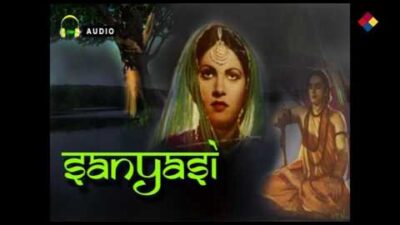
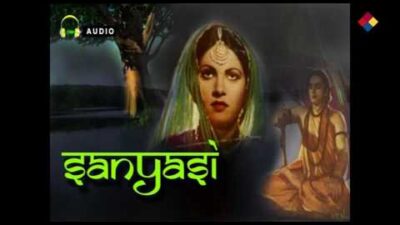
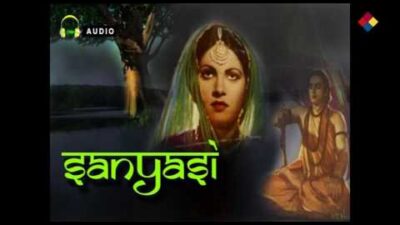
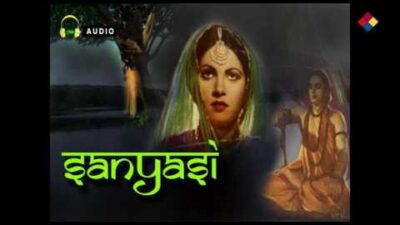
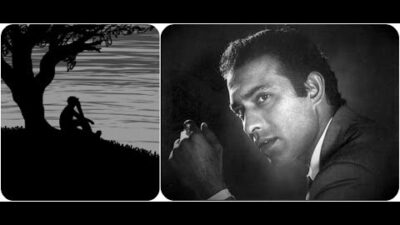
पीपल की छाँव तले मैं भी मिलूँ तू भी मिले
Peepal Ki Chhaon Tale Main Bhi Miloon Tu Bhi Mile
Zohrabai Ambalewali, अमर · Sanyasi