सिनेमा विंग · फ़िल्म-पट्टिका · Film Plate
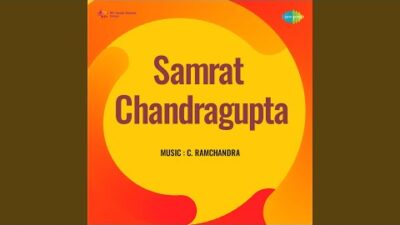
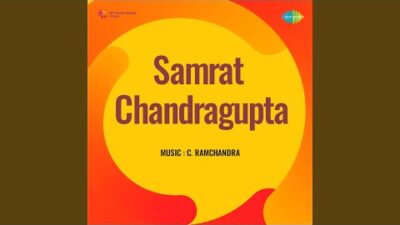
सम्राट चंद्रगुप्त
Samrat Chandragupta
शैलीHistorical · Drama · Musical
भाषाhindi प्रकारकथा-चित्र (फ़ीचर)
गीत10 — नीचे पूरी संगीत-सूची
कथा-सार
Synopsis'सम्राट चंद्रगुप्त' एक बड़े बजट की ऐतिहासिक फ़िल्म है, जिसे जयंत देसाई ने अपने ही बंबई बैनर के लिए बनाया और निर्देशित किया — विषय है ईसा पूर्व चौथी शताब्दी में मौर्य साम्राज्य का संस्थापक। फ़िल्म इतिहास के दस्तावेज़ से अधिक चंद्रगुप्त मौर्य से जुड़ी लोक-किंवदंती का अनुसरण करती है: युवा भारतीय राजकुमार पहले सिकंदर की मकदूनियाई सेना के निकट दिखाया जाता है, फिर यूनानियों से उसका विच्छेद होता है, वह उन्हें युद्ध में हराता है और पाटलिपुत्र को राजधानी बनाकर अपना साम्राज्य स्थापित करता है। कथा का केंद्रीय प्रेम-सूत्र चंद्रगुप्त और यूनानी सेनापति सेल्यूकस निकेटर की मित्रता है, जिसकी पुत्री से मौर्य सम्राट का विवाह परंपरा में माना जाता है। चंद्रगुप्त निकेटर के प्राण बचाता है और उसकी पुत्री हेलन को खलनायक एंटिगोनस से मुक्त कराता है, और बदले में उसका हाथ पाता है। नंद वंश का उच्छेद और नए राजा के विरुद्ध बार-बार होने वाले षड्यंत्र — यह सारा राजनीतिक घटनाक्रम राजनीति की जगह उसी प्रेम-कथा के परिणाम के रूप में मंचित होता है, जो 1940 के दशक की बंबइया ऐतिहासिक फ़िल्म का मानक ढाँचा है। कथा में चाणक्य की चतुर उपस्थिति निर्णायक है। लेखन मोहनलाल जी. दवे, शाहिद लतीफ़ और सागर हुसैन का है और छायांकन द्रोणाचार्य का।
अंग्रेज़ी में पढ़ें · Read in English
Samrat Chandragupta is a big-budget historical, produced and directed by Jayant Desai for his own Bombay banner, about the founder of the Mauryan empire in the fourth century BCE. The film does not follow the historical record so much as the popular legend around Chandragupta Maurya: the young Indian prince is shown as having been close to Alexander's Macedonian army before falling out with the Greeks, defeating them in battle and establishing his own empire with its capital at Pataliputra. Its central romantic thread is the friendship between Chandragupta and the Greek general Seleucus Nicator, whose daughter the Mauryan king is traditionally believed to have married. Chandragupta saves Nicator's life and rescues his daughter Helen from the villainous Antigonus, and is given her hand in return. The film's later political action — Chandragupta's overthrow of the Nanda dynasty and the repeated conspiracies against the new king — is staged as a consequence of that love story rather than as statecraft, which is the standard shape of the 1940s Bombay historical. The wily strategist Chanakya is a key figure in the narrative. Written by Mohanlal G. Dave, Shaheed Latif and Sagar Hussain and photographed by Dronacharya, the picture was mounted on a large scale by the standards of an independent producer in the last years of the war economy.
संगीत-सूची
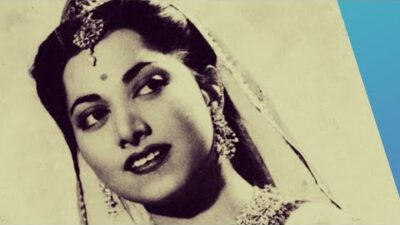
The Soundtrackदस गीत दर्ज हैं, सभी सी. रामचंद्र की धुनों में और बुद्धि चंद्र अग्रवाल 'मधुर' के बोलों पर। माईस्वर इस संगीत को कोलंबिया रिकॉर्ड्स से जारी बताता है; 'हिंदी फ़िल्म गीत कोश' की प्रविष्टि में इस फ़िल्म के लिए कोई रिकॉर्ड कंपनी दर्ज नहीं है, इसलिए लेबल का दावा उसी एक स्रोत पर टिका है। 1945 के किसी स्वतंत्र निर्माता की फ़िल्म के लिहाज़ से गायकों का बँटवारा असामान्य रूप से स्पष्ट है: सुरैया — तब पंद्रह वर्ष की और पाँच फ़िल्मों वाले वर्ष के बीचोंबीच — तीन गीत गाती हैं ('पिया पिया रात के', 'पी गोरे गोरे हाथों में', 'चकोरी चंदा के अँगना'); अमीरबाई कर्नाटकी के हिस्से एक एकल ('हर दिल में मुसीबत है') और जी. एम. दुर्रानी के साथ दो युगल ('बदला है ज़माना' तथा 'ओ जाने वाले कुछ कहता जा') आते हैं। ऑनलाइन सूचियाँ यहीं रुक जाती हैं, पर गीत कोश तीन और श्रेय देता है जिन्हें वे छोड़ देती हैं: 'नज़र की चोट जब दिल में लगी' पर राजकुमारी, स्त्री-पुरुष गीत 'मैं अलबेली नार यार' पर रेवाशंकर मारवाड़ी के सामने फिर राजकुमारी, और 'दिल रोते रोते खेलो' पर सरस्वती राणे — वही गायिका जिन्हें हिंदीगीतमाला और माईस्वर 'सरस्वती बाई' कहते हैं। इससे केवल 'माता की जय हो' बिना नामित स्वरों के रह जाता है; गीत कोश उसे सहगान के रूप में चिह्नित करता है। वही फ़िल्म का प्रमुख गीत भी है: 'एनसाइक्लोपीडिया ऑफ़ इंडियन सिनेमा' — जो indiancine.ma पर उपलब्ध है — इसे फ़िल्म के राष्ट्रवादी गीत के रूप में विशेष रूप से रेखांकित करता है, पूर्ण रूप 'माता की जय, जननी की जय हो' में।
अंग्रेज़ी में पढ़ें · Read in English
Ten songs are documented, all composed by C. Ramchandra to lyrics by Buddhi Chandra Agrawal 'Madhur'. MySwar lists the soundtrack as issued on Columbia Records; the Hindi Film Geet Kosh entry for the film names no record company, so the label rests on that single source. The vocal casting is unusually clear for a 1945 independent: Suraiya, then fifteen and in the middle of a five-film year, takes three numbers ('Piya Piya Raat Ke', 'Pee Gore Gore Haathon Mein', 'Chakori Chanda Ke Angana'); Amirbai Karnataki takes a solo ('Har Dil Mein Museebat Hai') and pairs with G. M. Durrani on two duets ('Badla Hai Zamana' and 'O Jaane Wale Kuch Kehta Jaa'). The online catalogues stop there, but the Geet Kosh carries three further credits they omit: Rajkumari on 'Nazar Ki Chot Jab Dil Mein Lagi', Rajkumari again opposite Rewashankar Marwadi on the female-male number 'Mai Albeli Naar Yaar', and Saraswati Rane on 'Dil Rote Rote Khelo' — a singer hindigeetmala and myswar instead call Saraswati Bai. That leaves only 'Mata Ki Jai Ho' without named voices; the Geet Kosh marks it a chorus. It is also the film's set-piece: the Encyclopedia of Indian Cinema, reproduced on indiancine.ma, singles it out as the picture's nationalist number, sung in the fuller form 'Mata ki jai, janani ki jai ho'.
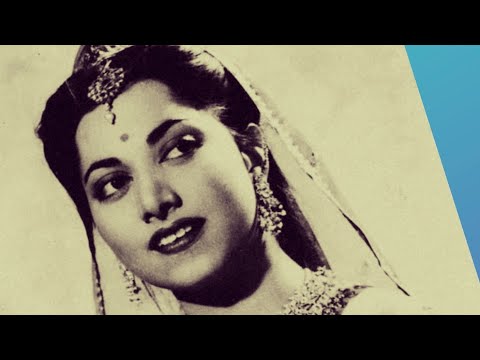
- पिया पिया रात के Piya Piya Raat Ke स्वर: Suraiya
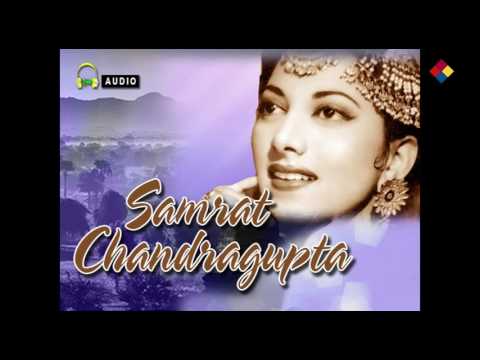
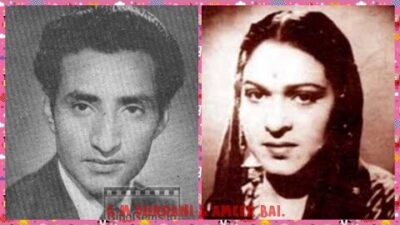
- बदला है ज़माना Badla Hai Zamana स्वर: Amirbai Karnataki, G.M. Durrani
- पी गोरे गोरे हाथों में Pee Gore Gore Haathon Mein स्वर: Suraiya

- नज़र की चोट जब दिल में लगी Nazar Ki Chot Jab Dil Mein Lagi स्वर: Rajkumari
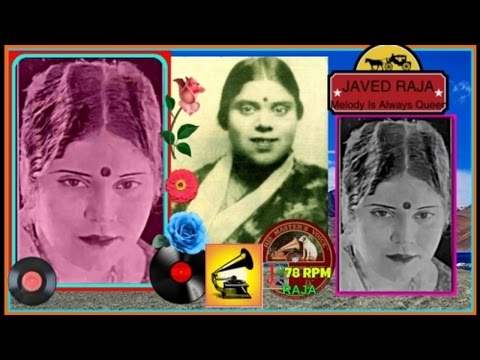
- हर दिल में मुसीबत है Har Dil Mein Museebat Hai स्वर: Amirbai Karnataki
- ओ जाने वाले कुछ कहता जा O Jaane Wale Kuch Kehta Jaa स्वर: Amirbai Karnataki, G.M. Durrani
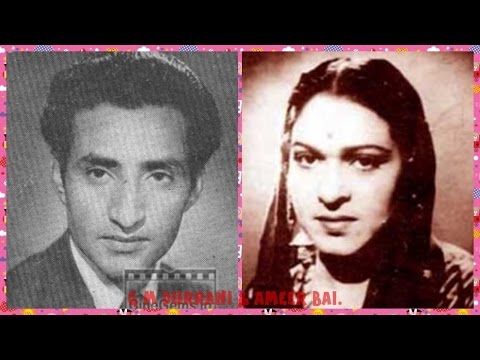
- माता की जय हो Mata Ki Jai Ho
- चकोरी चंदा के अँगना Chakori Chanda Ke Angana स्वर: Suraiya
- दिल रोते रोते खेलो Dil Rote Rote Khelo स्वर: सरस्वती राणे
- मैं अलबेली नार यार Mai Albeli Naar Yaar स्वर: रेवाशंकर मारवाड़ी, Rajkumari
पट्टिका-लेख
The Monographपर्दे के पीछे Behind the Scenes
जयंत देसाई 1929 में सहायक के रूप में रणजीत फ़िल्म कंपनी से जुड़े थे और 1943 में, अपनी प्रतिष्ठा के शिखर पर, वहाँ से निकलकर 'जयंत देसाई प्रोडक्शंस' खड़ा किया। विकिपीडिया 'मनोरमा' (1944) को बैनर की पहली फ़िल्म बताता है, पर 'हिंदी फ़िल्म गीत कोश' उस फ़िल्म को एक अलग बैनर — 'चंद्र आर्ट प्रोडक्शंस' — के अंतर्गत दर्ज करता है, निर्देशन देसाई का; दोनों स्रोतों का यह मतभेद यहाँ सुलझाया नहीं, दर्ज किया गया है। 'सम्राट चंद्रगुप्त' को बंबई सेंसर ने 20 फ़रवरी 1945 को पास किया — प्रमाणपत्र बंबई/31155, कटौती सहित — और यह 10,995 फ़ीट, चौदह रील, कुछ अधिक दो घंटे की थी। इसकी पटकथा तीन लेखकों ने लिखी — मोहनलाल जी. दवे, जो मूक और आरंभिक सवाक् युग के सबसे विपुल पटकथाकारों में थे, तथा शाहिद लतीफ़ और सागर हुसैन — और छायांकन उन कैमरामैन का है जिन्हें केवल 'द्रोणाचार्य' के नाम से श्रेय मिला है। संगीतकार ने यहाँ ख़ुद को 'चितलकर रामचंद्र' लिखा — 1940 के दशक में उन्होंने कई नाम इस्तेमाल किए (अन्नासाहेब, राम चितलकर, श्यामू) इससे पहले कि 'सी. रामचंद्र' स्थायी परदा-श्रेय बना। यह फ़िल्म सुरैया की 1945 की पाँच रिलीज़ों में तीसरी थी — 'यतीम', 'तदबीर', 'फूल' और 'मैं क्या करूँ' के साथ — वही वर्ष जिसमें वे बाल-कलाकार से एक साथ नायिका और प्रमुख आवाज़ दोनों बनीं।
अंग्रेज़ी में पढ़ें · Read in English
Jayant Desai had joined Ranjit Film Company in 1929 as an assistant and left in 1943, at the peak of his reputation, to set up Jayant Desai Productions. Wikipedia calls Manorama (1944) the banner's first film, but the Hindi Film Geet Kosh records that picture under a different banner, Chandra Art Productions, with Desai directing; the two sources are left in disagreement here rather than reconciled. Samrat Chandragupta was passed by the Bombay censor on 20 February 1945 — certificate Bombay/31155, with cuts — and ran 10,995 feet over fourteen reels, a little over two hours. It was written by a three-man team — Mohanlal G. Dave, one of the most prolific scenarists of the silent and early sound period, with Shaheed Latif and Sagar Hussain — and shot by the cinematographer credited simply as Dronacharya. The composer signed himself Chitalkar Ramchandra here, one of several names (Annasaheb, Ram Chitalkar, Shyamoo) he used across the 1940s before C. Ramchandra became the settled screen credit. The film was Suraiya's third of five 1945 releases, alongside Yateem, Tadbir, Phool and Main Kya Karoon — the year in which she moved from child performer to leading lady and leading voice at the same time.
महत्व Significance
यह फ़िल्म दो चढ़ते हुए कैरियरों के संगम-बिंदु पर खड़ी है। जयंत देसाई के लिए यह उस बैनर की 1945 की पहली रिलीज़ थी जिसे उन्होंने रणजीत स्टूडियोज़ में चौदह वर्ष बिताने के बाद 1943 में खड़ा किया था — रणजीत में ही उन्होंने अत्यंत सफल 'तानसेन' (1943) बनाई थी: बंबई सेंसर ने इसे 20 फ़रवरी 1945 को पास किया, बैनर की उसी वर्ष की दूसरी रिलीज़ — के. एल. सैगल की 'तदबीर' — से आठ महीने पहले। सी. रामचंद्र के लिए — जिन्हें यहाँ उनके आरंभिक परदे-नाम 'चितलकर रामचंद्र' के रूप में श्रेय मिला है — यह जयंत देसाई की फ़िल्मों के लिए 'मनोरमा' (1944) और 'ललकार' (1944) के बाद लगातार तीसरा संगीत था, और 'शहनाई' (1947) से दो वर्ष पहले का। विषय-वस्तु में 1945 की अपनी विशेष ऊष्मा है: एक भारतीय शासक द्वारा यूरोपीय आक्रांता को खदेड़ने की ऐतिहासिक कथा, जिसमें एक ऐसा गीत है जिसे 'एनसाइक्लोपीडिया ऑफ़ इंडियन सिनेमा' सीधे-सीधे राष्ट्रवादी गीत कहता है — और यह औपनिवेशिक युद्धकालीन सेंसरशिप के आख़िरी महीनों में रिलीज़ हुई, जब वेशभूषा-प्रधान ऐतिहासिक फ़िल्म उन गिनी-चुनी विधाओं में थी जिनके रास्ते ऐसी भावना जनता तक बिना कटे पहुँच सकती थी।
अंग्रेज़ी में पढ़ें · Read in English
The film sits at the meeting point of two careers on the move. For Jayant Desai it was the first release of 1945 from the banner he had founded in 1943 after fourteen years at Ranjit Studios, where he had directed the hugely successful Tansen (1943): the Bombay censor passed it on 20 February 1945, eight months ahead of the banner's other release that year, the K. L. Saigal musical Tadbir. For C. Ramchandra — credited here in his early screen form 'Chitalkar Ramchandra' — it was his third consecutive score for a Jayant Desai picture after Manorama (1944) and Lalkar (1944), written two years before Shehnai (1947) made him the most imitated composer in Bombay. The subject matter also carries a charge specific to 1945: a historical about an Indian ruler expelling a European invader, containing a song the Encyclopedia of Indian Cinema identifies plainly as a nationalist number, was released in the last months of colonial rule's wartime censorship regime, when the historical costume picture was one of the few forms in which such sentiment could reach a mass audience intact.
विरासत Legacy
'सम्राट चंद्रगुप्त' का कोई प्रिंट सार्वजनिक पहुँच में नहीं है और फ़िल्म मुख्यतः एक सूची-प्रविष्टि, 'एनसाइक्लोपीडिया ऑफ़ इंडियन सिनेमा' में दर्ज कथा-सार, 'हिंदी फ़िल्म गीत कोश' की सेंसर-प्रविष्टि और दस गीत-शीर्षकों के रूप में बची है। आज इसका महत्व दो बातों के प्रमाण के रूप में है: 1940 के दशक के मध्य में प्राचीन-भारतीय ऐतिहासिक फ़िल्म का वह चलन जो राष्ट्रवादी भावना का वाहन बना, और सी. रामचंद्र की प्रसिद्धि-पूर्व साधना, जिनका 1945 का छोटे स्वतंत्र निर्माताओं के लिए किया काम आगे आने वाले 'अलबेला' और 'अनारकली' के वर्षों की तुलना में बहुत कम चर्चित है। चंद्रगुप्त मौर्य 1958 में 'सम्राट चंद्रगुप्त' नाम से फिर परदे पर लौटे — एक अलग और अधिक याद रखी गई फ़िल्म, दूसरी निर्माण-टीम की; ऑनलाइन सूचियों में दोनों अक्सर गड्डमड्ड हो जाती हैं, और 1945 की यह जयंत देसाई फ़िल्म इनमें पहली है।
अंग्रेज़ी में पढ़ें · Read in English
No print of Samrat Chandragupta is in public access and the film survives mainly as a catalogue entry, a plot summary in the Encyclopedia of Indian Cinema, a censor record in the Hindi Film Geet Kosh and ten song titles. Its interest now is as evidence of two things: the mid-1940s vogue for the ancient-Indian historical as a vehicle for nationalist feeling, and the pre-fame apprenticeship of C. Ramchandra, whose 1945 work for small independents is far less discussed than the Albela and Anarkali years that followed. Chandragupta Maurya returned to Hindi screens in 1958 as Samrat Chandragupt, a separate and better-remembered film by a different production team; the two are frequently confused in online listings, and this 1945 Jayant Desai picture is the earlier of the pair.
अन्य विवरण
More Details- https://www.hindi-movies-songs.com/hfgk/ (Hindi Film Geet Kosh / hamraaz — film record 1348, Samrat Chandragupt 1945)
- https://indiancine.ma/EFY/info
- https://www.hindigeetmala.net/movie/samrat_chandragupta.htm
- https://www.hindilyrics4u.com/movie/samrat_chandragupta.htm
- https://myswar.co/album/samrat-chandragupta-1945
- https://en.wikipedia.org/wiki/List_of_Hindi_films_of_1945
- https://en.wikipedia.org/wiki/Jayant_Desai
- https://en.wikipedia.org/wiki/C._Ramchandra
- https://en.wikipedia.org/wiki/Suraiya_filmography
- https://en.wikipedia.org/wiki/G._M._Durrani
References
नमूना-पट्टी
The Specimen Table| शीर्षक | सम्राट चंद्रगुप्त · Samrat Chandragupta |
|---|---|
| वर्ष · युग | 1945 — Pre Independence |
| निर्देशक | जयंत देसाई · Jayant Desai |
| संगीत-निर्देशक | सी. रामचंद्र · C. Ramchandra |
| गीतकार | बुद्धि चंद्र अग्रवाल 'मधुर' · Buddhi Chandra Agrawal Madhur |
| कलाकार-मंडली | ईश्वरलाल · Ishwarlal · रेणुका देवी · Renuka Devi · सुरैया · Suraiya · नयमपल्ली · Nayampalli · सुलोचना चटर्जी · Sulochana Chatterjee · मुबारक · Mubarak · अनिल कुमार · Anil Kumar · कांतिलाल · Kantilal · इब्राहीम · Ibrahim · रेवाशंकर मारवाड़ी · Rewashankar Marwadi |
| निर्माण-गृह | Jayant Desai Productions, Bombay |
| शैली | Historical · Drama · Musical |
| भाषा | hindi |
| प्रकार | कथा-चित्र (फ़ीचर) |
| गीत | 10 गीत — ऊपर पूरी संगीत-सूची |
जुड़े हुए पन्ने
Connected Plates · The Graph Made Visibleअटलस में कोई पन्ना अकेला नहीं — 'सम्राट चंद्रगुप्त' से उसके गीत, कलाकार, राग और युग, सब जुड़े हैं।
इस फ़िल्म के गीत · Songs of this Film
कलाकार · Cast & Crew
युग · The Era
साझा कीजिए · Share this Plate