सिनेमा विंग · फ़िल्म-पट्टिका · Film Plate
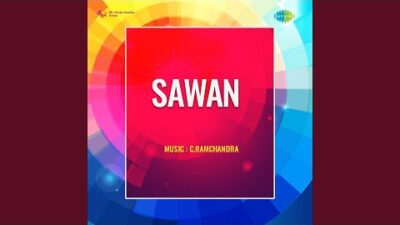
सावन
Sawan
शैलीSocial · Drama
भाषाhindi प्रकारकथा-चित्र (फ़ीचर)
गीत9 — नीचे पूरी संगीत-सूची
कथा-सार
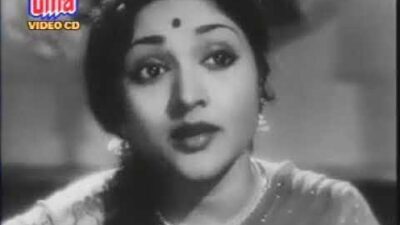
Synopsis'सावन' एक हिंदी 'सोशल' है — 1940 के दशक में यह शब्द उस समकालीन कथानक वाली फ़िल्म के लिए इस्तेमाल होता था जो पौराणिक या ऐतिहासिक न होकर परिवार, पैसे और नैतिक चुनाव के इर्द-गिर्द बुनी जाती थी। इसका निर्माण बंबई की संजीवन आर्ट प्रोडक्शंस ने किया और निर्देशन द्वारका खोसला ने। फ़िल्म ने दो बिलकुल भिन्न तरह के सितारों को साथ लाया: मोतीलाल, उस दशक के सबसे स्वाभाविक अभिनय वाले नायक, जिनका संयत और बातचीत जैसा अंदाज़ आसपास की उद्घोषक शैली से एकदम अलग खड़ा था; और शांता आपटे, प्रभात में तराशी गई गायिका-अभिनेत्री जो 1945 तक उसी स्टूडियो-व्यवस्था से बाहर काम कर रही थीं जिसने उन्हें प्रसिद्ध बनाया था। सुशील साहू, चंद्रप्रभा, क़याम अली और प्रतिमा देवी शेष श्रेय-सूची पूरी करते हैं। इन श्रेयों से आगे 'सावन' की कथा का कोई सारांश आज उपलब्ध किसी संदर्भ-ग्रंथ या अभिलेखागार में सुरक्षित नहीं है — इसलिए यहाँ कोई कहानी गढ़ी नहीं गई है। जो बचा है वह संगीत है। 'हिंदी फ़िल्म गीत कोश' इस फ़िल्म के ग्यारह गीत दर्ज करता है; hindigeetmala.net और myswar.co नौ — सभी सी. रामचंद्र के संगीत में, बोल आई. सी. कपूर के, और माईस्वर के अनुसार लेबल रीगल रिकॉर्ड्स। इनके शीर्षक ही फ़िल्म का भाव-मानचित्र खींच देते हैं: एक रक्षाबंधन-गीत, ऊँची अटरिया से पुकारती एक स्त्री, ग़रीबों पर हँसने वालों को कड़ा उलाहना, और भारत की स्त्रियों को जागने का आह्वान।
अंग्रेज़ी में पढ़ें · Read in English
Sawan is a Hindi 'social' — the 1940s trade term for a contemporary-set drama built around family, money and moral choice rather than myth or costume history — produced by Sanjivan Art Productions of Bombay and directed by Dwarka Khosla. It brought together two very different kinds of star: Motilal, the most naturalistic leading man of the decade, whose underplayed conversational manner set him apart from the declamatory style around him, and Shanta Apte, the Prabhat-trained singing actress who by 1945 was working outside the studio system that had made her famous. Sushil Sahu, Chandraprabha, Kayam Ali and Pratima Devi complete the credited cast. Beyond these credits no plot summary of Sawan survives in any reference work or archive accessible today — the picture left almost no trace in the indexed trade press, and its story is simply not on record, so none is reconstructed here. What does survive is the soundtrack. The Hindi Film Geet Kosh records eleven songs for the film; hindigeetmala.net and myswar.co catalogue nine, all composed by C. Ramchandra to lyrics by I. C. Kapoor, and myswar gives the label as Regal Records. Their titles alone sketch the film's emotional map — a Raksha Bandhan song, a woman calling down from a high terrace, a bitter address to people who laugh at the poor, and a summons to the women of India to wake.
संगीत-सूची
The Soundtrackhindigeetmala.net और myswar.co 'सावन' के नौ गीत दर्ज करते हैं — सभी सी. रामचंद्र के संगीत में, बोल आई. सी. कपूर के; 'हिंदी फ़िल्म गीत कोश' ग्यारह गिनाता है। माईस्वर लेबल रीगल रिकॉर्ड्स बताता है। तीन गीतों के गायक-श्रेय बचे हैं: 'बरखा की रुत है' को 'गीत कोश' सी. रामचंद्र, कुसुम मंत्री और हमीदा बानू तथा कुछ अनाम साथियों के नाम देता है; 'मोरी ऊँची अटरिया पे' अमीरबाई कर्नाटकी का एकल दर्ज है; और 'हँसो ग़रीबों पे' हमीदा बानू तथा ख़ान मस्ताना का युगल। बाक़ी छह के लिए सूचियाँ शीर्षक, संगीतकार और गीतकार तो सुरक्षित रखती हैं, पर आवाज़ नहीं — इसलिए यहाँ अनुमान लगाने के बजाय गायक-क्षेत्र जानबूझकर ख़ाली छोड़े गए हैं। शीर्षक अपने आप में एक ही संगीत-संकलन के लिए असामान्य भाव-विस्तार दिखाते हैं: 'बरखा की रुत है' में रक्षाबंधन, 'नैनों से नैना मिलाओ जी' और 'इतना भी हमसे न शरमाइयेगा' में छेड़छाड़, 'ख़्वाब की दुनिया' में सांत्वना, 'हँसो ग़रीबों पे' में सामाजिक विरोध और 'जागो भारत की रमणी' में स्त्री-जागरण की पुकार।
अंग्रेज़ी में पढ़ें · Read in English
Nine songs are catalogued for Sawan by hindigeetmala.net and myswar.co, all composed by C. Ramchandra to lyrics by I. C. Kapoor; the Hindi Film Geet Kosh lists eleven. MySwar gives the label as Regal Records. Singer credits survive for three songs: 'Barkha Ki Rut Hai' is credited by the Geet Kosh to C. Ramchandra, Kusum Mantri and Hamida Banu with unnamed others, 'Mori Oonchi Atariya Pe' is listed as an Amirbai Karnataki solo, and 'Hanso Garibo Pe' as a duet by Hamida Banu and Khan Mastana. For the remaining six the catalogues preserve title, composer and lyricist but not the voice, and no singer has been attributed here rather than guessed — the fields are left deliberately empty. The titles cover an unusually wide emotional range for a single score: a Raksha Bandhan song in 'Barkha Ki Rut Hai', flirtation in 'Naino Se Naina Milao Ji' and 'Itna Bhi Humse Na Sharmaiyega', consolation in 'Khwaab Ki Duniya', social protest in 'Hanso Garibo Pe' and a reformist address to Indian womanhood in 'Jago Bharat Ki Ramani'.
- मोरी ऊँची अटरिया पे Mori Oonchi Atariya Pe स्वर: Amirbai Karnataki

- हँसो ग़रीबों पे Hanso Garibo Pe स्वर: Hamida Banu, Khan Mastana
- ख़्वाब की दुनिया Khwaab Ki Duniya
- बरखा की रुत है Barkha Ki Rut Hai स्वर: C. Ramchandra, Kusum Mantri, Hamida Banu
- चले आओ सुनाऊँ तुम्हें Chale Aao Sunau Tumhe
- इतना भी हमसे न शरमाइयेगा Itna Bhi Humse Na Sharmaiyega
- जागो भारत की रमणी Jago Bharat Ki Ramani
- मैं चाँद को क्यूँ देखूँ Main Chand Ko Kyun Dekhoon
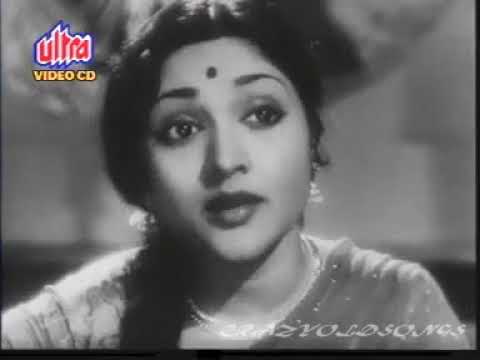
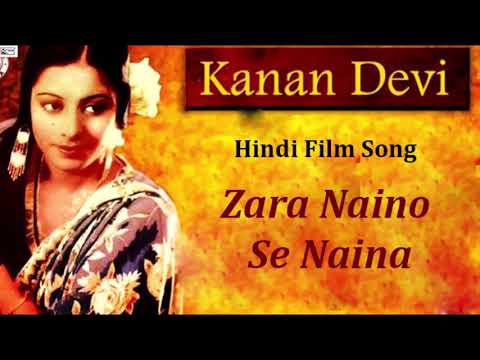
- नैनों से नैना मिलाओ जी Naino Se Naina Milao Ji
पट्टिका-लेख
The Monographपर्दे के पीछे Behind the Scenes
सी. रामचंद्र इस दौर में कम से कम चार पेशेवर नामों से काम करते थे — सी. रामचंद्र, राम चितलकर, अन्नासाहेब, और मराठी फ़िल्मों में गाते-अभिनय करते हुए आर. एन. चितलकर — और 'सावन' के रिकॉर्डों पर श्रेय 'चितलकर रामचंद्र' का है। वे संगीत-निर्देशन तक टेढ़े रास्ते से पहुँचे थे: 1930 के दशक के अंत में मिनर्वा मूवीटोन में छोटी भूमिकाएँ, फिर मिनर्वा के संगीतकारों बुंदू ख़ान और हबीब ख़ान के हारमोनियम-संगतकार, फिर तमिल सिनेमा में संगीत-निर्देशक के रूप में पदार्पण — और उसके बाद मास्टर भगवान ने उन्हें 'सुखी जीवन' सौंपी। 'सावन' के लिए दर्ज आवाज़ें उस दौर की बंबई रिकॉर्डिंग की नियमित आवाज़ें थीं: अमीरबाई कर्नाटकी, जो तब उद्योग की सबसे अधिक रिकॉर्ड होने वाली गायिकाओं में थीं; हमीदा बानू; कुसुम मंत्री; ख़ान मस्ताना, जो गायक के साथ-साथ संगीतकार भी थे; और स्वयं रामचंद्र, जो 'चितलकर' नाम से पार्श्वगायन करते थे। 'गीत कोश' की प्रविष्टि दो ऐसे निर्माण-तथ्य जोड़ती है जो किसी और स्रोत में नहीं मिलते: फ़िल्म संजीवन आर्ट प्रोडक्शंस के लिए माधव काळे ने बनाई, पटकथा अमृतलाल नागर की थी, और यह 23 अप्रैल 1945 को बंबई सेंसर से पास हुई — 10,900 फुट, चौदह रील, यानी दो घंटे से कुछ अधिक की अवधि।
अंग्रेज़ी में पढ़ें · Read in English
C. Ramchandra used at least four professional signatures in this period — C. Ramchandra, Ram Chitalkar, Annasaheb, and R. N. Chitalkar for the Marathi films in which he sang and acted — and the Sawan records are credited to 'Chitalkar Ramchandra'. He had arrived at composition sideways: bit parts at Minerva Movietone in the late 1930s, then work as harmonium accompanist to the Minerva composers Bundu Khan and Habib Khan, then a debut as music director in Tamil cinema before Master Bhagwan handed him Sukhi Jeevan. The voices documented for Sawan were all fixtures of mid-1940s Bombay recording: Amirbai Karnataki, then among the most-recorded female singers in the industry; Hamida Banu; Kusum Mantri; Khan Mastana, who worked as a composer as well as a singer; and Ramchandra himself, who recorded playback as Chitalkar. The Geet Kosh entry adds two production facts that no other source carries: the film was produced by Madhav Kale for Sanjivan Art Productions, its screenplay was written by Amrit Lal Nagar, and it passed the Bombay censor on 23 April 1945 at 10,900 feet over fourteen reels — a running time of just over two hours.
महत्व Significance
'सावन' का महत्व सबसे पहले सी. रामचंद्र के निर्माण-काल के दस्तावेज़ के रूप में है। 1945 में वे मास्टर भगवान की 'सुखी जीवन' (1942) से मिली पहचान के तीन साल आगे थे और 'शहनाई' (1947) से दो साल पीछे — वही फ़िल्मिस्तान की फ़िल्म जो अपने वर्ष की पाँचवीं सबसे अधिक कमाई करने वाली भारतीय फ़िल्म बनी। उस समय तक वे कई नामों से काम पर हस्ताक्षर कर रहे थे, और hindigeetmala.net इस फ़िल्म के संगीतकार को 'चितलकर रामचंद्र' दर्ज करता है, न कि उस 'सी. रामचंद्र' के नाम से जो 'गीत कोश' और माईस्वर देते हैं और जिससे वे आज याद किए जाते हैं। यह फ़िल्म शांता आपटे की उन गिनी-चुनी हिंदी फ़िल्मों में से भी एक है जो उन्होंने प्रभात के दौर के बाद, 1940 के दशक के मध्य में कीं — वह दौर जब उद्योग की सबसे स्वतंत्रचेता अभिनेत्री अनुबंध के बजाय एक-एक फ़िल्म चुनकर काम कर रही थीं। यह गीतकार आई. सी. कपूर की सूची में भी एक आरंभिक श्रेय जोड़ती है, जिनका बेहतर दर्ज काम बाद में और अधिकतर संगीतकार पंडित गोविंदराम के साथ आया। अंत में, इसकी गीत-सूची 1945 के एक ही संगीत-संकलन के लिए असामान्य रूप से विस्तृत है — प्रेम, सांत्वना, एक रक्षाबंधन-गीत, सामाजिक आक्रोश और स्त्रियों को संबोधित सुधारवादी पुकार।
अंग्रेज़ी में पढ़ें · Read in English
Sawan matters chiefly as a document of C. Ramchandra's formative years. In 1945 he was three years past the breakthrough Master Bhagwan had given him with Sukhi Jeevan (1942) and still two years short of Shehnai (1947), the Filmistan production that became the fifth highest-grossing Indian film of its year; he was also still signing his work under several identities, and hindigeetmala.net catalogues this film's composer as 'Chitalkar Ramchandra' rather than the 'C. Ramchandra' used by the Geet Kosh and myswar and by which he is remembered. The film is likewise one of the small handful of Hindi pictures Shanta Apte made in the mid-1940s after her Prabhat years, a period in which the industry's most famously independent-minded female star chose her work film by film rather than under contract. It also adds an early credit to the filmography of the lyricist I. C. Kapoor, whose better-documented work came later and largely alongside the composer Pandit Govindram. Finally, its song list is unusually broad for one 1945 score — romance, consolation, a Raksha Bandhan song, social anger and a reformist address to women — which is itself a useful sample of what a mid-1940s Bombay 'social' was expected to contain.
विरासत Legacy
आज 'सावन' एक फ़िल्म से अधिक एक सूची-प्रविष्टि है। न इसका कोई प्रिंट सुलभ है, न कथा-सारांश; इसके गीत उन स्ट्रीमिंग और वीडियो मंचों पर भी नहीं हैं जिन्होंने 1940 के दशक का बहुत-सा संगीत फिर से जीवित कर दिया — यह मुख्यतः 'हिंदी फ़िल्म गीत कोश' से निकली उन गीत-सूचियों में बचा है जिन्हें विशेषज्ञ डेटाबेस सँभाले हुए हैं। इसका मूल्य अब दो कलाकारों की यात्रा में एक निश्चित बिंदु के रूप में है: यह सी. रामचंद्र को 1945 की बंबई में दर्ज करता है, उस फ़िल्मिस्तान-वृत्त से बाहर जो जल्द ही उन्हें अपने में समेट लेगा; और यह शांता आपटे को 'दुनिया न माने' के लगभग एक दशक बाद भी हिंदी परदे पर दर्ज करता है। उस दौर के व्यापक इतिहास के लिए यह एक याद दिलाने वाली मिसाल है कि 1940 के दशक का कितना हिंदी सिनेमा आज केवल अपने ग्रामोफ़ोन रिकॉर्डों के ज़रिये जाना जाता है — फ़िल्म ग़ायब, गीतों के शीर्षक सुरक्षित।
अंग्रेज़ी में पढ़ें · Read in English
Sawan today is a catalogue entry rather than a film. No print or plot summary is accessible, its songs are absent from the streaming and video platforms that have revived so much other 1940s music, and it survives chiefly in the Hindi Film Geet Kosh-derived song listings that specialist databases maintain. Its value now is as a fixed point in two careers: it places C. Ramchandra in Bombay in 1945, still working outside the Filmistan orbit that would soon absorb him, and it records Shanta Apte still on Hindi screens nearly a decade after Duniya Na Mane. For the wider history of the period it is a useful reminder of how much of 1940s Hindi cinema is now known only through its gramophone records — the film gone, the song titles preserved.
अन्य विवरण
More Details- https://en.wikipedia.org/wiki/List_of_Hindi_films_of_1945
- https://www.hindigeetmala.net/movie/sawan_1945.htm
- https://myswar.co/album/sawan-1945
- https://indiancine.ma/EGA/info
- https://en.wikipedia.org/wiki/C._Ramchandra
- https://en.wikipedia.org/wiki/Shanta_Apte
- https://hamraaz.org/filmssite/public/film.php?id=1347
- https://en.wikipedia.org/wiki/Shehnai_(1947_film)
References
नमूना-पट्टी
The Specimen Table| शीर्षक | सावन · Sawan |
|---|---|
| वर्ष · युग | 1945 — Pre Independence |
| निर्देशक | द्वारका खोसला · Dwarka Khosla |
| संगीत-निर्देशक | सी. रामचंद्र · C. Ramchandra |
| गीतकार | आई. सी. कपूर · I. C. Kapoor |
| कलाकार-मंडली | मोतीलाल · Motilal · शांता आपटे · Shanta Apte · सुशील साहू · Sushil Sahu · चंद्रप्रभा · Chandraprabha · क़याम अली · Kayam Ali · प्रतिमा देवी · Pratima Devi · लीला पांडे · Leela Pande |
| निर्माता | Madhav Kale |
| निर्माण-गृह | Sanjivan Art Productions, Bombay |
| शैली | Social · Drama |
| भाषा | hindi |
| प्रकार | कथा-चित्र (फ़ीचर) |
| गीत | 9 गीत — ऊपर पूरी संगीत-सूची |
जुड़े हुए पन्ने
Connected Plates · The Graph Made Visibleअटलस में कोई पन्ना अकेला नहीं — 'सावन' से उसके गीत, कलाकार, राग और युग, सब जुड़े हैं।
इस फ़िल्म के गीत · Songs of this Film
कलाकार · Cast & Crew
युग · The Era
साझा कीजिए · Share this Plate