गीत विंग · गीत-पट्टिका · Song Plate
हसरतें खामोश हैं
Hasratein Khamosh Hain
इस ग़ज़ल में सहगल ऐसी हसरत गाते हैं जो इतनी गहरी हो चुकी है कि खामोश हो गई है — और वह खामोशी किसी भी चीख़ से ज़्यादा बुलंद है।
भावअविस्मरणीय · उदास · पुरानी यादें · दार्शनिक
भाषाUrdu · Hindi गतिधीमी स्वरूपएकल पुरुष
श्रेय
The Creditsबोल · The Lyrics
पूरे बोल · Full Lyrics
दिल तड़प-तड़प के आखिर दर्द में थकान है
जो न हो सका वो हसरत बन के रह गया हमेशा
रात भी गुज़र गई और दिल का दर्द जवान है
Dil tadap tadap ke aakhir dard mein thakaan hai
Jo na ho saka wo hasrat ban ke rah gaya hamesha
Raat bhi guzar gayi aur dil ka dard jawaan hai
The heart, having throbbed so long, is finally weary with pain
What could not be fulfilled has forever remained as longing
The night too has passed, and yet the heart's ache stays ever young
शब्दकोश
Word Meaningsसूत्र-वाक्य · The Hook
सूत्र-वाक्य
इस ग़ज़ल में सहगल ऐसी हसरत गाते हैं जो इतनी गहरी हो चुकी है कि खामोश हो गई है — और वह खामोशी किसी भी चीख़ से ज़्यादा बुलंद है।
In EnglishIn this ghazal, Saigal sings of longing so deep it has learned to stay silent — and that silence is louder than any cry.
पट्टिका-लेख
The Monographपरिचय Overview
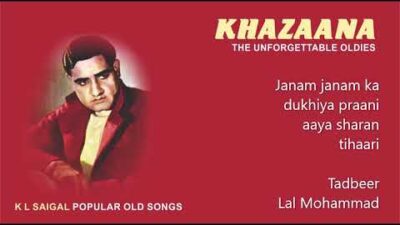
तदबीर (1945, निर्देशक जयंत देसाई) के लिए लाल मोहम्मद की धुन पर स्वामी रामानंद सरस्वती की उर्दू शायरी को कुंदन लाल सहगल की आवाज़ ने जो रूप दिया, वह 'हसरतें खामोश हैं' को सहगल युग का एक अंतिम महाकाव्य बना देता है। HMV पर प्रकाशित इस ग़ज़ल में भीमपलासी के रंग हैं — एक ऐसे दिल की कहानी जो इतने लम्बे अर्से से दर्द में है कि अब उसकी आहें भी बेअसर हो चुकी हैं। सहगल का अनोखा कंपन और हारमोनियम-सारंगी-तबले की अंतरंग बनावट इस धीमे विलाप को एक ऐसी अमरता देती है जो 1940 के दशक की किसी भी रिकॉर्डिंग से अलग है।
अंग्रेज़ी में पढ़ें · Read in English
Hasratein Khamosh Hain (Longings Have Fallen Silent), composed by Lal Mohammad to Swami Ramanand Saraswati's Urdu verse and sung by K.L. Saigal for the 1945 social drama Tadbeer (directed by Jayant Desai), stands as one of the final masterpieces of the Saigal era. Released on HMV, the ghazal navigates the Bhimpalasi-tinged emotional terrain of a heart too long acquainted with sorrow — where even sighs have grown powerless. Saigal's matchless tremolo and the intimate Bombay studio arrangement of harmonium, sarangi and tabla give this slow lament an intimacy that few 1940s recordings can equal.
संगीत The Music
लाल मोहम्मद ने इस ग़ज़ल के लिए एक सादी, अंतरंग बनावट बनाई। हारमोनियम एक आहभरी तानी बिछाता है, सारंगी सहगल की आवाज़ की हर लहर पर अपना दर्द थपकाती है, और तबला केहरवे की इतनी हल्की नब्ज़ देता है जैसे थकान के कगार पर एक धड़कन हो। राग भीमपलासी के कोमल गंधार और मध्यम की ओर खिंचाव में दोपहर की उदासी है। सहगल की गायकी — तब उनका स्वास्थ्य ढल रहा था — इस दर्द को विरोधाभासी तौर पर और गहरा बना देती है। हर थमे हुए स्वर में जो कंपन है, वह केवल तकनीक नहीं, असली भाव है।
अंग्रेज़ी में पढ़ें · Read in English
Lal Mohammad constructed a spare, intimate arrangement befitting the ghazal's introspective mood. The harmonium provides a sighing tonal bed, the sarangi shadows Saigal's vocal contours with characteristic pathos, and the tabla keeps the lightest possible Keherwa pulse — barely there, like a heartbeat on the verge of exhaustion. The melody draws on Bhimpalasi's afternoon sadness: the komal gandhar (flat third) and the pull of the madhyam give the phrase a downward emotional gravity. Saigal's rendering is a masterclass in controlled tremor — his voice, showing the effects of advancing ill-health, paradoxically gains a more lived-in poignance. Every held note quivers with genuine feeling, not technique alone.
काव्य The Poetry
स्वामी रामानंद सरस्वती ने 'खामोश हसरतें' का विरोधाभास अद्भुत किफ़ायत से रखा है। आमतौर पर तमन्ना चिल्लाती है — यहाँ वह इतनी थक गई है कि चुप हो गई है। दूसरा बिम्ब 'आह बेतासीर' — एक ऐसी आह जिसका कोई असर नहीं — दर्द की भाषा को भी बेकार बता देता है। शेर एक उलटे निष्कर्ष पर बंद होता है: रात गुज़र जाती है, पर दर्द 'जवान' रहता है। वक्त आगे बढ़ता है, तकलीफ़ नहीं बूढ़ी होती। यह उर्दू शायरी की वह गहरी फ़लसफ़ा है जो ग़ज़ल के ढाँचे में एक आधुनिक थकान को उकेरती है।
अंग्रेज़ी में पढ़ें · Read in English
Swami Ramanand Saraswati deploys the ghazal's central conceit with devastating economy: the paradox of 'khamosh hasratein' (silent longings). Normally desire shouts; here it has exhausted itself into silence. The second image — 'aah betaasir' (a sigh without effect) — pushes the paradox further: even the language of grief has lost its power. The verse circle closes with a final inversion: the night passes but the dard (pain) stays 'jawaan' (young). Time moves; suffering does not age. This is Urdu poetry at its most philosophical — a very modern existential fatigue expressed in classical ghazal form.
कहानी The Story
1945 तक कुंदन लाल सहगल अपने अंतिम रचनात्मक दौर में थे। जयंत देसाई निर्देशित 'तदबीर' में उभरती सुरैया ने भी काम किया — जिन्हें सहगल ने स्वयं सुझाया था। लाल मोहम्मद ने वैसा स्कोर बनाया जो सहगल की ताकत — धीमी, विचारशील ग़ज़लें — को उभारे। जनवरी 1947 में सहगल का निधन हुआ, 'तदबीर' के रिलीज़ के दो साल बाद। इसलिए ये रिकॉर्डिंग्स उस आवाज़ की अंतिम धरोहर हैं जिसने पूरी पीढ़ी के गायकों को आकार दिया।
अंग्रेज़ी में पढ़ें · Read in English
By 1945 K.L. Saigal — the undisputed emperor of Hindi film music since the early 1930s — was in his final creative chapter. Tadbeer, directed by Jayant Desai and co-starring the rising Suraiya (whom Saigal himself had reportedly championed for the role), was among his last major films. Lal Mohammad composed a score that played to Saigal's strengths: slow, ruminative ghazals. Studio accounts describe Saigal recording late sessions, yet the results show no diminishment of interpretive genius. Saigal died in January 1947 — barely two years after Tadbeer's release — making these recordings among the last testaments of a voice that shaped an entire generation.
विरासत The Legacy
'हसरतें खामोश हैं' सहगल-प्रेमियों और उर्दू ग़ज़ल के मुरीदों के लिए एक कसौटी बनी हुई है। मोहम्मद रफ़ी और जगजीत सिंह ने इसे संयम से भावना को गहरा करने का उदाहरण माना है। संगीत इतिहासकार इसे इस बात का प्रमाण मानते हैं कि स्वास्थ्य की ढलान पर भी सहगल की व्याख्या-प्रतिभा बेमिसाल रही। एस.डी. बर्मन से मदन मोहन तक — पूरी पीढ़ी के संगीतकारों ने सहगल की ग़ज़ल-शैली को अपनी नींव बताया।
अंग्रेज़ी में पढ़ें · Read in English
Hasratein Khamosh Hain endures as a touchstone for Saigal devotees and Urdu ghazal lovers alike. It has been cited by Mohammed Rafi (who revered Saigal as his idol) and Jagjit Singh as exemplary of how restraint amplifies emotion. The song appears on virtually every curated Saigal retrospective, and music historians point to it as evidence that even in his health-compromised final years, Saigal's interpretive genius remained intact. His ghazal style became the foundational influence for composers from S.D. Burman to Madan Mohan.
वर्गीकरण
Classification- Tempo
- Slow
Genre
अन्य विवरण
More Details- Songs of Yore – Best songs of 1945 (songsofyore.com)
- Hindigeetmala.net – Tadbir (1945) song listing
- Wikipedia – K. L. Saigal
- Atul's Song A Day – Tadbeer context
References
रोचक तथ्य
Margin Notesतदबीर (1945) उस वर्ष की शीर्ष पांच सबसे अधिक कमाई करने वाली भारतीय फ़िल्मों में से एक थी, भले ही सहगल अपने व्यावसायिक चरम को पार कर चुके थे।
अंग्रेज़ी में पढ़ें · Read in English
Tadbeer (1945) was one of the year's top five grossing Indian films, despite Saigal being past his commercial peak.
कहा जाता है कि सहगल पारंपरिक ढंग से कभी रिहर्सल नहीं करते थे — वे संगीतकार की धुन एक बार सुनते और फिर उसे इस तरह गाते जैसे वह उन्हें पहले से ही याद हो।
अंग्रेज़ी में पढ़ें · Read in English
Saigal reportedly never rehearsed in the conventional way — he would simply listen to the composer's tune once, then sing it as if he had always known it.
सुरैया ने तदबीर में सह-अभिनय इसलिए भी किया क्योंकि सहगल ने व्यक्तिगत रूप से उनके चयन की सिफ़ारिश की थी, जिसने 1940 के दशक की सबसे महत्वपूर्ण गायिका-अभिनेत्री करियर में से एक को आकार दिया।
अंग्रेज़ी में पढ़ें · Read in English
Suraiya co-starred in Tadbeer partly because Saigal had personally advocated for her casting, shaping one of the 1940s most important singing-actress careers.
के.एल. सहगल का निधन 18 जनवरी 1947 को लगभग 42 वर्ष की आयु में हुआ, वे लगभग 185 रिकॉर्ड किए गए गीत छोड़ गए जिन्होंने एक पूरी पीढ़ी को परिभाषित किया।
अंग्रेज़ी में पढ़ें · Read in English
K.L. Saigal died on 18 January 1947, aged approximately 42, leaving roughly 185 recorded songs that defined an entire generation.
संगीत निर्देशक लाल मोहम्मद हिंदी फ़िल्म इतिहास में अपेक्षाकृत अल्पज्ञात व्यक्तित्व हैं; तदबीर उनकी सबसे याद की जाने वाली संगीत-रचना बनी हुई है।
अंग्रेज़ी में पढ़ें · Read in English
Music director Lal Mohammad is a relatively obscure figure in Hindi film history; Tadbeer remains his most remembered score.
नमूना-पट्टी
The Specimen Table| शीर्षक | हसरतें खामोश हैं · Hasratein Khamosh Hain |
|---|---|
| वर्ष · युग | 1945 — Pre-Independence (1931-1947) |
| गायक | K.L. Saigal |
| गीतकार | Swami Ramanand Saraswati |
| संगीतकार | लाल मोहम्मद |
| स्वरूप | एकल पुरुष |
| गति | धीमी |
| अवधि | 3:45 |
| भाषा | Urdu · Hindi |
| वाद्य | harmonium · sarangi · tabla |
| भाव | अविस्मरणीय · उदास · पुरानी यादें · दार्शनिक |
| लोकप्रियता | Very_popular |
| बोल-स्थिति | कॉपीराइट समाप्त |
जुड़े हुए पन्ने
Connected Plates · The Graph Made Visibleअटलस में कोई पन्ना अकेला नहीं — इस गीत से जुड़े गीत, कलाकार, फ़िल्म, राग-ताल-विधा, सब यहाँ से खुलते हैं।
मिलते-जुलते गीत · Related Songs
कलाकार · The Artists
साझा कीजिए · Share this Plate
यह पन्ना आगे बढ़ाइए
जब सहगल थकी हुई हसरत गाते थे, तो लगता था यह अभिनय नहीं, आत्मकथा है।
When Saigal sang about exhausted longing, you felt it was autobiography, not performance.
— S.K. Bose, Radio Ceylon review, 1946 (attributed)
सवाल-जवाब
Questions & Answersहसरतें खामोश हैं किसने गाया? · Who sang Hasratein Khamosh Hain?
यह ग़ज़ल 1945 की हिंदी फ़िल्म तदबीर के लिए कुंदन लाल सहगल ने गाई। संगीत लाल मोहम्मद का, बोल स्वामी रामानंद सरस्वती के।
K.L. Saigal sang this ghazal for the 1945 Hindi film Tadbeer. Music was by Lal Mohammad and lyrics by Swami Ramanand Saraswati.
हसरतें खामोश हैं किस राग पर आधारित है? · What raag is Hasratein Khamosh Hain based on?
संगीत विद्वान इस ग़ज़ल में राग भीमपलासी की झलक सुनते हैं — जिसका कोमल गंधार और दोपहर की उदासी सहगल की आवाज़ के साथ बिल्कुल मेल खाती है।
Music scholars hear elements of Raag Bhimpalasi in this ghazal — its flat third (komal gandhar) and afternoon melancholy suit Saigal's voice perfectly.
क्या तदबीर सहगल की आखिरी फ़िल्मों में से एक थी? · Was Tadbeer one of Saigal's last films?
हाँ। सहगल का जनवरी 1947 में निधन हुआ और तदबीर उनकी आखिरी प्रमुख फ़िल्मों में से एक थी।
Yes. Saigal died in January 1947, and Tadbeer (1945) was among his final major films. He made only a few more after this.
तदबीर 1945 के संगीत निर्देशक कौन थे? · Who was the music director of Tadbeer 1945?
तदबीर (1945) का संगीत लाल मोहम्मद ने दिया था। फ़िल्म के निर्देशक जयंत देसाई थे।
Lal Mohammad composed the music for Tadbeer (1945), with Jayant Desai directing the film.