गीत विंग · गीत-पट्टिका · Song Plate
हाय रे दुनिया
Haaye Re Duniya
रफ़ी किंवदंती बनने से पहले यही उनकी आवाज़ थी — युवा, खोजती हुई, और पहले से ही दिल तोड़ने में सक्षम।
भावउदास · दार्शनिक · विद्रोही
भाषाUrdu · Hindi गतिमध्यम स्वरूपएकल पुरुष
श्रेय
The Creditsशब्दकोश
Word Meaningsसूत्र-वाक्य · The Hook
सूत्र-वाक्य
रफ़ी किंवदंती बनने से पहले यही उनकी आवाज़ थी — युवा, खोजती हुई, और पहले से ही दिल तोड़ने में सक्षम।
In EnglishBefore Rafi became a legend, this was his voice — young, searching, and already capable of breaking your heart.
पट्टिका-लेख
The Monographपरिचय Overview
"हाय रे दुनिया" — ज़ीनत (1945) का यह गीत हिंदी फ़िल्म संगीत के इतिहास में एक ख़ास जगह रखता है: यह मोहम्मद रफ़ी की किसी हिंदी फ़िल्म में सबसे प्रारंभिक रिकॉर्डिंग में से एक है। मीर साहेब और हाफ़िज़ ख़ान के संगीत और माहिर उल क़ादरी की शायरी पर बनी यह रचना दुनिया की बेईमानी पर व्यंग्यात्मक विलाप है — 'झूठों का दरबार है दुनिया।' रफ़ी उस समय बीस साल के भी नहीं थे और बॉम्बे में नए-नए आए थे। उनकी आवाज़ में वह संयमित, थोड़ी नासिका-युक्त गुण है जो अगले एक दशक में उनकी दिव्य मखमली आवाज़ में ढल जाएगी।
अंग्रेज़ी में पढ़ें · Read in English
"Haaye Re Duniya" from Zeenat (1945) occupies a unique place in the history of Hindi film music: it is one of the earliest surviving recordings of Mohammed Rafi in a Hindi film. Composed by Mir Saheb and Hafiz Khan and penned by Mahir Ul Qadri, the song is a satirical lament on the world's falseness — 'the world is a court of liars.' Rafi, then barely twenty years old and newly arrived in Bombay, gives the composition a restrained, slightly nasal quality that would evolve into his legendary smoothness over the following decade. Its historical significance lies less in its musical sophistication than in what it represents: the first flickers of one of the twentieth century's greatest voices.
संगीत The Music
संगीत-संयोजन 1940s बॉम्बे रिकॉर्डिंग की सादी शैली में है — हारमोनियम, तबला, और आवाज़ जो सारा बोझ उठाती है। रचना सीधी है — एक दार्शनिक मुखड़े वाला मध्यम-गति का गीत। ऐतिहासिक रूप से दिलचस्प यह है कि युवा रफ़ी यहाँ अपने परिपक्व अवतार से हल्के और अधिक संयमित लगते हैं। लाहौर की शास्त्रीय प्रशिक्षण की छाप स्पष्ट है। फिर भी उनकी विशेषता — वह कोमल नरमी — इस शुरुआती रिकॉर्डिंग में भी सुनाई देती है।
अंग्रेज़ी में पढ़ें · Read in English
The arrangement follows the spare conventions of 1940s Bombay studio recording: harmonium melody, tabla rhythm, with the voice carrying the full weight of expression. The composition is straightforward — a medium-tempo declarative song with a philosophical mukhda and antare that elaborate the central grievance. What is interesting historically is the vocal texture: the young Rafi here sounds lighter and more restrained than his mature self, closer to the classical-influenced singing style of his Lahore training than to the full-throated expressivity he would develop under composers like Naushad and S.D. Burman. Even in this early recording, the characteristic gentleness of Rafi's tone is audible.
काव्य The Poetry
माहिर उल क़ादरी के बोल 1940s के हिंदी फ़िल्म गीत में कम सुनाई देने वाला व्यंग्यात्मक स्वर लिए हुए हैं। 'हाय रे दुनिया, कितनी दिलदार है दुनिया' — यह उर्दू काव्य-परंपरा का तआरुफ़ी व्यंग्य है: तारीफ़ करके निंदा। 'दिलदार' को विडंबना में उलट दिया गया है। शिकायत की यह उर्दू परंपरा इस गीत को रोमांटिक मुख्यधारा से अलग करती है।
अंग्रेज़ी में पढ़ें · Read in English
Mahir Ul Qadri's lyrics strike a sardonic note rarely heard in 1940s Hindi film song, where romance and pathos dominated. The opening — 'Haaye re duniya, the world is so heartwarming! (Liar's court, the world is)' — uses the classical device of bitter irony: praising in order to condemn. 'Diladaar' (heartwarming, generous) is used sardonically, turned against itself. This vein of social satire, channeled through the Urdu poetic tradition of shikayat (complaint), gives the song a texture quite different from the romantic norm.
कहानी The Story
मोहम्मद रफ़ी लगभग 1944 में लाहौर से बॉम्बे आए थे, अपने साथ पंजाबी गायक शयाम सुंदर की सिफ़ारिश लेकर, जिन्होंने उन्हें गाँव की गोरी (1945) में पहला हिंदी फ़िल्मी अवसर दिया। ज़ीनत उन शुरुआती बॉम्बे फ़िल्मों में से एक थी जिसमें रफ़ी ने गाया। फ़िल्म के निर्देशक शौकत हुसैन रिज़वी मीर साहेब और हाफ़िज़ ख़ान के साथ वह साउंडट्रैक बना रहे थे जो 1945 की सबसे बड़ी व्यावसायिक सफलता बनेगी — और रफ़ी, जो उस समय मुख्यतः लाहौर के संगीत जगत में जाने जाते थे, उस विजय में एक अप्रत्याशित भागीदार थे।
अंग्रेज़ी में पढ़ें · Read in English
Mohammed Rafi had arrived in Bombay from Lahore around 1944, armed with a recommendation from the Punjabi singer Shyam Sunder who had already given him his first Hindi film opportunity in Gaon Ki Gori (1945). Zeenat was one of the earliest Bombay productions in which Rafi sang, and "Haaye Re Duniya" was a minor but historically documented track from its soundtrack. The film's director Shaukat Hussain Rizvi, working with music duo Mir Saheb and Hafiz Khan, was building the soundtrack that would become 1945's biggest commercial success — and Rafi, then known mainly in Lahore music circles, was an unexpected participant in that triumph.
विरासत The Legacy
"हाय रे दुनिया" आज मुख्यतः एक ऐतिहासिक दस्तावेज़ के रूप में मूल्यवान है — मोहम्मद रफ़ी की हिंदी फ़िल्मी शुरुआत का प्रमाण। आने वाले तीन दशकों में रफ़ी ने 26,000 से अधिक गाने रिकॉर्ड किए और भारतीय संगीत के इतिहास में सबसे सम्मानित आवाज़ों में से एक बने। यह ज़ीनत का शुरुआती गीत उस यात्रा के बिल्कुल आरंभ में उन्हें पकड़ता है — कच्चे, युवा, पर पहले से ही प्रतिभाशाली।
अंग्रेज़ी में पढ़ें · Read in English
"Haaye Re Duniya" is valued today primarily as a historical document — evidence of Mohammed Rafi's earliest Hindi film recordings. Over the following three decades, Rafi would record more than 26,000 songs and become one of the most celebrated voices in the history of Indian music. This early Zeenat track captures him at the very beginning of that journey: raw, young, already gifted. The song is preserved in Saregama's archive.
वर्गीकरण
Classification- Tempo
- Medium
Genre
अन्य विवरण
More Details- Wikipedia: Mohammed Rafi, https://en.wikipedia.org/wiki/Mohammed_Rafi
- Wikipedia: Zeenat (1945 film), https://en.wikipedia.org/wiki/Zeenat_(1945_film)
- HindiGeetMala: Zeenat (1945) songs, https://www.hindigeetmala.net/movie/zeenat.htm
- Songs of Yore: Best songs of 1945, https://www.songsofyore.com/best-songs-of-1945-and-the-winners-are/
References
रोचक तथ्य
Margin Notesयह मोहम्मद रफ़ी की हिंदी फ़िल्म में सबसे शुरुआती रिकॉर्डिंग में से एक है, जो उन्होंने लगभग 20 वर्ष की आयु में गाई थी।
अंग्रेज़ी में पढ़ें · Read in English
This is one of Mohammed Rafi's earliest recordings in a Hindi film, made when he was approximately 20 years old.
रफ़ी ने इससे पहले एक पंजाबी फ़िल्म (गुल बलोच, 1944) से शुरुआत की थी, जिससे ज़ीनत और गांव की गोरी उनके हिंदी फ़िल्म संगीत में प्रवेश के प्रारंभिक बिंदु बने।
अंग्रेज़ी में पढ़ें · Read in English
Rafi had previously debuted in a Punjabi film (Gul Baloch, 1944), making Zeenat and Gaon Ki Gori his entry points into Hindi film music.
इस रचना का श्रेय संयुक्त रूप से मीर साहब और हाफ़िज़ ख़ान को दिया जाता है, जो 1940 के दशक के बंबई सिनेमा की अपेक्षाकृत अल्पज्ञात संगीतकार-जोड़ियों में से एक थे।
अंग्रेज़ी में पढ़ें · Read in English
The composition is credited jointly to Mir Saheb and Hafiz Khan, one of the more obscure composing duos of 1940s Bombay cinema.
गीत की व्यंग्यात्मक सामाजिक टिप्पणी 1940 के दशक के हिंदी फ़िल्म संगीत के लिए असामान्य थी, जो मुख्यतः रोमांटिक विषयों पर केंद्रित होता था।
अंग्रेज़ी में पढ़ें · Read in English
The song's satirical social commentary was unusual for 1940s Hindi film music, which was predominantly romantic.
मोहम्मद रफ़ी ने आगे चलकर कई कालजयी फ़िल्मों के शीर्षक गीत रिकॉर्ड किए, लेकिन उनकी यह प्रारंभिक अल्पज्ञात रचना संग्रहकर्ताओं के लिए एक बेशकीमती वस्तु बनी हुई है।
अंग्रेज़ी में पढ़ें · Read in English
Mohammed Rafi would go on to record the title songs of many legendary films but this early obscure track remains a treasured collectors' item.
नमूना-पट्टी
The Specimen Table| शीर्षक | हाय रे दुनिया · Haaye Re Duniya |
|---|---|
| फ़िल्म | ज़ीनत · 1945 |
| वर्ष · युग | 1945 — Pre-Independence (1931–1947) |
| गायक | Mohammed Rafi |
| संगीतकार | Mir Saheb, हाफ़िज़ ख़ान |
| स्वरूप | एकल पुरुष |
| गति | मध्यम |
| भाषा | Urdu · Hindi |
| वाद्य | harmonium · tabla |
| भाव | उदास · दार्शनिक · विद्रोही |
| लोकप्रियता | Known |
| बोल-स्थिति | केवल झलक |
जुड़े हुए पन्ने
Connected Plates · The Graph Made Visibleअटलस में कोई पन्ना अकेला नहीं — इस गीत से जुड़े गीत, कलाकार, फ़िल्म, राग-ताल-विधा, सब यहाँ से खुलते हैं।
मिलते-जुलते गीत · Related Songs
कलाकार · The Artists
फ़िल्म · The Film
साझा कीजिए · Share this Plate
यह पन्ना आगे बढ़ाइए
हर महान आवाज़ की एक शुरुआत होती है — और यह मामूली व्यंग्य-गीत वह जगह है जहाँ एक पीढ़ी की आवाज़ ने पहली बार फ़िल्म में क़दम रखा।
Every legend has a beginning — and this modest satirical song is where the voice of a generation first found a film.
— On Mohammed Rafi's early recordings
सवाल-जवाब
Questions & Answersक्या यह मोहम्मद रफ़ी का पहला हिंदी फ़िल्मी गीत था? · Was this Mohammed Rafi's first Hindi film song?
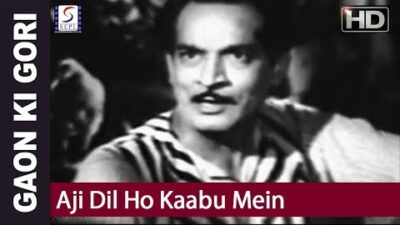
रफ़ी का पहला हिंदी फ़िल्मी गीत आमतौर पर गाँव की गोरी (1945) का 'अजी दिल हो क़ाबू में' माना जाता है। ज़ीनत का 'हाय रे दुनिया' उसी दौर में रिकॉर्ड हुआ और उनकी प्रारंभिक हिंदी रिकॉर्डिंग में से एक है।
Rafi's first recorded Hindi film song is generally considered to be 'Aji Dil Ho Kaaboo Mein' from Gaon Ki Gori (1945). 'Haaye Re Duniya' from Zeenat was recorded around the same time and is among his earliest Hindi film recordings.
मोहम्मद रफ़ी ने कुल कितने गाने रिकॉर्ड किए? · How many songs did Mohammed Rafi eventually record?
रफ़ी ने अपने करियर (1944–1980) में हिंदी, उर्दू, पंजाबी, तेलुगु, तमिल और अन्य भाषाओं में 26,000 से अधिक गाने रिकॉर्ड किए, जो उन्हें इतिहास के सबसे विपुल रिकॉर्डिंग कलाकारों में से एक बनाता है।
Rafi recorded over 26,000 songs across his career (1944–1980) in Hindi, Urdu, Punjabi, Telugu, Tamil, and other languages, making him one of the most prolific recording artists in history.
जुड़ी हुई दुनिया
Explore ConnectionsRelated Songs · संबंधित गीत
Connected · जुड़े हुए
 ज़ीनत1945
 वाद्य · InstrumentsHarmonium
 वाद्य · InstrumentsTabla
 लेबल · Labelsएचएमवी (हिज़ मास्टर्स वॉइस)ममीर साहबMir Sahebसंगीतकार · गायक
 राग · RaagsBhairavi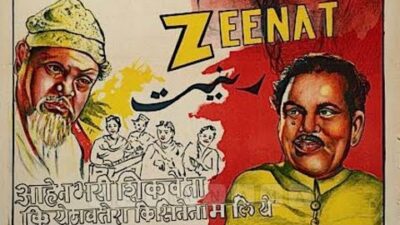
आहें न भरीं शिकवे न किए
Aahen Na Bhari Shikwe Na Kiye
अजी दिल हो क़ाबू में तो दिलदार की ऐसी तैसी
Aji Dil Ho Kaabu Mein To Dildar Ki Aisi Taisi