गीत विंग · गीत-पट्टिका · Song Plate
ए मालिक तेरे बंदे हम
Ae Malik Tere Bande Hum
बारह हत्यारों की प्रार्थना से जन्मा यह गीत अब लाखों बच्चों की सुबह में बसा है — यही है वह गाना जिसने एक राष्ट्र को रास्ता दिखाया।
भावभक्ति · प्रेरणादायक · शांत · आध्यात्मिक
भाषाHindi · Sanskrit traces गतिधीमी स्वरूपसमूह गान
श्रेय
The Creditsबोल · The Lyrics
बोल — झलक · Lyrics Preview
ऐसे हों हमारे करम
Aise hon hamare karam
कॉपीराइट के कारण केवल झलक — पूरे बोल आधिकारिक मंचों पर।
शब्दकोश
Word Meaningsसूत्र-वाक्य · The Hook
सूत्र-वाक्य
बारह हत्यारों की प्रार्थना से जन्मा यह गीत अब लाखों बच्चों की सुबह में बसा है — यही है वह गाना जिसने एक राष्ट्र को रास्ता दिखाया।
In EnglishSung in a film about twelve murderers learning to pray — and now sung by millions of schoolchildren every morning: this is the song that reformed a nation.
पट्टिका-लेख
The Monographपरिचय Overview
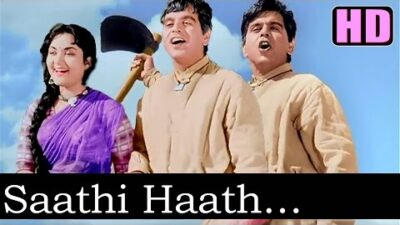
वी. शांताराम की 'दो आँखें बारह हाथ' (1957) एक जेलर की कहानी थी जो बारह क़ैदियों को खुले खेत में ले जाकर ईमानदार काम और भरोसे से सुधारता है। 'ए मालिक तेरे बंदे हम' — भरत व्यास की गहरी सरल प्रार्थना पर वसंत देसाई की रचना — इस फ़िल्म की नैतिक आत्मा बन गई और धीरे-धीरे पूरे भारत में एक अनौपचारिक राष्ट्रगीत: स्कूल-सभाओं में, स्वतंत्रता दिवस पर, प्रभात-फेरियों में। लता मंगेशकर की आवाज़ प्रार्थना को स्वर्गीय बनाती है; पुरुष-कोरस उसे धरती से जोड़ता है।
अंग्रेज़ी में पढ़ें · Read in English
V. Shantaram's Do Ankhen Barah Haath (1957) told the story of a prison warden who took twelve convicts to an open farm and reformed them through honest labour and trust. 'Ae Malik Tere Bande Hum' — composed by Vasant Desai on Bharat Vyas's profoundly simple prayer — became the moral soul of the film and, in time, a quasi-national anthem played at school assemblies, Independence Day functions, and morning prayers across India. Lata Mangeshkar's voice gives the prayer its celestial quality; the chorus of male voices its earthy collectivity. Released on HMV India (1957), the song won the Filmfare Award and transcended cinema to become part of India's civic culture.
संगीत The Music
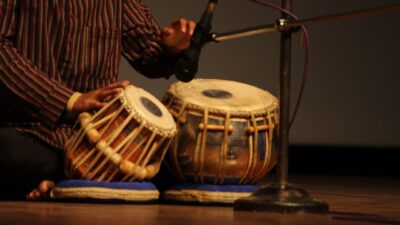
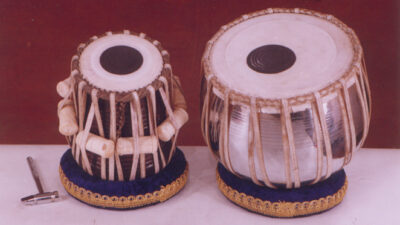
वसंत देसाई की इस रचना में एक शास्त्रीय गंभीरता है जो उस दौर के अधिक अलंकृत भजनों से इसे अलग करती है। धुन धीमे-धीमे चलती है, बिना किसी बनावट के — जैसे कोई प्रदर्शन नहीं, बस विनती। भैरवी का आधार इसे एक संपूर्णता देता है — जैसे दिन इसी प्रार्थना से शुरू होता है और ख़त्म होता है। लता यहाँ असाधारण रूप से संयमित हैं — वे एक भक्त की तरह गाती हैं, एक प्रतिभाशाली की तरह नहीं। पुरुष-कोरस — सरल, अनलंकृत — उपासकों की भीड़ का एहसास देता है। हारमोनियम की धीमी गूँज और तबले की हल्की थाप — सब मिलकर एक मंदिर के आँगन की सुबह बनाते हैं।
अंग्रेज़ी में पढ़ें · Read in English
Vasant Desai's composition has a classical gravity that sets it apart from the more ornamental bhajans of the era. The melody moves slowly and deliberately, with few embellishments, as befits a prayer rather than a performance. The Bhairavi base gives it a sense of completeness and finality — as though the day begins and ends with this plea. Lata's voice is unusually restrained here; she sings as a supplicant, not as a virtuoso. The male chorus — simple, unadorned — adds the quality of a crowd in worship. The harmonium drones softly, the tabla marks time gently, and there is an overall quality of a temple courtyard at dawn.
काव्य The Poetry
भरत व्यास हिंदी सिनेमा के सबसे आध्यात्मिक गीतकारों में से एक थे। 'ए मालिक तेरे बंदे हम' में उनकी प्रार्थना अपूर्व विनम्र है: 'हम तेरे बंदे हैं, ऐसे कर्म हों हमारे कि नेकी की राह पर चलें और बुराई से बचें।' यह प्रार्थना धन या सफलता नहीं माँगती — बल्कि नैतिक मार्गदर्शन माँगती है — जो किसी लोकप्रिय फ़िल्मी गाने में असाधारण बात है। इसकी सार्वभौमिकता ने इसे सभी धर्मों में स्वीकार्य बनाया।
अंग्रेज़ी में पढ़ें · Read in English
Bharat Vyas was one of Hindi cinema's most spiritually inclined lyricists — he wrote the Ram-katha for Sampoorna Ramayan and the devotional songs for many Shantaram films. In 'Ae Malik Tere Bande Hum,' his prayer is magnificently humble: 'We are your servants, Lord. May our deeds be such that we walk the path of goodness and turn from evil.' The prayer asks not for riches or success but for moral guidance — an unusual ask for a popular film song. The couplet 'naat ko nahi maano toh teri qasam khaaoon / namaaz ko nahin poochho toh teri band karun' was added later in some versions to reflect pluralism.
कहानी The Story
वी. शांताराम ख़ुद एक गहरे नैतिक फ़िल्मकार थे जो सिनेमा की समाज को बदलने की ताक़त में विश्वास रखते थे। उन्होंने एक संवेदनशील जेलर (जिसे वे ख़ुद निभा रहे थे) और बारह हत्यारों की कहानी को मानवीय गरिमा और श्रम से मुक्ति के रूपक के रूप में चुना। उन्होंने भरत व्यास से यह प्रार्थना-गीत बिना किसी ख़ास दृश्य को ध्यान में रखे लिखवाया — गाना बाद में एक सामूहिक दृश्य में स्वाभाविक रूप से फ़िट हो गया। फ़िल्म पूरी होने पर आकाशवाणी ने इस गाने को फ़िल्मी संदर्भ से अलग एक स्वतंत्र भजन के रूप में प्रसारित किया — उस समय एक असामान्य सम्मान।
अंग्रेज़ी में पढ़ें · Read in English
V. Shantaram was himself a deeply moral filmmaker who believed in cinema's power to transform society. He chose the story of a compassionate jailer (played by himself) and twelve murderers as a parable of redemption through dignity and labour. He commissioned Bharat Vyas to write the film's signature prayer song without a specific scene in mind — the song later found its natural place as the climactic gathering scene. When the film was completed, the song was broadcast on All India Radio as an independent devotional, separate from its film context — an unusual honour at the time.
विरासत The Legacy
यह गीत शायद किसी भी फ़िल्मी गाने से ज़्यादा रोज़मर्रा की भारतीय ज़िंदगी में घुल गया है। दशकों तक हज़ारों भारतीय स्कूलों की सुबह-सभा इसी से शुरू होती थी। आकाशवाणी ने इसे स्वतंत्रता दिवस की सुबह सालों तक प्रसारित किया। NCERT ने इसे पाठ्यपुस्तकों में शामिल किया। महात्मा गांधी के अनुयायी इसे प्रार्थना-सभाओं में गाते थे। अंतिम संस्कार, उद्घाटन, शांति-मार्च, राष्ट्रीय आपदाओं में — यह गाना वहाँ रहा। कोई और हिंदी फ़िल्मी गाना इस हद तक नागरिक जीवन में नहीं समाया।
अंग्रेज़ी में पढ़ें · Read in English
This song has arguably had the deepest penetration into everyday Indian life of any film song ever made. For decades it was played at the start of morning school assemblies across thousands of Indian schools. It was broadcast on All India Radio every Independence Day morning for many years. The National Council of Educational Research and Training (NCERT) included it in school textbooks. Mahatma Gandhi's followers used it in prayer meetings. It has been sung at funerals, inaugurations, peace marches, and national disasters. No other Hindi film song has achieved this level of civic integration.
वर्गीकरण
Classification- Tempo
- Slow
Genre
अन्य विवरण
More Details- Wikipedia: 'Do Ankhen Barah Haath' — en.wikipedia.org/wiki/Do_Aankhen_Barah_Haath
- Wikipedia: 'Vasant Desai' — en.wikipedia.org/wiki/Vasant_Desai
- Wikipedia: 'Bharat Vyas' — en.wikipedia.org/wiki/Bharat_Vyas
- Anirudha Bhattacharjee & Balaji Vittal, 'Gaata Rahe Mera Dil' (2011) — HarperCollins
- Rajiv Vijayakar, 'The Hindi Film Song' — references Do Ankhen Barah Haath
References
रोचक तथ्य
Margin Notes'दो आँखें बारह हाथ' (1957) ने बर्लिन अंतरराष्ट्रीय फ़िल्म समारोह में सिल्वर बियर स्पेशल जूरी प्राइज़ जीता — किसी भारतीय फ़िल्म को मिलने वाले शुरुआती बड़े अंतरराष्ट्रीय पुरस्कारों में से एक।
अंग्रेज़ी में पढ़ें · Read in English
Do Ankhen Barah Haath (1957) won the Silver Bear Special Jury Prize at the Berlin International Film Festival — one of the first major international awards for an Indian film.
यह गीत महात्मा गांधी की स्मृति-सभाओं में बजाया गया था और कई लोग इसे हिंदी फ़िल्म गीतों में गांधी-भावना से सबसे अधिक जुड़ा गीत मानते हैं।
अंग्रेज़ी में पढ़ें · Read in English
The song was played at Mahatma Gandhi's memorial services and is considered by many to be the song most associated with Gandhi's spirit among Hindi film songs.
कहा जाता है कि वी. शांताराम ने स्वयं एक रिकॉर्डिंग सत्र में बाल-समूह गान का नेतृत्व किया, ताकि आवाज़ों में मासूम भक्ति-भाव की सही गुणवत्ता आ सके।
अंग्रेज़ी में पढ़ें · Read in English
V. Shantaram himself led the children's chorus in one recording session, reportedly to get the right quality of innocent devotion in the voices.
इस गीत को भारतीय सेना ने कुछ रेजिमेंटों में प्रातःकालीन प्रार्थना सभा के रूप में अपनाया था और यह आज भी कुछ सैनिक स्कूलों में उपयोग किया जाता है।
अंग्रेज़ी में पढ़ें · Read in English
The song was adopted by the Indian Army as a morning assembly prayer in some regiments and is still used in certain military schools.
लता मंगेशकर ने कई साक्षात्कारों में कहा था कि जब भी उनसे उनकी 'सबसे सार्थक' रिकॉर्डिंग्स के बारे में पूछा जाता, तो यह उन दो गीतों में से एक होता — दूसरा था 'ऐ मेरे वतन के लोगो' (1963)।
अंग्रेज़ी में पढ़ें · Read in English
Lata Mangeshkar said in multiple interviews that this was one of the two songs she would sing when asked to name her 'most meaningful' recordings — the other being 'Ae Mere Watan Ke Logo' (1963).
पुरस्कार
The Honoursनमूना-पट्टी
The Specimen Table| शीर्षक | ए मालिक तेरे बंदे हम · Ae Malik Tere Bande Hum |
|---|---|
| वर्ष · युग | 1957 — Golden Era |
| गायक | Lata Mangeshkar, सी.एच. आत्मा |
| गीतकार | Bharat Vyas |
| संगीतकार | Vasant Desai |
| स्वरूप | समूह गान |
| गति | धीमी |
| अवधि | 4:30 |
| भाषा | Hindi · Sanskrit traces |
| वाद्य | harmonium · tabla · sarangi · instrument-chorus |
| भाव | भक्ति · प्रेरणादायक · शांत · आध्यात्मिक |
| लोकप्रियता | Legendary |
| बोल-स्थिति | केवल झलक |
जुड़े हुए पन्ने
Connected Plates · The Graph Made Visibleअटलस में कोई पन्ना अकेला नहीं — इस गीत से जुड़े गीत, कलाकार, फ़िल्म, राग-ताल-विधा, सब यहाँ से खुलते हैं।
मिलते-जुलते गीत · Related Songs
कलाकार · The Artists
युग · The Era
साझा कीजिए · Share this Plate
यह पन्ना आगे बढ़ाइए
यह एकमात्र फ़िल्मी गाना है जो राष्ट्रीय प्रार्थना बन गया।
This is the only film song I know that became a national prayer.
— Gulzar, lyricist and filmmaker
सवाल-जवाब
Questions & Answers'ए मालिक तेरे बंदे हम' किसने गाया? · Who sang 'Ae Malik Tere Bande Hum'?
लता मंगेशकर ने मुख्य स्वर गाया, पुरुष-कोरस में सी.एच. आत्मा थे, 'दो आँखें बारह हाथ' (1957) फ़िल्म में। संगीत वसंत देसाई का और बोल भरत व्यास के थे।
Lata Mangeshkar sang the lead voice, with C.H. Atma leading the male chorus, in the film Do Ankhen Barah Haath (1957). Music was composed by Vasant Desai, lyrics by Bharat Vyas.
यह गाना भारतीय स्कूलों में क्यों बजाया जाता है? · Why is this song played in Indian schools?
गाने का संदेश — ईश्वर से केवल नेकी की राह पर रखने की विनती — सभी धर्मों के लिए उपयुक्त था। आकाशवाणी के नियमित प्रसारण से यह घर-घर पहुँचा, और स्कूल-सभाओं में इसका शामिल होना स्वाभाविक था।
The song's message of simple moral goodness — asking God to keep us on the righteous path — made it universally appropriate regardless of religion. All India Radio broadcast it regularly, and its inclusion in school assemblies became a natural outcome of its civic goodness.
क्या 'दो आँखें बारह हाथ' ने कोई अंतर्राष्ट्रीय पुरस्कार जीता? · Did the film Do Ankhen Barah Haath win any international award?
हाँ। 'दो आँखें बारह हाथ' ने 1958 के बर्लिन अंतर्राष्ट्रीय फ़िल्म महोत्सव में सिल्वर बेयर स्पेशल जूरी पुरस्कार जीता — यह भारतीय सिनेमा की शुरुआती बड़ी अंतर्राष्ट्रीय पहचानों में से एक था।
Yes. Do Ankhen Barah Haath won the Silver Bear Special Jury Prize at the 1958 Berlin International Film Festival — one of the earliest major international recognitions for Indian cinema.
वी. शांताराम कौन थे? · Who was V. Shantaram?
वी. शांताराम (1901–1990) भारत के अग्रणी फ़िल्म निर्देशकों में से एक थे, जो सामाजिक चेतना से भरी नैतिक फ़िल्मों के लिए प्रसिद्ध थे। उन्होंने राजकमल कलामंदिर स्टूडियो की स्थापना भी की। 'दो आँखें बारह हाथ' में उन्होंने निर्देशन के साथ अभिनय भी किया।
V. Shantaram (1901–1990) was one of India's pioneering film directors, known for socially conscious films with strong moral messages. He also founded Rajkamal Kalamandir studios. He directed and acted in Do Ankhen Barah Haath himself.