गीत विंग · गीत-पट्टिका · Song Plate
आवाज़ दे कहाँ है
Aawaz De Kahan Hai
जुदाई के दो किनारों पर खड़े दो प्रेमियों की पुकार और उसका जवाब — और उस आवाज़ में पूरी दुनिया फिर से जवाँ हो उठती है।
भावमीठा-कड़वा · रोमांटिक · Yearning
भाषाUrdu · Hindi गतिमध्यम स्वरूपयुगल
श्रेय
The Creditsबोल · The Lyrics
बोल — झलक · Lyrics Preview
दुनिया मेरी जवाँ है
आवाज़ दे कहाँ है
दुनिया मेरी जवाँ है
Duniya meri jawan hai
Aawaz de kahan hai
Duniya meri jawan hai
कॉपीराइट के कारण केवल झलक — पूरे बोल आधिकारिक मंचों पर।
शब्दकोश
Word Meaningsसूत्र-वाक्य · The Hook
सूत्र-वाक्य
जुदाई के दो किनारों पर खड़े दो प्रेमियों की पुकार और उसका जवाब — और उस आवाज़ में पूरी दुनिया फिर से जवाँ हो उठती है।
In EnglishTwo voices from opposite ends of separation, calling and answering, and between them — the whole world feels young again.
पट्टिका-लेख
The Monographपरिचय Overview
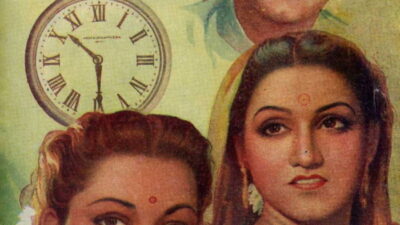
मेहबूब ख़ान की 1946 की कालजयी फ़िल्म 'अनमोल घड़ी' के लिए रिकॉर्ड किया गया 'आवाज़ दे कहाँ है' स्वतंत्रता-पूर्व हिंदी सिनेमा का सबसे प्रसिद्ध युगल गीत है। नूर जहाँ और सुरेन्द्र की आवाज़ों में, नौशाद के संगीत और तनवीर नक़वी के बोलों के साथ, यह गीत दो बिछड़े हुए प्रेमियों के उस पल को जीवंत करता है जब वे एक-दूसरे को आवाज़ लगाते हैं और उस पुकार में पाते हैं कि दुनिया अभी भी जवाँ है — प्रेम की ताज़गी अभी बाक़ी है। नूर जहाँ की स्फटिक-सी साफ़ आवाज़ और सुरेन्द्र के गहरे बैरीटोन की यह जुगलबंदी 1946 के रोमांटिक संगीत की पहचान बन गई।
अंग्रेज़ी में पढ़ें · Read in English
Recorded for Mehboob Khan's landmark 1946 film Anmol Ghadi, 'Aawaz De Kahan Hai' is the most celebrated duet of the pre-Independence era of Hindi cinema. Sung by Noor Jehan and Surendra, with music by Naushad and lyrics by Tanvir Naqvi, the song captures a moment of pure, aching yearning between separated lovers who call across the void to each other and find, in that calling, that the world still feels young and magnificent. Recorded on HMV in Bombay, the song moves in a light Khamaj-touched melody with a warm keherwa pulse, and the interplay between Noor Jehan's crystalline voice and Surendra's deep baritone creates a tension and release that made this song the defining romantic sound of its year. Anmol Ghadi went on to become the biggest box-office success of 1946, and this duet was the centrepiece of its enormous popularity.
संगीत The Music
नौशाद ने 'आवाज़ दे कहाँ है' को एक प्रतिध्वनि-संरचना के रूप में रचा — प्रेमी पुकारता है, प्रेमिका जवाब देती है, और धुन ख़ुद किसी घाटी में गूँजती आवाज़ों की तरह उठती-गिरती है। राग खमाज का आधार — जो रोमांटिक प्रेम और यौवन की मिठास से जुड़ा राग है — एक लोकप्रिय धुन के रूप में ढला है। कहरवा ताल की हल्की झूलती लय इस गीत को वह हल्कापन देती है जो इसके भाव में है: यह दुःख नहीं, यह जुदाई का वह ख़ूबसूरत दर्द है जो दिल को भारी नहीं करता। नूर जहाँ की स्फटिक आवाज़ और सुरेन्द्र के गर्म बैरीटोन का संतुलन नौशाद की सबसे बड़ी उपलब्धि है इस गीत में।
अंग्रेज़ी में पढ़ें · Read in English
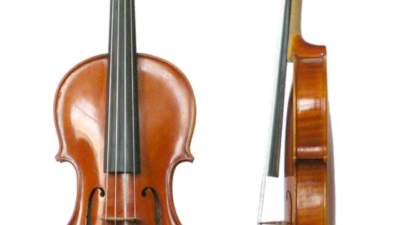
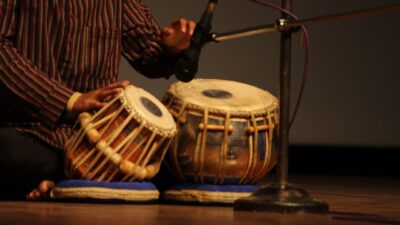
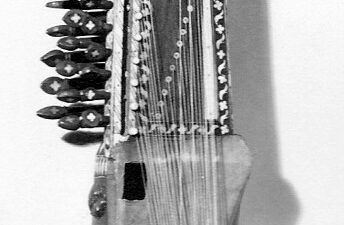
Naushad designed 'Aawaz De Kahan Hai' as an echo-structure — the lover calls, the beloved responds, and the melody itself rises and falls like voices across a valley. The raag basis is Khamaj — a raag associated with romantic love and the sweetness of youthful longing — rendered here in a popular song idiom rather than classical form. The keherwa taal (8 beats) gives the song a light, swaying quality that suits the emotional lightness of the lyric: this is not grief, but the beautiful ache of distance. The orchestration is lush by the standards of the era: violins in sections, harmonium as the melodic anchor, and the tabla light on its feet. Most striking is Naushad's sensitivity in balancing the two voices — Noor Jehan's crystalline upper register is answered by Surendra's warm, resonant baritone without either overshadowing the other. The result is a sonic conversation that feels genuinely dialogic rather than arranged.
काव्य The Poetry
तनवीर नक़वी के बोलों की ताक़त उनकी सादगी में है। 'आवाज़ दे कहाँ है' — यह मूलतम मानवीय पुकार है, जो अनुपस्थित प्रिय को सीधे संबोधित है। लेकिन असली जादू दूसरी पंक्ति में है: 'दुनिया मेरी जवाँ है' — पुकार लगाने में, जवाब की उम्मीद में, प्रेमी पाता है कि दुनिया अभी बूढ़ी नहीं हुई। प्रेम ही दुनिया को जवाँ रखता है। गीत की संवाद-संरचना — दो प्रेमियों की आवाज़ों का यह विनिमय — क़व्वाली और ठुमरी की शास्त्रीय call-and-response परंपरा को फ़िल्मी गीत में ढालता है।
अंग्रेज़ी में पढ़ें · Read in English
Tanvir Naqvi's lyric for 'Aawaz De Kahan Hai' operates with an elegant simplicity. The central imperative — 'give your voice, where are you?' — is the most primal human cry of longing, stripped of all sophisticated imagery and addressed directly to the absent beloved. The second line, 'duniya meri jawan hai' (my world is still young), is the lyric's masterstroke: in the act of calling, in the hope of an answer, the lover discovers that the world has not gone old or cold — love itself keeps the world young. The dialogue structure between the two lovers' verses creates a kind of Urdu romantic call-and-response, a tradition from classical qawwali and thumri that Naqvi filters into the film song idiom.
कहानी The Story
मेहबूब ख़ान की 'अनमोल घड़ी' (1946) में नूर जहाँ ने मुख्य महिला भूमिका निभाई — वे उस वक़्त अपने भारतीय करियर के शिखर पर थीं। सुरेन्द्र ने पुरुष प्रमुख की भूमिका की, उनका गहरा बैरीटोन नूर जहाँ के सोप्रानो से एकदम अलग और पूरक था। नौशाद तेज़ी से बंबई के सबसे महत्वपूर्ण संगीतकार बन रहे थे और मेहबूब ख़ान के साथ उन्होंने फ़िल्म के भावनात्मक परिदृश्य को सावधानी से बुना। 'आवाज़ दे कहाँ है' फ़िल्म की भावनात्मक धुरी था — वह पल जब बिछड़े हुए प्रेमियों की आकांक्षा आँसुओं में नहीं, गीत में फूट पड़ती है। 'अनमोल घड़ी' 1946 की सबसे बड़ी बॉक्स ऑफ़िस सफलता बनी।
अंग्रेज़ी में पढ़ें · Read in English
Anmol Ghadi (1946) was produced and directed by Mehboob Khan, who had already made landmark films but was at this point reaching a new commercial peak. The film starred Noor Jehan in the female lead — she was then at the very top of her Indian career, the most beloved female voice in Hindi films. Surendra played the male lead, his deep baritone contrasting beautifully with Noor Jehan's soprano. Naushad, who was rapidly becoming the most important music director in Bombay, reportedly worked closely with Mehboob Khan on the sonic landscape of the film. 'Aawaz De Kahan Hai' was designed as the emotional centrepiece of the narrative — the moment when the separated lovers' longing finds expression not in tears but in song. The film became the biggest box-office success of 1946, and this duet was the song most audiences hummed on leaving the theatre.
विरासत The Legacy
यह गीत अस्सी वर्षों से लगातार लोकप्रिय है। हिंदी सिनेमा के स्वर्ण युग की पूर्वावलोकन संगीत-सभाओं में यह एक मानक रचना है और इसे बॉलीवुड के रोमांटिक युगल गीत की नींव माना जाता है — वह रूप जिसे बाद में शंकर-जयकिशन, एस. डी. बर्मन और लक्ष्मीकांत-प्यारेलाल ने सैकड़ों रूपों में विकसित किया। नूर जहाँ और सुरेन्द्र की यह जोड़ी — ऐतिहासिक रूप से संक्षिप्त, क्योंकि 1947 में नूर जहाँ पाकिस्तान चली गईं — इस गीत में अपने शिखर पर पहुँची।
अंग्रेज़ी में पढ़ें · Read in English
The song has remained continuously popular for eighty years. It is a standard in retrospectives of golden-era Hindi film music, frequently cited as the template for the romantic duet in Bollywood — the form that Shankar-Jaikishan, S.D. Burman, and Laxmikant-Pyarelal would later develop into hundreds of variations. The duet partnership of Noor Jehan and Surendra, while brief in historical terms (Noor Jehan left India for Pakistan in 1947), produced several other memorable recordings, of which this is the peak. For students of Hindi film music, 'Aawaz De Kahan Hai' is the foundational document of the Hindi romantic duet.
वर्गीकरण
Classification- Tempo
- Medium
Genre
अन्य विवरण
More Details- Wikipedia: Anmol Ghadi (1946 film) — https://en.wikipedia.org/wiki/Anmol_Ghadi_(1946_film)
- Wikipedia: Noor Jehan — https://en.wikipedia.org/wiki/Noor_Jehan
- Wikipedia: Naushad — https://en.wikipedia.org/wiki/Naushad
- Wikipedia: Surendra (actor-singer) — https://en.wikipedia.org/wiki/Surendra_(actor)
- Hindi Film Geet Kosh Vol. 1 (Harmeet Singh Parmar)
References
रोचक तथ्य
Margin Notes'अनमोल घड़ी' (1946) उस वर्ष की सर्वाधिक कमाई करने वाली हिंदी फ़िल्म बनी, जिससे यह युगल गीत 1946 का सबसे अधिक बजाया जाने वाला गीत बन गया।
अंग्रेज़ी में पढ़ें · Read in English
Anmol Ghadi (1946) became the highest-grossing Hindi film of the year, making this duet the most-played song of 1946.
यह गीत रिकॉर्ड करते समय नूरजहाँ मात्र 19-20 वर्ष की थीं; वे बचपन से ही एक दशक से अधिक समय से फ़िल्मों में गायन कर रही थीं।
अंग्रेज़ी में पढ़ें · Read in English
Noor Jehan was only 19-20 years old when she recorded this song; she had already been singing in films for over a decade since childhood.
सुरेंद्र अपनी विशिष्ट गहरी बैरिटोन आवाज़ के लिए जाने जाते थे — जो उस दौर के फ़िल्मी गायकों में दुर्लभ थी — इसी ने इस युगल गीत को अपनी अनूठी विरोधाभासी बुनावट प्रदान की।
अंग्रेज़ी में पढ़ें · Read in English
Surendra was known for his distinctively deep baritone — rare among film singers of the era — which gave the duet its unique contrasting texture.
नौशाद ने इस गीत की कुछ धुन-रचनाओं का पुनः प्रयोग बाद की रचनाओं में किया, जो दर्शाता है कि उनकी संगीत-शैली की नींव में 'अनमोल घड़ी' कितनी बुनियादी थी।
अंग्रेज़ी में पढ़ें · Read in English
Naushad reused some of the melodic patterns from this song in later compositions, demonstrating how foundational Anmol Ghadi was to his vocabulary.
फ़िल्म के शीर्षक 'अनमोल घड़ी' का अर्थ है 'अमूल्य क्षण' — यह एक दार्शनिक भाव है जो गीत के इस विषय से मेल खाता है कि प्रेम संसार को सदा युवा बनाए रखता है।
अंग्रेज़ी में पढ़ें · Read in English
The film's title 'Anmol Ghadi' means 'The Priceless Moment' — a philosophical concept that resonates with the song's theme of love making the world eternally young.
नमूना-पट्टी
The Specimen Table| शीर्षक | आवाज़ दे कहाँ है · Aawaz De Kahan Hai |
|---|---|
| फ़िल्म | अनमोल घड़ी · 1946 |
| वर्ष · युग | 1946 — Pre-Independence |
| गायक | Noor Jehan, Surendra |
| गीतकार | Tanveer Naqvi |
| संगीतकार | Naushad |
| स्वरूप | युगल |
| गति | मध्यम |
| अवधि | c. 3:45 |
| भाषा | Urdu · Hindi |
| वाद्य | violin · harmonium · tabla · sarangi |
| भाव | मीठा-कड़वा · रोमांटिक · Yearning |
| लोकप्रियता | Legendary |
| बोल-स्थिति | केवल झलक |
जुड़े हुए पन्ने
Connected Plates · The Graph Made Visibleअटलस में कोई पन्ना अकेला नहीं — इस गीत से जुड़े गीत, कलाकार, फ़िल्म, राग-ताल-विधा, सब यहाँ से खुलते हैं।
मिलते-जुलते गीत · Related Songs
कलाकार · The Artists
फ़िल्म · The Film
साझा कीजिए · Share this Plate
यह पन्ना आगे बढ़ाइए
दो आवाज़ें, एक तड़प — रोमांटिक प्रेम का पूरा दर्शन चार शब्दों में: 'आवाज़ दे कहाँ है।'
Two voices, one longing — the whole philosophy of romantic love in four words: 'Aawaz De Kahan Hai.'
— Film music critic (paraphrased)
सवाल-जवाब
Questions & Answersआवाज़ दे कहाँ है किसने गाया? · Who sang Aawaz De Kahan Hai?
यह युगल गीत नूर जहाँ और सुरेन्द्र ने 1946 की फ़िल्म अनमोल घड़ी के लिए गाया। नौशाद ने संगीत दिया और तनवीर नक़वी ने बोल लिखे।
The duet was sung by Noor Jehan and Surendra for the 1946 film Anmol Ghadi. Naushad composed the music and Tanvir Naqvi wrote the lyrics.
आवाज़ दे कहाँ है किस फ़िल्म का गाना है? · What film is Aawaz De Kahan Hai from?
यह मेहबूब ख़ान निर्देशित 'अनमोल घड़ी' (1946) का गीत है। यह फ़िल्म 1946 की सबसे बड़ी बॉक्स ऑफ़िस सफलता थी।
It is from Anmol Ghadi (1946), directed by Mehboob Khan and produced by National Studios. The film starred Noor Jehan and Surendra and became the biggest box-office hit of 1946.
अनमोल घड़ी के बाद नूर जहाँ का क्या हुआ? · What happened to Noor Jehan after Anmol Ghadi?
1947 के विभाजन के बाद नूर जहाँ भारत छोड़कर पाकिस्तान चली गईं और अपने बॉलीवुड करियर के शिखर पर ही उसे समाप्त कर दिया। वे अगले पाँच दशकों तक पाकिस्तानी संगीत की मलिका रहीं।
Noor Jehan left India for Pakistan after the 1947 Partition, ending her Bollywood career at its very peak. She went on to become the undisputed queen of Pakistani music for five more decades until her death in 2000.
अनमोल घड़ी 1946 को एक महत्वपूर्ण फ़िल्म क्यों माना जाता है? · Why is Anmol Ghadi 1946 considered a landmark film?
अनमोल घड़ी 1946 की सबसे ज़्यादा कमाई करने वाली हिंदी फ़िल्म थी, शिखर पर नूर जहाँ को दिखाया, और नौशाद के करियर के एक महत्वपूर्ण मोड़ पर उनके संगीत को पेश किया। इसके गाने — विशेष रूप से यह युगल — ने अगले दशक के रोमांटिक हिंदी सिनेमा की आवाज़ तय की।
Anmol Ghadi was the highest-grossing Hindi film of 1946, featured Noor Jehan at her Indian peak, and showcased Naushad's music at a formative moment in his career. Its songs — especially this duet — defined the sound of romantic Hindi cinema for the following decade.