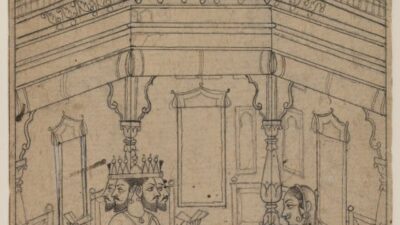
शास्त्र विंग · राग-पट्टिका · Raag Plate
पहाड़ी
Pahādi
पहाड़ी राग · The Mountain Raag
भावविस्तृत · वीरोचित · उज्ज्वल · खुला · चरवाहे
ऊर्जामध्यम
अन्य नामPahari · पहाड़ी · Hill raag (from mountains of Central India)
स्वर-चित्र · The Swara Panel
आरोह — अवरोह · The Ascent and the Descent
आरोह · Aroha चढ़ती हुई सीढ़ी
अवरोह · Avaroha उतरती हुई सीढ़ी
सˊ = तार सप्तक का षड्ज
पकड़ · पहचान वाक्यांश
प ध सˊ | ग प ध
Pa Dha Sa' | Ga Pa Dha
समय और भाव
Time Theory & Moodसमय-सिद्धांत · Time Theory
संध्या काल
परंपरागत रूप से संध्या काल (4:00 PM - 7:00 PM) में गाया जाता है।
Traditionally performed during evening/twilight hours (4:00 PM - 7:00 PM), when day transitions to night.
Spring preferred (renewal, growth, fresh air)
भाव और गति · Mood & Tempo
श्रृंगार · Romance/Beauty
प्रेम, सौंदर्य और भक्ति का रस। रोमांटिक तड़प, सौंदर्यपरक आनंद और गहरे भावनात्मक जुड़ाव को जगाता है।
ऊर्जा · Energyमध्यम
स्तर · LevelIntermediate to Advanced — बुनियादी राग सिद्धांत और प्रदर्शन में ठोस आधार की आवश्यकता है।
विधाएँ और वाद्य · Forms & Instruments
विधाएँपट्टिका-लेख
The Monographपरिचय Introduction
राग Pahadi Hindustani शास्त्रीय संगीत का राग है।
अंग्रेज़ी में पढ़ें · Read in English
Pahadi is a light, folk-derived raag that transcends strict time theory — it can be performed any time. Named after the Pahadi hills region, the raag carries the simplicity and beauty of folk music traditions. Its five-note structure and cheerful character have made it popular in both classical concerts and Bollywood film music. The raag represents the democratization of classical music through folk sensibility.
ऐतिहासिक महत्व Historical Significance
पहाड़ी एक हल्का, लोक-व्युत्पन्न राग है जो सख्त समय सिद्धांत से अलग है। पहाड़ी पहाड़ियों क्षेत्र के नाम पर, राग लोक संगीत परंपराओं की सादगी और सुंदरता रखता है।
अंग्रेज़ी में पढ़ें · Read in English
Pahadi is a light, folk-derived raag that transcends strict time theory — it can be performed any time. Named after the Pahadi hills region, the raag carries the simplicity and beauty of folk music traditions. Its five-note structure and cheerful character have made it popular in both classical concerts and Bollywood film music. The raag represents the democratization of classical music through folk sensibility.
शिक्षा
Teaching & Learning| बंदिश | ताल · लय | बोल |
|---|---|---|
| Aise Na Dekho Naiyya Chaliya Traditional |
Keherwa | |
| Bansuriya Baraji Ho Traditional |
Dadra |
पहाड़ी एक पांच-नोट राग है। इसकी सादगी को गले लगाएं — अत्यधिक सजावट से इसे जटिल न करें।
अंग्रेज़ी में पढ़ें · Read in English
Pahadi is a five-note raag (most notes use natural forms). Embrace its simplicity — don't overcomplicate it with excessive ornamentation. Let the raag's straightforward character shine through.
शास्त्रीय कठोरता बनाए रखते हुए एक हल्का, खुशमिजाज टोन विकसित करें।
अंग्रेज़ी में पढ़ें · Read in English
Cultivate a light, cheerful tone while maintaining classical rigor. Pahadi bridges folk and classical traditions — respect both. Let the raag feel earthy and accessible, not elite or complex.
पहाड़ी की बहुमुखिता को समझने के लिए ठुमरी और खयाल दोनों प्रस्तुतियों का अध्ययन करें।
अंग्रेज़ी में पढ़ें · Read in English
Study both thumri and Khayal renditions of Pahadi to understand its versatility. The raag works equally well in folk, semi-classical, and classical contexts. Let this flexibility inform your practice.
पहाड़ी को 'सरल' के रूप में मानना और इसलिए गंभीर शास्त्रीय अध्ययन के योग्य न होना।
अंग्रेज़ी में पढ़ें · Read in English
Treating Pahadi as 'simple' and therefore less worthy of serious classical study
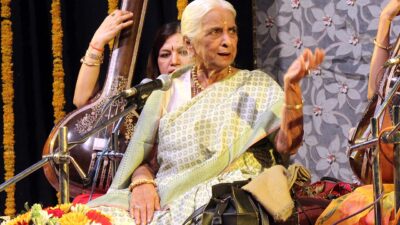
सुधार: Pahadi's simplicity is its strength. Masters like Girija Devi spent lifetimes exploring its depths. Don't underestimate its classical potential.
लोक सरलता की खोज में शास्त्रीय संरचना खोना — पहाड़ी को अभी भी उचित राग अनुशासन की आवश्यकता है।
अंग्रेज़ी में पढ़ें · Read in English
Losing classical structure in pursuit of folk simplicity — Pahadi still requires proper raag discipline
सुधार: Balance folk accessibility with classical rigor. Pahadi is not about careless singing — it's about refined simplicity.
तुलना
A Specimen Comparisonदोनों का आरोहण बिल्कुल एक जैसा है — सा रे ग प ध — और दोनों में म तथा नि आरोह में नहीं आते। भेद अवरोहण में है: पहाड़ी खमाज थाट का राग है और इसके अवरोह में म तथा कोमल नि प्रकट होते हैं, जिससे अधिक सुरीलापन और गहराई मिलती है। भूपाली दोनों दिशाओं में पाँच स्वरों से बाहर नहीं जाती — कोई म और नि नहीं — इसीलिए वह अधिक उज्ज्वल और खुली लगती है।
| तुलनाSpecimen | पहाड़ी | भूपाली |
|---|---|---|
| स्वर-अंतर | Both share Sa Re Ga Pa Dha in ascent; Pahadi introduces Ma and komal Ni in descent (Khamaj thaat); Bhupali is pentatonic in both directions (no Ma or Ni). | |
| भाव-अंतर | Pahadi: subtle melancholic undertow in descent; Bhupali: bright, transparent, sunlit openness. | |
देश राग (भी खमाज थाट) के अवरोह में भी म और नि आते हैं, किंतु उसमें शुद्ध और कोमल दोनों ग का प्रयोग होता है जो उसे पहाड़ी से अधिक विस्तारशील और गीतात्मक बनाता है।
| तुलनाSpecimen | पहाड़ी | देश |
|---|---|---|
| स्वर-अंतर | Both are Khamaj thaat and use Ma and Ni in descent; Desh uses both komal and shuddha Ga in melodic movement; Pahadi keeps closer to a five-note structure. | |
प्रस्तुति
Performance- Description
- परंपरागत रूप से संध्या काल (4:00 PM - 7:00 PM) में गाया जाता है। Traditionally performed during evening/twilight hours (4:00 PM - 7:00 PM), when day transitions to night.
- Prahar Number
- 5
- Prahar Name
- संध्या काल Sandhya Kaal
- Time Start
- 16:00
- Time End
- 19:00
- Time Flexibility
- flexible
Time
और जानें
More to Know- raag-bhupali — Bhupali — भूपाली — Pahadi and Bhupali share an identical ascending scale — Sa Re Ga Pa Dha — and both omit Ma and Ni in arohana. The crucial distinction emerges in the descent: Pahadi belongs to Khamaj thaat and introduces Ma and Ni (komal Ni) in its avarohana (Sa' Ni Dha Pa Ma Ga Re Sa), giving it a richer, harmonically more complete character. Bhupali is purely pentatonic in both directions — no Ma or Ni appear at any point — creating a brighter, more transparent quality. A Pahadi descent with its Ma and Ni phrases carries a subtle melancholic undertow entirely absent from Bhupali's sunlit openness. — दोनों का आरोहण बिल्कुल एक जैसा है — सा रे ग प ध — और दोनों में म तथा नि आरोह में नहीं आते। भेद अवरोहण में है: पहाड़ी खमाज थाट का राग है और इसके अवरोह में म तथा कोमल नि प्रकट होते हैं, जिससे अधिक सुरीलापन और गहराई मिलती है। भूपाली दोनों दिशाओं में पाँच स्वरों से बाहर नहीं जाती — कोई म और नि नहीं — इसीलिए वह अधिक उज्ज्वल और खुली लगती है। — Both share Sa Re Ga Pa Dha in ascent; Pahadi introduces Ma and komal Ni in descent (Khamaj thaat); Bhupali is pentatonic in both directions (no Ma or Ni). — Pahadi: subtle melancholic undertow in descent; Bhupali: bright, transparent, sunlit openness.
- raag-desh — Desh — देश — Desh (also Khamaj thaat) similarly brings Ma and Ni into the descent but features both komal and shuddha Ga in its melodic movement, giving Desh a more flexible, lyrical character. Pahadi's folk restraint keeps it closer to a five-note spirit even while it borrows from seven in descent — Desh is decidedly more elaborate. — देश राग (भी खमाज थाट) के अवरोह में भी म और नि आते हैं, किंतु उसमें शुद्ध और कोमल दोनों ग का प्रयोग होता है जो उसे पहाड़ी से अधिक विस्तारशील और गीतात्मक बनाता है। — Both are Khamaj thaat and use Ma and Ni in descent; Desh uses both komal and shuddha Ga in melodic movement; Pahadi keeps closer to a five-note structure.
In Film Music
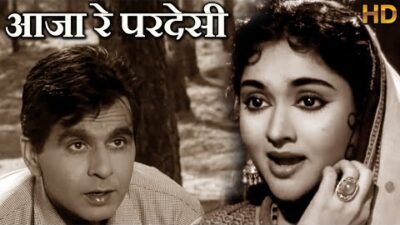
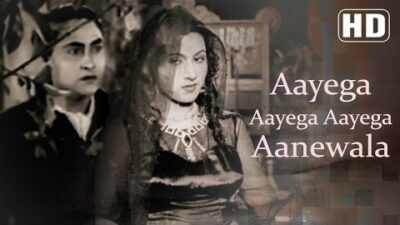
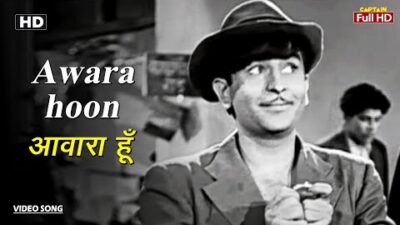
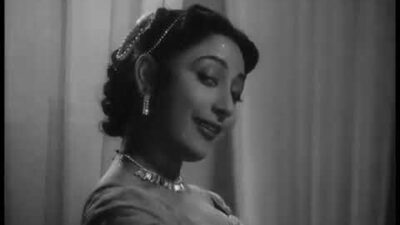
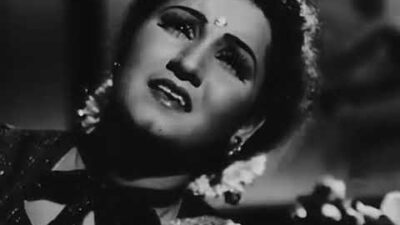
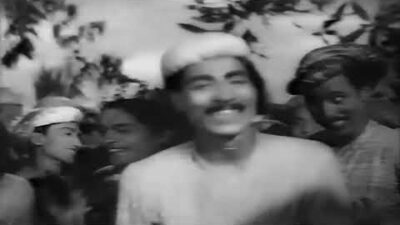
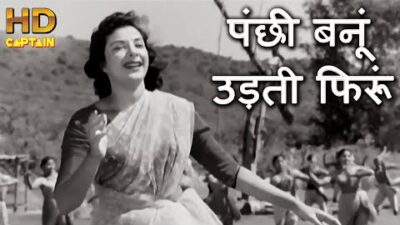
Pahadi is one of the most extensively and lovingly used raags in Hindi film music — arguably the single raag that has produced the largest number of memorable Bollywood songs. Its folk-rooted pentatonic ascent, absence of the Ni in arohana, and pastoral, open character make it naturally suited to romantic songs set in mountain landscapes, songs of separation and longing, and gentle devotional numbers. The raag's folk origin gives it an immediacy that bridges classical structure and popular melody, allowing composers to use it without alienating general audiences. S.D. Burman, who loved folk-inflected classical raags, returned to Pahadi repeatedly — from 'Aaj Ki Raat Piya Dil Na Todo' (Bazi, 1951) to 'Rula Ke Gaya Sapna Mera' (Jewel Thief, 1967). Music director Ravi gave the raag one of its most indelible film expressions in 'Aage Bhi Jaane Na Tu' (Waqt, 1965), sung by Asha Bhosle — a philosophically charged, quietly beautiful song in which Pahadi's open-ended quality perfectly conveys the theme of accepting the unknown. Roshan composed 'Rahe Na Rahe Hum Mahaka Karenge' (Mamta, 1966) in Pahadi, creating an immortal farewell song in which the raag's pentatonic simplicity carries an ocean of emotion. Naushad used it for the rousing 'Aaj Ki Raat Mere Dil Ki Salami Le Le' (Ram Aur Shyam, 1967). The raag reached a celebrated peak when Shiv-Hari — the flute-santoor duo of Hariprasad Chaurasia and Shiv Kumar Sharma — composed 'Yeh Kahan Aa Gaye Hum' for Silsila (1981), sung by Lata Mangeshkar and Amitabh Bachchan amid the tulip fields of Kashmir. Here the raag's mountain imagery and its character as a 'hill raag' found their most literal cinematic realization. The raag's absence of Ni in ascent creates a naturally yearning, incomplete quality that film composers have exploited brilliantly for songs of longing and anticipation.
Comparisons
सीखने के लिए
For Learners- Difficulty Level
- Intermediate to Advanced
अन्य विवरण
More Details- chandrakantha.com — Film Songs in Rag Pahadi (comprehensive list)
- songsofyore.com — Film songs based on classical ragas (3): Music from the mountains
- myviewsonbollywood.wordpress.com — Bollywood songs based on Raga Pahadi
- sangeetbook.com — Rahen Na Rahen Hum sargam notes (Pahadi raag confirmed)
- bolywoodfiles.blogspot.com — The Raga Based Bollywood Songs: Raga Pahadi
References
नमूना-पट्टी
The Specimen Table| नाम | पहाड़ी · Pahadi |
|---|---|
| थाट | खमाज |
| आरोह | सा रे ग प ध सˊ |
| अवरोह | सˊ नि ध प म ग रे सा |
| पकड़ | प ध सˊ | ग प ध |
| जाति | औड़व-औड़व (5-5) · Audav-Audav (5-5) |
| समय | संध्या काल |
| ऋतु | Spring preferred (renewal, growth, fresh air) |
| ऊर्जा | मध्यम |
| स्तर | Intermediate to Advanced |
| अन्य नाम | Pahari · पहाड़ी · Hill raag (from mountains of Central India) |
जुड़े हुए पन्ने
Connected Plates · The Graph Made Visibleअटलस में कोई पन्ना अकेला नहीं — इस राग से गीत, प्रस्तुतियाँ, कलाकार, ताल, घराने और मिलते-जुलते राग, सब यहाँ से खुलते हैं।
इस राग के गीत · Songs in this Raag
फ़िल्मी गीत इस राग में · Famous Film Songs
इस राग के कलाकार · Notable Artists
ताल-साथी · Taal Pairings
मिलते-जुलते राग · Similar Raags
शास्त्र-सूत्र · Shastra Threads
श्रवण-कक्ष · The Listening Room
सुनिए — पहाड़ी · Hear the Raag
Raag Pahadi | Soothing Sitar & Flute
प्रश्नोत्तर
Questions & Answersराग पहाड़ी कौन-सी भावना जगाता है?
पहाड़ी में खुली पर्वत-घाटियों, ताज़ी हवा और हल्की-सी तड़प का एहसास है। इसका पाँच-स्वरी आरोह उसे लोक-गीत जैसी सुगमता देता है, जबकि म और नि वाला अवरोह एक सूक्ष्म विरह-भाव जोड़ता है। यह उन गिने-चुने रागों में है जो एक साथ प्रसन्न और धीरे-धीरे उदास लग सकते हैं।
अंग्रेज़ी में पढ़ें · Read in English
What mood does Pahadi evoke? — Pahadi evokes an expansive, pastoral warmth — the feeling of open mountain vistas, fresh air, and gentle longing. Its pentatonic ascent gives it a bright, folk-like accessibility, while its richer descent (with Ma and Ni) adds a subtle undertow of yearning. It is one of the few raags that can feel simultaneously cheerful and quietly melancholic.
राग पहाड़ी पारंपरिक रूप से कब गाया जाता है?
पहाड़ी परंपरागत रूप से संध्या काल से जुड़ा है, लेकिन लोक-उत्पत्ति के कारण इसे 'सर्वकालीन' — किसी भी समय गाने योग्य — माना जाता है। इसका हल्का, सुलभ स्वभाव इसे उन गिने-चुने शास्त्रीय रागों में रखता है जो कठोर समय-सिद्धांत से परे हैं।
अंग्रेज़ी में पढ़ें · Read in English
When is Pahadi traditionally performed? — Pahadi is traditionally associated with the evening hours, but being a folk-derived raag it is considered 'sarvakalin' — performable at any time of day or night. Its light, accessible character makes it one of the few classical raags that transcends the strict time theory, and it appears freely in concerts at all hours.
पहाड़ी और भूपाली में क्या अंतर है?
दोनों रागों का आरोहण एक ही है — सा रे ग प ध — और दोनों आरोह में म और नि नहीं लेते। अंतर अवरोहण में है: पहाड़ी के अवरोह में म और कोमल नि आते हैं जो उसे समृद्ध बनाते हैं। भूपाली पूरी तरह पाँच स्वरों में ही रहती है — इसीलिए वह अधिक उज्ज्वल और पारदर्शी लगती है। पहाड़ी खमाज थाट का है; भूपाली कल्याण थाट का।
अंग्रेज़ी में पढ़ें · Read in English
How does Pahadi differ from Bhupali? — Both raags use the same five notes in ascent (Sa Re Ga Pa Dha) and omit Ma and Ni in arohana — so they sound very similar going up. The key difference is in the descent: Pahadi brings in Ma and Ni (komal Ni) in its avarohana, making it richer and slightly more complex. Bhupali stays strictly pentatonic in both directions, sounding brighter and more transparent. Pahadi belongs to Khamaj thaat; Bhupali to Kalyan thaat.
पहाड़ी बॉलीवुड फ़िल्म संगीत में इतना लोकप्रिय क्यों है?
पहाड़ी की लोक-जड़ें और पाँच-स्वरी सरलता इसे शास्त्रीय प्रशिक्षण के बिना भी सुनने में सुलभ बनाती हैं। पर्वतों, वनों और खुले आकाश से जुड़ी इसकी छवि हिन्दी सिनेमा के प्राकृतिक दृश्यों के लिए आदर्श है। आरोह में नि न होने से उत्पन्न अधूरापन रोमांटिक और विरह गीतों के लिए स्वाभाविक भावभूमि बनाता है।
अंग्रेज़ी में पढ़ें · Read in English
Why is Pahadi so popular in Bollywood film music? — Pahadi's folk roots and pentatonic simplicity make it immediately accessible to general listeners without classical music training. Its pastoral, nature-connected imagery suits film scenes set in mountains, forests, and open landscapes — very common in Hindi cinema. The raag's incomplete ascent (no Ni) creates a natural yearning quality perfect for romantic and separation songs, and its bright character works for heroic and devotional songs as well.
पहाड़ी के उस्ताद कौन माने जाते हैं?
शास्त्रीय संगीत में गिरिजा देवी (ठुमरी की रानी) ने पहाड़ी को अपनी विशेषता का राग बनाया और इसकी लोक-सरलता को कला के उच्चतम स्तर तक पहुँचाया। सिद्धेश्वरी देवी और बेगम अख़्तर ने भी ठुमरी और ग़ज़ल के माध्यम से इस राग की संभावनाओं को विस्तार दिया। फ़िल्म संगीत में शिव कुमार शर्मा (संतूर) और हरिप्रसाद चौरसिया (बाँसुरी) की जोड़ी 'शिव-हरि' ने इस राग को अविस्मरणीय सिनेमाई अभिव्यक्ति दी।
अंग्रेज़ी में पढ़ें · Read in English
Which artists are considered masters of Pahadi? — In the classical tradition, Girija Devi (the Queen of Thumri) made Pahadi one of her signature raags, bringing its folk simplicity to the highest level of classical art. Siddheshwari Devi and Begum Akhtar also explored Pahadi's thumri and ghazal possibilities with great refinement. In film music, Shiv Kumar Sharma (santoor) and Hariprasad Chaurasia (flute) — the duo Shiv-Hari — gave the raag some of its most celebrated cinematic expressions.
सुनते ही पहाड़ी को कैसे पहचानें?
सुनते समय ध्यान दें आरोह की पड़ावदार छलाँग पर — प ध सˊ — पंचम से धैवत और फिर उच्च षडज की यह छलाँग पहाड़ी की पहचान है। आरोह में नि की अनुपस्थिति उसे एक खुली, अधूरी-सी ऊँचाई देती है। अवरोह में म और नि के प्रकट होने पर ध्यान दें — 'नि ध प म ग रे सा' जैसी फ़रेबें विशुद्ध पहाड़ी हैं। कुल छाप: उज्ज्वल लेकिन हल्की तड़प वाला, विस्तृत लेकिन आत्मीय।
अंग्रेज़ी में पढ़ें · Read in English
How can you recognize Pahadi when you hear it? — Listen for the characteristic phrase Pa-Dha-Sa (high) in the ascent — this leap from Pa to Dha to the upper Sa is Pahadi's signature. The absence of Ni in the ascent gives it an open, incomplete quality going up. In the descent, listen for the appearance of Ma and Ni — phrases like 'Ni-Dha-Pa-Ma-Ga-Re-Sa' are distinctly Pahadi. The overall impression is of something bright yet slightly longing, expansive yet personal.
साझा कीजिए · Share this Plate