कलाकार विंग · कलाकार-पट्टिका · Artist Plate
कवि प्रदीप
Kavi Pradeep
जन्म1915 — Badnagar, Central India Agency (present-day Madhya Pradesh), India
निधन1998
जीवन-पट्टी
The Life Specimen| नाम | कवि प्रदीप · Kavi Pradeep |
|---|---|
| जन्म | 1915 — Badnagar, Central India Agency (present-day Madhya Pradesh), India |
| निधन | 1998 |
| भूमिकाएँ | गीतकार · गायक |
पट्टिका-लेख
The Monographजीवनी Biography
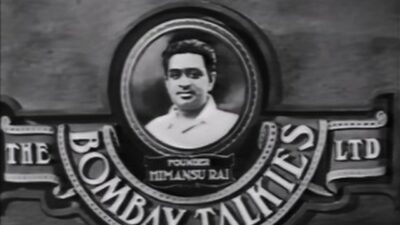
कवि प्रदीप का जन्म नाम रामचंद्र नारायणजी द्विवेदी था। उनका जन्म 6 फरवरी 1915 को उज्जैन के निकट मध्य भारत के छोटे शहर बड़नगर (वर्तमान मध्य प्रदेश) में हुआ था। लखनऊ विश्वविद्यालय से स्नातक की पढ़ाई के दौरान उन्हें हिंदी कविता लिखने और सुनाने का शौक था, और कवि सम्मेलनों में वे "प्रदीप" उपनाम से प्रस्तुति देते थे। बॉम्बे में एक कवि सम्मेलन में बॉम्बे टॉकीज़ के मालिक हिमांशु राय ने उन्हें सुना और उन्हें फिल्म "कंगन" (1939) के लिए गीत लिखने का पहला अवसर दिया, जिसमें देविका रानी और अशोक कुमार मुख्य भूमिका में थे। पाँच दशकों के करियर में उन्होंने लगभग 72 फिल्मों के लिए करीब 1,700 गीत और देशभक्ति कविताएँ लिखीं। स्वतंत्रता संग्राम के दौरान उनके निडर देशभक्ति गीतों ने उन्हें विशेष पहचान दिलाई — फिल्म "किस्मत" (1943) के गीत "दूर हटो ऐ दुनिया वालो" ने अंग्रेज़ सरकार को इतना नाराज़ किया कि गीत रिलीज़ होने के बाद गिरफ़्तारी से बचने के लिए उन्हें कुछ समय के लिए भूमिगत होना पड़ा। उनकी सबसे यादगार रचना "ऐ मेरे वतन के लोगो" है, जो 1962 के भारत-चीन युद्ध में शहीद हुए सैनिकों को श्रद्धांजलि के रूप में लिखी गई थी। 1963 में एक गणतंत्र दिवस समारोह में लता मंगेशकर द्वारा प्रधानमंत्री जवाहरलाल नेहरू के सामने गाए जाने पर यह गीत नेहरू को भावुक कर गया था, और यह आज भी भारत के सबसे प्रसिद्ध देशभक्ति गीतों में गिना जाता है। प्रदीप को 1961 में संगीत नाटक अकादमी पुरस्कार मिला और 1997 में उन्हें भारतीय सिनेमा के सर्वोच्च सम्मान दादासाहेब फाल्के पुरस्कार से सम्मानित किया गया। 11 दिसंबर 1998 को 83 वर्ष की आयु में मुंबई में उनका निधन हो गया। अपने देशभक्ति गीतों के लिए उन्हें "राष्ट्रकवि" के नाम से भी याद किया जाता है।
अंग्रेज़ी में पढ़ें · Read in English
Kavi Pradeep, born Ramchandra Narayanji Dwivedi on 6 February 1915 in the small town of Badnagar near Ujjain in central India, was one of Hindi cinema's most celebrated lyricists and a pioneer of the patriotic film song. He developed a love for Hindi poetry while studying at the University of Lucknow, performing at poetry gatherings under the pen name "Pradeep." His entry into films came after Himanshu Rai, owner of Bombay Talkies, heard him at a poets' conference in Bombay and offered him his first assignment writing for Kangan (1939), starring Devika Rani and Ashok Kumar.
Over a career spanning five decades, Pradeep wrote roughly 1,700 songs and nationalist verses across about 72 films. He became known for his defiantly patriotic lyrics during the independence struggle, most notably "Door Hato Ae Duniya Walo" in Kismet (1943), a song so provocative to the British colonial government that Pradeep was forced to go underground to avoid arrest after its release.
His most enduring composition is "Aye Mere Watan Ke Logo," written as a tribute to soldiers who died in the 1962 Sino-Indian War; sung by Lata Mangeshkar before Prime Minister Jawaharlal Nehru at a Republic Day function in 1963, it reportedly moved Nehru to tears and remains one of India's best-known patriotic songs. Pradeep received the Sangeet Natak Akademi Award in 1961 and was honoured with the Dadasaheb Phalke Award, Indian cinema's highest recognition, in 1997. He died on 11 December 1998 in Mumbai at the age of 83 and is remembered as "Rashtrakavi" (National Poet) for his body of patriotic work.
अन्य विवरण
More Details- Birth Year
- 1915
- Death Year
- 1998
अभिलेख-सार
Discography Summary| संग्रह में गीत | 24 — नीचे जुड़े हुए पन्नों में सूचीबद्ध |
|---|
अभिलेख व संदर्भ
Archives & References| विकिपीडिया | Wikipedia |
|---|
जुड़े हुए पन्ने
Connected Plates · The Graph Made Visibleअटलस में कोई पन्ना अकेला नहीं — कवि प्रदीप से उनके गीत, फ़िल्में, घराना, समकालीन और युग, सब यहाँ से खुलते हैं।
हस्ताक्षर-गीत · Signature Songs
फ़िल्में · The Films
साझा कीजिए · Share this Plate