गीत विंग · गीत-पट्टिका · Song Plate
उड़ जाऊँ रे मैं तो तारों की दुनिया में
Ud Jaoon Re Main To Taaron Ki Duniya Mein
फ़िल्म का सबसे अधिक सूचीबद्ध गीत — इस दुनिया से उड़कर तारों की दुनिया में चले जाने की चाह।
भावमीठा-कड़वा · प्रेरणादायक · पुरानी यादें
भाषाhindi गतिमध्यम स्वरूपएकल महिला
श्रेय
The Creditsसूत्र-वाक्य · The Hook
सूत्र-वाक्य
फ़िल्म का सबसे अधिक सूचीबद्ध गीत — इस दुनिया से उड़कर तारों की दुनिया में चले जाने की चाह।
In EnglishThe film's most-listed song — a wish to fly out of this world and into the world of stars.
पट्टिका-लेख
The Monographपरिचय Overview
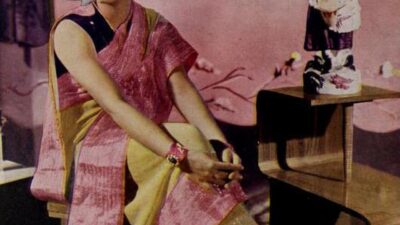
'आम्रपाली' का यही एक गीत है जिसके साथ फ़िल्म-गीत सूचियाँ गायिका के अलावा परदे के कलाकार भी दर्ज करती हैं — सबिता देवी, प्रेम अदीब, जीवन और बद्री प्रसाद इसके सामने सूचीबद्ध हैं — और फ़िल्म के किसी भी अन्य गीत से अधिक श्रोता-रेटिंग इसी को मिली है, जो इसे संगीत-संकलन का सबसे जाना-पहचाना गीत बनाता है। गाया अमीरबाई कर्नाटकी ने है; शीर्षक दुनिया छोड़कर तारों की दुनिया में चले जाने की सीधी-सादी चाह है।
अंग्रेज़ी में पढ़ें · Read in English
This is the one Amrapali song for which the film-song catalogues record on-screen artists as well as a singer — Sabita Devi, Prem Adib, Jeevan and Badri Prasad are listed against it — and it draws more listener ratings than any other track from the film, which makes it the soundtrack's best-known number. Amirbai Karnataki sings; the title is a straightforward wish to leave the world for the world of stars.
संगीत The Music
मध्यम लय और ऊपर उठती धुन-रेखा — धुन को वही उड़ान करके दिखानी है जिसका वर्णन बोल करते हैं, और 1940 के दशक की बंबई-पद्धति में इसका अर्थ था मुखड़े के आरंभ में चढ़ता हुआ स्वर-वाक्य और 'उड़' शब्द पर एक बड़ा अंतराल। सरस्वती देवी संगत को पतला रखती हैं ताकि यह चढ़ाव सुनाई दे; बाक़ी काम अमीरबाई का खुला ऊपरी स्वर कर देता है।
अंग्रेज़ी में पढ़ें · Read in English
Medium tempo with a lifting melodic contour — the tune has to enact the flight the words describe, which in 1940s Bombay practice meant an ascending phrase at the head of the mukhda and a wide interval on the word ud ('fly'). Saraswati Devi keeps the accompaniment thin so the rise is audible; Amirbai's open upper register does the rest.
काव्य The Poetry
तारों की दुनिया हिंदी गीत की सबसे टिकाऊ पलायन-छवियों में से एक है, और प्रदीप उसका सबसे सादा रूप बरतते हैं: न स्वर्ग, न मोक्ष — बस 'तारों की दुनिया', कहीं ऊपर, यहाँ से दूर। एक ऐसी स्त्री की कथा में रखा गया जिसकी सांसारिक स्थिति ही वह है जिससे वह बच नहीं सकती, यह चाह कल्पना कम और निदान अधिक है। 'रे' का प्रयोग पंक्ति को कविता के बजाय बोलचाल की आत्मीयता देता है।
अंग्रेज़ी में पढ़ें · Read in English
The star-world is one of the most durable escape images in Hindi song, and Pradeep uses the simplest possible construction of it: not heaven, not moksha, just taaron ki duniya — somewhere up there, away from here. Placed in a story about a woman whose worldly position is precisely what she cannot escape, the wish is less a fantasy than a diagnosis. The particle re gives the line the intimacy of speech rather than of verse.
कहानी The Story
'आम्रपाली' (1945) का निर्देशन नंदलाल जसवंतलाल ने मुरली मूवीटोन के लिए किया और यह वैशाली की आम्रपाली की कथा पर आधारित है — लिच्छवि गणराज्य की प्रसिद्ध नगरवधू, जिसने परंपरागत वृत्तांत के अनुसार अपना पद त्यागकर आम्रवन और समस्त संपत्ति बुद्ध के संघ को दे दी। सबिता देवी, प्रेम अदीब, जीवन, अरुण, जगदीश सेठी, बद्री प्रसाद, गुलाब और संकठा प्रसाद इसके प्रलेखित कलाकार हैं। सरस्वती देवी ने इस फ़िल्म के लिए कवि प्रदीप के बोलों पर ग्यारह गीत रचे — बॉम्बे टॉकीज़ छोड़ने के बाद लिखे उनके गिने-चुने संगीत-संकलनों में से एक।
अंग्रेज़ी में पढ़ें · Read in English
Amrapali (1945) was directed by Nandlal Jaswantlal for Murli Movietone and drew on the legend of Amrapali of Vaishali, the celebrated nagarvadhu of the Licchavi republic who, in the traditional account, renounced her position and gave her mango grove and fortune to the Buddha's order. Sabita Devi, Prem Adib, Jeevan, Arun, Jagdish Sethi, Badri Prasad, Gulab and Sankatha Prasad are the documented cast. Saraswati Devi composed eleven songs for the picture to lyrics by Kavi Pradeep — one of the few soundtracks she wrote after leaving Bombay Talkies.
विरासत The Legacy
'आम्रपाली' के ग्यारह गीतों में यही वह गीत है जिसे सूचियों में सबसे अधिक आगे बढ़ाया गया और जिसके साथ परदे के कलाकारों के नाम जुड़े हैं — इससे लगता है कि यही फ़िल्म का प्रचारित गीत था। फिर भी यह 1940 के दशक के मानक पुनरुद्धार-भंडार में नहीं पहुँचा; फ़िल्म के लुप्त होने के साथ उसका संगीत भी चला गया।
अंग्रेज़ी में पढ़ें · Read in English
Of Amrapali's eleven songs this is the one most often carried forward in listings and the only one attached to named on-screen performers, which suggests it was the picture's promoted number. It has not, however, entered the standard 1940s revival repertoire; the film's disappearance took its soundtrack with it.
वर्गीकरण
Classification- Tempo
- Medium
Genre
अन्य विवरण
More Details- https://www.hindigeetmala.net/movie/amrapali.htm
- https://en.wikipedia.org/wiki/List_of_Hindi_films_of_1945
- https://en.wikipedia.org/wiki/Saraswati_Devi_(music_director)
- https://en.wikipedia.org/wiki/Kavi_Pradeep
- https://www.bollywoodmdb.com/movie/amrapali-13123/cast-crew
- https://en.wikipedia.org/wiki/Ambapali
References
रोचक तथ्य
Margin Notes'आम्रपाली' के ग्यारह दर्ज गीतों में से छह पर गायिका के रूप में अमीरबाई कर्नाटकी (1906–1965) का नाम है — यानी यह एल्बम व्यावहारिक रूप से उन्हीं का है। युद्धकालीन बंबई की सबसे अधिक रिकॉर्ड की जाने वाली स्त्री-आवाज़ों में वे एक थीं, ठीक उन बरसों में जब लता मंगेशकर के आगमन ने यह क्षेत्र बदल दिया।
अंग्रेज़ी में पढ़ें · Read in English
Amirbai Karnataki (1906–1965) is credited as the singer on six of Amrapali's eleven documented songs, which makes the album effectively hers. She was among the most-recorded female voices of wartime Bombay, in the seasons just before Lata Mangeshkar's arrival changed the field.
आम्रपाली की कथा इक्कीस वर्ष बाद लेख टंडन की रंगीन फ़िल्म 'आम्रपाली' (1966) के रूप में हिंदी सिनेमा में लौटी, जिसने जनस्मृति में इस 1945 वाली फ़िल्म को लगभग विस्थापित कर दिया; पुरानी फ़िल्म आज प्रचलन में उपलब्ध नहीं है।
अंग्रेज़ी में पढ़ें · Read in English
The Amrapali legend returned to Hindi cinema twenty-one years later as Lekh Tandon's colour production Amrapali (1966), which has largely displaced this 1945 version in public memory; the earlier film is not known to be in circulation today.
नमूना-पट्टी
The Specimen Table| शीर्षक | उड़ जाऊँ रे मैं तो तारों की दुनिया में · Ud Jaoon Re Main To Taaron Ki Duniya Mein |
|---|---|
| फ़िल्म | आम्रपाली · 1945 |
| वर्ष · युग | 1945 |
| गायक | Amirbai Karnataki |
| गीतकार | Kavi Pradeep |
| संगीतकार | Saraswati Devi |
| स्वरूप | एकल महिला |
| गति | मध्यम |
| भाषा | hindi |
| भाव | मीठा-कड़वा · प्रेरणादायक · पुरानी यादें |
| लोकप्रियता | Known |
| बोल-स्थिति | केवल झलक |
जुड़े हुए पन्ने
Connected Plates · The Graph Made Visibleअटलस में कोई पन्ना अकेला नहीं — इस गीत से जुड़े गीत, कलाकार, फ़िल्म, राग-ताल-विधा, सब यहाँ से खुलते हैं।
मिलते-जुलते गीत · Related Songs
कलाकार · The Artists
फ़िल्म · The Film
साझा कीजिए · Share this Plate