गीत विंग · गीत-पट्टिका · Song Plate
ये रात ये चाँदनी फिर कहाँ
Ye Raat Ye Chandni Phir Kahan
एक ऐसा गीत जो एहसास कराए कि चाँदनी उँगलियों से फिसल रही है — ख़ूबसूरत, क्षणिक और बाँधे न बँधने वाली।
भावमीठा-कड़वा · उदास · पुरानी यादें · रोमांटिक
भाषाUrdu · Hindi गतिधीमी स्वरूपएकल पुरुष
श्रेय
The Creditsबोल · The Lyrics
बोल — झलक · Lyrics Preview
सुन जा दिल की दास्ताँ
Sun ja dil ki daastaan
कॉपीराइट के कारण केवल झलक — पूरे बोल आधिकारिक मंचों पर।
शब्दकोश
Word Meaningsसूत्र-वाक्य · The Hook
सूत्र-वाक्य
एक ऐसा गीत जो एहसास कराए कि चाँदनी उँगलियों से फिसल रही है — ख़ूबसूरत, क्षणिक और बाँधे न बँधने वाली।
In EnglishA song that makes you feel the moonlight slipping through your fingers: beautiful, fleeting, and impossible to hold.
पट्टिका-लेख
The Monographपरिचय Overview
एस. डी. बर्मन का संगीत, साहिर लुधियानवी के बोल और हेमन्त कुमार की आवाज़ से बना 'ये रात ये चाँदनी फिर कहाँ' गुरु दत्त की शुरुआती फ़िल्म जाल (1952) का एक अमर नग़मा है। देव आनंद के लिए पार्श्वगायन के साथ HMV पर जारी यह गीत उस क्षण की व्याकुल कोमलता को पकड़ता है जिसके बारे में प्रेमी जानता है कि यह टिकने वाला नहीं। हेमन्त कुमार की विशिष्ट बैरीटोन आवाज़ — जिसमें मखमली रात का एहसास है — ने इसे उनकी सबसे यादगार रिकॉर्डिंग में शामिल कर दिया।
अंग्रेज़ी में पढ़ें · Read in English
Composed by S.D. Burman and sung by Hemant Kumar for Guru Dutt's early directorial Jaal (1952), 'Ye Raat Ye Chandni Phir Kahan' is one of the most beloved moonlit romantic songs in Hindi film history. With lyrics by Sahir Ludhianvi and playback for Dev Anand, the song captures the urgent tenderness of a moment that the lover knows cannot last. Released on the HMV label, it belongs to S.D. Burman's early Bombay phase when he was fusing Hindustani melodic sensibility with a lighter, more intimate orchestration influenced by Western chamber music. Hemant Kumar's distinctive baritone, with its quality of velvety night, made it one of his signature recordings.
संगीत The Music
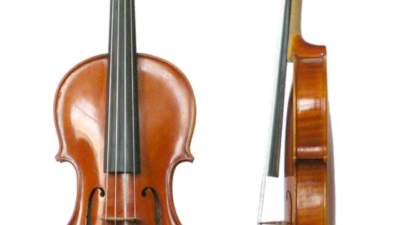
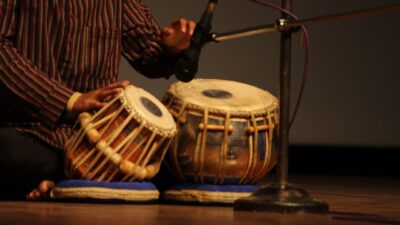
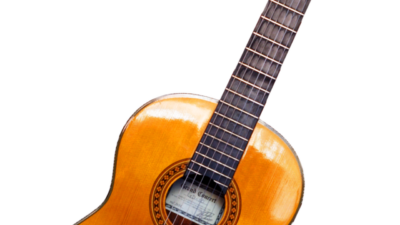
एस. डी. बर्मन की संगीत-व्यवस्था बॉम्बे फ़िल्म आर्केस्ट्रेशन की एक प्रारंभिक उत्कृष्ट कृति है। नौशाद के पूर्ण शास्त्रीय उपकरण के विपरीत, बर्मन का रंग-संयोजन यहाँ अंतरंग है: एक हल्की गिटार आर्पेजियो, एक सादा वायलिन खंड, और न्यूनतम स्पर्श से तबला। धुन राग यमन के क़रीब है पर बर्मन उसे खुला छोड़ते हैं। हेमन्त कुमार की आवाज़ उनकी बोलने की आवाज़ से थोड़ी नीचे के सुर में है, जिससे गीत में एक असाधारण रात्रिकालीन अंतरंगता पैदा होती है — वे गा नहीं रहे, मानो फुसफुसा रहे हों।
अंग्रेज़ी में पढ़ें · Read in English
S.D. Burman's arrangement is an early masterpiece of Bombay film orchestration. Unlike the full classical apparatus Naushad deployed in Baiju Bawra, Burman's palette here is intimate: a gentle guitar arpeggio (unusual for 1952), a spare violin section, and a tabla keeping time with the lightest possible touch. The melody itself sits in a mode close to Raag Yaman — evening raag of romantic longing — but Burman treats it loosely, allowing the melody to drift toward a Western melodic idiom before returning to its Hindustani centre. Hemant Kumar's voice is deployed at a register just below his natural speaking range, giving the song an extraordinary quality of night-time intimacy, as though he is murmuring rather than singing.
काव्य The Poetry
साहिर लुधियानवी — वह मार्क्सवादी-रोमांटिक शायर जो आगे चलकर हिंदी फ़िल्म संगीत के सबसे प्रतिष्ठित गीतकार बनेंगे — 1952 में अभी अपनी सिनेमाई आवाज़ स्थापित कर रहे थे। फिर भी 'ये रात ये चाँदनी फिर कहाँ' पहले से ही उनके कुशल संपीडन का प्रदर्शन करता है: कुछ सरल उर्दू शब्दों में, वे प्रेमी के उस पूरे दार्शनिक संकट को समेट लेते हैं जिसमें सुंदरता की क्षणभंगुरता उसे एक साथ और सुंदर और असहनीय बना देती है। 'फिर कहाँ' एक सवाल से अस्तित्वगत उदासी की अभिव्यक्ति बन जाता है।
अंग्रेज़ी में पढ़ें · Read in English
Sahir Ludhianvi, the Marxist-romantic poet who would become one of Hindi film music's most celebrated lyricists, was at this point in 1952 still establishing his cinematic voice. Yet 'Ye Raat Ye Chandni Phir Kahan' already demonstrates his masterly compression: in a few simple Urdu words, he captures the entire philosophical crisis of the romantic — the awareness that beauty is impermanent makes it both more beautiful and more unbearable. The phrase 'phir kahan' (then where? or: when again?) is a masterstroke, turning a simple question into an expression of existential longing. 'Dil ki daastaan' (the story of the heart) suggests that love has a narrative, a beginning, middle and end, and this night may be all of it.
कहानी The Story
जाल (1952) गुरु दत्त की बतौर निर्देशक केवल दूसरी फ़िल्म थी, और इसमें पहले से ही वह दृश्य-भावनात्मक संवेदनशीलता झलकती थी जो उनकी बाद की कृतियों को परिभाषित करेगी। देव आनंद ने गोवा के तट पर एक यूरोपीय महिला के जीवन में उलझे मछुआरे की भूमिका निभाई। एस. डी. बर्मन ने, जिनकी गुरु दत्त के साथ बॉम्बे के शुरुआती दिनों से गहरी दोस्ती थी, एक ऐसा संगीत बनाया जो गोवा के तटीय माहौल को हिंदुस्तानी संगीत-शैली के साथ घोलता है। हेमन्त कुमार को इस गीत के लिए बर्मन ने चुना।
अंग्रेज़ी में पढ़ें · Read in English
Jaal (1952) was only Guru Dutt's second film as director, and it already showed the visual and emotional sensibility that would define his later masterpieces. The film starred Dev Anand as a fisherman drawn into the life of a European woman on the Goa coast. S.D. Burman, who had already developed a friendship with Guru Dutt from their early years in Bombay, composed a score that blended Goa's coastal ambience with Hindustani musical idioms. The choice of Hemant Kumar for this song was Burman's; he wanted a voice that could carry romance without sentimentality, a quality he felt only Hemant's baritone possessed. The moonlit setting of the song was reportedly inspired by actual nights Burman spent on a Goa beach while scouting for the film.
विरासत The Legacy
इस गीत ने हेमन्त कुमार को रात्रिकालीन, अंतरंग रोमांस की हिंदी फ़िल्म संगीत में आधिकारिक आवाज़ के रूप में स्थापित किया। यह गुरु दत्त-एस. डी. बर्मन रचनात्मक साझेदारी के साथ गहराई से जुड़ गया। 'ये रात ये चाँदनी फिर कहाँ' वाक्यांश रोज़मर्रा की हिंदी-उर्दू बोलचाल में एक ख़ूबसूरत पल के बीत जाने की मीठी उदासी व्यक्त करने के तरीक़े के रूप में शामिल हो गया।
अंग्रेज़ी में पढ़ें · Read in English
This song established Hemant Kumar as the definitive voice of Hindi film romance in a nocturnal, intimate register. It became closely associated with the Guru Dutt-S.D. Burman creative partnership, which would produce some of Hindi cinema's most poetic films. The song remains one of the most streamed and downloaded songs of the 1950s on Indian platforms, and its opening phrase 'ye raat ye chandni phir kahan' has entered everyday Hindi-Urdu speech as a way of expressing the bittersweet awareness that a beautiful moment is passing. Sahir Ludhianvi's authorship of the lyric is frequently cited as the first evidence of his singular gift for philosophical brevity in commercial film song.
वर्गीकरण
Classification- Tempo
- Slow
Genre
अन्य विवरण
More Details- Hindi Film Geet Kosh (Har Mandir Singh Hamraaz), Vol. 3
- Wikipedia: Jaal (1952 film) https://en.wikipedia.org/wiki/Jaal_(1952_film)
- Wikipedia: Hemant Kumar https://en.wikipedia.org/wiki/Hemant_Kumar_(singer)
- Wikipedia: S.D. Burman https://en.wikipedia.org/wiki/S._D._Burman
- Wikipedia: Sahir Ludhianvi https://en.wikipedia.org/wiki/Sahir_Ludhianvi
References
रोचक तथ्य
Margin Notesजाल (1952) का निर्देशन करने वाले गुरु दत्त ने आगे चलकर प्यासा (1957) और कागज़ के फूल (1959) बनाईं, जिन्हें व्यापक रूप से विश्व सिनेमा इतिहास की 2 महानतम फ़िल्मों में गिना जाता है।
अंग्रेज़ी में पढ़ें · Read in English
Guru Dutt, who directed Jaal (1952), would go on to make Pyaasa (1957) and Kaagaz Ke Phool (1959), widely considered two of the greatest films in world cinema history.
इस गीत में गिटार आर्पेजियो संगत का प्रयोग 1952 के हिंदी फ़िल्म संगीत के लिए काफ़ी असामान्य था, जो गोवा के पुर्तगाली-प्रभावित संगीत परिवेश को दर्शाता है।
अंग्रेज़ी में पढ़ें · Read in English
The use of guitar arpeggio accompaniment in this song was quite unusual for Hindi film music in 1952, reflecting Goa's Portuguese-influenced musical environment.
1950 के दशक की शुरुआत में एस.डी. बर्मन और साहिर लुधियानवी के सहयोग ने हिंदी सिनेमा के कुछ सबसे काव्यात्मक रूप से महत्वाकांक्षी गीत रचे, इससे पहले कि दशक के बाद के वर्षों में दोनों अलग हो गए।
अंग्रेज़ी में पढ़ें · Read in English
S.D. Burman and Sahir Ludhianvi's collaboration in the early 1950s produced some of Hindi cinema's most poetically ambitious songs before the two parted ways later in the decade.
हेमंत कुमार (हेमंत मुखर्जी) बांग्ला सिनेमा में भी उतने ही प्रसिद्ध थे, जहाँ सप्तपदी जैसी फ़िल्मों के लिए उनकी रिकॉर्डिंग को क्लासिक माना जाता है।
अंग्रेज़ी में पढ़ें · Read in English
Hemant Kumar (Hemanta Mukherjee) was equally celebrated in Bengali cinema, where his recordings for films like Saptapadi were considered classics.
गीत का शीर्षक-प्रश्न, 'ये रात ये चाँदनी फिर कहाँ', 1950 के दशक की हिंदी फ़िल्मी कविता की सबसे अधिक उद्धृत पंक्तियों में गिना जाता है।
अंग्रेज़ी में पढ़ें · Read in English
The song's title question, 'ye raat ye chandni phir kahan' (where again, this night, this moonlight?), is among the most quoted lines from 1950s Hindi film poetry.
नमूना-पट्टी
The Specimen Table| शीर्षक | ये रात ये चाँदनी फिर कहाँ · Ye Raat Ye Chandni Phir Kahan |
|---|---|
| वर्ष · युग | 1952 — Golden Era |
| गायक | Hemant Kumar |
| गीतकार | Sahir Ludhianvi |
| संगीतकार | S.D. Burman |
| स्वरूप | एकल पुरुष |
| गति | धीमी |
| अवधि | 3:45 |
| भाषा | Urdu · Hindi |
| वाद्य | violin · tabla · guitar · harmonium |
| भाव | मीठा-कड़वा · उदास · पुरानी यादें · रोमांटिक |
| लोकप्रियता | Legendary |
| बोल-स्थिति | केवल झलक |
जुड़े हुए पन्ने
Connected Plates · The Graph Made Visibleअटलस में कोई पन्ना अकेला नहीं — इस गीत से जुड़े गीत, कलाकार, फ़िल्म, राग-ताल-विधा, सब यहाँ से खुलते हैं।
मिलते-जुलते गीत · Related Songs
कलाकार · The Artists
युग · The Era
साझा कीजिए · Share this Plate
यह पन्ना आगे बढ़ाइए
हेमन्त कुमार की आवाज़ ख़ुद चाँदनी की आवाज़ थी: ख़ूबसूरत, शीतल, और बाँधे न बँधने वाली।
Hemant Kumar's voice was the sound of moonlight itself: beautiful, cool, and impossible to hold.
— Music critic Narendra Kusnur (paraphrase)
सवाल-जवाब
Questions & Answersये रात ये चाँदनी फिर कहाँ किसने गाया? · Who sang Ye Raat Ye Chandni Phir Kahan?
हेमन्त कुमार ने 1952 की गुरु दत्त की फ़िल्म जाल में देव आनंद के लिए गाया। संगीत एस. डी. बर्मन का और बोल साहिर लुधियानवी के थे।
Hemant Kumar sang it as playback for Dev Anand in the 1952 Guru Dutt film Jaal. Music was by S.D. Burman and lyrics by Sahir Ludhianvi.
ये रात ये चाँदनी फिर कहाँ किस फ़िल्म का गीत है? · What film is Ye Raat Ye Chandni Phir Kahan from?
यह गीत जाल (1952) से है, जो गुरु दत्त निर्देशित और देव आनंद अभिनीत फ़िल्म थी। यह गुरु दत्त की बतौर निर्देशक दूसरी फ़िल्म थी।
The song is from Jaal (1952), a Guru Dutt-directed film starring Dev Anand, set on the coast of Goa. It was Guru Dutt's second film as director.
गीत में 'फिर कहाँ' का क्या अर्थ है? · What is the meaning of phir kahan in the song?
'फिर कहाँ' का अर्थ है: 'फिर कब? फिर कहाँ?' इस गीत में यह उस मर्मभेदी भावना को व्यक्त करता है कि चाँदनी और प्रेम की यह विशेष रात शायद फिर न आए।
Phir kahan literally means 'where again?' or 'when again?'. In the song it expresses the aching awareness that this particular night of moonlight and love may never come again, capturing the bittersweet transience of perfect moments.