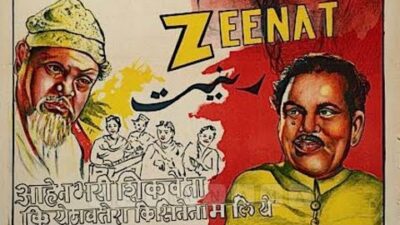
आहें न भरीं शिकवे न किए
Aahen Na Bhari Shikwe Na Kiye
गीत विंग · गीत-पट्टिका · Song Plate
Bulbulo Mat Ro Yahaan
न रोने का हुक्म देने वाला गीत जो ख़ुद आँखें भिगो दे — 1945 की नूर जहाँ की सबसे दर्दनाक फुसफुसाहट।
भावमीठा-कड़वा · अविस्मरणीय · उदास
भाषाUrdu · Hindi गतिधीमी स्वरूपएकल महिला
सूत्र-वाक्य · The Hook
न रोने का हुक्म देने वाला गीत जो ख़ुद आँखें भिगो दे — 1945 की नूर जहाँ की सबसे दर्दनाक फुसफुसाहट।
In EnglishA song about not weeping that makes you weep — Noor Jehan's most heartbreaking whisper from 1945.
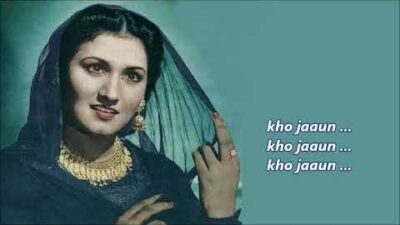
"बुलबुलो मत रो यहाँ" — ज़ीनत (1945) में नूर जहाँ का यह एकल गीत उनकी सर्वश्रेष्ठ प्रारंभिक रिकॉर्डिंग में गिना जाता है। हाफ़िज़ ख़ान के संगीत और नक्शब जारचवी की शायरी से बनी यह रचना बुलबुल को — और गायिका को ख़ुद को — रोने से रोकने का आदेश है, जब दर्द सहना नामुमकिन लगे। नूर जहाँ की आवाज़ उस वक़्त अपने सबसे निखरे रूप में थी, और उन्होंने इस ख़ामोश रहने के हुक्म को ही ख़ुद एक रूलाई बना दिया। एचएमवी पर रिलीज़ यह गीत 1940s के हिंदी-उर्दू फ़िल्मी गीत की एक छोटी-सी नायाब कृति है।
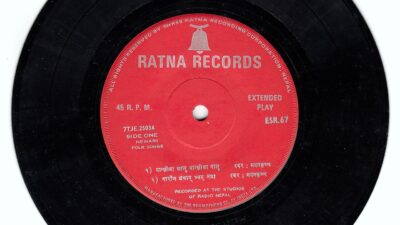
"Bulbulo Mat Ro Yahaan" is one of Noor Jehan's finest solo recordings of 1945, drawn from the landmark film Zeenat directed by Syed Shaukat Hussain Rizvi. Composed by Hafiz Khan and penned by Nakshab Jarchvi, the song is a slow, aching command to the nightingale — and to the singer herself — to suppress weeping in the face of overpowering grief. Noor Jehan's voice, then at its most luminous and controlled, turns the injunction to silence into its own kind of lament, making audible everything that the lyric asks to be kept hidden. Released on HMV as part of Zeenat's celebrated soundtrack, it stands as a small masterpiece of early Hindi-Urdu film song.
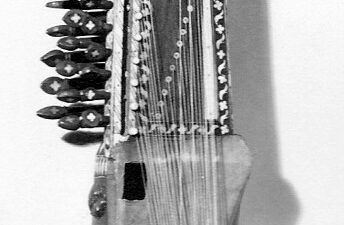
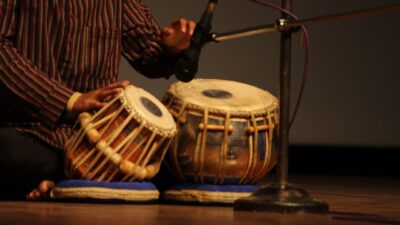
हाफ़िज़ ख़ान का संगीत यहाँ अंतरंग और संयमित है — हारमोनियम सुर की नींव है, सारंगी एक करुण रंग जोड़ती है, तबला दादरा को हल्के-से थामे है। रचना राग भैरवी के आसपास चलती है — जिसका भावनात्मक क्षेत्र विदाई, दुख और बुझती भावनाएँ हैं, और यह इस गीत के भाव से पूरी तरह मेल खाता है। नूर जहाँ की गायकी में संयम अद्भुत है — मींड और मुर्की विरल हैं, लय इतनी धीमी कि हर शब्द अपना पूरा वज़न ले सके। सुनने वाले को लगता है — गायिका रोना रोककर रख रही है, जो ठीक वही है जो गीत माँग रहा है।
Hafiz Khan's arrangement for this solo is intimate and restrained — harmonium anchors the melody, sarangi adds a mournful gloss, and tabla marks the Dadra with the lightest possible touch. The composition sits comfortably in the neighbourhood of Raag Bhairavi, whose emotional territory — farewell, grief, the dying embers of feeling — perfectly suits the text. Noor Jehan's interpretation is notable for what she holds back: the ornamentation is sparse, the tempo is kept slow enough to allow each word its full weight. The effect is of hearing someone try — and fail — to keep composure, which is precisely the lyric's emotional situation.
यह शायरी उर्दू की क्लासिकल बुलबुल-परंपरा पर चलती है: बुलबुल यानी विरही प्रेमी, जिसे कोई रोने से मना कर रहा है। नक्शब जारचवी यह निषेध — 'यहाँ मत रो, आँसू मत बहाओ' — दर्द को कम नहीं बल्कि और गहरा करने के लिए इस्तेमाल करते हैं। याद आती है, और हुक्म और गहरा होता जाता है: 'दिल को जलाना मना।' गीत में संबोधित बुलबुल दरअसल गायिका ख़ुद है — और यह निषेध श्रोता के दिल में भी उतरता है।
The poem works through a classical Urdu trope: the nightingale (bulbul) as the emblem of the lovelorn speaker, told by some authority to stop crying. The poet Nakshab Jarchvi uses this prohibition — 'you must not cry here, you must not shed tears' — to intensify rather than contain the grief. Memory intrudes ('the thought of him has come'), and the command deepens into dark irony: 'you must not set the heart on fire.' The nightingale addressed is of course the singer herself, and the prohibition is addressed to the audience as much as the persona.
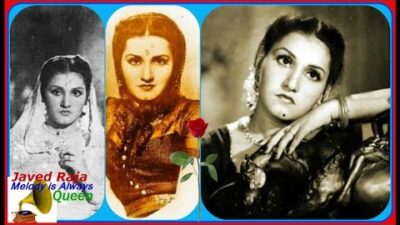
नूर जहाँ ने यह गीत ज़ीनत (1945) के लिए गाया और इसी फ़िल्म में उन्होंने प्रमुख भूमिका भी निभाई। उस दौर में अभिनय और प्लेबैक दोनों एक साथ करना आम था। रिकॉर्डिंग बॉम्बे में हाफ़िज़ ख़ान के निर्देशन में हुई। फ़िल्म के निर्देशक शौकत हुसैन रिज़वी से नूर जहाँ ने 1945 में शादी की। ज़ीनत 1945 की सर्वाधिक कमाई वाली हिंदी फ़िल्म बनी, और इस एकल गीत को साउंडट्रैक के सर्वाधिक सराहे जाने वाले गीतों में माना गया।
Noor Jehan sang this song for the film Zeenat (1945), in which she also played the lead role. The dual burden of acting and playback in the same production was common in this era — artists like Noor Jehan, K.L. Saigal, and Suraiya were expected to perform both. The recording was made in Bombay under Hafiz Khan's direction. The film, directed by Shaukat Hussain Rizvi (who would marry Noor Jehan in 1945), became the highest-grossing film of the year, and this melancholic solo was one of the most widely appreciated songs in a soundtrack that also contained the historic all-female qawwali.
"बुलबुलो मत रो यहाँ" उस उर्दू-रंग वाले फ़िल्मी गीत की परंपरा का नमूना है जो 1940s बॉम्बे सिनेमा पर राज करती थी — शास्त्रीय राग की संवेदना और लोकप्रिय गीत की पहुँच का सुंदर संगम। नूर जहाँ ने यह शैली अपने पूरे करियर में निखारी, भारत में और फिर पाकिस्तान में जहाँ वे राष्ट्रीय प्रतीक बन गईं। यह रिकॉर्डिंग सारेगामा के संग्रह में सुरक्षित है और विभाजन-पूर्व हिंदी फ़िल्म संगीत में नूर जहाँ की कला का प्रमाण है।
"Bulbulo Mat Ro Yahaan" exemplifies the school of Urdu-inflected film song that dominated 1940s Bombay cinema, blending classical raag sensibility with the accessibility of the popular song. Noor Jehan herself would continue to refine this style across her career, both in India and later in Pakistan where she became a national icon. The recording is preserved in Saregama's archive and represents Noor Jehan at the height of her pre-Partition artistry in Hindi film music.
नूरजहाँ ने ज़ीनत (1945) में अभिनय भी किया और पार्श्वगायन भी — उस दौर की प्रमुख अभिनेत्रियों के लिए यह दोहरी भूमिका आम बात थी।
Noor Jehan both acted in and sang playback for Zeenat (1945), a dual role common for leading stars of the era.
निर्देशक शौकत हुसैन रिज़वी (ज़ीनत के निर्देशक) ने 1945 में नूरजहाँ से विवाह किया, उसी वर्ष जब यह फ़िल्म प्रदर्शित हुई थी।
Director Shaukat Hussain Rizvi (of Zeenat) married Noor Jehan in 1945, the same year the film released.
ज़ीनत 1945 की सबसे अधिक कमाई करने वाली हिंदी फ़िल्म थी, और यह विषादपूर्ण एकल गीत इसके सबसे प्रशंसित गीतों में गिना जाता है।
Zeenat was the highest-grossing Hindi film of 1945, with this melancholic solo among its most celebrated tracks.
नूरजहाँ 1947 में पाकिस्तान चली गईं और पाकिस्तानी संगीत इतिहास की सर्वाधिक प्रिय गायिकाओं में से एक बनीं।
Noor Jehan would migrate to Pakistan in 1947 and become one of the most beloved singers in Pakistani music history.
बुलबुल उर्दू शायरी में एक चिरस्थायी प्रतीक है, जिसकी जड़ें शास्त्रीय फ़ारसी-प्रभावित काव्य तक जाती हैं।
The nightingale (bulbul) is a perennial symbol in Urdu poetry, going back to classical Persian-influenced verse.
| शीर्षक | बुलबुलो मत रो यहाँ · Bulbulo Mat Ro Yahaan |
|---|---|
| फ़िल्म | ज़ीनत · 1945 |
| वर्ष · युग | 1945 — Pre-Independence (1931–1947) |
| गायक | Noor Jehan |
| संगीतकार | हाफ़िज़ ख़ान |
| स्वरूप | एकल महिला |
| गति | धीमी |
| भाषा | Urdu · Hindi |
| वाद्य | harmonium · sarangi · tabla |
| भाव | मीठा-कड़वा · अविस्मरणीय · उदास |
| लोकप्रियता | Popular |
| बोल-स्थिति | केवल झलक |
अटलस में कोई पन्ना अकेला नहीं — इस गीत से जुड़े गीत, कलाकार, फ़िल्म, राग-ताल-विधा, सब यहाँ से खुलते हैं।
साझा कीजिए · Share this Plate
नूर जहाँ उस दर्द को महसूस करा देती थीं जिसे छुपाने का हुक्म दिया गया था।
Noor Jehan could make you feel the grief the lyric was asking her to hide.
— A noted Pakistani music critic, on Noor Jehan's pre-Partition recordings
यह सैयद शौकत हुसैन रिज़वी निर्देशित ज़ीनत (1945) का गीत है, जो उस साल की सर्वाधिक कमाई वाली हिंदी फ़िल्म थी।
It is from Zeenat (1945), directed by Syed Shaukat Hussain Rizvi, the highest-grossing Hindi film of that year.
इसे नूर जहाँ ने गाया, जो इस फ़िल्म में अभिनय भी कर रही थीं। वे हिंदी-उर्दू फ़िल्म संगीत की महानतम गायिकाओं में से एक हैं।
It was sung by Noor Jehan, who also starred in the film. She was one of the greatest singers of Hindi and Urdu film music.
उर्दू और फ़ारसी शायरी में बुलबुल उस विरही प्रेमी का प्रतीक है जो टूटे दिल से गाता है। प्रिय को गुलाब के रूप में दर्शाया जाता है।
In classical Urdu and Persian poetry, the nightingale (bulbul) symbolizes the lovelorn lover who sings with a breaking heart. The beloved is often symbolised as the rose.
Aahen Na Bhari Shikwe Na Kiye
Kisi Tarah Se Mohabbat Mein Chain Paa Na Sakey