गीत विंग · गीत-पट्टिका · Song Plate
आजा रे, अब मेरा दिल पुकारा
Aaja Re Ab Mera Dil Pukara
लता, मुकेश, बारिश और मौत की छाया में प्यार — यह आरके फ़िल्म्स का सबसे बुनियादी फ़ार्मूला था, और 'आजा रे' इसका सबसे शुद्ध रूप।
भावमीठा-कड़वा · उदास · रोमांटिक
भाषाHindi · Urdu गतिMedium-Slow स्वरूपयुगल
श्रेय
The Creditsबोल · The Lyrics
बोल — झलक · Lyrics Preview
छम-छम बरसे नयन हमारे
Cham-cham barse nayan hamare
कॉपीराइट के कारण केवल झलक — पूरे बोल आधिकारिक मंचों पर।
शब्दकोश
Word Meaningsसूत्र-वाक्य · The Hook
सूत्र-वाक्य
लता, मुकेश, बारिश और मौत की छाया में प्यार — यह आरके फ़िल्म्स का सबसे बुनियादी फ़ार्मूला था, और 'आजा रे' इसका सबसे शुद्ध रूप।
In EnglishLata and Mukesh — the rain, the monsoon, and a love shadowed by mortality: this is the RK Films formula at its most elemental.
पट्टिका-लेख
The Monographपरिचय Overview
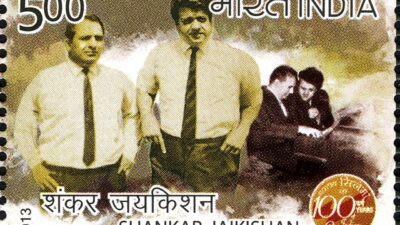
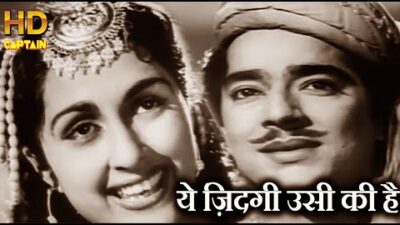
राज कपूर की आरके फ़िल्म्स की प्रस्तुति 'आह' (१९५३) — निर्देशक राजा नवाथे, अभिनय में राज कपूर और नरगिस — से है यह युगल गीत। लता मंगेशकर और मुकेश की जोड़ी, शंकर-जयकिशन का संगीत, हसरत जयपुरी के बोल। फ़िल्म का नायक तपेदिक से ग्रस्त है और गीतों में मृत्यु की छाया में पला प्यार दिखता है। बिनाका गीतमाला १९५३ में सातवें स्थान पर रहा।
अंग्रेज़ी में पढ़ें · Read in English
From RK Films' 1953 production Aah, directed by Raja Nawathe (his debut) and starring Raj Kapoor and Nargis, 'Aaja Re Ab Mera Dil Pukara' pairs Lata Mangeshkar and Mukesh — the defining voice pairing of Raj Kapoor's films — in a monsoon-inflected romantic duet. Music is by Shankar-Jaikishan with lyrics by Hasrat Jaipuri. The film's protagonist (Raj Kapoor) suffers from tuberculosis, and the songs carry this undercurrent of bittersweet love tinged with mortality. The song ranked seventh on Binaca Geetmala's 1953 annual chart.
संगीत The Music
शंकर-जयकिशन ने इस दुगाने को आरके फ़िल्म्स की विशिष्ट उष्मा के साथ रचा — एक ऐसी धुन जो शहरी-वैश्विक भी लगती है और लोक-सरल भी। राग खमाज की छाया है — हल्के शास्त्रीय रोमांटिक और सावनी मनोदशा का राग। मुकेश की उदास, गर्म आवाज़ और लता की हल्की, ऊँची आवाज़ का यह मेल एक अनोखा संतुलन बनाता है।
अंग्रेज़ी में पढ़ें · Read in English
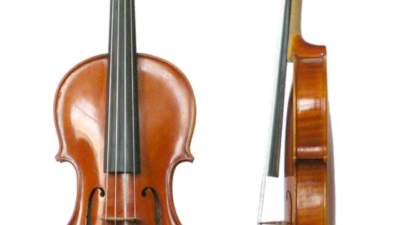
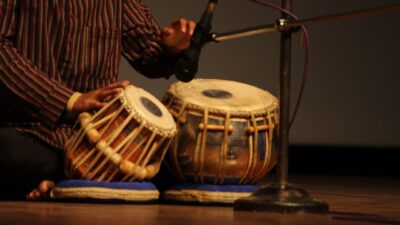
Shankar-Jaikishan crafted this duet with the characteristic RK Films warmth: a melody that feels both urban-cosmopolitan and folk-simple. The raag flavour is close to Khamaj, the raga of light classical romantic feeling and monsoon mood. Mukesh's distinctive warm-melancholic voice contrasts beautifully with Lata's lighter, higher timbre. The arrangement uses violin strings, flute and tabla — a compact orchestral palette that keeps the emotional centre on the voices. This was one of nine songs in Aah's soundtrack, all composed by Shankar-Jaikishan.
काव्य The Poetry
हसरत जयपुरी ने 'आह' के गीतों में बारिश का रूपक बार-बार इस्तेमाल किया — आँसू जैसी बारिश, बारिश जैसे आँसू — जो फ़िल्म की तपेदिक-रंगित दुनिया के लिए बिल्कुल सटीक था। 'छम-छम बरसे नयन हमारे' — हसरत की अनुनादी काव्य-शैली का खूबसूरत उदाहरण।
अंग्रेज़ी में पढ़ें · Read in English
Hasrat Jaipuri's lyric for Aah songs often worked within the rain metaphor — tears as rain, rain as tears — which suited both the monsoon imagery and the film's TB-tinged emotional world. 'Cham-cham barse nayan hamare' (our eyes rain cham-cham) is a characteristic Jaipuri device: onomatopoeia made lyrical.
कहानी The Story
'आह' (१९५३) राज कपूर ने आरके फ़िल्म्स के तहत बनाई और राजा नवाथे ने पहली बार निर्देशित किया। पहले नायक की मृत्यु होने वाली थी (तपेदिक से), लेकिन प्रीमियर के बाद राज कपूर ने अंत बदलकर सुखद कर दिया। बॉक्स-ऑफ़िस पर फ़िल्म कमज़ोर रही पर संगीत ज़बरदस्त हिट हुआ। बाद में इसे तमिल में 'अवन' और तेलुगु में 'प्रेम लेखालू' नाम से डब किया गया।
अंग्रेज़ी में पढ़ें · Read in English
Aah (1953) was produced by Raj Kapoor under the RK Films banner and directed by Raja Nawathe in his directorial debut. The original ending showed Raj Kapoor's character dying of tuberculosis, but Kapoor changed it to a happy ending after the premiere. Despite being rated 'below average' at the box office, the music was enormously successful. It was later dubbed into Tamil as Avan and Telugu as Prema Lekhalu.
विरासत The Legacy
आरके फ़िल्म्स के गीतों में लता-मुकेश की जोड़ी १९५०-६० के दशक के हिंदी सिनेमा की परिभाषित ध्वनि पहचान है। 'आह' के गीत आज भी विंटेज हिंदी संगीत प्लेलिस्ट में जगह पाते हैं।
अंग्रेज़ी में पढ़ें · Read in English
The Lata-Mukesh pairing in RK Films songs is one of the defining audio identities of 1950s Hindi cinema. Songs from Aah continue to appear on vintage Hindi film music playlists worldwide. Shankar-Jaikishan's work here shows the early development of the RK sound that would culminate in classics like Shree 420 (1955) and Awaara (1951).
वर्गीकरण
Classification- Tempo
- Medium-Slow
Genre
अन्य विवरण
More Details- Wikipedia: Aah (film) — https://en.wikipedia.org/wiki/Aah_(film)
- HindiGeetmala.net: Binaca Geetmala 1953 — https://www.hindigeetmala.net/geetmala/binaca_geetmala_1953.php
- BollywooDirect: Remembering Hasrat Jaipuri — https://bollywoodirect.medium.com/
- Wikipedia: Hasrat Jaipuri — https://en.wikipedia.org/wiki/Hasrat_Jaipuri
References
रोचक तथ्य
Margin Notesराज कपूर ने प्रीमियर के बाद आह के अंत को दुखांत (टीबी से मृत्यु) से बदलकर सुखांत कर दिया — प्रीमियर के बाद किया गया यह एक दुर्लभ संपादन था।
अंग्रेज़ी में पढ़ें · Read in English
Raj Kapoor changed the ending of Aah from tragic (TB death) to happy after the premiere — a rare post-premiere edit.
फ़िल्म को बाद में तमिल में 'अवन' और तेलुगु में 'प्रेम लेखलु' के नाम से डब किया गया, जिसमें तेलुगु संस्करण ने बॉक्स ऑफ़िस पर असाधारण प्रदर्शन किया।
अंग्रेज़ी में पढ़ें · Read in English
The film was later d믭 into Tamil as Avan and Telugu as Prema Lekhalu, with the Telugu version performing exceptionally at the box office.
शंकर-जयकिशन ने फ़िल्म के सभी 9 गीत रचे — 1953 के लिहाज़ से यह असामान्य रूप से बड़ा साउंडट्रैक था।
अंग्रेज़ी में पढ़ें · Read in English
Shankar-Jaikishan composed all nine songs in the film — an unusually large soundtrack for 1953.
राजा नवाठे का इस फ़िल्म से निर्देशन में पदार्पण हुआ, और यह राज कपूर के साथ उनका एकमात्र प्रमुख सहयोग रहा।
अंग्रेज़ी में पढ़ें · Read in English
Raja Nawathe's directorial debut with this film marked his only major collaboration with Raj Kapoor.
पुरस्कार
The Honoursनमूना-पट्टी
The Specimen Table| शीर्षक | आजा रे, अब मेरा दिल पुकारा · Aaja Re Ab Mera Dil Pukara |
|---|---|
| वर्ष · युग | 1953 — Golden Era |
| गायक | Lata Mangeshkar, Mukesh |
| गीतकार | Hasrat Jaipuri |
| संगीतकार | Shankar-Jaikishan |
| स्वरूप | युगल |
| गति | Medium-Slow |
| अवधि | 3:45 |
| भाषा | Hindi · Urdu |
| वाद्य | violin · tabla · instrument-flute · harmonium |
| भाव | मीठा-कड़वा · उदास · रोमांटिक |
| लोकप्रियता | Very_popular |
| बोल-स्थिति | केवल झलक |
जुड़े हुए पन्ने
Connected Plates · The Graph Made Visibleअटलस में कोई पन्ना अकेला नहीं — इस गीत से जुड़े गीत, कलाकार, फ़िल्म, राग-ताल-विधा, सब यहाँ से खुलते हैं।
मिलते-जुलते गीत · Related Songs
कलाकार · The Artists
युग · The Era
साझा कीजिए · Share this Plate
यह पन्ना आगे बढ़ाइए
आजा रे, अब मेरा दिल पुकारा, छम-छम बरसे नयन हमारे।
Come back — my heart calls to you, as the rain falls from my eyes.
— Hasrat Jaipuri, Aah (1953)
सवाल-जवाब
Questions & Answers'आजा रे अब मेरा दिल पुकारा' किसने गाया? · Who sang Aaja Re Ab Mera Dil Pukara?
लता मंगेशकर और मुकेश ने 'आह' (१९५३) के लिए यह दुगाना गाया — राज कपूर और नरगिस अभिनीत, शंकर-जयकिशन संगीत।
Lata Mangeshkar and Mukesh sang this duet for Aah (1953), directed by Raja Nawathe and starring Raj Kapoor and Nargis. Music was by Shankar-Jaikishan.
क्या 'आह' राज कपूर की फ़िल्म थी? · Was Aah a Raj Kapoor film?
हाँ, 'आह' (१९५३) राज कपूर ने आरके फ़िल्म्स के तहत बनाई। वे इसमें नरगिस के साथ अभिनय में भी थे।
Yes, Aah (1953) was produced by Raj Kapoor under his RK Films banner. He also starred in it alongside Nargis. It was directed by Raja Nawathe in his debut.