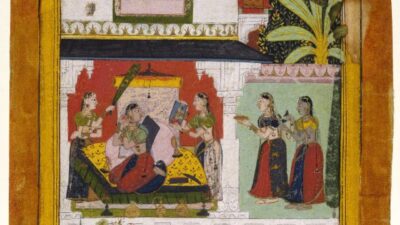
शास्त्र विंग · राग-पट्टिका · Raag Plate
बिलवल्
Bilaval
एक शांत Carnatic राग · A Peace Carnatic Raag
भावशांतिपूर्ण · ध्यानपूर्ण · प्रशांत · शांत
ऊर्जाधीमी
स्वर-चित्र · The Swara Panel
आरोह — अवरोह · The Ascent and the Descent
पकड़ · पहचान वाक्यांश
ग म ध नि ध प, ग म ग रे स
Ga Ma Dha Ni Dha Pa, Ga Ma Ga Re Sa
The rise through Ga–Ma–Dha–Ni with a subsequent fall back through Ma–Ga–Re–Sa is the identifying hallmark of Raag Bilawal. The characteristic meend (glide) from Ga down to Re, landing gently on Sa, distinguishes it from the thaat (which uses all notes plainly); in Raag Bilawal proper the Komal Ni is typically introduced during the descent in some sampradayas, adding a lyrical softening to an otherwise entirely shuddha-swara framework.
वादी–संवादी टिप्पणी · Vadi–Samvadi note
Vadi — In the Carnatic tradition, Raag Bilaval emphasizes Pancham (Pa) as a key resting note.
Samvadi — Sa (Shadj) serves as the complementary note.
समय और भाव
Time Theory & Moodसमय-सिद्धांत · Time Theory
संध्या काल
परंपरागत रूप से संध्या काल (4:00 PM - 7:00 PM) में गाया जाता है।
Traditionally performed during evening/twilight hours (4:00 PM - 7:00 PM), when day transitions to night.
भाव और गति · Mood & Tempo
शांत · Peace/Tranquility
आंतरिक शांति, सुकून और आध्यात्मिक वैराग्य का रस। शांति, ध्यान और अध्यात्म को जगाता है।
ऊर्जा · Energyधीमी
स्तर · Leveladvanced — राग Bilaval के लिए कर्नाटक संगीत सिद्धांत की मजबूत नींव आवश्यक है।
पट्टिका-लेख
The Monographपरिचय Introduction
राग Bilaval कर्नाटक शास्त्रीय संगीत परंपरा का एक राग है। इसका प्रमुख रस शांत (Peace/Tranquility) है। यह परंपरागत रूप से संध्या काल (4:00 PM - 7:00 PM) में गाया जाता है। गाया जाता है।
अंग्रेज़ी में पढ़ें · Read in English
Raag Bilaval is a complete scale with all 7 notes in both ascent and descent raga in the Carnatic classical music tradition.. With its Sampurna-Sampurna jati structure, this raag creates a distinctive tonal landscape. The predominant rasa is Peace/Tranquility (शांत), making it suitable for compositions that evoke peaceful, meditative emotions. It is traditionally performed during evening hours, and its melodic contour offers rich possibilities for alapana, kalpanaswaram, and creative improvisation.
सांस्कृतिक महत्व Cultural Significance
भारतीय शास्त्रीय संगीत की समृद्ध परंपरा के अंग के रूप में, राग Bilaval Carnatic परंपरा को परिभाषित करने वाले स्वर संरचना और भावनात्मक अभिव्यक्ति के बीच गहरे संबंध का प्रतिनिधित्व करता है।
अंग्रेज़ी में पढ़ें · Read in English
As part of the rich tapestry of Indian classical music, Raag Bilaval represents the deep connection between melodic structure and emotional expression that defines the Carnatic tradition.
ऐतिहासिक महत्व Historical Significance
राग बिलवल (Bilaval) हिंदुस्तानी शास्त्रीय संगीत की सबसे प्राचीन एवं मूलभूत रागों में से एक है। यह राग पं. विष्णु नारायण भातखंडे (1860–1936) के दस थाट-वर्गीकरण में 'बिलवल थाट' का जनक राग है। बिलवल थाट में सातों स्वर शुद्ध रूप में प्रयुक्त होते हैं — सा, रे, ग, म, प, ध, नि — जो पाश्चात्य संगीत के नेचुरल मेजर स्केल (Ionian mode) के समतुल्य है। जनक थाट होने के कारण बिलवल हिंदुस्तानी संगीत सिद्धांत में सर्वोच्च स्थान रखता है — अन्य सभी स्वर-परिवर्तनों को इसी से मापा जाता है।
कर्नाटक संगीत में यही स्वर-समूह धीर शंकरभरणम् (29वाँ मेलकर्ता) कहलाता है, जो वेंकटमखी की 'चतुर्दण्डी प्रकाशिका' (लगभग 1620) के 72-मेलकर्ता वर्गीकरण में पाँचवें चक्र 'वसु' में आता है।
प्रदर्शन-राग के रूप में बिलवल थाट से थोड़ा अलग है — अवरोह में कुछ गायकीय परंपराओं में कोमल नि का प्रयोग होता है, जिससे अवरोह में एक सौम्य, भावपूर्ण झुकाव आता है। यह प्रातःकालीन राग है (सुबह 7 से 12 बजे तक) और इसका भाव शांत एवं उज्ज्वल है। पं. भीमसेन जोशी, पं. जसराज एवं गंगूबाई हंगल जैसे महान संगीतकारों ने इस राग में अविस्मरणीय ख्याल प्रस्तुत किए हैं।
अंग्रेज़ी में पढ़ें · Read in English
Raag Bilawal (also spelt Bilaval) is one of the oldest and most fundamental raags in the Hindustani classical tradition. It gives its name to one of the ten parent thaats codified by Pandit Vishnu Narayan Bhatkhande (1860–1936) in the early twentieth century — the Bilawal Thaat — which employs all seven shuddha (natural) swaras: Sa Re Ga Ma Pa Dha Ni, equivalent to the Western natural major scale (Ionian mode). As a janak thaat (parent scale), Bilawal has one of the most exalted positions in Hindustani theory, being the reference point against which all other note alterations are measured.
In Carnatic classical music the same scale is called Dhira Shankarabharanam, the 29th melakarta in Venkatamakhin's 72-melakarta system codified in the Chaturdandiprakashika (c. 1620). It belongs to the fifth chakra, Vasu, and is considered the most consonant and balanced of all melakartas. The note file here is tagged Carnatic but carries the Hindustani Ragamala tradition's Belavala Ragini image, reflecting the cross-tradition importance of this scale.
Raag Bilawal as a performance entity differs slightly from the parent thaat: in the avarohana, the Komal Ni is sometimes introduced by senior Kirana and Agra gharana vocalists, giving the descent a tender, slightly melancholic inflection. The raag is traditionally performed in the morning (roughly 7 AM to noon) and evokes a mood of peaceful brightness. Legendary renditions include those of Pandit Bhimsen Joshi, Pandit Jasraj, and Gangubai Hangal, all of whom composed and interpreted khayals in this raag with particular affection.
शिक्षा
Teaching & LearningBegin with slow aalapana to internalize the raag's swaroopa (melodic form)
Practice the arohana and avarohana patterns with a tanpura drone
Listen to recordings by master performers to understand the raag's gamakas (ornamentations)
Work on kalpanaswaram (improvisation) within the raag's framework
Using incorrect gamakas that belong to a different raag
Not maintaining proper swar sthana (note placement)
Rushing through phrases without allowing the raag bhava to develop
प्रस्तुति
Performance- Description
- परंपरागत रूप से संध्या काल (4:00 PM - 7:00 PM) में गाया जाता है। Traditionally performed during evening/twilight hours (4:00 PM - 7:00 PM), when day transitions to night.
- Prahar Number
- 5
- Prahar Name
- संध्या काल Sandhya Kaal
- Time Start
- 16:00
- Time End
- 19:00
- Time Flexibility
- flexible
Time
और जानें
More to KnowIn Film Music
Raag Bilawal's all-natural-note brightness has had a modest but genuine presence in Hindi film music. Because its scale is identical to the Western major scale, it does not carry a distinctly 'Indian' modal colour the way raags like Bhairav or Bhairavi do, and film composers often blurred its boundaries with Khamaj or Bihag. Identifiably Bilawal-based film songs are fewer than those in more chromatically distinctive raags. The raag is more often encountered in devotional or semi-classical contexts — bhajans and morning-themed songs — than in romantic film compositions.
सीखने के लिए
For Learners- Difficulty Level
- advanced
अन्य विवरण
More Details- Indian_Music_Raga_Encyclopedia_v2.xlsx
- Vishnu Narayan Bhatkhande — Kramik Pustak Malika (thaat classification)
- Venkatamakhin — Chaturdandiprakashika (c. 1620): 29th melakarta Dhira Shankarabharanam
- chandrakantha.com — Raag Bilawal pakad and introduction
References
नमूना-पट्टी
The Specimen Table| नाम | बिलवल् · Bilaval |
|---|---|
| थाट | Bilawal |
| पकड़ | ग म ध नि ध प, ग म ग रे स |
| जाति | संपूर्ण-संपूर्ण · Sampurna-Sampurna |
| समय | संध्या काल |
| ऊर्जा | धीमी |
| परिवार | Bilaval |
| स्तर | advanced |
| लोकप्रियता | Obscure |
जुड़े हुए पन्ने
Connected Plates · The Graph Made Visibleअटलस में कोई पन्ना अकेला नहीं — इस राग से गीत, प्रस्तुतियाँ, कलाकार, ताल, घराने और मिलते-जुलते राग, सब यहाँ से खुलते हैं।
इस राग के गीत · Songs in this Raag

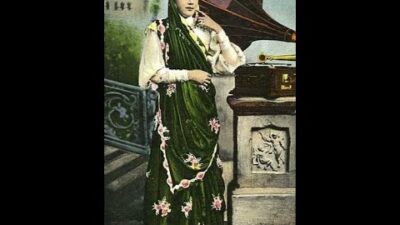
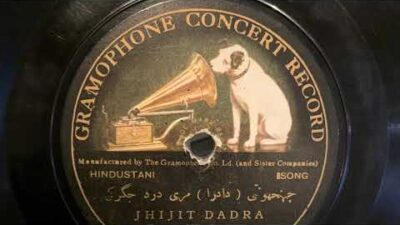
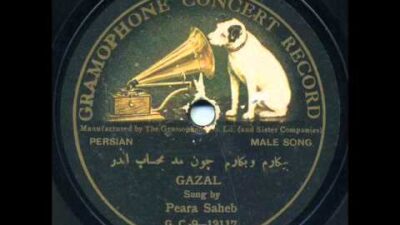
ताल-साथी · Taal Pairings
शास्त्र-सूत्र · Shastra Threads
श्रवण-कक्ष · The Listening Room
सुनिए — बिलवल् · Hear the Raag
Raag Bilawal | Pt. Ajoy Chakraborty| Ba-dastoor at Aarohan 2020| A Lockdown Initiative
प्रश्नोत्तर
Questions & Answersराग Bilaval किस संगीत पद्धति का राग है?
राग Bilaval कर्नाटक (दक्षिण भारतीय) शास्त्रीय संगीत पद्धति का राग है।
अंग्रेज़ी में पढ़ें · Read in English
Which music system does Raga Bilaval belong to? — Raga Bilaval belongs to the Carnatic (South Indian) classical music system.
साझा कीजिए · Share this Plate