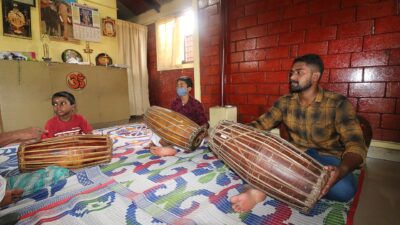
शास्त्र विंग · वाद्य-पट्टिका · Instrument Plate
मृदंगम
Mridangam
दक्षिण भारतीय संगीत की आत्मा - एक पवित्र, गहन और जटिल संरचना वाला वाद्य यंत्र
अन्य नाममृदंग · मृदंगं · South Indian drum
एक पंक्तिमृदंगम एक द्विमुखी ड्रम है जो कर्नाटक संगीत की पहचान है और ताल का सर्वोच्च प्रतीक है
परिचय
Overviewमृदंगम भारतीय संगीत, विशेषकर दक्षिण भारतीय कर्नाटक संगीत की आत्मा है। यह एक द्विमुखी ड्रम है जो अपनी जटिल संरचना, विविध ध्वनियों, और सूक्ष्म संगीत-सिद्धांत के लिए जाना जाता है। मृदंगम केवल एक ताल उपकरण नहीं है - यह एक सार्वभौमिक भाषा है जो गायक, वादक, और नर्तकी को जोड़ता है। मृदंगम की प्रत्येक ध्वनि, प्रत्येक ताल पैटर्न, एक आध्यात्मिक कथा बताता है। मृदंगम का इतिहास नाट्यशास्त्र के युग से शुरू होता है, जहाँ इसे एक पवित्र और महत्वपूर्ण यंत्र माना जाता है। प्राचीन भारतीय मंदिरों में, मृदंगम संगीत को देवताओं को समर्पित किया जाता था। आज भी, भारतीय संगीत परंपरा में मृदंगम की पवित्र स्थिति बनी हुई है। पलघट मणि अय्यर जैसे महान मृदंगम वादकों ने इस यंत्र को शास्त्रीय संगीत के केंद्रबिंदु में रखा है। मृदंगम बजाना एक अत्यंत कुशल कार्य है जिसमें शारीरिक कौशल, संगीत सिद्धांत का ज्ञान, और आध्यात्मिक समझ तीनों की आवश्यकता है। एक अनुभवी मृदंगम वादक केवल ताल बनाए रखता नहीं है, बल्कि संगीत की परिस्थिति के अनुसार अपनी भूमिका को भी बदल सकता है।
अंग्रेज़ी में पढ़ें · Read in English
The mridangam is the soul of Indian music, particularly South Indian Carnatic music. It is a double-headed drum known for its complex structure, diverse sounds, and subtle musical philosophy. The mridangam is not merely a rhythm instrument—it is a universal language connecting vocalists, instrumentalists, and dancers. Each sound, each rhythm pattern of the mridangam tells a spiritual narrative.
The mridangam's history begins from the Natya Shastra era, where it was considered sacred and important. In ancient Indian temples, mridangam music was offered to deities. Even today, the mridangam maintains a sacred place in Indian musical tradition. Great mridangam maestros like Palghat Mani Iyer have placed this instrument at the center of classical music.
Playing the mridangam is a highly skilled endeavor requiring physical skill, knowledge of musical theory, and spiritual understanding. An experienced mridangam player not only maintains rhythm but can also adapt to the musical context.
काव्य-पंक्ति · The Verse
काव्य-पंक्ति
मृदंगम की गड़गड़ाहट में सुनो भारत की धड़कन, प्रत्येक ताल में बसा है शताब्दियों का सपना।
— दक्षिण भारतीय संगीत परंपरा In the mridangam's resonance, hear India's heartbeat, In each rhythm pattern, centuries of dreams dwell.
वर्गीकरण
ClassificationNatya Shastra
अवनद्ध वाद्य (Avanaddha Vadya)
Covered/Membrane Instrument
नाट्यशास्त्र में अवनद्ध वाद्य वर्ग में आता है, जिसमें चमड़े से ढके वाद्य होते हैं। यह दक्षिण भारतीय संगीत का सबसे महत्वपूर्ण ताल वाद्य है।
Classified as Avanaddha Vadya in Natya Shastra, comprising membrane instruments. It is the most important rhythm instrument in South Indian music.
Western
Percussion
Double-headed drum
पश्चिमी संगीत वर्गीकरण में यह एक पेरकशन इंस्ट्रूमेंट है जो ड्रम परिवार से संबंधित है।
In Western classification, it is a percussion instrument belonging to the drum family.
Hornbostel Sachs
211.261
द्विमुखी ड्रम जिसे हाथों से बजाया जाता है
सिनेमा में
In Cinemaमृदंगम ने दक्षिण भारतीय फ़िल्मों में एक महत्वपूर्ण भूमिका निभाई है। विशेषकर तमिल, कन्नड़, और तेलुगु फ़िल्मों में, मृदंगम की ध्वनि को अक्सर सुना जा सकता है जहाँ पारंपरिक संगीत या शास्त्रीय संगीत का संदर्भ दिया जाता है। कई प्रसिद्ध संगीत निर्देशकों ने अपनी रचनाओं में मृदंगम का उपयोग किया है ताकि एक प्रामाणिक दक्षिण भारतीय संगीत वातावरण बनाया जा सके। आजकल, मृदंगम को आमतौर पर आध्यात्मिक या सांस्कृतिक विषयों पर आधारित फ़िल्मों में सुना जाता है।
अंग्रेज़ी में पढ़ें · Read in English
The mridangam has played a significant role in South Indian cinema. Particularly in Tamil, Kannada, and Telugu films, the mridangam's sound is often heard when traditional or classical music is referenced. Many renowned music directors have incorporated the mridangam into their compositions to create authentic South Indian musical atmosphere. Today, the mridangam is typically heard in films dealing with spiritual or cultural themes.
वर्तमान स्थिति
Modern Statusविवरण
आजकल मृदंगम की स्थिति बहुत अच्छी है। दक्षिण भारत में, विशेषकर तमिल नाडु और कर्नाटक में, मृदंगम की परंपरा अत्यंत जीवंत रहती है। कई युवा संगीतकार इस परंपरा को सीख रहे हैं। हालांकि, मृदंगम कारीगरी में कुछ चिंताएँ हैं क्योंकि कम लोग इस जटिल शिल्प को सीखना चाहते हैं।
अंग्रेज़ी में पढ़ें · Read in English
The modern status of the mridangam is quite healthy. In South India, especially in Tamil Nadu and Karnataka, the mridangam tradition remains vibrant. Many young musicians are learning this tradition. However, there are some concerns about mridangam craftsmanship as fewer people wish to learn this complex craft.
बनावट
Physicalविवरण
मृदंगम का संरचना अत्यंत जटिल और सुविचार्य है। इसका शरीर मिट्टी या लकड़ी से बना होता है, जिसमें एक बेलनाकार (cylindrical) आकार होता है। दोनों सिरों पर चमड़े की झिल्ली (membrane) लगी होती है - एक मुख्य सिरा और एक सहायक सिरा। मुख्य सिरे (दायीं ओर) पर एक सफ़ेद वृत्ताकार पेस्ट लगी होती है जिसे 'शील' कहते हैं, जो तिल और चावल के आटे से बनी होती है। यह शील ध्वनि की गुणवत्ता को नियंत्रित करती है। बायीं ओर की झिल्ली (उच्च पिच के लिए) काली होती है और इसमें कोई पेस्ट नहीं होता। दोनों सिरों को चमड़े की पट्टियों (straps) से जोड़ा जाता है।
अंग्रेज़ी में पढ़ें · Read in English
The mridangam's structure is highly complex and well-conceived. Its body is made from clay or wood in a cylindrical shape. Leather membranes are attached at both ends - one main side and one auxiliary side. The main side (right) has a white circular paste called 'shilam,' made from rice flour and sesame, which controls sound quality. The left side membrane (for high pitch) is black and has no paste. Both sides are connected by leather straps.
Dimensions
65-75 cm
25-30 cm
20-25 cm
3-4 kg
Strings Or Keys
मृदंगम में कोई तार या कुंजियाँ नहीं होती। इसके बजाय, यह दो झिल्लियों से ध्वनि उत्पन्न करता है जो विभिन्न पिच और गुणवत्ता वाली ध्वनियों को पैदा करती हैं।
The mridangam has no strings or keys. Instead, it produces sound from two membranes that generate different pitches and tonal qualities.
2 membranes (right and left)
चमड़ा, शील का पेस्ट
Tuning
कर्नाटक संगीत प्रणाली जहाँ विभिन्न स्थानों पर दबाव डालकर पिच बदली जाती है।
Carnatic music system where pitch is changed by applying pressure at different spots.
चमड़े की पट्टियों को कसकर विभिन्न पिच प्राप्त किए जाते हैं।
3-4 octaves (विभिन्न ध्वनियों द्वारा)
Construction
मिट्टी या लकड़ी से बना बेलनाकार शरीर जो ध्वनि को प्रवर्धित करता है।
A cylindrical body made from clay or wood that amplifies sound.
मुख्य ध्वनि उत्पादन वाली झिल्ली जिस पर 'शील' (तिल और चावल का पेस्ट) लगी होती है।
The main sound-producing membrane with the white shilam paste applied.
उच्च पिच वाली झिल्ली जिसे खुली छोड़ा जाता है।
The high-pitched membrane left open without paste.
दायीं झिल्ली पर लगा हुआ सफ़ेद पेस्ट जो तिल और चावल के आटे से बना होता है। यह ध्वनि की गुणवत्ता और पिच को नियंत्रित करता है।
The white paste applied to the right membrane, made from rice flour and sesame. It controls sound quality and pitch.
दोनों झिल्लियों को जोड़ने वाली चमड़े की पट्टियाँ जो तनाव को नियंत्रित करती हैं।
Leather straps connecting both membranes that control tension.
ध्वनि-चरित्र
SoundTonal Character
मृदंगम की ध्वनि गहरी, अनुरणित (resonant) और जटिल होती है। दायीं झिल्ली की ध्वनि गर्मजोशी भरी और पूर्ण (full) होती है, जबकि बायीं झिल्ली की ध्वनि तीव्र और स्फटिक जैसी (crisp) होती है। मृदंगम की विशेषता यह है कि इसमें न केवल ताल बल्कि विभिन्न स्वर-रंग (tonal colors) भी हो सकते हैं। हाथों की विभिन्न स्थितियों से (अलग-अलग भाग को बजाकर) विभिन्न ध्वनियाँ निकाली जा सकती हैं।
अंग्रेज़ी में पढ़ें · Read in English
The mridangam's sound is deep, resonant, and complex. The right membrane produces a warm, full tone, while the left produces a sharp, crisp sound. The mridangam's uniqueness lies in its ability to produce not only rhythm but also various tonal colors. Different sounds can be extracted by playing different areas of the drum.
Timbre
गहरा, गरमजोशी भरा, अनुरणित - प्राचीन दक्षिण भारतीय संस्कृति की गहराई को व्यक्त करता है
अंग्रेज़ी में पढ़ें · Read in English
Deep, warm, resonant — expressing the depths of ancient South Indian culture
Dynamic Range
अत्यंत व्यापक। बहुत नरम से लेकर बहुत तेज़ तक।
अंग्रेज़ी में पढ़ें · Read in English
Extremely wide, from very soft to very loud.
Comparison
मृदंगम की ध्वनि को अक्सर मानव हृदय की धड़कन के साथ तुलना की जाती है - यह प्राकृतिक, जीवंत और सार्वभौमिक है।
अंग्रेज़ी में पढ़ें · Read in English
The mridangam's sound is often compared to the human heartbeat - it is natural, living, and universal.
वादन-तकनीक
Playing Techniqueविवरण
मृदंगम बजाना एक अत्यंत कुशल और जटिल कला है जिसमें दोनों हाथों को सूक्ष्मता से नियंत्रित करना पड़ता है। संगीतकार ड्रम को अपनी बाईं ओर रखता है, आमतौर पर बैठी हुई स्थिति में। दायाँ हाथ मुख्य ध्वनियों को निकालता है, जबकि बायाँ हाथ उच्च पिच और सहायक ध्वनियों को नियंत्रित करता है। दायीं झिल्ली पर बजाते समय, संगीतकार हाथ के विभिन्न भाग - अँगुलियाँ, हथेली, कलाई - का उपयोग करता है। प्रत्येक भाग एक अलग ध्वनि (sound syllable) पैदा करता है, जिसे 'सोलकट्टु' कहते हैं। बायीं झिल्ली के लिए, संगीतकार अपनी अँगुलियों का उपयोग करके उच्च पिच की ध्वनियाँ निकालता है।
अंग्रेज़ी में पढ़ें · Read in English
Playing the mridangam is a highly skilled and complex art requiring subtle control of both hands. The musician holds the drum on the left side, typically in a sitting position. The right hand produces main sounds while the left hand controls high pitch and auxiliary sounds. When playing the right membrane, the musician uses different parts of the hand - fingers, palm, wrist - each producing a different sound syllable called 'solkattu.' For the left membrane, the musician uses fingers to produce high-pitched sounds.
Posture
संगीतकार पद्मासन (cross-legged) या साधारण बैठने की मुद्रा में ड्रम को अपनी बाईं ओर रखता है। ड्रम को हल्का सा झुकाया जाता है ताकि दोनों झिल्लियों को आसानी से बजाया जा सके।
अंग्रेज़ी में पढ़ें · Read in English
The musician sits in cross-legged position, holding the drum on the left side. The drum is tilted slightly to allow easy access to both membranes.
Techniques
मृदंगम की मूल ध्वनियाँ जो सोलकट्टु (rhythmic syllables) द्वारा प्रकट की जाती हैं। प्रत्येक ताडि एक अलग ध्वनि है जैसे 'थ', 'का', 'जनु', 'धिम्', आदि।
The basic strokes of the mridangam expressed through solkattu (rhythmic syllables). Each tadi produces a different sound like 'tha,' 'ka,' 'janu,' 'dhim,' etc.
विभिन्न ताल पैटर्न जो कर्नाटक संगीत में महत्वपूर्ण हैं। त्रिपुटा, चतुष्टय, खंडजनु आदि विभिन्न ताल संरचनाएँ।
Various rhythm patterns important in Carnatic music. Different taal structures like Triputa, Chatushtaya, Khandjanu, etc.
मृदंगम की ध्वनियों को शब्दों में व्यक्त करना। ये ध्वनि-शब्द संगीतकार को जटिल ताल पैटर्न को याद रखने और सीखने में मदद करते हैं।
Expressing mridangam sounds through syllables. These sound-words help musicians remember and learn complex rhythm patterns.
तेज़ गति से जटिल ताल पैटर्न बजाना। यह संगीतकार की तकनीकी कुशलता का प्रदर्शन है।
Playing complex rhythm patterns at fast speeds. This demonstrates the musician's technical mastery.
निर्माण-प्रक्रिया
Making Processविवरण
मृदंगम का निर्माण एक अत्यंत विस्तृत और कारीगरी-गहन प्रक्रिया है। पहले चरण में, कारीगर उपयुक्त मिट्टी (या लकड़ी) को चुनता है और उसे गूँधता है ताकि सही गुणवत्ता प्राप्त हो। फिर, हाथों से इसे बेलनाकार आकार दिया जाता है। दोनों सिरों को सावधानीपूर्वक चिकना और समान बनाया जाता है। मिट्टी को सूखने दिया जाता है (इसमें हफ़्तों लग सकते हैं) और फिर सावधानीपूर्वक भून दिया जाता है। चमड़े की झिल्लियों को सावधानीपूर्वक तैयार किया जाता है, सही मोटाई और लचीलेपन के लिए। अंत में, झिल्लियों को चमड़े की पट्टियों से जोड़ा जाता है। सबसे महत्वपूर्ण अंतिम चरण 'शील' (तिल और चावल का पेस्ट) को सही ढंग से लागू करना है ताकि सही ध्वनि प्राप्त हो।
अंग्रेज़ी में पढ़ें · Read in English
Manufacturing a mridangam is an extremely detailed and craft-intensive process. The artisan first selects appropriate clay (or wood) and kneads it to achieve proper quality. The clay is then hand-shaped into a cylindrical form. Both ends are carefully smoothed and made uniform. The clay is dried (which can take weeks) and then carefully fired. Leather membranes are carefully prepared to the right thickness and flexibility. Finally, the membranes are joined with leather straps. The most critical final step is applying the 'shilam' paste correctly to achieve the desired sound.
Materials
उच्च गुणवत्ता की मिट्टी जो शरीर बनाने के लिए उपयोग की जाती है।
High-quality clay used for constructing the body.
दोनों झिल्लियों के लिए बकरी की खाल।
Goat skin for both membranes.
शील (पेस्ट) बनाने के लिए।
For making the shilam paste.
Artisan Centers
भारत का सबसे प्रसिद्ध मृदंगम निर्माण केंद्र। यहाँ कई पीढ़ियों से मृदंगम बनाए जा रहे हैं।
India's most renowned mridangam-making center with a tradition spanning many generations.
दक्षिण भारतीय संगीत और कला का एक महत्वपूर्ण केंद्र। यहाँ भी उच्च गुणवत्ता के मृदंगम बनाए जाते हैं।
An important center of South Indian music and art where high-quality mridangams are crafted.
आधुनिक समय में, बंगलोर भी एक महत्वपूर्ण मृदंगम निर्माण केंद्र बन गया है।
In modern times, Bangalore has also become an important mridangam-making center.
Time To Craft
8-12 weeks (सूखाने, भूनने, और चमड़े के काम सहित)
Price Range
₹15,000-2,00,000+ (पेशेवर-गुणवत्ता वाले मृदंगम के लिए)
संगीत-समूह में भूमिका
Role In EnsemblePrimary Role
मृदंगम कर्नाटक संगीत में एक प्राथमिकता मृत्युंजय भूमिका निभाता है। यह न केवल ताल (rhythm) को बनाए रखता है, बल्कि एक समान संवादी भूमिका भी निभाता है।
अंग्रेज़ी में पढ़ें · Read in English
The mridangam plays a primary role in Carnatic music. It not only maintains the rhythm but also engages in dialogue with the vocalist or lead instrument.
Solo Capability
उच्च। मृदंगम अपने आप में एक संपूर्ण संगीतात्मक प्रदर्शन प्रस्तुत कर सकता है, जिसमें जटिल ताल रचनाएँ (korvai) और विशुद्ध संगीत (pure rhythmic exposition) शामिल है।
अंग्रेज़ी में पढ़ें · Read in English
High. The mridangam can present a complete musical performance on its own, including complex rhythm compositions and pure rhythmic exposition.
Accompaniment For
मृदंगम कर्नाटक गायक को साथ देता है और ताल को नियंत्रित करता है।
The mridangam accompanies the vocalist and controls the rhythm.
मृदंगम वीणा वादक के साथ संवाद में होता है।
The mridangam engages in dialogue with the veena player.
मृदंगम भरतनाट्यम नर्तकी को साथ देता है।
The mridangam accompanies the Bharatanatyam dancer.
लोक संगीत में
In Folk Musicमृदंगम मुख्य रूप से शास्त्रीय संगीत का यंत्र है, लेकिन इसके पूर्वज और संबंधित वाद्य कई दक्षिण भारतीय लोक परंपराओं में भी पाए जाते हैं। कुछ क्षेत्रों में, समान संरचना वाले ड्रम को लोक नृत्य और त्योहार संगीत में बजाया जाता है। मंदिर संगीत परंपराओं में भी मृदंगम की प्रमुख भूमिका है, जहाँ यह पवित्र संगीत को साथ देता है।
अंग्रेज़ी में पढ़ें · Read in English
The mridangam is primarily a classical music instrument, but its ancestors and related instruments are found in many South Indian folk traditions. In some regions, similarly-constructed drums are played in folk dances and festival music. The mridangam also has a prominent role in temple music traditions where it accompanies sacred music.
क्षेत्रीय रूप
Regional Variantsकर्नाटक के मृदंगम में थोड़ी भिन्न संरचना और ध्वनि विशेषताएँ हो सकती हैं।
Karnataka-style mridangams may have slightly different structure and sound characteristics.
तमिल नाडु के मृदंगम सबसे प्रसिद्ध हैं और दक्षिण भारत में मानक माने जाते हैं।
Tamil Nadu mridangams are the most renowned and considered the standard in South India.
प्रसिद्ध वादक
Famous Playersपलघट मणि अय्यर को 20वीं शताब्दी के सबसे महान मृदंगम वादकों में से एक माना जाता है। उनकी ध्वनि गहरी और अत्यंत तकनीकी थी। उन्होंने मृदंगम को एक प्रमुख एकल वाद्य यंत्र के रूप में स्थापित किया।
Palghat Mani Iyer is considered one of the greatest mridangam players of the 20th century. His tone was deep and highly technical. He established the mridangam as a prominent solo instrument.
उमयालपुरम के. शिवरमन एक विश्वख्यात मृदंगम वादक हैं जो तमिल नाडु के प्रसिद्ध कुमुदकेश गुरुकुल से संबंधित हैं।
Umayalpuram K. Sivaraman is a world-renowned mridangam maestro associated with the prestigious Kumudakesam Gurukul of Tamil Nadu.
एक प्रमुख समकालीन मृदंगम वादक जो परंपरा और आधुनिकता का संतुलन बनाते हैं।
A prominent contemporary mridangam player who balances tradition with modernity.
एक प्रतिभाशाली युवा मृदंगम वादक जो परंपरा को अगली पीढ़ी तक ले जा रहे हैं।
A talented young mridangam player carrying the tradition to the next generation.
राग-उपयुक्तता
Raag Suitabilityइस राग की संतुलित संरचना मृदंगम की सुव्यवस्थित ताल के साथ सुंदर मेल खाती है।
This raga's balanced structure pairs beautifully with the mridangam's structured rhythm.
मृदंगम पर कामबोधि अत्यंत प्रभावशाली है।
Kambhoji is extremely impressive on the mridangam.
इस राग की तीव्र, नाटकीय प्रकृति मृदंगम के गतिशील ताल के साथ मेल खाती है।
This raga's sharp, dramatic nature pairs with the mridangam's dynamic rhythm.
घराना-संबंध
Gharana Connectionsपलघट मणि अय्यर द्वारा स्थापित, यह मृदंगम वादन की सबसे प्रभावशाली परंपरा है।
Established by Palghat Mani Iyer, this is the most influential mridangam tradition.
सीखने का मार्ग
Learning Pathविवरण
मृदंगम सीखना एक दीर्घकालीन यात्रा है जिसमें धैर्य और नियमित अभ्यास आवश्यक है। शुरुआत में, एक छात्र बुनियादी ताडि (sounds) को सीखता है। फिर, वह सोलकट्टु (rhythmic syllables) को गाना और बजाना सीखता है। मृदंगम सीखने की प्रक्रिया आमतौर पर अन्य वाद्य यंत्रों की तुलना में अधिक जटिल होती है क्योंकि यहाँ स्मृति, लय की समझ, और शारीरिक नियंत्रण सभी महत्वपूर्ण हैं।
अंग्रेज़ी में पढ़ें · Read in English
Learning the mridangam is a long-term journey requiring patience and regular practice. Initially, a student learns basic sounds (tadi). Then, the student learns to sing and play solkattu (rhythmic syllables). Learning the mridangam is typically more complex than other instruments because it requires memory, rhythmic understanding, and physical control.
Beginner Steps
थ, का, जनु, धिम् जैसी मूल ध्वनियों को सीखना।
Learning basic sounds like tha, ka, janu, dhim.
ताडि को शब्दों में व्यक्त करना और गाना।
Expressing tadi sounds in syllables and singing them.
त्रिपुटा जैसे सरल ताल को सीखना।
Learning simple rhythm patterns like Triputa.
विभिन्न ताल संरचनाओं को सीखना और समझना।
Learning and understanding various rhythm structures.
सामान्य अवधि
12-15 years for basic proficiency, 25+ years for mastery
संस्थान
चेन्नई में स्थित, भारत का सबसे प्रसिद्ध कर्नाटक संगीत संस्थान।
Based in Chennai, India's most renowned Carnatic music institution.
चेन्नई का एक महत्वपूर्ण संगीत और नृत्य विद्यालय।
An important music and dance school in Chennai.
सांस्कृतिक महत्व
Cultural Significanceमृदंगम का सांस्कृतिक महत्व अगाध है। यह दक्षिण भारतीय संस्कृति, धार्मिकता, और कलात्मक परंपरा का प्रतीक है। मंदिरों में, त्योहारों पर, परिवार के समारोहों में - हर जगह मृदंगम की ध्वनि सुनाई देती है। यह ध्वनि समुदाय को एकजुट करती है, आत्मा को शांति देती है, और एक गहरे आध्यात्मिक अनुभव का निर्माण करती है।
अंग्रेज़ी में पढ़ें · Read in English
The mridangam's cultural significance is profound. It is a symbol of South Indian culture, spirituality, and artistic tradition. In temples, at festivals, in family ceremonies—the mridangam's sound is heard everywhere. This sound unites communities, brings peace to the soul, and creates a deep spiritual experience.
सुनने का मार्गदर्शन
The Listening Guideमृदंगम को सुनना एक गहन अनुभव है। पहली बार सुनते समय, आप विभिन्न ध्वनियों से थोड़े अभिभूत हो सकते हैं। लेकिन धीरे-धीरे, जैसे आप अधिक सुनते हैं, आप समझने लगते हैं कि कैसे ये ध्वनियाँ एक सुसंगत संरचना बनाती हैं। एक अच्छा मृदंगम प्रदर्शन आमतौर पर तीन स्तरों पर काम करता है: (1) सरल ताल को बनाए रखना; (2) दक्ष, जटिल ताल पैटर्न; (3) गायक या मुख्य वाद्य के साथ संवाद। धैर्य रखें और मृदंगम को आपके लिए यह कहानी कहने दें।
अंग्रेज़ी में पढ़ें · Read in English
Listening to the mridangam is a profound experience. Initially, you might feel overwhelmed by the various sounds. But gradually, as you listen more, you understand how these sounds create a coherent structure. A good mridangam performance typically operates on three levels: (1) maintaining simple rhythm; (2) executing skilled, complex patterns; (3) engaging in dialogue with the vocalist or lead instrument. Be patient and let the mridangam tell this story.
श्रवण-कक्ष · The Listening Room
देखें-सुनें
कर्नाटक शास्त्रीय मृदंगम · 30:27
उमयलपुरम के. शिवरमन - मृदंगम एकल · 13:39
परिचय
Identity- Year Of Origin
- 800
वर्गीकरण
Classification- Code
- 211.261
- Description
- द्विमुखी ड्रम जिसे हाथों से बजाया जाता है
- Category
- अवनद्ध वाद्य (Avanaddha Vadya)
- Category En
- Covered/Membrane Instrument
- Description
- नाट्यशास्त्र में अवनद्ध वाद्य वर्ग में आता है, जिसमें चमड़े से ढके वाद्य होते हैं। यह दक्षिण भारतीय संगीत का सबसे महत्वपूर्ण ताल वाद्य है।
- Description En
- Classified as Avanaddha Vadya in Natya Shastra, comprising membrane instruments. It is the most important rhythm instrument in South Indian music.
Hornbostel Sachs
Natya Shastra
अन्य विवरण
More Details- शरीर (Body) — मिट्टी या लकड़ी से बना बेलनाकार शरीर जो ध्वनि को प्रवर्धित करता है। · Body
- दायीं झिल्ली (Right Membrane - Vadam) — मुख्य ध्वनि उत्पादन वाली झिल्ली जिस पर 'शील' (तिल और चावल का पेस्ट) लगी होती है। · Right side membrane
- बायीं झिल्ली (Left Membrane - Uthalam) — उच्च पिच वाली झिल्ली जिसे खुली छोड़ा जाता है। · Left side membrane
- शील (Shilam) — दायीं झिल्ली पर लगा हुआ सफ़ेद पेस्ट जो तिल और चावल के आटे से बना होता है। यह ध्वनि की गुणवत्ता और पिच को नियंत्रित करता है। · Shilam paste
- चमड़े की पट्टियाँ (Leather Straps) — दोनों झिल्लियों को जोड़ने वाली चमड़े की पट्टियाँ जो तनाव को नियंत्रित करती हैं। · Leather straps
- System
- कर्नाटक संगीत प्रणाली जहाँ विभिन्न स्थानों पर दबाव डालकर पिच बदली जाती है।
- System En
- Carnatic music system where pitch is changed by applying pressure at different spots.
- Standard Tuning
- चमड़े की पट्टियों को कसकर विभिन्न पिच प्राप्त किए जाते हैं।
- Range
- 3-4 octaves (विभिन्न ध्वनियों द्वारा)
Construction
Tuning
Timbre
गहरा, गरमजोशी भरा, अनुरणित - प्राचीन दक्षिण भारतीय संस्कृति की गहराई को व्यक्त करता है
रोचक तथ्य
Margin Notesमृदंगम नाम संस्कृत शब्द 'मृद्' (मिट्टी) और 'अंग' (यंत्र) से बना है, जिसका अर्थ है 'मिट्टी का यंत्र'।
The name mridangam comes from Sanskrit 'mrid' (clay) and 'anga' (instrument), meaning 'clay instrument.'
पलघट मणि अय्यर को एक अलग एकल कलाकार के रूप में मृदंगम की स्वीकृति दिलाने का श्रेय दिया जाता है, जब तक कि वह मुख्यतः एक सहायक यंत्र माना जाता था।
Palghat Mani Iyer is credited with establishing the mridangam as a solo instrument, whereas it was previously considered primarily an accompanying instrument.
मृदंगम पर 'सोलकट्टु' (rhythmic syllables) की प्रणाली अत्यंत विस्तृत है। एक अनुभवी मृदंगम वादक हजारों विभिन्न सोलकट्टु पैटर्न को जानता है।
The 'solkattu' (rhythmic syllables) system on the mridangam is extremely extensive. An experienced mridangam player knows thousands of different solkattu patterns.
मृदंगम पर 'शील' (पेस्ट) को नियमित रूप से फिर से लागू करना पड़ता है क्योंकि समय के साथ यह सूख जाता है और इसकी गुणवत्ता बदलती है।
The 'shilam' paste on the mridangam must be regularly reapplied as it dries and its properties change over time.
मृदंगम सीखने में आमतौर पर सितार या सरोद सीखने की तुलना में अधिक समय लगता है क्योंकि इसमें संगीत-सिद्धांत की गहरी समझ आवश्यक है।
Learning the mridangam typically takes longer than learning sitar or sarod because it requires deeper understanding of musical theory.
क्या आप जानते हैं?
Did You Knowएक मृदंगम संगीतकार को 'मृदंगम वादक' या 'मृदंगिस्ट' कहा जाता है। कर्नाटक संगीत में, एक प्रदर्शन में तीन मुख्य कलाकार होते हैं: गायक, और दोनों वाद्य वादक (अक्सर मृदंगम और ताप्पु)।
A mridangam player is called a 'mridangist.' In Carnatic music, a typical performance features three main musicians: a vocalist and two instrumentalists (often mridangam and violin).
मृदंगम की दोनों झिल्लियों की ध्वनियाँ पूरी तरह अलग-अलग हैं - एक गहरी, गर्मजोशी भरी है, जबकि दूसरी तीव्र और स्फटिक जैसी है।
The sounds from the two mridangam membranes are completely different — one is deep and warm, the other is sharp and crisp.
कर्नाटक संगीत में 'तालम' (rhythm cycle) की अवधारणा बहुत महत्वपूर्ण है, और मृदंगम इस तालम को इतने सूक्ष्मता से प्रकट करता है कि कभी-कभी गायक और वादक को अपनी स्थिति खोने का भय नहीं रहता।
In Carnatic music, the concept of 'talam' (rhythm cycle) is very important, and the mridangam expresses this talam so precisely that singers and other musicians can confidently navigate the complex structures.
सूक्तियाँ
Words of the Masters“मृदंगम की प्रत्येक ध्वनि एक शब्द है, और सोलकट्टु एक वाक्य है।”
“Every sound of the mridangam is a word, and solkattu is a sentence.”
— — दक्षिण भारतीय संगीत परंपरा
“मृदंगम बजाना शुद्ध समर्पण का एक कार्य है। यह एक गणित है, एक कला है, और एक आत्मा है।”
— — पलघट मणि अय्यर“Playing the mridangam is an act of pure dedication. It is mathematics, art, and soul combined.”
“जब तक मृदंगम की ध्वनि है, तब तक कर्नाटक संगीत जीवंत रहेगा।”
“As long as the mridangam's sound echoes, Carnatic music will remain alive.”
— — परंपरागत कहावत
सवाल-जवाब
Questions & Answersमृदंगम क्या है?
मृदंगम एक द्विमुखी ड्रम है जो दक्षिण भारतीय कर्नाटक संगीत का सबसे महत्वपूर्ण ताल वाद्य है। इसमें मिट्टी या लकड़ी का बेलनाकार शरीर और दोनों सिरों पर चमड़े की झिल्लियाँ होती हैं।
मृदंगम को कैसे बजाया जाता है?
मृदंगम को हाथों से बजाया जाता है। दायाँ हाथ मुख्य ध्वनियों को निकालता है, जबकि बायाँ हाथ उच्च पिच की ध्वनियों को नियंत्रित करता है। संगीतकार विभिन्न भागों का उपयोग करके विभिन्न ध्वनियाँ निकालता है।
पलघट मणि अय्यर कौन थे?
पलघट मणि अय्यर को 20वीं शताब्दी के सबसे महान मृदंगम वादकों में से एक माना जाता है। उन्होंने मृदंगम को एक प्रमुख एकल वाद्य यंत्र के रूप में स्थापित किया।
इतिहास
The Historyउत्पत्ति — प्राचीन काल (नाट्यशास्त्र के समय से) Origin
मृदंगम का इतिहास नाट्यशास्त्र (लगभग 200 ईसा पूर्व) तक जाता है, जहाँ इसे एक महत्वपूर्ण वाद्य के रूप में वर्णित किया गया है। संस्कृत साहित्य में, मृदंगम को देवताओं का पसंदीदा वाद्य माना जाता है। ऐसा माना जाता है कि मृदंगम की उत्पत्ति दक्षिण भारत में हुई थी, विशेषकर तमिल और कन्नड़ क्षेत्रों में। प्राचीन दक्षिण भारतीय मंदिरों में, मृदंगम को प्रतिदिन भगवान को समर्पित किया जाता था।
विकास-यात्रा · Evolution
- प्राचीन काल (200 ईसा पूर्व - 500 ईस्वी) मृदंगम का सबसे प्राचीन रूप पूरी तरह विकसित नहीं था। समय के साथ, इसकी संरचना को परिष्कृत किया गया और ध्वनि को बेहतर बनाया गया।
- मध्यकाल (500-1500 ईस्वी) इस अवधि में मृदंगम की संरचना को अंतिम रूप दिया गया। दोनों झिल्लियों की अवधारणा स्थिर हुई और निर्माण तकनीकें परिष्कृत हुईं।
- आधुनिक काल (1800 के बाद) मृदंगम निर्माण और वादन तकनीकों में और भी सुधार हुए। नई परंपराएँ स्थापित हुईं।
प्रमुख पड़ाव · Key Milestones
- 200 नाट्यशास्त्र में मृदंगम का उल्लेख
- 1000 मृदंगम का मानकीकृत रूप स्थापित
- 1850 आधुनिक मृदंगम निर्माण केंद्र (चेन्नई, तंजावुर) विकसित होते हैं
- 1912 पलघट मणि अय्यर का जन्म
- 1950 भारतीय संस्कृति के संरक्षण में मृदंगम की महत्वपूर्ण भूमिका मान्य की जाती है
नमूना-पट्टी
The Specimen Table| नाम | मृदंगम · Mridangam |
|---|---|
| अन्य नाम | मृदंग · मृदंगं · South Indian drum |
| उद्गम | 800 |
| काल | प्राचीन काल (नाट्यशास्त्र के समय से) |
| प्रकार | वाद्य · Instruments |
जुड़े हुए पन्ने
Connected Plates · The Graph Made Visibleअटलस में कोई पन्ना अकेला नहीं — इस वाद्य से जुड़े गीत, कलाकार, शास्त्र और कहानियाँ, सब यहाँ से खुलते हैं।
इस वाद्य के गीत
Songs of this Instruments
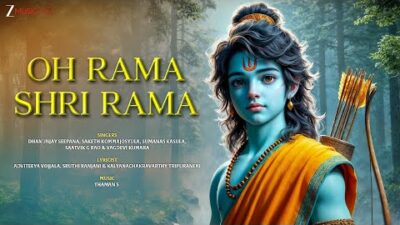
ओह राम श्री राम
Oh Rama Shri Rama
धनंजय सीपाना, साकेथ कोम्माजोस्युला, सुमनस कासुला, सात्विक जी. राव, वागदेवी कुमारा · Jaat
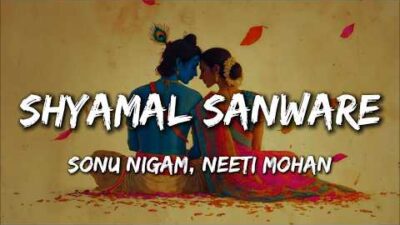
श्यामल साँवरे
Shyamal Sanware
Sonu Nigam, Neeti Mohan, Prasad S · Krishnavataram Part 1: The Heart / Hridayam
साझा कीजिए · Share this Plate
यह पन्ना आगे बढ़ाइए
जुड़ी हुई दुनिया
Explore ConnectionsHeard In · सुनिए इनमें
ओह राम श्री राम
Oh Rama Shri Rama
धनंजय सीपाना, साकेथ कोम्माजोस्युला, सुमनस कासुला, सात्विक जी. राव, वागदेवी कुमारा · Jaat
श्यामल साँवरे
Shyamal Sanware
Sonu Nigam, Neeti Mohan, Prasad S · Krishnavataram Part 1: The Heart / Hridayam