शास्त्र विंग · वाद्य-पट्टिका · Instrument Plate
नादस्वरम
Nadaswaram
मंदिर संगीत और शुभ अवसरों का शास्त्रीय वाद्य - विश्व का सबसे तेज़ गैर-पीतल वाद्य
अन्य नामनादस्वरं · शहनाई का दक्षिण भारतीय संस्करण · South Indian ceremonial wind instrument
एक पंक्तिनादस्वरम एक दोहरी-नली वाला शास्त्रीय दक्षिण भारतीय वाद्य है जो कर्नाटक संगीत का अभिन्न अंग है
परिचय
Overviewनादस्वरम भारतीय संगीत की एक अद्वितीय और शक्तिशाली परंपरा का प्रतीक है। यह दक्षिण भारतीय कर्नाटक संगीत का एक अभिन्न अंग है और विश्व का सबसे तेज़ गैर-पीतल शास्त्रीय वाद्य है। नादस्वरम का उपयोग मुख्य रूप से मंदिरों, विवाहों, और अन्य शुभ अवसरों में किया जाता है। इसकी उत्सव भरी और पवित्र ध्वनि किसी भी समारोह को भावपूर्ण बना देती है। नादस्वरम की संरचना एक डबल-रीड विंड इंस्ट्रूमेंट की है, जो अन्य भारतीय वाद्य यंत्रों से अलग है। इसका निर्माण केरल के तिरुवनंतपुरम में सबसे अच्छा होता है। टी. एन. राजरत्तिनम पिल्लै जैसे महान कलाकारों ने नादस्वरम को एक प्रमुख एकल वाद्य यंत्र के रूप में स्थापित किया है। नादस्वरम की ध्वनि की विशेषता यह है कि यह दूर से सुना जा सकता है। यह गुण इसे मंदिर के परिवेश के लिए आदर्श बनाता है।
अंग्रेज़ी में पढ़ें · Read in English
The nadaswaram is a symbol of a unique and powerful tradition in Indian music. It is an integral part of South Indian Carnatic music and the world's loudest non-brass classical instrument. The nadaswaram is primarily used in temples, weddings, and auspicious occasions. Its celebratory and sacred sound elevates any ceremony.
The nadaswaram's structure is that of a double-reed wind instrument, distinct from other Indian instruments. It is best manufactured in Thiruvananthapuram, Kerala. Great artists like T.N. Rajarattinam Pillai have established the nadaswaram as a prominent solo instrument.
A distinctive feature of the nadaswaram's sound is that it can be heard from a distance. This quality makes it ideal for temple environments.
काव्य-पंक्ति · The Verse
काव्य-पंक्ति
नादस्वरम की तीव्र गड़गड़ाहट में सुनो देवताओं का नाम, परमात्मा के मंदिर में गूँजती है यह पवित्र आह्वान।
— दक्षिण भारतीय मंदिर परंपरा In the nadaswaram's loud resonance, hear the name of the divine, This sacred call echoes in the temple of the Almighty.
वर्गीकरण
ClassificationNatya Shastra
सुषिर वाद्य (Sushira Vadya)
Wind Instrument
नाट्यशास्त्र में सुषिर वाद्य वर्ग में आता है, जिसमें हवा से बजने वाले वाद्य होते हैं। नादस्वरम दक्षिण भारतीय संगीत का सबसे महत्वपूर्ण हवा वाद्य है।
Classified as Sushira Vadya in Natya Shastra, comprising wind instruments. The nadaswaram is the most important wind instrument in South Indian music.
Western
Wind
Double-reed woodwind
पश्चिमी संगीत वर्गीकरण में यह एक डबल-रीड वुडविंड इंस्ट्रूमेंट है।
In Western classification, it is a double-reed woodwind instrument.
Hornbostel Sachs
420.041
डबल-रीड दक्षिण भारतीय शास्त्रीय वाद्य
सिनेमा में
In Cinemaनादस्वरम को भारतीय, विशेषकर दक्षिण भारतीय फ़िल्मों में व्यापक रूप से उपयोग किया गया है। बहुत सी तमिल और कन्नड़ फ़िल्मों में, नादस्वरम की पारंपरिक ध्वनि को फ़िल्म में एक संस्कृति या शुभ अवसर को व्यक्त करने के लिए उपयोग किया गया है। हाल ही में, कुछ हिंदी फ़िल्मों में भी नादस्वरम का उपयोग देखा गया है, विशेषकर जहाँ दक्षिण भारतीय संस्कृति या विवाह के दृश्य हों।
अंग्रेज़ी में पढ़ें · Read in English
The nadaswaram has been extensively used in Indian, especially South Indian films. In many Tamil and Kannada films, the nadaswaram's traditional sound has been used to express culture or auspicious occasions. Recently, some Hindi films have also featured the nadaswaram, particularly in scenes depicting South Indian culture or weddings.
वर्तमान स्थिति
Modern Statusविवरण
नादस्वरम की आधुनिक स्थिति अच्छी है। दक्षिण भारत में, विशेषकर मंदिरों और सांस्कृतिक कार्यक्रमों में, नादस्वरम की परंपरा जीवंत बनी हुई है। बहुत से युवा नादस्वरम सीख रहे हैं। हालांकि, मंदिरों में नादस्वरम के उपयोग में आधुनिक समय में थोड़ी कमी आई है।
अंग्रेज़ी में पढ़ें · Read in English
The modern status of the nadaswaram is healthy. In South India, especially in temples and cultural events, the nadaswaram tradition remains vibrant. Many young musicians are learning the nadaswaram. However, there has been some decline in the use of nadaswaram in temples in modern times.
बनावट
Physicalविवरण
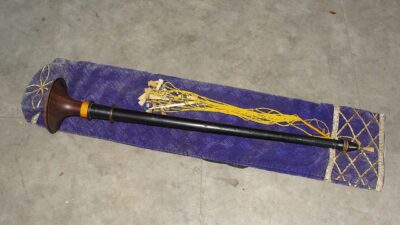
नादस्वरम की संरचना अत्यंत विशिष्ट है। इसमें एक लकड़ी की नली होती है जो लगभग 2-2.5 फीट लंबी होती है। इसके ऊपरी सिरे पर एक डबल रीड लगा होता है जो नली को कँपाता है और ध्वनि उत्पन्न करता है। नली में सात छेद होते हैं जो विभिन्न नोट्स निकालने के लिए बंद किए जाते हैं। नादस्वरम का निचला सिरा एक तुरही की तरह फैलता है, जिसे 'नरसिम्हा' कहा जाता है, जो ध्वनि को प्रवर्धित करता है।
अंग्रेज़ी में पढ़ें · Read in English
The nadaswaram's structure is highly distinctive. It consists of a wooden pipe approximately 2-2.5 feet long. A double reed at the top vibrates and produces sound. The pipe has seven holes that are closed to produce different notes. The nadaswaram's lower end flares like a trumpet, called 'narasimha,' which amplifies the sound.
Dimensions
60-65 cm
6-8 cm
4-5 cm
0.8-1.2 kg
Strings Or Keys
नादस्वरम में कोई तार या कुंजियाँ नहीं होती। इसके बजाय, यह डबल रीड के कँपन से ध्वनि उत्पन्न करता है।
The nadaswaram has no strings or keys. Instead, it produces sound from the vibration of the double reed.
1 double reed
सरकंडा की पत्तियाँ
Tuning
कर्नाटक संगीत प्रणाली।
Carnatic music system.
डबल रीड और छेद की स्थिति द्वारा ट्यून किया जाता है।
2.5-3 octaves
Construction
लकड़ी से बनी मुख्य नली जो ध्वनि को पहचान देती है।
The main wooden tube that defines the sound characteristic.
नली के ऊपरी सिरे पर लगा हुआ डबल रीड जो ध्वनि उत्पन्न करता है।
The double reed at the top that produces the vibrating sound.
नली में बने सात छेद जिन्हें बंद करके विभिन्न नोट्स निकाले जाते हैं।
Seven holes in the tube that are covered to produce different notes.
निचले सिरे पर तुरही की तरह फैला हुआ भाग जो ध्वनि को प्रवर्धित करता है।
The flared end that amplifies the sound.
ध्वनि-चरित्र
SoundTonal Character
नादस्वरम की ध्वनि अत्यंत तीव्र, तेज़ और प्रभावशाली होती है। इसे विश्व का सबसे तेज़ गैर-पीतल वाद्य माना जाता है। नादस्वरम की ध्वनि मंदिर के आसपास के वातावरण को पूरी तरह भर देती है। इसमें एक उत्सव और पवित्र गुण है जो विशेषकर शुभ अवसरों पर बहुत उपयुक्त है।
अंग्रेज़ी में पढ़ें · Read in English
The nadaswaram's sound is extremely penetrating, loud, and impactful. It is considered the world's loudest non-brass acoustic instrument. The nadaswaram's sound fills the temple environment completely. It has a celebratory and sacred quality that is particularly suited for auspicious occasions.
Timbre
तीव्र, उत्सव भरा, पवित्र - जैसे मंदिर की घंटियों का उच्च आह्वान
अंग्रेज़ी में पढ़ें · Read in English
Bright, celebratory, sacred — like the high call of temple bells
Dynamic Range
सीमित लेकिन बहुत तेज़। नादस्वरम हल्के से बजाया नहीं जा सकता।
अंग्रेज़ी में पढ़ें · Read in English
Limited but very loud. The nadaswaram cannot be played softly.
Comparison
नादस्वरम की तीव्र, उत्सव भरी ध्वनि को अक्सर तुरही (trumpet) या पीतल यंत्रों के समान तुलना की जाती है, लेकिन यह एक प्राचीन भारतीय वाद्य है।
अंग्रेज़ी में पढ़ें · Read in English
The nadaswaram's bright, celebratory sound is often compared to brass instruments like the trumpet, but it is an ancient Indian instrument.
वादन-तकनीक
Playing Techniqueविवरण
नादस्वरम बजाना एक विशेष कला है जिसमें संगीतकार को मुँह, होंठ, और जीभ का सटीक नियंत्रण करना पड़ता है। डबल रीड को होंठों के बीच रखा जाता है और हवा को सावधानीपूर्वक नियंत्रित किया जाता है। नादस्वरम पर तेज़ गति से सांस लेना पड़ता है। नली के छेद को बंद करके विभिन्न नोट्स निकाले जाते हैं। नादस्वरम वादन तकनीकी रूप से बहुत मांग करने वाली है।
अंग्रेज़ी में पढ़ें · Read in English
Playing the nadaswaram is a specialized art requiring precise control of mouth, lips, and tongue. The double reed is placed between the lips and air is carefully controlled. The nadaswaram requires rapid breathing. Different notes are produced by covering the finger holes. Nadaswaram playing is technically very demanding.
Posture
संगीतकार बैठा या खड़ा हो सकता है। नादस्वरम को क्षैतिज रूप से रखा जाता है और दोनों हाथों की उँगलियों द्वारा छेद को नियंत्रित किया जाता है।
अंग्रेज़ी में पढ़ें · Read in English
The musician can sit or stand. The nadaswaram is held horizontally with fingers of both hands controlling the holes.
Techniques
नादस्वरम पर विभिन्न सजावटी तकनीकें।
Various ornamental techniques on the nadaswaram.
तेज़ गति से छेद को बंद करके तेज़ नोट्स निकालना।
Playing rapid notes by quickly covering and uncovering holes.
विभिन्न स्वर-क्रमों को बजाना।
Playing different scale patterns.
निर्माण-प्रक्रिया
Making Processविवरण
नादस्वरम का निर्माण एक विशेष कारीगरी है। पहले, उपयुक्त लकड़ी (आमतौर पर शीशम) को चुना जाता है। इसे सावधानीपूर्वक तराशकर नली का आकार दिया जाता है। छेद को सटीकता से ड्रिल किया जाता है ताकि सही पिच प्राप्त हो। फिर, डबल रीड को सरकंडे से तैयार किया जाता है। नीचे का फैला हुआ भाग (नरसिम्हा) धातु या लकड़ी से बनाया जाता है। अंत में, पूरे यंत्र को परीक्षण किया जाता है और आवश्यकतानुसार समायोजन किए जाते हैं।
अंग्रेज़ी में पढ़ें · Read in English
Manufacturing a nadaswaram is a specialized craft. First, suitable wood (usually rosewood) is selected. It is carefully carved into a pipe shape. Holes are drilled precisely to achieve correct pitch. Then, the double reed is prepared from cane. The flared end (narasimha) is made from metal or wood. Finally, the entire instrument is tested and adjusted as needed.
Materials
नली बनाने के लिए।
For making the main tube.
डबल रीड बनाने के लिए।
For making the double reed.
नीचे के फैले हुए भाग के लिए।
For the flared end.
Artisan Centers
नादस्वरम निर्माण का सबसे प्रसिद्ध केंद्र।
The most famous nadaswaram-making center.
दक्षिण भारत में एक अन्य महत्वपूर्ण केंद्र।
Another important center in South India.
कला और संगीत का एक प्रसिद्ध केंद्र जहाँ नादस्वरम भी बनाए जाते हैं।
A renowned center of arts where nadaswaram instruments are also made.
Time To Craft
3-4 months
Price Range
₹15,000-2,00,000+ (पेशेवर-गुणवत्ता वाले नादस्वरम के लिए)
संगीत-समूह में भूमिका
Role In EnsemblePrimary Role
नादस्वरम दक्षिण भारतीय मंदिरों और शुभ अवसरों में एक प्राथमिक भूमिका निभाता है। यह विश्व का सबसे तेज़ शास्त्रीय वाद्य है।
अंग्रेज़ी में पढ़ें · Read in English
The nadaswaram plays a primary role in South Indian temples and auspicious occasions. It is one of the world's loudest classical instruments.
Solo Capability
उच्च। नादस्वरम एकल प्रदर्शन के लिए भी उपयुक्त है।
अंग्रेज़ी में पढ़ें · Read in English
High. The nadaswaram is also suitable for solo performances.
Accompaniment For
नादस्वरम मंदिर के विभिन्न समारोहों में बजाया जाता है।
The nadaswaram is played in various temple ceremonies.
भारतीय विवाहों और अन्य शुभ अवसरों पर नादस्वरम की प्रमुख भूमिका है।
The nadaswaram has a prominent role in Indian weddings and auspicious occasions.
भारतनाट्यम जैसे शास्त्रीय नृत्यों में नादस्वरम का उपयोग होता है।
The nadaswaram is used in classical dances like Bharatanatyam.
लोक संगीत में
In Folk Musicनादस्वरम मुख्य रूप से एक शास्त्रीय दक्षिण भारतीय मंदिर वाद्य है, लेकिन यह कई क्षेत्रीय त्योहारों और सांस्कृतिक कार्यक्रमों में भी उपयोग किया जाता है। दक्षिण भारत के विभिन्न मंदिरों में, नादस्वरम को भक्ति संगीत के भाग के रूप में सुना जा सकता है। इसके अलावा, शादियों और अन्य सामाजिक समारोहों में, नादस्वरम लोक संगीत का एक महत्वपूर्ण घटक है।
अंग्रेज़ी में पढ़ें · Read in English
The nadaswaram is primarily a classical South Indian temple instrument, but it is also used in many regional festivals and cultural events. In various temples of South India, the nadaswaram can be heard as part of devotional music. Additionally, in weddings and other social ceremonies, the nadaswaram is an important component of folk music traditions.
क्षेत्रीय रूप
Regional Variantsतमिल नाडु की शैली में नादस्वरम की विशेष विशेषताएँ हो सकती हैं।
Tamil Nadu's style may have distinctive characteristics.
केरल में नादस्वरम को 'कूडल' भी कहा जाता है और इसकी विशेष निर्माण परंपरा है।
In Kerala, the nadaswaram is also called 'koodal' and has a distinct construction tradition.
प्रसिद्ध वादक
Famous Playersनादस्वरम के सबसे महान कलाकारों में से एक। उन्होंने नादस्वरम को एक प्रमुख एकल वाद्य यंत्र के रूप में स्थापित किया।
One of the greatest nadaswaram maestros. He established the nadaswaram as a prominent solo instrument.
एक प्रतिभाशाली समकालीन नादस्वरम कलाकार।
A talented contemporary nadaswaram maestro.
नादस्वरम की परंपरा को जारी रखने वाले एक अन्य महत्वपूर्ण कलाकार।
Another important artist continuing the nadaswaram tradition.
राग-उपयुक्तता
Raag Suitabilityनादस्वरम के तेज़ और उत्सव भरे स्वभाव के साथ यह राग सुंदर मेल खाता है।
This raga matches beautifully with the nadaswaram's bright and celebratory nature.
इस राग की सरल और लोकप्रिय संरचना नादस्वरम के लिए उपयुक्त है।
This raga's simple and popular structure suits the nadaswaram well.
नादस्वरम भैरवी राग को एक अलग आयाम देता है।
The nadaswaram gives a unique dimension to Bhairavi raga.
घराना-संबंध
Gharana Connectionsकेरल के मंदिरों में नादस्वरम की एक विशेष परंपरा है।
Kerala temples have a special nadaswaram tradition.
तमिल नाडु के मंदिरों में नादस्वरम का व्यापक उपयोग होता है।
Tamil temples extensively use the nadaswaram.
सीखने का मार्ग
Learning Pathविवरण
नादस्वरम सीखना एक विशेष और कठिन कार्य है क्योंकि इसके लिए विशेष श्वास तकनीक और डबल रीड को नियंत्रित करने की क्षमता आवश्यक है। एक नई शुरुआत को आमतौर पर एक अनुभवी गुरु के साथ व्यक्तिगत प्रशिक्षण की आवश्यकता है।
अंग्रेज़ी में पढ़ें · Read in English
Learning the nadaswaram is a specialized and challenging task because it requires special breathing technique and ability to control the double reed. A beginner usually needs individual instruction from an experienced teacher.
Beginner Steps
नादस्वरम के लिए विशेष श्वास तकनीक सीखना।
Learning special breathing technique for the nadaswaram.
डबल रीड को होंठों में नियंत्रित करने का अभ्यास।
Practicing control of the double reed with lips.
विभिन्न छेद को बंद करके नोट्स निकालने का अभ्यास।
Practicing producing different notes by covering holes.
सामान्य अवधि
8-10 years for basic proficiency, 20+ years for mastery
संस्थान
चेन्नई में नादस्वरम प्रशिक्षण उपलब्ध है।
Nadaswaram instruction available in Chennai.
दक्षिण भारत के विभिन्न संगीत महाविद्यालयों में नादस्वरम पाठ्यक्रम हैं।
Various South Indian music colleges offer nadaswaram courses.
सांस्कृतिक महत्व
Cultural Significanceनादस्वरम का सांस्कृतिक महत्व अत्यंत गहरा है। यह दक्षिण भारतीय संस्कृति, धार्मिकता, और सांस्कृतिक परंपरा का प्रतीक है। प्रत्येक मंदिर के समारोह में, प्रत्येक विवाह समारोह में, नादस्वरम की पारंपरिक ध्वनि सुनाई देती है। यह ध्वनि भारतीय आत्मा को जागृत करती है और एक आध्यात्मिक वातावरण बनाती है।
अंग्रेज़ी में पढ़ें · Read in English
The nadaswaram's cultural significance is extremely profound. It is a symbol of South Indian culture, spirituality, and cultural tradition. In every temple ceremony, in every wedding, the nadaswaram's traditional sound is heard. This sound awakens the Indian spirit and creates a spiritual atmosphere.
सुनने का मार्गदर्शन
The Listening Guideनादस्वरम को सुनना एक जीवंत और उत्साहवर्धक अनुभव है। इसकी तीव्र और उत्सव भरी ध्वनि आपको तुरंत मुग्ध कर देगी। मंदिर के परिवेश में नादस्वरम को सुनते समय, आप एक पवित्र अनुभव पाएँगे। विवाह के समारोह में नादस्वरम को सुनते समय, आप उत्सव के माहौल को महसूस कर सकते हैं।
अंग्रेज़ी में पढ़ें · Read in English
Listening to the nadaswaram is a vibrant and exhilarating experience. Its bright and celebratory sound will captivate you immediately. When listening to the nadaswaram in a temple setting, you will experience something sacred. When heard at wedding ceremonies, the nadaswaram creates a festive atmosphere.
श्रवण-कक्ष · The Listening Room
देखें-सुनें
नाद स्वरम के अग्रदूत - मुगवेनाई · 1:39
नाद स्वरम - सीता कल्याणम · 1:26
परिचय
Identity- Year Of Origin
- 1500
वर्गीकरण
Classification- Code
- 420.041
- Description
- डबल-रीड दक्षिण भारतीय शास्त्रीय वाद्य
- Category
- सुषिर वाद्य (Sushira Vadya)
- Category En
- Wind Instrument
- Description
- नाट्यशास्त्र में सुषिर वाद्य वर्ग में आता है, जिसमें हवा से बजने वाले वाद्य होते हैं। नादस्वरम दक्षिण भारतीय संगीत का सबसे महत्वपूर्ण हवा वाद्य है।
- Description En
- Classified as Sushira Vadya in Natya Shastra, comprising wind instruments. The nadaswaram is the most important wind instrument in South Indian music.
Hornbostel Sachs
Natya Shastra
अन्य विवरण
More Details- नली (Main tube) — लकड़ी से बनी मुख्य नली जो ध्वनि को पहचान देती है। · Main tube
- डबल रीड (Double Reed) — नली के ऊपरी सिरे पर लगा हुआ डबल रीड जो ध्वनि उत्पन्न करता है। · Double reed
- छेद (Holes/Finger holes) — नली में बने सात छेद जिन्हें बंद करके विभिन्न नोट्स निकाले जाते हैं। · Finger holes
- नरसिम्हा (Bell/Flare) — निचले सिरे पर तुरही की तरह फैला हुआ भाग जो ध्वनि को प्रवर्धित करता है। · Bell/Flare
- System
- कर्नाटक संगीत प्रणाली।
- System En
- Carnatic music system.
- Standard Tuning
- डबल रीड और छेद की स्थिति द्वारा ट्यून किया जाता है।
- Range
- 2.5-3 octaves
Construction
Tuning
Timbre
तीव्र, उत्सव भरा, पवित्र - जैसे मंदिर की घंटियों का उच्च आह्वान
रोचक तथ्य
Margin Notesनादस्वरम को 'देवताओं का वाद्य' भी कहा जाता है क्योंकि इसका उपयोग मुख्य रूप से मंदिरों में होता है।
The nadaswaram is also called 'the instrument of the gods' because it is primarily used in temples.
टी. एन. राजरत्तिनम पिल्लै ने नादस्वरम को शास्त्रीय संगीत के शीर्ष पर पहुँचाया और इसे एक आंतरराष्ट्रीय दर्शकों के सामने प्रदर्शित किया।
T.N. Rajarattinam Pillai elevated the nadaswaram to the highest level of classical music and presented it to international audiences.
नादस्वरम विश्व का सबसे तेज़ गैर-पीतल वाद्य है। इसकी ध्वनि कई किलोमीटर दूर से सुनी जा सकती है।
The nadaswaram is the world's loudest non-brass acoustic instrument. Its sound can be heard several kilometers away.
नादस्वरम के डबल रीड को नियमित रूप से बदलना पड़ता है क्योंकि यह समय के साथ खराब हो जाता है।
The nadaswaram's double reed must be regularly replaced as it deteriorates over time.
नादस्वरम और शहनाई बहुत समान हैं, लेकिन नादस्वरम दक्षिण भारतीय परंपरा का है जबकि शहनाई उत्तर भारतीय परंपरा का है।
The nadaswaram and shehnai are very similar, but the nadaswaram belongs to South Indian tradition while the shehnai belongs to North Indian tradition.
क्या आप जानते हैं?
Did You Knowनादस्वरम का नाम संस्कृत शब्द 'नाद' (ध्वनि) और 'स्वरम' (सुर) से बना है, जिसका अर्थ है 'ध्वनि का सुर' या 'संगीतात्मक ध्वनि'।
The name nadaswaram comes from Sanskrit 'nad' (sound) and 'swaram' (note), meaning 'melodic sound' or 'musical tone.'
कई भारतीय फ़िल्मों में नादस्वरम की ध्वनि को विवाह के दृश्यों में दिखाया गया है क्योंकि यह भारतीय शादियों का एक अभिन्न अंग है।
Many Indian films have featured the nadaswaram's sound in wedding scenes because it is an integral part of Indian weddings.
नादस्वरम को 'मंदिर की घंटी का आवाज़' भी कहा जाता है क्योंकि इसकी ध्वनि मंदिर की घंटियों के समान पवित्र और गरिमापूर्ण होती है।
The nadaswaram is also called 'the voice of temple bells' because its sound is as sacred and dignified as temple bells.
सूक्तियाँ
Words of the Masters“नादस्वरम की ध्वनि मंदिर को जीवंत करती है।”
“The nadaswaram's sound brings the temple to life.”
— — दक्षिण भारतीय मंदिर परंपरा
“जहाँ नादस्वरम बजता है, वहाँ देवता विद्यमान होते हैं।”
“Where the nadaswaram plays, the gods are present.”
— — परंपरागत विश्वास
“नादस्वरम की ध्वनि मनुष्य के हृदय को स्पर्श करती है।”
“The nadaswaram's sound touches the human heart.”
— — कर्नाटक संगीत परंपरा
सवाल-जवाब
Questions & Answersनादस्वरम क्या है?
नादस्वरम एक दक्षिण भारतीय डबल-रीड शास्त्रीय वाद्य है जो विश्व का सबसे तेज़ गैर-पीतल वाद्य है। इसका उपयोग मुख्य रूप से मंदिरों और शुभ अवसरों में किया जाता है।
नादस्वरम और शहनाई में क्या अंतर है?
नादस्वरम दक्षिण भारतीय परंपरा का एक दोहरी-नली वाद्य है, जबकि शहनाई उत्तर भारतीय परंपरा का एक समान दोहरी-नली वाद्य है। दोनों संरचना में बहुत समान हैं।
इतिहास
The Historyउत्पत्ति — 15वीं-16वीं शताब्दी Origin
नादस्वरम का इतिहास दक्षिण भारतीय मंदिरों के प्राचीन संगीत परंपरा से जुड़ा है। यह माना जाता है कि नादस्वरम का विकास चोल और पल्लव साम्राज्य के समय से हुआ। हालांकि, इसका आधुनिक रूप 15वीं-16वीं शताब्दी में स्पष्ट हुआ। मंदिरों में, नादस्वरम को हमेशा एक पवित्र वाद्य माना गया है।
विकास-यात्रा · Evolution
- प्राचीन काल - चोल और पल्लव साम्राज्य नादस्वरम का प्रारंभिक विकास दक्षिण भारतीय मंदिर संगीत के साथ शुरू हुआ।
- 15वीं-16वीं शताब्दी - आधुनिकीकरण नादस्वरम की संरचना को परिष्कृत किया गया और इसका वर्तमान रूप स्थापित हुआ।
- 20वीं शताब्दी - अंतर्राष्ट्रीय स्वीकृति टी. एन. राजरत्तिनम पिल्लै जैसे कलाकारों ने नादस्वरम को विश्वव्यापी दर्शकों तक पहुँचाया।
प्रमुख पड़ाव · Key Milestones
- 800 दक्षिण भारतीय मंदिरों में पारंपरिक वाद्य संगीत का विकास
- 1500 नादस्वरम का मानकीकृत रूप स्थापित
- 1918 टी. एन. राजरत्तिनम पिल्लै का जन्म
- 1950 नादस्वरम को अंतर्राष्ट्रीय स्वीकृति
नमूना-पट्टी
The Specimen Table| नाम | नादस्वरम · Nadaswaram |
|---|---|
| अन्य नाम | नादस्वरं · शहनाई का दक्षिण भारतीय संस्करण · South Indian ceremonial wind instrument |
| उद्गम | 1500 |
| काल | 15वीं-16वीं शताब्दी |
| प्रकार | वाद्य · Instruments |
साझा कीजिए · Share this Plate