द ग्रामोफ़ोन कंपनी
The Gramophone Company
अन्य विवरण
More Details- Founded Year
- 1898
- Status
- absorbed
- His Master's Voice (HMV) — 1909 से प्रमुख लेबल
- Zonophone — सस्ता इम्प्रिंट
- Twin — भारतीय बाज़ार का बजट लेबल
- Ras Ke Bhare Tore Nain — भारत की पहली व्यावसायिक रिकॉर्डिंग्स में से — राग और ठुमरी पहली बार तीन मिनट की तश्तरी पर।
- Babul Mora Naihar Chhooto Hi Jaye — न्यू थिएटर्स युग का अमर रिकॉर्ड — भैरवी की यह ठुमरी HMV डिस्क के रास्ते घर-घर पहुँची।
- Aayega Aanewala (Mahal) — लता-युग का उद्घोष, HMV 78rpm पर जारी — प्लेबैक सितारे के जन्म का दस्तावेज़।
- 1902 — भारत की धरती पर पहली व्यावसायिक रिकॉर्डिंग (गैसबर्ग अभियान, कलकत्ता) · First commercial recordings made on Indian soil (Gaisberg expedition, Calcutta)
- 1903 — भारत में रिकॉर्ड की पहली व्यावसायिक बिक्री · First Indian-recorded discs go on sale in India
- 1908 — सियालदह, कलकत्ता में भारत का पहला रिकॉर्ड-प्रेसिंग कारख़ाना · India's first record-pressing factory at Sealdah, Calcutta
- Michael Kinnear, 'The Gramophone Company's First Indian Recordings 1899–1908' (Popular Prakashan, 1994)
- Vikram Sampath, 'My Name Is Gauhar Jaan! The Life and Times of a Musician' (Rupa, 2010)
- Fred Gaisberg, 'The Music Goes Round' (Macmillan, 1942)
- The Record News — Society of Indian Record Collectors (SIRC) journal
- Saregama India Ltd corporate heritage, saregama.com
Sublabels
History
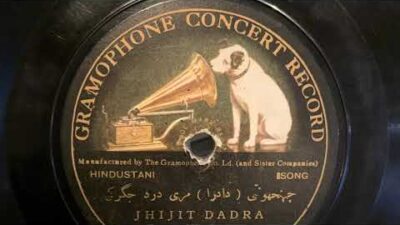
1898 में लंदन में स्थापित द ग्रामोफ़ोन कंपनी वही संस्था है जिसने भारत को रिकॉर्डेड संगीत से पहली बार मिलवाया। एमिल बर्लिनर के डिस्क-ग्रामोफ़ोन पेटेंट पर खड़ी इस कंपनी ने 1901 में कलकत्ता में अपनी पहली भारतीय शाखा खोली — किसी भी रिकॉर्ड कंपनी का भारत में पहला दफ़्तर। नवंबर 1902 में कंपनी के रिकॉर्डिंग इंजीनियर फ़्रेड गैसबर्ग कलकत्ता पहुँचे और एक होटल के कमरे में भारत की पहली व्यावसायिक रिकॉर्डिंग की — सबसे चमकता नाम था गौहर जान। उस पहले दौरे में लगभग 500 गीत मोम की तश्तरियों पर दर्ज हुए, जो हनोवर (जर्मनी) में प्रेस होकर 1903 में भारत लौटे और हाथों-हाथ बिके। 1908 में कंपनी ने कलकत्ता के सियालदह में भारत का पहला रिकॉर्ड-प्रेसिंग कारख़ाना लगाया; आगे चलकर यह कारोबार दम दम में बसा। कुत्ते और भोंपू वाला 'हिज़ मास्टर्स वॉइस' (HMV) ट्रेडमार्क इतना घर-घर पहुँचा कि भारत में 'एचएमवी' रिकॉर्ड-संगीत का ही पर्याय बन गया। 1931 में कंपनी कोलंबिया ग्रामोफ़ोन के साथ मिलकर EMI बनी; भारतीय इकाई 1946 में 'द ग्रामोफ़ोन कंपनी ऑफ़ इंडिया' के रूप में निगमित हुई, 1985 में आरपीजी समूह ने उसे ख़रीदा, और सन् 2000 से यही विरासत 'सारेगामा इंडिया लिमिटेड' के नाम से जीवित है। गौहर जान से लेकर सहगल और लता मंगेशकर तक की मूल रिकॉर्डिंग्स आज भी उसी तिजोरी में साँस ले रही हैं।
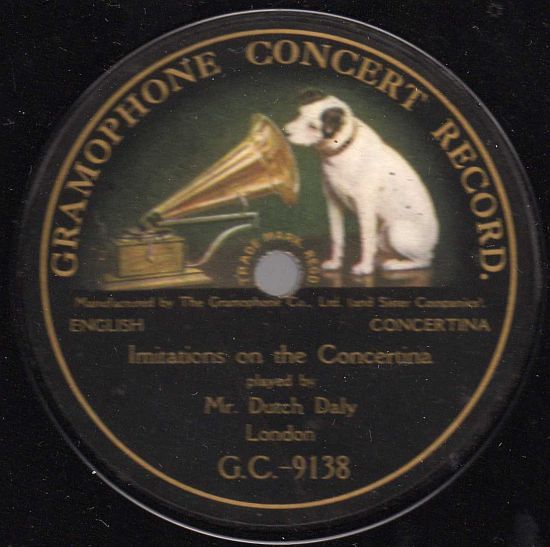
Founded in London in 1898 on Emile Berliner's disc-gramophone patents, The Gramophone Company is the institution that introduced India to recorded music. In 1901 it opened its first Indian branch office in Calcutta — the first office of any record company in India. In November 1902 its recording engineer Fred Gaisberg arrived in Calcutta and, in a hotel room, made India's first commercial recordings; the brightest name among them was Gauhar Jaan. That first expedition cut roughly 500 titles onto wax; the masters were pressed in Hanover, Germany, and the finished discs returned in 1903 to sell out almost instantly. In 1908 the company opened India's first record-pressing factory at Sealdah, Calcutta, and the Indian operations later settled at Dum Dum. The dog-and-trumpet 'His Master's Voice' trademark became so ubiquitous that 'HMV' turned into the generic Indian word for recorded music itself. Between 1900 and 1907 the firm traded as The Gramophone & Typewriter Ltd. before reverting to The Gramophone Company Ltd. In 1931 it merged with Columbia Graphophone to form EMI; the Indian business was incorporated in 1946 as The Gramophone Company of India Ltd., was acquired by the RPG Group in 1985, and since 2000 this same lineage has lived on as Saregama India Ltd. The original masters — from Gauhar Jaan to K.L. Saigal to Lata Mangeshkar — still breathe in that same vault.
Era Dominance
78rpm युग (1902 से 1960 के दशक तक) में भारतीय रिकॉर्ड बाज़ार पर कंपनी का लगभग एकछत्र राज रहा — अनुमानतः 70% के आसपास हिस्सेदारी। ठुमरी-ग़ज़ल और शास्त्रीय संगीत से लेकर नाट्य संगीत और फिर फ़िल्मी गीतों तक हर विधा इसके लेबलों पर दर्ज हुई; 1930 से 1970 के दशकों का लगभग समूचा हिंदी फ़िल्म संगीत HMV पर ही जारी हुआ। असली चुनौती 1980 के दशक की कैसेट-क्रांति और T-Series के उदय से ही मिली।
Through the 78rpm era (1902 to the 1960s) the company held a near-monopoly of the Indian record market — by most estimates around 70 percent. From thumri, ghazal and classical music to theatre songs and then film music, every genre passed through its labels; almost the entire Hindi film song output of the 1930s–1970s was released on HMV. Serious challenge came only with the cassette revolution and the rise of T-Series in the 1980s.
Artists Roster
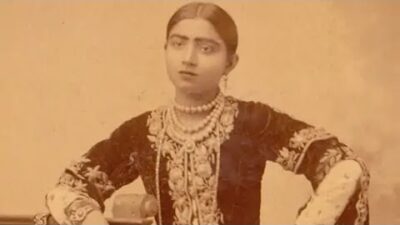
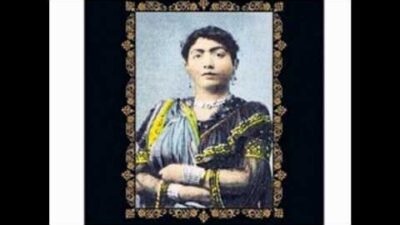
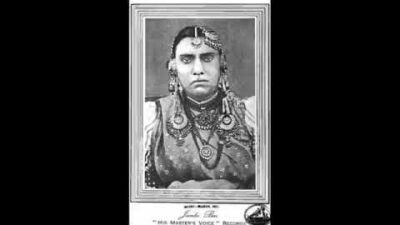
गौहर जान, जानकी बाई 'छप्पन छुरी', ज़ोहरा बाई आगरेवाली और पियारा साहेब जैसे ध्वनि-युग के पहले सितारों से लेकर न्यू थिएटर्स के दौर में के.एल. सहगल, पंकज मलिक और के.सी. डे तक; फिर प्लेबैक युग में लता मंगेशकर, मोहम्मद रफ़ी, आशा भोसले, किशोर कुमार, मुकेश और गीता दत्त — भारतीय संगीत का लगभग हर बड़ा नाम इसी कंपनी के लेबलों पर दर्ज हुआ।
From Gauhar Jaan, Janki Bai 'Chhappan Chhuri', Zohra Bai Agrewali and Peara Saheb in the acoustic era, to K.L. Saigal, Pankaj Mullick and K.C. Dey in the New Theatres years, to Lata Mangeshkar, Mohammed Rafi, Asha Bhosle, Kishore Kumar, Mukesh and Geeta Dutt in the playback age — almost every major name in Indian music appeared on its labels.