गीत विंग · गीत-पट्टिका · Song Plate
भजन — माता
Bhajan — Mother
माता को समर्पित एक कोमल भजन जो मातृत्व के सार्वभौमिक सिद्धांत को व्यक्त करता है
भावभक्ति · Maternal
भाषाHindi with Sanskrit गतिधीमी स्वरूपएकल महिला
श्रेय
The Creditsबोल · The Lyrics
पूरे बोल · Full Lyrics
तुम ही मेरा सब कुछ हो माता
Tum Hi Mera Sab Kuch Ho Mata
सूत्र-वाक्य · The Hook
सूत्र-वाक्य
माता को समर्पित एक कोमल भजन जो मातृत्व के सार्वभौमिक सिद्धांत को व्यक्त करता है
In EnglishA tender devotion to motherhood itself — transcending the personal to invoke the universal principle of nurturing divinity.
पट्टिका-लेख
The Monographपरिचय Overview
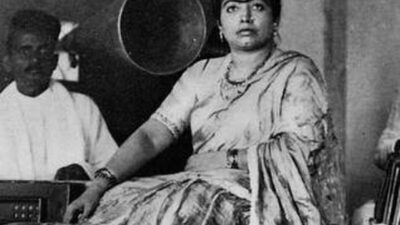
“भजन — माता” 1908 की जाना-पहचाना रिकॉर्डिंग है। इसमें गौहर जान की आवाज़ है, संगीत अज्ञात का है, और बोल अज्ञात ने लिखे हैं। यह राग Bhairavi पर आधारित है, Dadra ताल में निबद्ध, Bhajan शैली का गीत। इसका प्रमुख भाव Devotional है, अवधि 3:35 है, और यह The Gramophone Company लेबल से जारी हुआ।
अंग्रेज़ी में पढ़ें · Read in English
“Bhajan — Mother” is a well-known recording from 1908. The voice belongs to Gauhar Jaan, composed by Traditional, with lyrics penned by Traditional. Musically it set in Raag Bhairavi, to the Dadra taal, in the Bhajan idiom. Its prevailing mood is devotional, the recording runs 3:35, released on the the gramophone company label.
संगीत The Music
गौहर जान की प्रस्तुति आध्यात्मिकता पर बल देती है। भजन विधा में उन्होंने सरल और सीधी गायकी को अपनाया।
अंग्रेज़ी में पढ़ें · Read in English
Gauhar Jaan's rendition emphasizes spiritual sincerity over technical display. The bhajan genre allowed her to employ a more austere vocal approach, setting aside the ornamental flourishes that defined her thumri recordings.
काव्य The Poetry
परंपरागत भजन की शैली में माता को नमस्कार। भक्त सभी सांसारिक मोह को त्याग देता है।
अंग्रेज़ी में पढ़ें · Read in English
The lyrics employ the classical bhajan motif: obeisance to the divine mother, with the singer surrendering all earthly attachments. 'Jai Mata Di' (Victory to the Mother) opens with the traditional invocation.
कहानी The Story
1908 तक गौहर जान धार्मिक संगीत में अधिक रुचि दिखा रही थीं। यह भजन उनकी आध्यात्मिक यात्रा का हिस्सा था।
अंग्रेज़ी में पढ़ें · Read in English
In 1908, Gauhar Jaan was exploring devotional genres more seriously. Some scholars suggest this shift reflected her own aging and spiritual inclination, while others see it as a commercial strategy to broaden her appeal beyond mehfil audiences.
विरासत The Legacy
यह रिकॉर्डिंग दिखाती है कि ग्रामोफोन आध्यात्मिक संगीत को भी प्रामाणिकता के साथ प्रसारित कर सकता है।
अंग्रेज़ी में पढ़ें · Read in English
This recording demonstrates that the gramophone, despite its associations with secular entertainment, could transmit spiritual music with authenticity. Bhajans would remain a staple of Indian recording throughout the 20th century.
वर्गीकरण
Classification- Tempo
- Slow
Genre
अन्य विवरण
More Details- Archive of Indian Music
- Bajakhana - Early Sound Recordings
- Google Arts & Culture - Pioneering Musicians
References
रोचक तथ्य
Margin Notesगौहर जान के भजन उनके तुम्हारियों की तुलना में कम बिके
अंग्रेज़ी में पढ़ें · Read in English
Gauhar Jaan's bhajans sold moderately compared to her thumris, suggesting that her audience primarily sought entertainment over devotion
नमूना-पट्टी
The Specimen Table| शीर्षक | भजन — माता · Bhajan — Mother |
|---|---|
| वर्ष · युग | 1908 — pre independence |
| गायक | Gauhar Jaan |
| गीतकार | अज्ञात |
| संगीतकार | अज्ञात |
| राग | Bhairavi |
| ताल | {"name_hindi":"दादरा","name_english":"Dadra","taal_id":"taal-dadra","matras":6} |
| स्वरूप | एकल महिला |
| गति | धीमी |
| अवधि | 3:35 |
| भाषा | Hindi with Sanskrit |
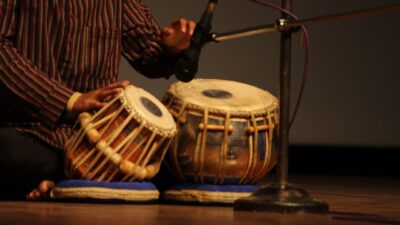
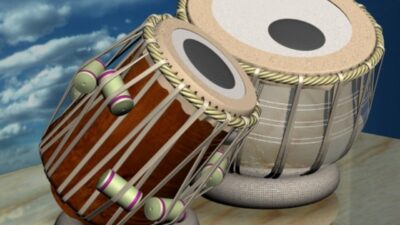
| वाद्य | harmonium · tabla |
| भाव | भक्ति · Maternal |
| लेबल | The Gramophone Company |
| लोकप्रियता | Known |
| बोल-स्थिति | सार्वजनिक |
जुड़े हुए पन्ने
Connected Plates · The Graph Made Visibleअटलस में कोई पन्ना अकेला नहीं — इस गीत से जुड़े गीत, कलाकार, फ़िल्म, राग-ताल-विधा, सब यहाँ से खुलते हैं।
मिलते-जुलते गीत · Related Songs
कलाकार · The Artists
शास्त्र-सूत्र · Shastra Threads
साझा कीजिए · Share this Plate