आना मेरी जान मेरी जान सन्डे के सन्डे
Aana Meri Jaan Meri Jaan Sunday Ke Sunday
कहानियाँ विंग · कहानी · इतिहास · 1947
Noor Jehan's Last Song: The Voice That Left India Behind
1947 में जब बंबई में एक फ़िल्म की रिकॉर्डिंग हो रही थी, तो किसी को नहीं पता था कि ये शहर की सबसे बड़ी आवाज़ की आख़िरी रिकॉर्डिंग है।
प्रकाशित3 July 2026 पाठ८ मिनट का पाठ
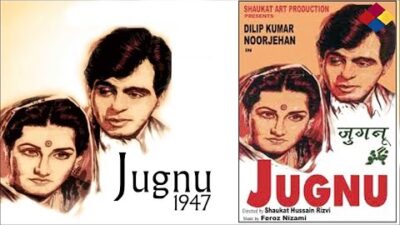
जुगनू (1947) सिर्फ़ एक फ़िल्म नहीं थी — यह एक दुनिया की विदाई थी। नूर जहाँ की आवाज़ के साथ बंबई में जो संगीत रचा गया, वो विभाजन की आँधी में बिखर जाने वाले एक पूरे युग का अंत था। यह कहानी उस साल की है जब एक सर्वश्रेष्ठ आवाज़ ने हिंदी सिनेमा को अलविदा कहा।
Jugnu (1947) was not just a film — it was the farewell of a world. The music Noor Jehan created in Bombay that year was the final flowering of an era that Partition would scatter forever. This is the story of the year the greatest voice in Bombay cinema said goodbye.
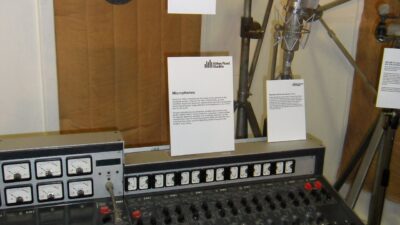
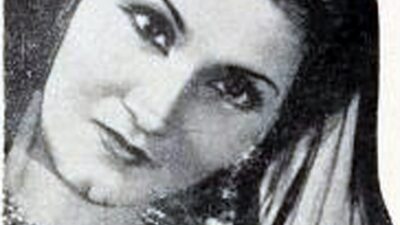
1946-47 की सर्दियों में, बंबई के एक रिकॉर्डिंग स्टूडियो में नूर जहाँ माइक्रोफ़ोन के सामने खड़ी थीं। फ़ीरोज़ निज़ामी का ऑर्केस्ट्रा तैयार था। शकील बदायूँनी के बोल कागज़ पर थे। फ़िल्म का नाम था जुगनू — एक जुगनू जो रात के अँधेरे में चमकता है और जिसे पकड़ने की कोशिश करो तो हाथ से फिसल जाता है। यह रूपक उस वक़्त से ज़्यादा सटीक कभी नहीं था — क्योंकि नूर जहाँ की आवाज़ भी कुछ ऐसी ही थी। उसे सुनते ही लगता था कि पकड़ लिया, लेकिन वो हमेशा थोड़ी और गहरी, थोड़ी और दूर निकल जाती थी।
In the winter of 1946-47, in a Bombay recording studio, Noor Jehan stood before the microphone. Feroze Nizami's orchestra was ready. Shakeel Badayuni's words were on paper. The film was called Jugnu — a firefly that glimmers in the darkness and slips through your fingers when you try to catch it. The metaphor had never been more apt: because Noor Jehan's voice was like that too. You thought you'd caught it, and then it was always a little deeper, a little further away.
1946 के अंत तक, बंबई के मुस्लिम कलाकारों के बीच एक अनकही बेचैनी फैल रही थी। ब्रिटिश भारत का विभाजन अब तय लग रहा था — लाहौर, कराची और ढाका एक नए मुल्क का हिस्सा बनने वाले थे। नूर जहाँ लाहौर में पैदा हुई थीं, और उनके पति शौकत हुसैन रिज़वी भी पंजाब के थे। पाकिस्तान जाना उनके लिए अपनी जड़ों की तरफ़ वापस जाना था। जुगनू की रिकॉर्डिंग इस तनाव के बीच हो रही थी — एक फ़िल्म बन रही थी जो शायद बंबई में उनकी आख़िरी होगी।
By late 1946, an unspoken restlessness had spread among Bombay's Muslim artists. The partition of British India now seemed inevitable — Lahore, Karachi and Dhaka were about to become part of a new country. Noor Jehan was born in Lahore, and her husband Shaukat Hussain Rizvi was also from Punjab. Going to Pakistan would mean returning to her roots. Jugnu's recording was happening in the midst of this tension — a film was being made that would perhaps be her last in Bombay.
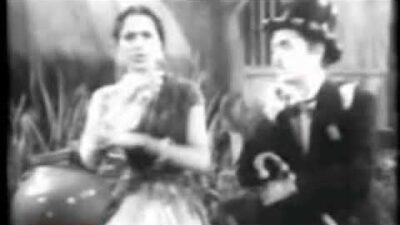
जुगनू की रिकॉर्डिंग पूरी हुई और फ़िल्म 1947 में रिलीज़ हुई — उसी साल जब 15 अगस्त को देश आज़ाद हुआ और 14-15 अगस्त की रात को विभाजन ने लाखों लोगों की ज़िंदगियाँ तोड़ दीं। 'यहाँ बदला वफ़ा का बेवफ़ाई की', 'मुहब्बत कर लो जी भर लो', 'वो पास रहे या ना रहें' — ये गीत उस साल की सबसे लोकप्रिय धुनें बनीं। जुगनू उस साल की सबसे कमाई करने वाली हिंदी फ़िल्म थी। लेकिन जब विभाजन के बाद नूर जहाँ पाकिस्तान चली गईं, तो ये गीत बंबई में रह गए — एक खोई हुई दुनिया की आवाज़ें।
Jugnu's recording was completed and the film released in 1947 — the same year that on August 15 the country became independent, and on the night of August 14-15 Partition shattered millions of lives. 'Yahan Badla Wafa Ka', 'Mohabbat Kar Lo Ji Bhar Lo', 'Woh Paas Rahe Ya Na Rahe' — these songs became the most popular melodies of the year. Jugnu was the highest-grossing Hindi film of 1947. But when Noor Jehan left for Pakistan after Partition, the songs remained in Bombay — the voices of a lost world.
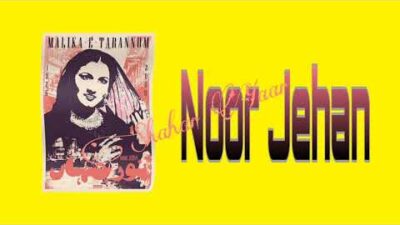
नूर जहाँ पाकिस्तान में जाकर 'मेलक-उत-तरन्नुम' — गायन की रानी — बन गईं। पाकिस्तानी फ़िल्मों और ग़ज़लों में उन्होंने जो काम किया वो उतना ही महान था जितना बंबई में। लेकिन भारतीय दर्शकों के लिए उनकी आवाज़ एक भूत बन गई — रेडियो सिलोन पर या पुरानी HMV रिकॉर्ड्स पर सुनाई देने वाली एक आवाज़ जो थी, लेकिन पहुँच के बाहर थी। जुगनू के गीतों की यह दोहरी अनुपस्थिति — महबूब की ग़ैरमौजूदगी गीतों में, और गायिका की ग़ैरमौजूदगी देश में — ने उन्हें विभाजन-साहित्य का एक अनजाना हिस्सा बना दिया।
In Pakistan, Noor Jehan became 'Malika-e-Tarannum' — the Queen of Melody. The work she did in Pakistani films and ghazals was as great as anything she had done in Bombay. But for Indian audiences, her voice became a ghost — a sound heard on Radio Ceylon or on old HMV records, present but unreachable. The double absence of Jugnu's songs — the beloved's absence within the lyrics, and the singer's absence from the country — made them an uncelebrated chapter of Partition literature.
आज, जुगनू (1947) के गीत उस भारत की सबसे शुद्ध और सबसे दर्दनाक आवाज़ें हैं जो विभाजन से पहले था। नूर जहाँ की हिंदी फ़िल्मी आवाज़ — शकील के बोलों में, फ़ीरोज़ निज़ामी के रागों में — एक ऐसी संस्कृति का दस्तावेज़ है जो लाहौर और बंबई के बीच साझा थी और जिसे सीमाएँ बाँट नहीं सकीं। जब भी कोई 'यहाँ बदला वफ़ा का' सुनता है, तो वो सिर्फ़ एक गीत नहीं सुनता — वो उस लम्हे की आवाज़ सुनता है जब दो मुल्क बनने से पहले एक ही संगीत था।
Today, Jugnu's (1947) songs are the purest and most heartbreaking voices of the India that existed before Partition. Noor Jehan's Hindi film voice — in Shakeel's verses, in Feroze Nizami's raags — is a document of a culture shared between Lahore and Bombay that borders could not divide. When anyone listens to 'Yahan Badla Wafa Ka', they are not just hearing a song — they are hearing the sound of the moment before a single music became two nations.
1947 में जब बंबई में एक फ़िल्म की रिकॉर्डिंग हो रही थी, तो किसी को नहीं पता था कि ये शहर की सबसे बड़ी आवाज़ की आख़िरी रिकॉर्डिंग है।
When Noor Jehan walked into a Bombay recording studio in 1947 for Jugnu, no one knew she was recording the last songs of a vanishing world.
| शीर्षक | नूर जहाँ का आख़िरी गीत: एक आवाज़ की विदाई · Noor Jehan's Last Song: The Voice That Left India Behind |
|---|---|
| श्रेणी | इतिहास |
| प्रकार | विशेष लेख |
| पाठ-समय | ८ मिनट का पाठ |
| प्रकाशित | 3 July 2026 — admin |
| वर्ष | 1947 |
| टैग | Noor Jehan · Jugnu 1947 · Partition · pre-Partition cinema · Shakeel Badayuni · Feroze Nizami · Dilip Kumar · Bombay film industry |
कहानी में आए नामों के अटलस में अपने पन्ने हैं — यहीं से यात्रा जारी रखिए।
साझा कीजिए · Share this Plate
हाँ, जुगनू (1947) को नूर जहाँ की आख़िरी प्रमुख हिंदी फ़िल्म माना जाता है। 1947 के विभाजन के बाद वे अपने पति-निर्देशक शौकत हुसैन रिज़वी के साथ पाकिस्तान चली गईं जहाँ उन्होंने पाकिस्तानी सिनेमा और संगीत में उतना ही शानदार करियर बनाया।
Yes, Jugnu (1947) is widely recognised as Noor Jehan's last major Hindi film. After the 1947 Partition of India, she migrated to Pakistan with her husband-director Shaukat Hussain Rizvi, where she built an equally legendary career in Pakistani cinema and music.
नूर जहाँ का जन्म लाहौर (अब पाकिस्तान) में हुआ था और उनके पति शौकत हुसैन रिज़वी भी पंजाब से थे। जब अगस्त 1947 में विभाजन हुआ, तो उन्होंने उस देश में जाने का फ़ैसला किया जिसमें उनका गृह-नगर लाहौर शामिल था।
Noor Jehan was born in Lahore (now in Pakistan) and her husband Shaukat Hussain Rizvi was also from Punjab. When Partition created Pakistan in August 1947, they chose to migrate to the country that included their home city of Lahore.