कहानियाँ विंग · कहानी · इतिहास · 1947
आज़ादी की शहनाई: जब एक वाद्य ने इतिहास रचा
The Shehnai of Independence: How One Instrument Defined a Nation's Freedom
15 अगस्त 1947 को लाल किले पर जब उस्ताद बिस्मिल्ला ख़ान की शहनाई बजी, तो एक वाद्य हमेशा के लिए भारत की आज़ादी की आवाज़ बन गया।
प्रकाशित3 July 2026 पाठ८ मिनट का पाठ
आमुख
1947 वो साल था जब एक वाद्य — शहनाई — भारत की पहचान बन गई। लाल किले पर उस्ताद बिस्मिल्ला ख़ान के सुर और पर्दे पर फ़िल्म 'शहनाई' के गीत — दोनों ने मिलकर उस वाद्य को एक नई महिमा दी। यह उस साल की कहानी है जब संगीत और इतिहास एक हो गए।
अंग्रेज़ी में पढ़ें · Read in English
1947 was the year an instrument — the shehnai — became the sound of India. At Red Fort, Ustad Bismillah Khan's notes, and on screen, the film Shehnai's songs — together they gave the instrument a new glory. This is the story of the year when music and history became one.
वो ऐतिहासिक रात
That Historic Night14-15 अगस्त 1947 की मध्यरात्रि को जब पंडित नेहरू ने 'ट्रिस्ट विद डेस्टिनी' भाषण दिया, तो पूरा भारत रेडियो के सामने बैठा था। सुबह 15 अगस्त को लाल किले पर तिरंगा फहराया गया। और उस ऐतिहासिक पल की ध्वनि थी — एक शहनाई की। उस्ताद बिस्मिल्ला ख़ान ने आकाशवाणी के लाइव प्रसारण में शहनाई बजाई। वो सुर जो उस सुबह लाल किले पर गूंजे, वो हमेशा के लिए भारत की आज़ादी की आवाज़ बन गए।
अंग्रेज़ी में पढ़ें · Read in English
On the midnight of August 14-15, 1947, when Pandit Nehru gave his 'Tryst with Destiny' speech, all of India sat before the radio. On the morning of August 15, the tricolour was hoisted at Red Fort. And the sound of that historic moment was — a shehnai. Ustad Bismillah Khan played the shehnai in an All India Radio live broadcast. The notes that rang out at Red Fort that morning became forever the voice of India's freedom.
उस्ताद बिस्मिल्ला ख़ान: शहनाई के बादशाह
Ustad Bismillah Khan: The Emperor of the Shehnaiउस्ताद बिस्मिल्ला ख़ान (1916-2006) का जन्म बिहार के डुमराँव में हुआ था, लेकिन उनकी कर्मभूमि वाराणसी थी — वो पवित्र शहर जहाँ गंगा, मंदिर और संगीत का अनोखा संगम है। उन्होंने शहनाई को मंदिर के आँगन से निकालकर विश्व के संगीत मंचों पर पहुँचाया। 1947 में लाल किले पर उनकी शहनाई ने एक बात साफ़ कर दी — भारत की आज़ादी का संगीत न सिर्फ़ पश्चिमी बैंड की धुन होगी, बल्कि अपने शास्त्रीय वाद्यों की आवाज़ भी।
अंग्रेज़ी में पढ़ें · Read in English
Ustad Bismillah Khan (1916-2006) was born in Dumraon, Bihar, but his spiritual home was Varanasi — that sacred city where the Ganges, temples and music have an extraordinary confluence. He took the shehnai from the temple courtyard to the world's musical stages. His shehnai at Red Fort in 1947 made one thing clear: India's freedom music would not be just Western band tunes, but also the sound of its own classical instruments.
फ़िल्म 'शहनाई' (1947): एक सांस्कृतिक संयोग
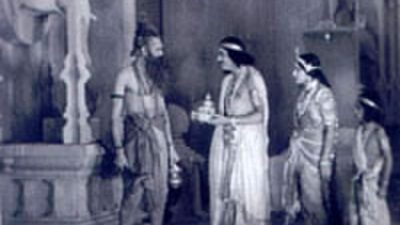
The Film Shehnai (1947): A Cultural Coincidenceउसी 1947 में — बिस्मिल्ला ख़ान की लाल किले पर शहनाई के साथ — पर्दे पर एक फ़िल्म भी आई जिसका नाम था 'शहनाई।' पी.एल. संतोषी ने इसका निर्देशन किया और सी. रामचंद्र ने संगीत दिया। फ़िल्म में सुरेंद्र ने एक शहनाईवादक की भूमिका निभाई। यह सांस्कृतिक संयोग आश्चर्यजनक था — उसी साल जब शहनाई भारत की आज़ादी की आवाज़ बनी, हिंदी सिनेमा ने भी उस वाद्य का जश्न मनाया।
अंग्रेज़ी में पढ़ें · Read in English
In the same 1947 — alongside Bismillah Khan's shehnai at Red Fort — a film also arrived on screen called 'Shehnai.' Directed by P.L. Santoshi with music by C. Ramchandra, the film featured Surendra as a shehnai player. This cultural coincidence was remarkable — in the same year the shehnai became India's voice of freedom, Hindi cinema also celebrated the instrument.
सी. रामचंद्र का शास्त्रीय-लोकप्रिय मेल
C. Ramchandra's Classical-Popular Synthesisसी. रामचंद्र (चितलकर रामचंद्र, 1918-1982) ने फ़िल्म 'शहनाई' में शहनाई वाद्य को अपने संगीत-संयोजन में केंद्र में रखा। यह उनके लिए एक महत्वपूर्ण प्रयोग था — शास्त्रीय वाद्य को लोकप्रिय फ़िल्म संगीत में इस तरह शामिल करना कि वो स्वाभाविक लगे। राग बहार की वसंत-ऋतु की मिठास और शहनाई की आवाज़ का संयोग ऐसे गीत बनाता था जो शास्त्रीय ज्ञानियों और आम दर्शकों दोनों को भाते थे। यही कला थी जिसने सी. रामचंद्र को 1950 के दशक का सबसे बड़ा संगीतकार बनाया।
अंग्रेज़ी में पढ़ें · Read in English
C. Ramchandra (Chitalkar Ramchandra, 1918-1982) placed the shehnai instrument at the centre of his musical arrangements for the film Shehnai. This was an important experiment for him — integrating a classical instrument into popular film music so naturally that it felt inevitable. The combination of Raag Bahar's spring sweetness and the shehnai's voice created songs that appealed both to classical connoisseurs and general audiences. This was the art that made C. Ramchandra the greatest composer of the 1950s.
1947: संगीत और इतिहास
1947: Music and History1947 में भारतीय संगीत एक महत्वपूर्ण मोड़ पर था। एक तरफ़ नूर जहाँ, सुरैया, शमशाद बेगम जैसी गायिकाएँ अपनी चरम पर थीं। दूसरी तरफ़ लता मंगेशकर और गीता रॉय जैसी नई आवाज़ें उभर रही थीं। बीस साल के नौशाद अपने शास्त्रीय-लोकप्रिय संगीत से नए मानदंड स्थापित कर रहे थे। और इस सब के बीच, 15 अगस्त को उस्ताद बिस्मिल्ला ख़ान की शहनाई ने एक संदेश दिया — कि भारत का संगीत उसकी जड़ों में है, उसके शास्त्रीय वाद्यों में, उसकी रागों में। आज़ादी सिर्फ़ राजनीतिक नहीं थी — वो सांस्कृतिक भी थी।
अंग्रेज़ी में पढ़ें · Read in English
In 1947, Indian music was at a crucial turning point. On one side, singers like Noor Jehan, Suraiya and Shamshad Begum were at their peak. On the other, new voices like Lata Mangeshkar and Geeta Roy were emerging. The young Naushad was establishing new standards with his classical-popular synthesis. And amidst all this, on August 15, Ustad Bismillah Khan's shehnai delivered a message — that India's music is in its roots, in its classical instruments, in its raags. Independence was not just political — it was cultural.
परिचय
IdentityEpithet
15 अगस्त 1947 को लाल किले पर जब उस्ताद बिस्मिल्ला ख़ान की शहनाई बजी, तो एक वाद्य हमेशा के लिए भारत की आज़ादी की आवाज़ बन गया।
On August 15, 1947, when Ustad Bismillah Khan's shehnai rang out at Red Fort, an instrument became forever the voice of India's freedom — and Hindi cinema was there to celebrate it.
अन्य विवरण
More Details- When Bismillah Khan played at Red Fort on August 15, 1947, the shehnai stopped being just an instrument — it became the sound of a nation's soul.
- उस्ताद बिस्मिल्ला ख़ान
- सी. रामचंद्र
- सुरेंद्र
- पी.एल. संतोषी
- August 14-15, 1947 midnight — India becomes independent — Nehru's 'Tryst with Destiny' speech — भारत स्वतंत्र — नेहरू का 'ट्रिस्ट विद डेस्टिनी' भाषण
- August 15, 1947 morning — Ustad Bismillah Khan plays shehnai at Red Fort — broadcast on All India Radio — उस्ताद बिस्मिल्ला ख़ान ने लाल किले पर शहनाई बजाई — आकाशवाणी पर प्रसारण
- 1947 — Film Shehnai (1947) releases, with C. Ramchandra's music featuring the shehnai — फ़िल्म शहनाई (1947) रिलीज़ — सी. रामचंद्र के संगीत में शहनाई को केंद्रीय भूमिका
- 2001 — Ustad Bismillah Khan receives Bharat Ratna — उस्ताद बिस्मिल्ला ख़ान को भारत रत्न
- August 21, 2006 — Ustad Bismillah Khan passes away at age 90 — उस्ताद बिस्मिल्ला ख़ान का 90 वर्ष की आयु में निधन
- Wikipedia: Bismillah Khan — https://en.wikipedia.org/wiki/Bismillah_Khan
- Wikipedia: Shehnai (instrument) — https://en.wikipedia.org/wiki/Shehnai
- Wikipedia: Shehnai (1947 film) — https://en.wikipedia.org/wiki/Shehnai_(1947_film)
- Wikipedia: C. Ramchandra — https://en.wikipedia.org/wiki/C._Ramchandra
- Wikipedia: Indian independence movement — https://en.wikipedia.org/wiki/Indian_independence_movement
- Deven Khote and Balraj Sahni, Bismillah Khan: The Sound of the Shehnai — various biographical accounts
Pull Quotes
Key Figures
Timeline Within Story
References
कहानी-नमूना
The Story Specimen| शीर्षक | आज़ादी की शहनाई: जब एक वाद्य ने इतिहास रचा · The Shehnai of Independence: How One Instrument Defined a Nation's Freedom |
|---|---|
| श्रेणी | इतिहास |
| प्रकार | विशेष लेख |
| पाठ-समय | ८ मिनट का पाठ |
| प्रकाशित | 3 July 2026 — admin |
| वर्ष | 1947 |
| टैग | Bismillah Khan · shehnai · Independence 1947 · Shehnai film 1947 · C. Ramchandra · Surendra · Indian classical music · Red Fort · Indian independence |
इस कहानी में
In This Story · The Cast & Its Platesकहानी में आए नामों के अटलस में अपने पन्ने हैं — यहीं से यात्रा जारी रखिए।
वाद्य-सूत्र · Instruments
कलाकार-सूत्र · Artists
और कहानियाँ
More Stories from the Atlas
साझा कीजिए · Share this Plate
यह पन्ना आगे बढ़ाइए
सवाल-जवाब
Questions & Answersक्या बिस्मिल्ला ख़ान ने 1947 के स्वतंत्रता दिवस पर सच में लाल किले पर बजाया था? · Did Bismillah Khan really play at Red Fort on Independence Day 1947?
हाँ, उस्ताद बिस्मिल्ला ख़ान ने 15 अगस्त 1947 को भारत के स्वतंत्रता समारोह के आकाशवाणी लाइव प्रसारण में लाल किले पर शहनाई बजाई। इस प्रदर्शन ने शहनाई को भारतीय स्वतंत्रता से स्थायी रूप से जोड़ दिया।
Yes, Ustad Bismillah Khan performed the shehnai at Red Fort on August 15, 1947, in an All India Radio live broadcast of India's independence celebrations. This performance permanently associated the shehnai with Indian freedom and became one of the most celebrated musical moments in Indian history.
शहनाई क्या है और यह महत्वपूर्ण क्यों है? · What is the shehnai and why is it significant?
शहनाई एक प्राचीन भारतीय सुषिर वाद्य है, जो ओबो जैसा होता है, और पारंपरिक रूप से शुभ अवसरों — मंदिर समारोह, विवाह, उत्सव — से जुड़ा है। उस्ताद बिस्मिल्ला ख़ान ने इसे एक लोक/धार्मिक वाद्य से शास्त्रीय संगीत-सभा का वाद्य बनाया।
The shehnai is an ancient Indian wind instrument, similar to an oboe, traditionally associated with auspicious occasions — temple ceremonies, weddings, festivals. Ustad Bismillah Khan elevated it from a folk/ceremonial instrument to a classical concert instrument, and his 1947 performance at Red Fort made it a symbol of India's national identity.
फ़िल्म शहनाई (1947) किस बारे में थी? · What was the film Shehnai (1947) about?
पी.एल. संतोषी निर्देशित और सी. रामचंद्र संगीतकार 'शहनाई' (1947) में सुरेंद्र एक शहनाईवादक की भूमिका में थे। यह फ़िल्म अपने गीतों और कथानक में शहनाई वाद्य को प्रमुखता से दिखाने के लिए उल्लेखनीय थी — उसी वर्ष बिस्मिल्ला ख़ान के प्रसिद्ध स्वतंत्रता दिवस प्रदर्शन के साथ एक दिलचस्प संयोग।
Shehnai (1947), directed by P.L. Santoshi with music by C. Ramchandra, starred Surendra as a shehnai musician. The film was notable for featuring the shehnai instrument prominently in its songs and narrative — a coincidence with Bismillah Khan's famous Independence Day performance the same year.