गीत विंग · गीत-पट्टिका · Song Plate
आयी बहार बहार
Aayi Bahar Bahar
सी. रामचंद्र ने 1947 के इस वसंत गीत में शहनाई को केंद्र में रखा — उस वाद्य का जश्न मनाते हुए जो एक दिन भारत की आज़ादी की ध्वनि बन जाएगा।
भावउत्सव · आनंदित · शांत
भाषाHindi · Urdu गतिमध्यम स्वरूपएकल पुरुष
श्रेय
The Creditsबोल · The Lyrics
पूरे बोल · Full Lyrics
खिल उठे फूल हज़ार
आयी बहार बहार
मन में मस्ती की बहार
Khil uthe phool hazaar
Aayi bahar bahar
Man mein masti ki bahar
शब्दकोश
Word Meaningsसूत्र-वाक्य · The Hook
सूत्र-वाक्य
सी. रामचंद्र ने 1947 के इस वसंत गीत में शहनाई को केंद्र में रखा — उस वाद्य का जश्न मनाते हुए जो एक दिन भारत की आज़ादी की ध्वनि बन जाएगा।
In EnglishC. Ramchandra put the shehnai at the heart of his 1947 spring song — celebrating the instrument that would one day define the sound of Indian independence.
पट्टिका-लेख
The Monographपरिचय Overview
पी.एल. संतोषी की शहनाई (1947) से — जो हिंदी सिनेमा की पहली फ़िल्मों में से एक थी जो किसी भारतीय शास्त्रीय वाद्य का जश्न मनाती है — 'आयी बहार बहार' सी. रामचंद्र (चितलकर) द्वारा गायक-अभिनेता सुरेंद्र के लिए रचित एक वसंत-गीत है। सुरेंद्र और नसीम बानो अभिनीत इस फ़िल्म में एक शहनाईवादक की कहानी थी, जिसने सी. रामचंद्र को अपने संयोजन में शहनाई को प्रमुखता से शामिल करने का अवसर दिया। राग बहार — हिंदुस्तानी संगीत का परंपरागत 'वसंत राग' — एक शास्त्रीय संगीतकार की कहानी वाली फ़िल्म में ऋतु-उत्सव के लिए स्वाभाविक चुनाव था।
अंग्रेज़ी में पढ़ें · Read in English
From P.L. Santoshi's Shehnai (1947) — one of Hindi cinema's earliest films to celebrate an Indian classical instrument — 'Aayi Bahar Bahar' is a spring song composed by C. Ramchandra (Chitalkar) for singer-actor Surendra, who was one of the leading male playback voices of the 1940s. The film, which starred Surendra and Naseem Banu, was built around the character of a shehnai player, allowing C. Ramchandra to integrate the shehnai prominently in his orchestrations. Raag Bahar — the traditional 'spring raag' in Hindustani music — was the natural choice for a seasonal celebration in a film about a classical musician. This song represented C. Ramchandra's early mastery of classical-popular synthesis, a skill that would make him one of Hindi cinema's most celebrated composers of the 1950s.
संगीत The Music
सी. रामचंद्र ने 'आयी बहार बहार' के संयोजन में शहनाई को एकल वाद्य के रूप में केंद्रित किया — कथा में भी (फ़िल्म एक शहनाईवादक के बारे में है) और संगीत-कथन के रूप में भी। राग बहार, जो हिंदुस्तानी शास्त्रीय संगीत में वसंत ऋतु से जुड़ा है, काफ़ी थाट से है और इसमें एक विशिष्ट उज्ज्वलता है — इसके स्वर फूलों की तरह खिलते लगते हैं। सुरेंद्र की गर्म बैरीटोन आवाज़ उत्सवी वसंत गीतों के लिए एकदम उपयुक्त थी।
अंग्रेज़ी में पढ़ें · Read in English
C. Ramchandra's orchestration for 'Aayi Bahar Bahar' centres the shehnai as a solo instrument — both as a character in the narrative (the film is about a shehnai player) and as a musical statement. Raag Bahar, associated with the spring season in Hindustani classical music, belongs to the Kafi thaat and has a characteristic effulgence — its notes seem to bloom like flowers. Surendra's baritone voice, with its natural warmth, was ideally suited for celebratory spring songs. The Keherwa taal provides a gentle steady pulse. C. Ramchandra (1918-1982) was at the beginning of what would become one of the most versatile and celebrated careers in Hindi film music — simultaneously mastering classical, folk, Western orchestration and comedy.
काव्य The Poetry
डी.एन. माधोक का वसंत-गीत शास्त्रीय बारहमासा और ऋतु-स्वागत काव्य की परंपरा में काम करता है — सीधा ऋतु-आह्वान, फूलों की छवियाँ, और प्रकृति के खिलने और हृदय के खिलने का समानांतर। भाषा सुलभ हिंदी-उर्दू है, छवियाँ जीवंत और ऋतुगत: खिलते फूल, वसंत-वायु का नशा, जब ऋतु बदलती है तो हर जीव में बहने वाली ख़ुशी।
अंग्रेज़ी में पढ़ें · Read in English
D.N. Madhok's lyric for this spring song works in the classical convention of the barahmasa and the spring-greeting poetry tradition — direct invocation of the season, flowering images, and the parallel between the natural world blooming and the heart blooming with joy. The language is accessible Hindi-Urdu, the imagery is vivid and seasonal: flowers in bloom, the intoxication of spring air, the joy that courses through every living thing when the season turns. There is no tortured love story here — this is the simpler, more universal joy of seasonal renewal.
कहानी The Story
पी.एल. संतोषी निर्देशित 'शहनाई' (1947) उन शुरुआती हिंदी फ़िल्मों में से एक है जो एक भारतीय शास्त्रीय वाद्य — शहनाई — को कथा के केंद्र में रखती है। समय अत्यंत महत्वपूर्ण था: 1947 वही साल था जब उस्ताद बिस्मिल्ला ख़ान ने 15 अगस्त की पूर्व-संध्या पर लाल किले पर शहनाई बजाई — एक घटना जिसने शहनाई की ध्वनि को भारतीय स्वतंत्रता से हमेशा के लिए जोड़ दिया। उसी साल बनी फ़िल्म 'शहनाई' इस वाद्य के सांस्कृतिक पुनर्वास में सहभागी थी।
अंग्रेज़ी में पढ़ें · Read in English
Shehnai (1947) was directed by P.L. Santoshi and is notable as one of the earliest Hindi films to feature an Indian classical instrument — the shehnai — as a central narrative element. The timing was significant: 1947 was the year Ustad Bismillah Khan performed the shehnai at Red Fort on the eve of Independence on August 15, 1947 — an event that forever linked the shehnai sound with Indian freedom. The film Shehnai, made in the same year, participated in this cultural rehabilitation of the instrument. C. Ramchandra was a prolific and versatile composer who would go on to define the sound of 1950s Hindi cinema with hits like 'Ek Do Teen' from Albela (1951) and songs for Guru Dutt's films.
विरासत The Legacy
'शहनाई' (1947) मुख्यधारा के हिंदी सिनेमा में भारतीय शास्त्रीय वाद्यों के पहले उत्सवों में से एक के रूप में हिंदी फ़िल्म संगीत इतिहास में एक छोटी लेकिन ऐतिहासिक रूप से रोचक जगह रखती है। समय — बिस्मिल्ला ख़ान की शहनाई के आज़ादी की आवाज़ बनने के वर्ष के साथ संयोग — फ़िल्म को एक पूर्वव्यापी भावुकता देता है।
अंग्रेज़ी में पढ़ें · Read in English
Shehnai (1947) holds a small but historically interesting place in Hindi film music as one of the first celebrations of Indian classical instruments in mainstream cinema. The timing — coinciding with the year Bismillah Khan's shehnai became the sound of independence — gives the film a retrospective poignancy. C. Ramchandra's career exploded in the 1950s; by then, he was composing for major stars and producing iconic songs. His 1947 work in Shehnai represents his classical-film synthesis period, before the more westernised orchestrations of his later career.
वर्गीकरण
Classification- Tempo
- Medium
Genre
अन्य विवरण
More Details- Wikipedia: C. Ramchandra — https://en.wikipedia.org/wiki/C._Ramchandra
- Wikipedia: Surendra (actor-singer) — https://en.wikipedia.org/wiki/Surendra_(actor)
- Wikipedia: D.N. Madhok — https://en.wikipedia.org/wiki/D._N._Madhok
- Wikipedia: Shehnai (1947 film) — https://en.wikipedia.org/wiki/Shehnai_(1947_film)
- Wikipedia: Bismillah Khan — https://en.wikipedia.org/wiki/Bismillah_Khan
- Hindi Film Geet Kosh — Vol. 3, entries for Shehnai (1947)
References
रोचक तथ्य
Margin Notes1947 वह वर्ष था जब उस्ताद बिस्मिल्लाह ख़ान की स्वतंत्रता दिवस (15 अगस्त) पर लाल क़िले पर शहनाई प्रस्तुति ने इस वाद्ययंत्र को भारतीय स्वतंत्रता के साथ स्थायी रूप से जोड़ दिया — जिससे उसी वर्ष की फिल्म 'शहनाई' (1947) एक उल्लेखनीय सांस्कृतिक संयोग बन जाती है।
अंग्रेज़ी में पढ़ें · Read in English
1947 was the year Ustad Bismillah Khan's shehnai performance at Red Fort on Independence Day (August 15) permanently linked the instrument with Indian freedom — making the film 'Shehnai' (1947) of the same year a remarkable cultural coincidence.
इस रचना में प्रयुक्त राग बहार हिंदुस्तानी शास्त्रीय संगीत में स्पष्ट रूप से एक ऋतु — वसंत — से जुड़े गिने-चुने रागों में से एक है। इसके नाम का उर्दू-फ़ारसी में शाब्दिक अर्थ ही 'वसंत' है।
अंग्रेज़ी में पढ़ें · Read in English
Raag Bahar, used in this composition, is one of the few raags explicitly associated with a season — spring — in Hindustani classical music. Its name literally means 'spring' in Urdu-Persian.
सी. रामचंद्र (1918-1982), जिन्हें चितलकर रामचंद्र के नाम से भी जाना जाता है, आगे चलकर हिंदी सिनेमा के सबसे प्रतिष्ठित संगीतकारों में से एक बने, जो शास्त्रीय, लोक और पाश्चात्य वाद्यवृंद संयोजन में अपनी बहुमुखी प्रतिभा के लिए जाने जाते थे।
अंग्रेज़ी में पढ़ें · Read in English
C. Ramchandra (1918-1982), also known as Chitalkar Ramchandra, went on to become one of Hindi cinema's most celebrated composers, known for his versatility across classical, folk and Western orchestration.
सुरेंद्र हिंदी सिनेमा के उन गिने-चुने गायक-अभिनेताओं में से एक थे जो वास्तव में गा सकते थे — कई अन्य नायकों के विपरीत जो पार्श्वगायकों पर निर्भर रहते थे। उनके शास्त्रीय प्रशिक्षण ने उनके गीतों को एक ऐसी गहराई दी जो मुख्यधारा फिल्मी संदर्भ में असामान्य थी।
अंग्रेज़ी में पढ़ें · Read in English
Surendra was one of the few singer-actors of Hindi cinema who could genuinely sing — unlike many leading men who relied on playback singers. His classical training gave his songs a depth that made them unusual in a mainstream film context.
डी.एन. मधोक (दीना नाथ मधोक, 1900-1981) 1930-1940 के दशक के हिंदी सिनेमा के सबसे विपुल गीतकारों में से एक थे, जिन्होंने इस अवधि में सैकड़ों फिल्मों के लिए लेखन किया।
अंग्रेज़ी में पढ़ें · Read in English
D.N. Madhok (Dina Nath Madhok, 1900-1981) was one of the most prolific lyricists of 1930s-1940s Hindi cinema, writing for hundreds of films across this period.
नमूना-पट्टी
The Specimen Table| शीर्षक | आयी बहार बहार · Aayi Bahar Bahar |
|---|---|
| वर्ष · युग | 1947 — Pre-Independence |
| गायक | Surendra |
| गीतकार | D. N. Madhok |
| संगीतकार | C. Ramchandra |
| स्वरूप | एकल पुरुष |
| गति | मध्यम |
| भाषा | Hindi · Urdu |
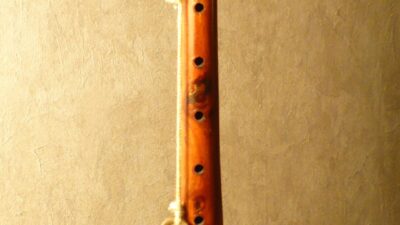
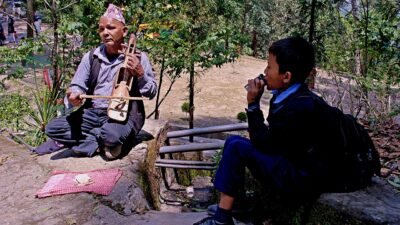
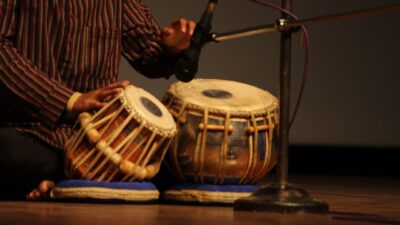
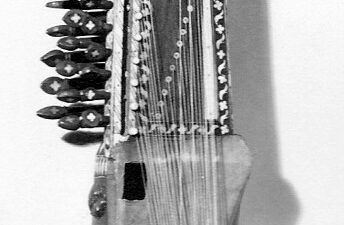
| वाद्य | shehnai · harmonium · tabla · sarangi |
| भाव | उत्सव · आनंदित · शांत |
| लोकप्रियता | Obscure |
| बोल-स्थिति | कॉपीराइट समाप्त |
जुड़े हुए पन्ने
Connected Plates · The Graph Made Visibleअटलस में कोई पन्ना अकेला नहीं — इस गीत से जुड़े गीत, कलाकार, फ़िल्म, राग-ताल-विधा, सब यहाँ से खुलते हैं।
मिलते-जुलते गीत · Related Songs
कलाकार · The Artists
साझा कीजिए · Share this Plate
यह पन्ना आगे बढ़ाइए
1947 में शहनाई हिंदी सिनेमा में एक किरदार के रूप में आई — उसी साल जब उसने लाल किले पर भारत की आज़ादी का ऐलान किया।
In 1947, the shehnai entered Hindi cinema as a character — the same year it announced India's independence at Red Fort.
— HindiGeet.in editorial, on Shehnai (1947)
सवाल-जवाब
Questions & Answersफ़िल्म शहनाई (1947) किस बारे में है? · What is the film Shehnai (1947) about?
पी.एल. संतोषी निर्देशित और सी. रामचंद्र संगीतकार फ़िल्म शहनाई (1947) हिंदी सिनेमा की उन शुरुआती फ़िल्मों में से एक है जो शहनाई — एक भारतीय शास्त्रीय सुषिर वाद्य — को कथा के केंद्र में रखती है। इसमें सुरेंद्र और नसीम बानो थे।
Shehnai (1947), directed by P.L. Santoshi with music by C. Ramchandra, is one of Hindi cinema's earliest films to feature the shehnai — an Indian classical wind instrument — as a central narrative element. It starred Surendra and Naseem Banu.
शहनाई के लिए 1947 क्यों महत्वपूर्ण है? · Why is 1947 significant for the shehnai?
1947 वो साल है जब उस्ताद बिस्मिल्ला ख़ान ने भारत की आज़ादी (15 अगस्त 1947) की पूर्व-संध्या पर लाल किले पर शहनाई बजाई, जिसने इस वाद्य को भारतीय स्वतंत्रता से हमेशा के लिए जोड़ दिया। उसी साल फ़िल्म 'शहनाई' (1947) का आना इस संयोग को और महत्वपूर्ण बनाता है।
1947 is the year Ustad Bismillah Khan performed the shehnai at Red Fort on the eve of India's independence (August 15, 1947), permanently associating the instrument with Indian freedom. The coincidence of the film Shehnai (1947) with this moment gives the film added historical resonance.