कहानियाँ विंग · कहानी · इतिहास · 1952
1952 और बैजू बावरा: जब एक फ़िल्म ने शास्त्रीय संगीत को बदल दिया
1952 and Baiju Bawra: The Year a Film Changed What Classical Music Could Be
विजय भट्ट, नौशाद, रफ़ी और लता — चार कलाकारों ने मिलकर 1952 में एक ऐसी फ़िल्म बनाई जिसने हिंदी सिनेमा में शास्त्रीय संगीत की भूमिका हमेशा के लिए बदल दी।
प्रकाशित3 July 2026 पाठ९ मिनट का पाठ
आमुख
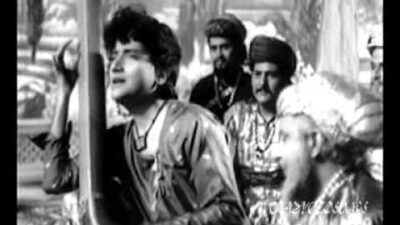
बैजू बावरा (1952) केवल एक हिट फ़िल्म नहीं थी — यह एक सांस्कृतिक घटना थी। नौशाद के शास्त्रीय रागों पर आधारित संगीत ने यह साबित किया कि सिनेमाघर में बैठकर भी शास्त्रीय संगीत की उस गहराई तक पहुँचा जा सकता है जो पहले केवल संगीत-सभाओं में मिलती थी। यह उस क्रांति की कहानी है।
अंग्रेज़ी में पढ़ें · Read in English
Baiju Bawra (1952) was not just a hit film — it was a cultural event. Naushad's classically-grounded music proved that a cinema audience could reach the same depths as a classical concert hall. This is the story of that revolution.
वह प्रश्न जिसने फ़िल्म को जन्म दिया
विजय भट्ट का प्रश्न था: क्या हिंदी सिनेमा में वास्तविक शास्त्रीय संगीत हो सकता है? बैजू-तानसेन की कहानी इस विचार के लिए आदर्श थी। और उस विचार को साकार करने वाले थे नौशाद।
अंग्रेज़ी में पढ़ें · Read in English
In the late 1940s, Vijay Bhatt had a question: could Hindi cinema contain real classical music? At the time, 'classical' film music meant songs named after raags, perhaps some taan passages, but mostly popular adaptations. Bhatt wanted something different: a film where classical music was not background but hero. The legend of Baiju — a folk tale of a musician competing against Tansen — was ideal for this idea. But it needed a composer who could present classical music with authenticity while making it accessible to cinema. That composer was Naushad.
नौशाद की शास्त्रीय तैयारी
नौशाद ने बैजू बावरा के लिए एक वर्ष से अधिक समय शास्त्रीय अध्ययन में लगाया। हर गीत के लिए एक विशिष्ट राग — और हर चुनाव में एक अर्थ। दरबारी दर्द के लिए, देश विजय के लिए, खमाज कोमल आशा के लिए। यह राग-काव्य था।
अंग्रेज़ी में पढ़ें · Read in English
Naushad was already a celebrated film composer before 1952, but his preparation for Baiju Bawra was extraordinary. He spent over a year studying each raag with classical musicians — not because he didn't know classical music, but to ensure every song would withstand musicological scrutiny. Each song got a specific raag, and each choice carried meaning: Darbari Kanada for Baiju's deepest pain; Bhimpalasi for his devotion; Khamaj for his beloved's gentle hope; Desh for his victory. This was not merely music — it was raag-poetry.
रफ़ी, लता और बैजू बावरा: तीन कलाकारों का शिखर
बैजू बावरा तीन कलाकारों का साझा शिखर था। रफ़ी के लिए: शास्त्रीय महानता की घोषणा। लता के लिए: भक्ति-शैली में श्रेष्ठता का प्रमाण। नौशाद के लिए: विरासत का केंद्र।
अंग्रेज़ी में पढ़ें · Read in English
Baiju Bawra was the shared apex of three careers. For Rafi — a student of Ustad Abdul Wahid Khan — it was the film that elevated him beyond category. After 'O Duniya Ke Rakhwale', no one could call him merely a 'light songs' singer. For Lata — already the dominant female voice — it proved her equal mastery of classical-devotional style. 'Mohe Bhool Gaye Saanvariya' and 'Tohe Piya Milaayenge' are counted among her finest recordings. For Naushad — this film became the centre of his legacy.
विरासत: बैजू बावरा ने क्या बदला
बैजू बावरा ने साबित किया: 'गहरा' और 'लोकप्रिय' विपरीत नहीं हैं। HMV एल्बम एक मिलियन से अधिक बिका। नौशाद ने यही दृष्टिकोण मुग़ल-ए-आज़म तक जारी रखा। आज शास्त्रीय कक्षाओं में राग दरबारी सिखाने के लिए 'ओ दुनिया के रखवाले' बजाया जाता है।
अंग्रेज़ी में पढ़ें · Read in English
After Baiju Bawra (1952), the status of classical music in Hindi films changed permanently. Previously, classical music was considered an elite taste — cinema audiences wanted simplicity. Baiju Bawra showed that an ordinary cinema audience could connect with the depth of Raag Darbari Kanada — if it was in the right music, the right emotion, the right singer's voice. The HMV soundtrack sold over a million copies — unprecedented for a Hindi film album. It proved that 'deep' and 'popular' are not opposites. Naushad carried this vision forward into Mughal-e-Azam and beyond. Today, in classical music classes, when students want to hear Raag Darbari, they are often played 'O Duniya Ke Rakhwale.'
परिचय
IdentityEpithet
विजय भट्ट, नौशाद, रफ़ी और लता — चार कलाकारों ने मिलकर 1952 में एक ऐसी फ़िल्म बनाई जिसने हिंदी सिनेमा में शास्त्रीय संगीत की भूमिका हमेशा के लिए बदल दी।
Vijay Bhatt, Naushad, Rafi and Lata — four artists together made a film in 1952 that permanently changed the role of classical music in Hindi cinema.
अन्य विवरण
More Details- बैजू बावरा ने साबित किया: जब संगीत सच्चा हो, तो सिनेमाघर का दर्शक भी संगीत-सभा का श्रोता बन जाता है।
- After Baiju Bawra, I realised I had no more arguments against classical music in cinema.
- नौशाद
- विजय भट्ट
- मोहम्मद रफ़ी
- लता मंगेशकर
- शकील बदायूँनी
- Late 1940s — Vijay Bhatt conceives the idea of a film about Baiju the legendary folk musician — विजय भट्ट बैजू पर फ़िल्म का विचार सोचते हैं
- 1950-51 — Naushad begins deep research into classical raags for the score, consulting classical musicians — नौशाद स्कोर के लिए शास्त्रीय रागों पर गहन शोध शुरू करते हैं
- Early 1952 — Extensive recording sessions; Rafi and Lata both undergo additional rehearsal for the classical passages — विस्तृत रिकॉर्डिंग सत्र; रफ़ी और लता शास्त्रीय अंशों के लिए अतिरिक्त रिहर्सल करते हैं
- 1952 — Baiju Bawra releases; runs for years in cinemas; HMV album sells over a million copies — बैजू बावरा रिलीज़; वर्षों तक सिनेमाघरों में चलती है; HMV एल्बम एक मिलियन से अधिक बिका
- 1952 onwards — The film's songs enter the devotional and classical music repertoire; used as teaching examples for raags in music schools — फ़िल्म के गीत भक्ति और शास्त्रीय संगीत भंडार में शामिल; संगीत विद्यालयों में राग-उदाहरण बने
- 1960 — Naushad's Mughal-e-Azam carries the same classical ambition forward — a direct legacy of Baiju Bawra — नौशाद की मुग़ल-ए-आज़म वही शास्त्रीय महत्त्वाकांक्षा आगे लेकर चलती है — बैजू बावरा की सीधी विरासत
- Naushad: The Last of the Mohicans — Raju Bharatan (2004)
- Mohammed Rafi: Golden Voice of the Silver Screen — Sujata Dev (2009)
- Lata Mangeshkar: A Biography — Yatindra Mishra (2009)
- Wikipedia: Baiju Bawra (1952 film)
- Wikipedia: Naushad
Pull Quotes
Key Figures
Timeline Within Story
References
कहानी-नमूना
The Story Specimen| शीर्षक | 1952 और बैजू बावरा: जब एक फ़िल्म ने शास्त्रीय संगीत को बदल दिया · 1952 and Baiju Bawra: The Year a Film Changed What Classical Music Could Be |
|---|---|
| श्रेणी | इतिहास |
| प्रकार | विशेष लेख |
| पाठ-समय | ९ मिनट का पाठ |
| प्रकाशित | 3 July 2026 — admin |
| वर्ष | 1952 |
| टैग | Baiju Bawra 1952 · Naushad · Mohammed Rafi · Lata Mangeshkar · classical film music revolution · Golden Era · Vijay Bhatt |
इस कहानी में
In This Story · The Cast & Its Platesकहानी में आए नामों के अटलस में अपने पन्ने हैं — यहीं से यात्रा जारी रखिए।
कलाकार-सूत्र · Artists
युग-सूत्र · Eras
और कहानियाँ
More Stories from the Atlas
साझा कीजिए · Share this Plate
यह पन्ना आगे बढ़ाइए
सवाल-जवाब
Questions & Answersबैजू बावरा (1952) को हिंदी फ़िल्म संगीत में एक मील का पत्थर क्यों माना जाता है? · Why is Baiju Bawra (1952) considered a landmark in Hindi film music?
बैजू बावरा ने साबित किया कि एक मुख्यधारा की हिंदी फ़िल्म शास्त्रीय संगीत की कठोरता पर आधारित हो सकती है और फिर भी बड़ी लोकप्रिय सफलता पा सकती है। नौशाद की राग-आधारित रचनाओं ने दिखाया कि सिनेमा एक शास्त्रीय संगीत-सभा जितनी भावनात्मक और बौद्धिक गहराई दे सकता है।
Baiju Bawra proved that a mainstream Hindi film could be anchored in rigorous classical music and still achieve massive popular success. Naushad's raag-based compositions — Darbari Kanada, Bhimpalasi, Desh, Bhairavi — demonstrated that cinema could deliver the same emotional and intellectual depth as a classical concert. The film's HMV soundtrack sold over a million copies, proving 'deep' and 'popular' were not opposites.
बैजू बावरा के कितने गीत क्लासिक माने जाते हैं? · How many songs from Baiju Bawra are considered classics?
बैजू बावरा के कई गीत क्लासिक हैं: 'ओ दुनिया के रखवाले' (रफ़ी, दरबारी), 'मन तड़पत हरि दर्शन को आज' (रफ़ी, भीमपलासी), 'मोहे भूल गए साँवरिया' (लता, भैरवी), 'तू गंगा की मौज' (रफ़ी-लता युगल), 'बचपन की मोहब्बत को' (रफ़ी-लता), 'तोहे पिया मिलायेंगे' (लता) और 'आज गावत मन मेरो' (रफ़ी)। किसी एक फ़िल्म में इतने स्थायी गीत मिलना दुर्लभ है।
Multiple songs from Baiju Bawra are considered classics: 'O Duniya Ke Rakhwale' (Rafi, Darbari), 'Man Tarpat Hari Darshan Ko Aaj' (Rafi, Bhimpalasi), 'Mohe Bhool Gaye Saanvariya' (Lata, Bhairavi), 'Tu Ganga Ki Mauj' (Rafi-Lata duet), 'Bachpan Ki Mohabbat Ko' (Rafi-Lata duet), 'Tohe Piya Milaayenge' (Lata), and 'Aaj Gaavat Mann Mero' (Rafi). It is rare for a single film to produce this many enduring songs.